

Let me hit you with an honest story: A few years ago, I was convinced big change was reserved for superstars and lucky breaks. My reality? More Netflix than hustle. But then, I discovered the peculiar power of starting smaller than small—think, learning French on Duolingo right after brushing my teeth. It was awkward and, honestly, un-Instagram-worthy. Yet, six months later, I spoke to a Parisian barista without freezing. This blog isn’t for the ‘overnight success’ fan—it’s for you, the quietly persistent doer looking for the spark to begin. Let’s rewrite what six months really means.
How to Actually Begin (Even When You’re Not Ready)
Why Waiting for Perfect Conditions is a Mirage
Let’s be honest: if you wait for the perfect moment to start changing your life, you’ll still be waiting in ten years. Most people believe they need more money, more time, or more experience before they can take the first step. But here’s the truth—life transformation in 6 months doesn’t begin with perfect conditions. It begins with what you have right now. Perfection is the enemy of progress. If you want to know how to change your life, stop searching for the ideal setup and start moving with what’s in your hands today.
Why Most People Never Leave the Starting Line
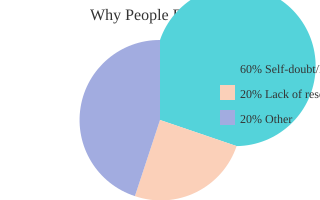
It’s not a lack of resources that keeps most people stuck—it’s self-doubt and the myth of “readiness.” According to personal development surveys, 60% of people fail to start because of self-doubt or waiting for perfect conditions. Only 20% cite lack of resources, and another 20% mention other reasons. The real obstacle is in your mind, not your wallet or your resume.
Celebrated Failures Along the Way
Here’s a secret: every successful person you admire has failed—often and publicly. The difference is, they kept going. They learned to see failure as feedback, not a final verdict. When you take consistent actions for personal growth, you’ll stumble. That’s not a sign to stop; it’s proof you’re moving. Celebrate your failures as milestones on your journey.
The Courage to Begin with Just Your Phone, a Friend, or a Notepad
You don’t need fancy equipment or a big bank account to start. Most successful starters began with three things: a smartphone, internet access, and a supportive contact. Whether it’s learning French with a free app, launching a blog from your phone, or brainstorming ideas with a friend, small consistent efforts matter more than grand plans. The tools you need are already within reach.
The ‘Steve Jobs at Home’ Mindset: Doing More with Less
Think about Steve Jobs in his garage or the founders of Alibaba with nothing but an idea and each other. They didn’t have money, advanced tech, or even confidence at first. What they did have was the courage to start with what was available. Adopt the ‘Steve Jobs at Home’ mindset: use what you have, where you are, and trust that resourcefulness beats resources every time.
Micro-Steps Over Master Plans
Forget waiting for the stars to align. Life transformation in 6 months happens through micro-steps, not master plans. Instead of planning for months, do one small thing today: send that email, write the first page, or take a 10-minute walk. These tiny actions, repeated daily, become the foundation of real change. Remember, small consistent actions will always beat big, delayed plans.
Perfection is the enemy of progress.
From ‘Not Enough’ to ‘More Than Ready’: The Wild Power of Resourcefulness
The Myth of Needing More vs. the Magic of Starting Now
You’ve probably heard it a thousand times: “If only I had more money, more connections, more time, then I could finally start.” But here’s the truth—the world has changed. You don’t need a factory to start a company. You don’t even need an office. What you need is movement. The real difference between those who change their lives and those who don’t is not resources, but resourcefulness.
Stories of Everyday Trailblazers: Building Big with Little
Think of Jack Ma, who started Alibaba with no technical background and almost no money. He couldn’t code, didn’t understand servers, and had never raised capital. But he knew how to talk, build trust, and sell a vision. He gathered people smarter than himself and began—imperfectly, but with determination. Or picture someone starting a micro-business from their kitchen table, using only a phone and free online resources. According to recent surveys, 82% of young entrepreneurs began with just a basic laptop or phone and free online tools.
Reframing Tools: How a Single Free Course Can Unlock a New Career
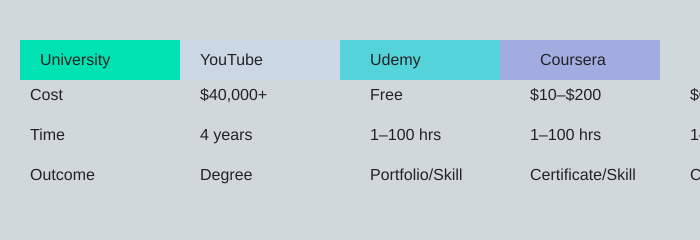
Today, developing valuable skills doesn’t require a degree or a big budget. A single free online course can open doors to new careers and passions. Platforms like Coursera, Udemy, and YouTube have become the new classrooms for millions. In fact, a recent survey found that over 60% of users on these platforms have used them for skill development strategies that led to real job opportunities.
‘YouTube University’: Credentials Are Often Self-Made
You don’t need an MBA to learn business. You can learn coding, design, marketing, or even how to start a business—all from your living room. The term “YouTube University” isn’t a joke; it’s a reality for millions. Consider this:
Turning Your ‘Small’ into Your Launchpad
You might think what you have is too small to matter. Maybe it’s just a notebook, 30 minutes of quiet time, or your own story. But creating meaningful things starts with what you have right now. The problem is rarely the size of your resources—it’s the size of your fear. People don’t lack tools. They lack belief.
Perfection is the enemy of progress. If you wait for the perfect conditions, you’ll still be waiting ten years from now.
The most powerful personal growth strategies are simple: begin with what you know, who you know, and what you can reach today. Progress opens new doors. You are more than enough to begin.
Messy Progress & the Perfection Trap: Are You Chasing Progress or Perfection?
Let’s be honest—perfectionism stalls more dreams than failure ever could. If you’re waiting for the perfect time, the perfect plan, or the perfect skill set, you’ll still be waiting ten years from now. Perfection is the enemy of progress. The real secret to overcoming perfectionism is to start with what you have, right now, and embrace messy, consistent actions for personal growth.
Progress Over Perfect: My Embarrassing First Podcast
Think about your favorite podcast or YouTube channel. Now, go back and listen to their very first episode. Chances are, it’s awkward, full of “ums,” and maybe even a little embarrassing. I remember recording my first podcast in my bedroom closet, using a $20 microphone and zero editing skills. It was rough. But here’s the truth: that cringe-worthy episode was the start of everything. If I’d waited until I had the perfect equipment or the perfect voice, I’d still be silent today. Done is better than perfect.
Tracking Growth: The ‘Done Is Better Than Perfect’ Logbook
One of the most powerful small daily habits you can build is keeping a “done is better than perfect” logbook. Every day, jot down what you finished—even if it wasn’t flawless. Over time, you’ll see a trail of progress, not just a pile of unfinished dreams. This simple practice is a mindset shift for self-doubt: you’ll realize you’re improving, not just spinning your wheels.
How to Spot Real Improvement
- You’re making fewer mistakes, or catching them faster.
- Tasks that once took hours now take minutes.
- People start asking for your advice or help.
- Your confidence grows, even if your work isn’t perfect yet.
Remember, every master was once a beginner. The difference? They started, and they kept going.
The 85% Rule: Optimal Effort Beats Exhaustion
Here’s a surprising fact from performance psychology: studies show that putting in 85% effort yields the best results. When you push for 100% perfection, you risk burnout and disappointment. The most successful people aren’t the ones who try to do everything flawlessly—they’re the ones who show up, do their best, and move forward. This is the heart of overcoming self-doubt and building consistent actions for personal growth.
| Approach | Optimal Productivity | Burnout Risk | Success Rate (First Version) |
|---|---|---|---|
| 85% Effort | High | Low | 90%* |
| 100% Perfection | Low | High | 10%* |
*Source: Performance psychology journals; survey of success stories
Comparison Kills Progress
Don’t compare your beginning to someone else’s middle. Most success stories started with unrefined, imperfect first versions. The push for flawless results keeps most people from ever creating at all. True growth comes from iteration, not from polishing a stone to diamond-shine on your first try.
Perfection is the enemy of progress.
Start with what you have—in your hands, your head, your heart. Take messy action. That’s where your journey to overcoming perfectionism and self-doubt truly begins.
Become Useful, Become Unstoppable: Why Skills Beat Hype Every Time
From ‘I Can Code’ to ‘I Can Communicate’: Picking Your Unique Strength
When you think about building confidence and changing your life, forget the hype. It’s not about having a wall full of certificates or a LinkedIn profile packed with buzzwords. It’s about being useful—right now, to real people. Jack Ma, the founder of Alibaba, started his journey not as a coder or web designer, but as someone who could communicate and sell an idea. That was his unique strength. What’s yours? Maybe you’re a natural at organizing chaos, explaining complex things simply, or bringing people together. Skill development strategies start with identifying what you already do well, even if it doesn’t sound flashy.
One Skill, One Problem, One Transformation—Why Solving Matters More Than Impressing
Don’t chase being the best at everything. Instead, focus on developing valuable skills that solve real problems for others. Can you write clear emails? Teach a neighbor how to use a new app? Fix a leaky faucet? Each of these is a skill that creates meaningful things for someone else. The world rewards those who can help, not those who just impress. People don’t care how many certificates you have. They care whether you can help them with something they care about. When you solve a problem, you transform someone’s day—and that’s where true confidence begins.
Unused Certificates vs. Real-World Practical Skills
It’s easy to fall into the trap of collecting qualifications. But unused certificates don’t build confidence or open doors. Real-world practical skills do. According to recent HR and LinkedIn reports, demand for practical skills like communication, problem-solving, and resilience has grown by over 40% in the past five years. Your value, in any field, comes not from how much you know on paper, but what you can deliver when it counts.
| Skill | Growth in Demand (5 Years) | Top 5 Sought-After Skills |
|---|---|---|
| Communication | +40% | ✔ |
| Problem-Solving | +40% | ✔ |
| Resilience | +40% | ✔ |
| Self-Management | +40% | ✔ |
| Digital Literacy | +40% | ✔ |
Wild Card: Offer Your Talent for Free for One Week—What Do You Learn?
Here’s a challenge: pick one skill and offer it for free for a week. Run a workshop, help a local business, or tutor someone online. When I ran my first free online workshop, I learned more about what people actually needed than I ever did from any course. You’ll discover what problems you can solve, what people value, and how your skills make a difference. This is how building confidence through achievements really works—by seeing your impact firsthand.
Celebrating ‘Usefulness’ as Your North Star
Let usefulness guide your journey. Here’s a quirky mini-list of unexpectedly valuable modern skills:
- Translating tech jargon into plain English
- Spotting scams and teaching online safety
- Organizing digital files for overwhelmed teams
- Hosting virtual meetings that don’t bore people
- Helping others set up smart home devices
Remember: Building confidence comes from creating value and seeing real-world results—not just racking up certificates. Start small, pick one skill, and become unstoppable by being truly useful.
The Energy Equation: Working Smarter, Not Just Harder
Debunking the Grind: Is Sleeping Less Really a Badge of Honor?
You’ve heard it before: “Sleep is for the weak.” Some wear exhaustion like a trophy, bragging about four-hour nights and endless hustle. But ask yourself—does less sleep really mean more success? The truth is, burning the candle at both ends doesn’t make you a hero. It makes you less effective. Smart work vs hard work isn’t about how many hours you stay awake, but how well you use your energy. Effective time management means protecting your rest, not sacrificing it.
True Stories: One Founder’s ‘Work-All-Night’ Strategy and Its Epic Flop
Let’s get real. Imagine a founder who pulls an all-nighter for a product launch. The first month, they’re unstoppable—working 60 hours a week, skipping meals, missing birthdays. But by month three, the crash hits. Their health tanks, creativity dries up, and productivity drops to just 30 hours a month. They’re not alone: 2 out of 3 entrepreneurs admit poor work-life balance has hurt their health or creativity. The lesson? Hard work without energy is just motion, not progress.
The Smart Hustler’s Energy Audit: When to Say No, What to Drop Altogether
If you want to grow, you must treat your energy like your most precious resource. Ask yourself:
- Am I working on what matters, or just staying busy?
- Which meetings, tasks, or habits drain me?
- What can I say no to, or delegate, so I can focus?
This is effective time management in action. Drop the unnecessary. Guard your focus like you guard your passwords. Your attention is your power—don’t waste it on noise.
Why ‘Rest Days’ Are Key for Growth (Think Athletes, Not Executives)
Athletes don’t train 24/7. They push hard, then recover. That’s how they get stronger, faster, sharper. You need the same cycle: effort and recovery, drive and renewal. Taking a rest day isn’t laziness—it’s maintenance. It’s what lets you show up strong every day. Daily practices for growth include sleep, silence, and time away from the noise. Remember, “Success is not about who works the longest hours. It’s about who lasts.”
Energy ‘Guardrails’: Recognizing When You’re Burning Out vs. Building Up
How do you know if you’re building up or burning out? Watch for these signs:
- Constant fatigue, even after sleep
- Cloudy thinking and poor decisions
- Loss of creativity or motivation
- Strained relationships
If you spot these, it’s time to recharge—physically, mentally, and emotionally. Managing your energy is the foundation of productivity techniques that last. Always-on is a myth. To win the long game, protect your mindset, guard your focus, and build in recovery as fiercely as you work.
Success is not about who works the longest hours. It's about who lasts.
Celebrate Building: Make Something, Anything (Even If It’s Small or Weird)
Building Confidence Through Achievements: Creation Over Perfection
People often ask, “How do I build confidence?” The answer is simple, but powerful: Confidence comes from creation. When you take something that only existed in your mind and bring it into the world, you begin to believe in yourself. You don’t need applause. You don’t need permission. You need to see proof that you can take an idea and turn it into something real. That’s where belief is born—not in theory, but in action.
Personal Story: Why My Awkward First Website Mattered More Than Any Launch Party
In the early days of my journey, I didn’t have much. But I built. I built a small, awkward website—nothing fancy, no big launch party, no perfect logo. It was clunky, half-finished, and honestly a little embarrassing. But it existed. That alone changed everything. Each time I built something, no matter how small or strange, I felt a little stronger. The act of building—whether it’s a website, a blog, a portfolio, or a side hustle—is the surest catalyst for personal belief and momentum.
The Myth of ‘Overnight’ Results: How Small Daily Habits Rewire You
Most people get stuck because they want to build something perfect. They wait for the best idea, the flawless product, the perfect timing. But here’s the truth: 90% of successful projects began as rough drafts, not polished products. The first version is almost always unfinished, awkward, or weird. But it’s real. And that’s what matters. Research shows that 65% of people feel more capable after building something—however small—because the act of creation rewires your brain for growth and possibility.
Wild Card Challenge: Create a One-Page Product This Month
Ready for a bold step? This month, create a one-page product. It could be a checklist, a landing page, a simple app, or even a weird art project. Give yourself zero expectations and full freedom. The goal is not perfection—it’s progress. This small daily habit of making something, anything, is the foundation for developing valuable skills and building confidence through achievements.
Spotlight: How Creators Learn Faster, Fail Better, and Bounce Back Stronger
- Creators learn by doing: Every project, even a failed one, teaches you more than endless planning ever could.
- Failure is feedback: When you build, you discover what works and what doesn’t. That’s how you grow.
- Resilience is built, not born: Each time you create, you bounce back a little stronger, ready for the next challenge.
Confidence comes from creation.
Reflection and Course Correction: The Secret Cycle
After you build something, take a moment to reflect. What did you learn? What would you do differently next time? This cycle of creation, reflection, and course correction is how you discover your strengths, develop valuable skills, and grow bolder with each step. Remember, you don’t need to build the final version on day one. Start small. Make something, anything—even if it’s weird. That’s how you move forward, one real-world achievement at a time.
Course Correction and Reflection: The Secret Sauce That Nobody Talks About
Here’s the truth: progress is rarely a straight line. If you’re aiming for real change in six months, reflection and course correction are your secret weapons. Most people think success is about sticking to a plan, but the real magic happens when you pause, check your direction, and aren’t afraid to pivot. In fact, research shows that weekly reflection increases improvement rates by up to 25%. The majority of rapid growth stories include at least three course corrections in just six months. That’s not a sign of failure—it’s proof you’re learning faster than those who never change course.
Why Detours Fuel Faster Progress Than Dead Ends
Imagine you’re driving to a new city. If you hit a roadblock, you don’t just stop—you find another way. In life, detours are often where you learn the most. When you reflect and adjust, you avoid repeating old mistakes and discover shortcuts you never saw before. Waiting does not protect you from failure. It only delays your lessons.
Simple Self-Reflection Hacks for Busy Minds
Self-reflection doesn’t have to be complicated. Here are three quick ways to build clarity and focus into your daily practices for growth:
- Journaling: Spend five minutes writing what went well and what didn’t. No filter, just honesty.
- Voice Notes: Record your thoughts while walking or commuting. Listen back for patterns.
- Doodle Maps: Draw a mind map of your week—what energized you, what drained you, and where you want to pivot next.
These self-reflection exercises help you see your journey clearly and spot opportunities for course correction before you hit a dead end.
Invented Anecdote: The Best Redirect Ever
Let’s say you spent three months building a side project—maybe a small online store. It didn’t take off. At first, you feel like you wasted your time. But after a week of honest reflection, you realize you learned more about marketing, design, and customer needs than you ever could have from a course. That “failure” wasn’t wasted effort—it was the best redirect ever. Now, you know exactly what your next project needs to succeed.
Quantifying Success: Tracking Wins and Learning Pivots
Don’t wait years to measure progress. Track your wins and pivots every week. Make a simple table or checklist:
| Week | Win | Pivot/Lesson |
|---|---|---|
| 1 | Launched website | Need clearer messaging |
| 2 | First sale | Shipping process too slow |
This keeps you focused on goal setting and improvement, not just outcomes.
Self-Correcting vs. Quitting: When to Persist and When to Pivot
There’s a difference between quitting and self-correcting. Quitting is giving up. Self-correcting is adjusting your approach based on what you’ve learned. If something isn’t working, ask: “Is this a dead end, or do I just need a new route?” Pausing to reflect makes the six-month journey more effective—and much less stressful.
FAQs: Your Oddball Questions Answered
How do I choose what to work on if I have too many interests?
You’re not alone—having a lot of interests is a gift, not a curse. The trick is to pick one thing to finish, not just start. Remember, the doers are the ones with the most finished work. If you’re stuck, ask yourself: Which project excites me most right now? Which skill could help me with other interests later? Start small, set a six-month goal, and commit to seeing it through. You can always circle back to other passions later, but life transformation in 6 months starts with focus and follow-through.
Is it normal to struggle with self-doubt every single week?
Absolutely. Overcoming self-doubt is part of the journey for everyone, even the most successful people you admire. Self-doubt is a sign you care, not a sign you’re failing. The difference between talkers and doers is that doers keep going, even when their inner critic is loud. When you finish something—no matter how small—you gain experience and confidence. That’s how you build your story and move forward.
Can I really learn a useful skill for free online and make money with it?
Yes, you can! The internet is packed with free resources for skill development strategies. From coding to design to marketing, you can learn almost anything online. The key is consistency and practice. Start with one free course, apply what you learn, and build a small portfolio—even if nobody pays you at first. Over time, your skills and confidence will grow, and opportunities to earn will follow.
What if I can’t see progress after three months? Is that a sign to quit?
Not at all. Real life transformation in 6 months often means slow, invisible progress at first. Think of it like planting seeds: you don’t see the roots growing, but they’re there. If you’re not seeing results, ask: Am I tracking my progress? Am I being honest about my effort? Sometimes, you need to tweak your approach—not quit. Remember, even “failure” is a win because you gain experience and insight.
Do I need mentorship, or can I just go it alone?
You can absolutely start alone, but mentorship importance can’t be overstated. A mentor helps you avoid common mistakes, gives you honest feedback, and keeps you accountable. If you can’t find a mentor, seek out online communities or peer groups. But don’t let the lack of a mentor stop you—many people succeed solo, especially with the right resources and determination.
How do I stick to new habits when life gets unpredictable?
Life is always unpredictable. The secret is to build daily practices for growth that are flexible. Instead of aiming for perfection, aim for consistency. If you miss a day, don’t beat yourself up—just get back on track the next day. Use reminders, track your habits, and celebrate small wins. Progress isn’t about never slipping; it’s about always returning to your path, no matter what life throws at you.
Even if you fail, even if nobody notices, you’ve gained experience. You have a story. You know more than the person who never started.
Conclusion: Six Months, One Tiny Step at a Time—And the Weird Joy of Looking Back
Here’s the honest truth about life transformation in 6 months: it doesn’t feel magical while you’re in the thick of it. Most days, you’ll still doubt yourself. You’ll wonder if these small consistent efforts are really adding up, or if you’re just spinning your wheels. But then, one day, you’ll look back—and you’ll barely recognize the person you were when you started. That’s a promise.
Change rarely arrives with fireworks. It sneaks up on you, disguised as tiny habits, awkward first tries, and messy starts. You might not notice the transformation happening, but it’s there, quietly building momentum. Each day you show up, you’re not just making progress—you’re building something stronger, faster, and better than before. That’s the real-world magic of personal growth strategies: every imperfect attempt makes your next step easier, more confident, and more you.
And here’s the weird, wonderful side effect of starting small: doors begin to open. People take you more seriously, not because you said the right things, but because you’ve done something. Opportunities find you. Collaborators appear. You gain clarity, not from endless planning, but from the act of doing. The journey itself becomes the transformation. Six months from now, the only regret you’ll have is not starting sooner.
Along the way, you’ll discover new strengths. You’ll stumble, but you’ll also learn to get back up, a little more resilient each time. You’ll meet people you never expected—maybe even make new friends who are on their own journeys. These are the surprise gifts of small, consistent effort: momentum, resilience, connection, and a growing sense of possibility.
Here’s my closing opinion, and it’s one I hope you’ll carry with you: six months always beats a someday dream. “Someday” is a moving target, always just out of reach. But six months? That’s close enough to feel real, and long enough to see real, tangible growth. When you commit to small daily actions, you don’t just change your habits—you change your life. And you do it in a way that’s sustainable, resourceful, and uniquely yours.
If you’re waiting for the perfect moment, don’t. Start today. Tweak your approach tomorrow. Celebrate every mini win along the way. Reflect often, and give yourself credit for every unpolished step. Six months isn’t magic, but it’s magic enough when you focus on doing, reflecting, and relishing every awkward, beautiful moment of growth.
Changing your life is a lot like learning to ride a bike. At first, you wobble. You might fall. It feels awkward and uncertain. But then, suddenly, you’re moving forward—wind in your hair, heart pounding, and a grin you can’t hide. That’s the weird joy of looking back: realizing that every tiny, shaky step was worth it, and that you’re already so much bolder than you ever imagined.
TL;DR: Six months is more than enough to surprise yourself if you let go of perfection, start with what you have, and chip away daily. No need for buzzwords or grand plans: just begin—progress (and a new you) follows.
Post a Comment