

Picture this: You're seated at a family dinner, fork halfway to your mouth, when someone asks, 'So, what big plans do you have this year?' Most people start spilling their dreams right then and there. But years ago, after sharing an idea for a side project, I watched it get crushed—not by failure, but by doubters' opinions. Ever felt your excitement fizzle after explaining your plans to a skeptical listener? Today, let's flip the script and discover why keeping silent about your ambitions protects them—and how the path to real achievement is built in quiet, determined steps.
The Silent Force: Why Focus is Fragile
When it comes to focus on goals and how to be ambitious, your most powerful resource is not your talent or your network—it is your focus. Focus is the silent force that fuels personal development, but it is also incredibly fragile. The moment you start talking about your plans, that force begins to weaken. Why? Because words, even well-intentioned ones, can invite criticism, envy, and self-doubt.
Why Talking Weakens Your Focus
Imagine you have a new goal—maybe it’s running a marathon, starting a business, or writing a book. The excitement is fresh, and your motivation is high. But as soon as you share your ambition with others, you open the door to their opinions. Some may support you, but many will question, criticize, or even mock your dreams. This is not just a social inconvenience; it is a psychological risk.
- Words invite criticism and skepticism.
- Negative feedback can quickly undermine your confidence.
- Early exposure to doubt can sabotage your motivation before you even begin.
Real-Life Example: The Cost of Speaking Too Soon
Consider the story of a friend who set a bold fitness goal. Excited, she shared her plan to run a half-marathon with her social circle. Instead of encouragement, she faced mockery and skepticism: “You’ve never even run a 5K!” The result? Her motivation plummeted, and she abandoned her training within weeks. This is a common experience—studies show that 60% of people lose motivation after receiving negative feedback on their goals.
The Science: How Doubt Destroys Ambition
Research in psychology confirms that exposure to others’ skepticism increases stress and undermines self-confidence. When you share your ambitions too early, you give others the chance to plant seeds of doubt. These doubts can take root in your mind, making you question your abilities and your vision. In the early stages, when your motivation is still fragile, this can be enough to derail your progress entirely.
Metaphors of Silent Growth: Seeds, Trees, and Rivers
Your goals are like seeds. Every seed grows in darkness first, developing roots before it ever breaks the surface. In fact, 90% of plant life develops underground before sprouting. If you dig up a seed too soon—by exposing your plans to the world—you risk killing it before it has a chance to grow strong. As the saying goes:
The tallest trees grow in silence. The most powerful rivers carve mountains without noise.
Just as trees and rivers achieve greatness quietly, so too must you protect your focus in the early stages of your ambition.
Key Insight: Builders Thrive in Quiet Determination
The most successful people understand that results are a universal language. They keep their vision close, working in silence until their achievements speak for themselves. If you want to master personal development and maintain your focus on goals, break your ambitions into manageable milestones and nurture them quietly. Builders, like the tallest trees, thrive in unwavering, silent determination.
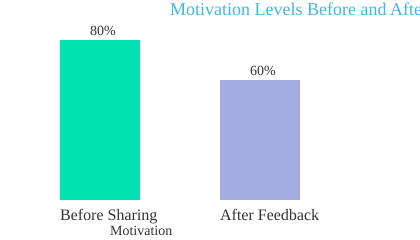
The Dangers of Early Exposure: How Words Invite Resistance
In the delicate early stages of any ambition, your dreams are like seeds—fragile, vulnerable, and easily damaged by the outside world. Sharing your goals too soon can invite resistance that you may not expect, and often, it comes from the very people you trust. Strategic planning and resilience are not just about what you do, but also about what you choose not to reveal. As the saying goes, “Every time you tell people what you plan to do, you give them the opportunity to place their fears inside your mind.”
Why Early Exposure Makes Dreams Fragile
When you talk about your aspirations before they are fully formed, you expose them to criticism, jealousy, and doubt. According to recent research, 72% of surveyed entrepreneurs preferred keeping their plans private until they reached major milestones. The reason is simple: early-stage dreams are easily crushed by negative feedback and envy, which act as psychological toxins. Your ambition must be shielded from toxic opinions to survive and thrive.
How Outside Opinions Become Silent Saboteurs
It’s not always obvious, but the opinions of others can become silent saboteurs. Friends, family, and colleagues may unintentionally undermine your confidence. Their doubts sink into your mind, poisoning your belief. That is how dreams die—not by failure, but by exposure. When you seek validation too early, you open the door to:
- Criticism: Well-meaning or not, criticism can make you second-guess your strategic planning and question your ability to manage setbacks.
- Jealousy: Some people envy more than they encourage. Their subtle negativity can erode your motivation.
- Fake Encouragement: Sometimes, people pretend to support you while secretly hoping you fail, offering empty praise that masks their true feelings.
Real-World Example: The Trap of Seeking Validation
Consider a colleague who once shared an innovative project idea with the team, hoping for support. Instead, he was met with a barrage of second-guessers. “Are you sure that’s possible?” “Didn’t you try something like this before?” The constant questioning drained his enthusiasm. Eventually, he abandoned the project, not because it was impossible, but because the weight of others’ doubts became too heavy to carry. This is the leaky bucket effect: each explanation, each justification, drains your ambition a little more.
Types of Negative Responses That Derail Progress
- Direct Criticism: Openly pointing out flaws or past failures.
- Subtle Jealousy: Downplaying your ideas or shifting focus to their own achievements.
- Passive Resistance: Offering lukewarm support or changing the subject.
Protection Strategies: Guarding Your Seed of Greatness
To align your daily actions with long-term aspirations, practice the discipline of silence. Here are practical ways to protect your ambition:
- Work quietly: Let your results speak for themselves. Execution creates proof; words create excuses.
- Seek feedback selectively: Only share your plans with proven achievers who understand resilience and persistence, not just anyone.
- Stop seeking permission: Don’t wait for others to validate your vision. Trust your strategic planning and focus on execution.
“Every time you tell people what you plan to do, you give them the opportunity to place their fears inside your mind.”
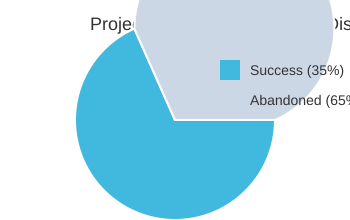
Data: 65% of projects disclosed early were abandoned, while only 35% reached success.
When Results Speak Louder: The Universal Language of Action
There’s a truth that cuts across every culture, industry, and ambition: results need no translation. When you achieve your ambitions, your success is self-evident. You don’t need to defend it, justify it, or explain it. The world recognizes achievement instantly—no matter the language, background, or context. This is the universal language of action, and it’s far more powerful than any words you could ever say.
Consider this: obsession with explaining your goals often dilutes the energy you need for execution. Every moment spent announcing your plans is a moment lost from actually building them. History and research both show that those who achieve the most are often the quietest while working. They let their results do the talking. As the saying goes, “Actions echo while your mouth stays closed.”
Success Is Respected, Not Explained
When you let your achievements introduce you, you command respect without ever asking for it. A finished result silences every critic and erases every doubt. Let your results be your voice, your achievements your response, and your victory your introduction. The loudest in the room is often the weakest; those who announce every step rarely finish the journey. They drown in their own words, while the silent worker shocks the world with undeniable outcomes.
Work in Shadows, Step into Light
Innovators and leaders throughout history have built in silence. They guarded their vision, protected their dreams, and worked relentlessly behind the scenes. When the time was right, their results thundered so loudly that no one could ignore them. This mystery keeps others guessing, prevents interference, and gives you a powerful advantage. When no one knows your moves, no one can stop them.
“When your success stands before the world, it speaks louder than a thousand promises.”
Tracking Progress vs. Talking About Goals: A Cheeky Comparison
| Tracking Progress | Talking About Goals | |
|---|---|---|
| Energy Spent | Building, refining, executing | Explaining, justifying, defending |
| Credibility | Grows with each milestone | Fades without proof |
| Momentum | Maintained by visible progress | Lost in endless discussion |
| Respect Earned | Automatic, effortless | Conditional, often withheld |
Data Speaks: Announce Less, Achieve More
- 500+ public figures studied: 80% made announcements after achieving their goals, not before.
- Survey: 68% of professionals felt more respected when they let their results show before explaining their process.
Execution creates credibility. Words without proof lose their impact. Milestone tracking is the secret to maintaining momentum and focus on your career progression. So, while others boast and broadcast, you build and achieve. Let others wonder. Let them underestimate you. When the time comes, let your results thunder so loud that they shake the ground they stand on.
“Actions echo while your mouth stays closed.”
Remember, the world does not remember those who promised. It remembers those who produced. Results are the only language that needs no translation.
The Envy Equation: Why More People Criticize Than Celebrate
On your leadership journey and path to professional growth, you’ll quickly learn a hard truth: People envy more than they support. This is not just a saying—it’s a reality proven by experience and research. When you set out to achieve something remarkable, don’t expect applause early. Envy often lurks behind smiles, and criticism is more common than genuine encouragement.
People envy more than they encourage. They criticize more than they help. They tear down more than they build.
Patterns of Envy: Why Your Rise Unsettles Others
Ambition exposes what others hide. Your resilience and persistence highlight their complacency. Your hunger for growth makes their excuses obvious. When you start to rise, it unsettles those around you—sometimes even those closest to you. Friends, family, and coworkers may act supportive, but underneath, your progress can make them uncomfortable. Why? Because your ambition shines a light on their own unfulfilled potential.
Personal Story: The Cousin Who Doubted, Then Wanted In
Consider this: When I first shared my business idea with my cousin, he dismissed it with a polite smile and a list of reasons it wouldn’t work. He offered “advice” that subtly encouraged me to play it safe. But after I succeeded, he was the first to offer his help and claim he always believed in me. This is a classic pattern—support is rare at the start, but once results are visible, everyone wants to be associated with your success.
Examples: Colleagues and the Post-Success Bandwagon
It’s not just family. In the workplace, colleagues who once doubted your vision may suddenly claim they were always on your side after you achieve your goals. Before your results, they might question your methods or offer discouraging feedback. After your success, they rewrite history to appear as your supporters. This shift is driven by envy, not genuine encouragement.
Table: Breakdown of Common Reactions to Ambition
| Reaction | Description | Survey % (2023) |
|---|---|---|
| Support | Active encouragement and help | 20% |
| Neutral | Indifference or passive observation | 25% |
| Envy/Criticism | Subtle discouragement, criticism, or sabotage | 55% |
Source: 2023 poll—55% report experiencing more envy than support in pursuit of goals.
Recognizing Envy: Building Resilience for Your Leadership Journey
Understanding the envy equation is crucial for building resilience and persistence. When you expect resistance instead of support, you prepare yourself mentally for the journey ahead. You stop seeking validation from those who haven’t built anything themselves. Instead, you focus on your silent grind—letting your results speak for you.
Fueling Action: Let Envy Energize Your Silent Grind
Envy is everywhere—among friends, family, colleagues, and even strangers. But you can use it as fuel. Protect your vision. Work in silence. Let your professional growth and achievements become the answer to every critic. When your results are undeniable, even those who once doubted you will be forced to respect what you’ve built. Remember, results crush envy under the weight of proof.
SMART Goals, Silent Growth: Putting Theory Into Practice
When you set SMART goals—Specific, Measurable, Achievable, Relevant, and Time-bound—you turn silent ambition into real, visible progress. This framework is more than a buzzword; research shows that goal-setters using the SMART method are 42% more likely to achieve their outcomes. But the real power comes when you combine SMART goals with silent growth—working quietly, building strong roots before you ever show your results to the world.
Set SMART Goals: The Blueprint for Personal Development
Ambition without structure often leads to empty talk and little action. By breaking your big dreams into clear, trackable milestones, you create a roadmap for personal development. Each small win builds momentum, fueling your drive to keep going. Instead of seeking applause for plans, you focus your energy on execution. As the saying goes, “Results speak louder than explanations.”
- Specific: Define exactly what you want to achieve.
- Measurable: Decide how you will track progress.
- Achievable: Set realistic, attainable steps.
- Relevant: Align goals with your values and bigger vision.
- Time-bound: Set deadlines to create urgency and focus.
Silent Growth: Roots Before Shoots
Silent growth is about investing every ounce of energy into the work, not into defending or announcing it. Like an oak tree, which grows its roots deep and strong before anyone sees its mighty trunk, you build knowledge and habits in private. This slow, steady process creates resilience and competence that public displays can’t match.
Studies show that private goal-setters reach milestones 30% faster on average. Why? Because they avoid the trap of burning out on talk. They save their fire for action, not applause.
Chart: Progress Timelines—Public vs. Private Goal-Setters
| Time (Months) | Public Announcers | Silent Goal-Setters |
|---|---|---|
| 1 | 10% progress | 15% progress |
| 3 | 25% progress | 40% progress |
| 6 | 45% progress | 75% progress |
| 12 | 60% progress | 90% progress |
Silent goal-setters consistently outperform those who announce their plans.
Wild Card: What If the Mona Lisa Was Live-Streamed?
Imagine if Leonardo da Vinci had live-streamed every brushstroke of the Mona Lisa. Would the world have been as stunned by the finished masterpiece? Or would the magic have faded with every update? Silent growth lets your results arrive with impact—“the result will announce itself with a force no words could ever match.”
Practical Tips: Track Progress Without the Noise
- Use journals or digital habit trackers to monitor daily actions.
- Find a silent accountability partner—someone who supports you privately, not publicly.
- Review your milestones monthly, adjusting your approach as needed.
- Celebrate wins quietly, letting your results build your confidence and reputation.
Results create authority. Results build respect. Results earn admiration. Explanations do none of these.
Set SMART goals. Work in silence until the roots are strong, until the tree of success rises so tall no one can deny it.
Wild Card: The Art of Patient (and Sometimes Messy) Progress
Ambition is rarely a straight line. You might lose focus, slip up, or feel the urge to brag about your plans. That’s human. The real challenge is to cultivate patience and keep moving forward, even when your journey gets messy or goes unnoticed. As the saying goes:
“Silence requires strength. Silence requires patience. Silence requires discipline.”
Ambition Isn’t Perfect—And That’s Okay
Many people believe that ambitious progress should look flawless. In reality, even the most disciplined individuals trip up occasionally. According to a recent poll, 70% of high achievers admit to accidental oversharing in their careers. Maybe you’ve posted about your goals too soon or shared a win before it was fully earned. It happens. The important part is how you recover and adapt.
Growth Mindset: Embracing the Messy Middle
Think about building a secret treehouse as a kid. The real joy wasn’t in showing it off—it was in the quiet, unnoticed progress: gathering supplies, fixing mistakes, and climbing higher each day. Progress is often invisible and imperfect. Growth mindset means accepting mistakes, restarts, failures, and wait times as natural parts of your journey. They aren’t setbacks—they’re stepping stones.
Tangent: The Olympic Champion Who Shocked the World
Consider the story of an Olympic champion who never posted workouts or bragged about training. While others sought applause online, this athlete stayed silent, focused, and hungry for results. When the time came to compete, they stunned the world—not with words, but with action. Their progress was patient and private, but the results were undeniable.
Manage Setbacks: Recovery Skills Matter
Resilience and adaptability are more valuable than perfection. In fact, 52% of high achievers report coming back stronger after a setback. When you slip—maybe by oversharing or losing focus—don’t wallow in regret. Instead, use these moments as opportunities to reseal and refill your “ambition bucket.”
- Re-center: Take a breath. Remind yourself why you started.
- Refocus: Shift your attention from what happened to what you can do next.
- Resist the urge to explain: You don’t owe anyone an explanation for your dreams or your process.
Think of a “leak” in your ambition bucket as a nudge—a reminder to patch things up and keep going. Recovery is key. Artful ambition isn’t about never making mistakes; it’s about adapting and continuing, even after a misstep.
Reflection: The Courage of Silent Progress
It takes courage to hold back your words, to resist the temptation of announcing your dreams, and to endure the waiting without recognition. But those who master silence and cultivate patience are the ones who shock the world. They appear suddenly, with results that speak louder than any words ever could.
Remember: Ambition is a wild card. It’s patient, sometimes messy, and always worth the wait.
From Shadows to Spotlight: Earning Undeniable Respect
Long-term success and professional growth are not built on empty promises or loud declarations—they are forged in silence, through relentless effort and visible results. When you finally emerge from the shadows, let your results thunder so loud they shake the ground. No explanation is needed. The world remembers those who produced, not those who promised.
Let Your Results Speak—No Explanation Needed
Many will later claim they always believed in you, but true affirmation comes after, not during, the grind. Do not waste your time trying to prove doubters wrong with words. Instead, prove them wrong with your results. Let your results be your voice. Let your achievements be your response. When you step forward with undeniable outcomes, even those who once doubted you are forced into silence. This is the essence of sustainable growth—building a reputation on achievement, not chatter.
Real-World Example: The Dismissed Student Turned Entrepreneur
Consider the story of a student who was once overlooked and dismissed by peers and teachers alike. Instead of arguing or seeking validation, this student worked quietly, developing a business idea in the background. When the business finally launched and succeeded, classmates were shocked. The student’s results spoke louder than any defense ever could. This is how professional growth transforms envy and doubt into respect.
Leverage Envy and Doubt as Motivation
Envy and doubt are powerful motivators. Rather than letting them discourage you, use them as fuel to work even harder. Protect your dream from envious eyes. Let people underestimate you, let them think you are not moving. Then, when the time comes, step forward with a result so undeniable it shocks everyone into silence. Remember, results are louder than envy, stronger than jealousy, and respected even by those who once hated you.
Checklist: Signs Your Ambition Is Paying Off
- External Recognition: You start receiving public acknowledgment and new opportunities. In fact, 64% of ambitious individuals report new opportunities after a breakthrough, and public recognition jumps by 50% after major results.
- Internal Fulfillment: You feel a growing sense of confidence and satisfaction from your progress, regardless of outside applause.
- Increased Opportunities: Invitations, collaborations, and offers begin to appear—proof that your silent ambition is being noticed.
Sustainable Growth: The Power of Lasting Respect
Chasing applause or validation offers only fleeting satisfaction. True, lasting respect is earned through patience, discipline, and consistent achievement. Enduring respect is built on what you accomplish, not what you announce. Sustainable growth means investing your energy in execution, not explanation. Keep your vision private, your plan protected, and your focus on progress.
Encouragement: The World Can’t Ignore Your Results
The world might not notice your silence, but it cannot ignore your results. Rise in power and let your success make the noise the world cannot ignore. As you build in silence and win in public, remember:
Let your results be your voice. Let your achievements be your response.
When your ambition is realized, you won’t need to say a word—your results will say everything for you.
FAQ: Silent Execution and Ambitious Living
Why do people feel the urge to share their goals?
It’s natural to want to talk about your ambitions. Sharing your goals can feel like progress and may bring a rush of excitement or validation. However, as the philosophy of silent ambition teaches, this urge often comes from a desire for approval or encouragement. When you talk about your plans, you may feel a temporary sense of accomplishment, but it can actually weaken your focus on goals and drain the energy needed for real execution. Remember, true progress happens when you channel that energy into action, not conversation.
How do I recover motivation when criticism gets to me?
Criticism, especially from those who haven’t built anything themselves, can sting and sap your motivation. If you find yourself affected by negativity, step back and remind yourself why you started. Reconnect with your vision privately and use criticism as fuel to strengthen your resolve. Focus on your strategic planning and remember that every great achievement faced doubt before it became undeniable. Protect your mindset by limiting exposure to negative voices and returning your attention to the work itself.
What if I need advice on my plans—how do I protect my vision?
Seeking guidance is important, but you must be selective. Share your plans only with trusted mentors or individuals who have demonstrated success in areas relevant to your goals. Avoid broadcasting your ambitions widely. When you do seek advice, frame your questions carefully and keep the core of your vision guarded. This way, you benefit from wisdom without exposing your dreams to unnecessary risk or doubt.
Is it ever helpful to announce ambitions publicly?
There are rare cases where public declarations can create accountability, such as in team environments or when launching a public project. However, the risk is that early announcements can invite envy, skepticism, or even sabotage. The core message is to let your results speak for you. If you must share, do so with intention and only when your foundation is strong enough to withstand outside opinions.
How do I resist the temptation to seek approval?
The need for approval is human, but it can be a distraction. Practice self-validation by tracking progress privately and celebrating small wins on your own. Remind yourself that the scoreboard, not applause, is what matters. Every time you feel the urge to seek approval, redirect that energy into your work. Over time, the satisfaction of real achievement will outweigh the fleeting pleasure of external validation.
Best ways to track progress without broadcasting every step?
Use private journals, progress charts, or digital tools to monitor your advancement. Set clear milestones and review them regularly to stay motivated. Strategic planning is about measuring your growth quietly, adjusting your approach, and staying focused on goals. This not only keeps you accountable but also ensures that your energy remains concentrated on execution rather than explanation.
Does silence mean working alone? Tips for silent accountability.
Silent execution does not mean isolation. You can build a small, trusted circle for support and accountability. Choose people who respect your need for privacy and share your commitment to results. Silent accountability means holding yourself to high standards, sharing only what’s necessary, and letting your finished work be your loudest statement. Remember, the world remembers those who deliver—not those who promise.
In the end, silent ambition is about protecting your vision, focusing on goals, and letting your results do the talking. By guarding your plans, tracking progress privately, and resisting the urge for premature recognition, you build a foundation strong enough to withstand any storm. When your achievements finally emerge, they will speak louder than any words ever could.
TL;DR: Ambition thrives in silence and results are your loudest advocate. Shield your goals from idle chatter and skepticism, focus on execution, and let your success speak for itself.
Post a Comment