
Picture this: You're hustling every evening, squeezing survey sites between dinner and bedtime, or stumbling through dropshipping. But despite all those extra hours, your paycheck still feels like pocket change. Been there, right? I remember, back in my days of cold calls and endless emails, thinking there had to be something more. The twist? The very skills I used to dread became my ticket out of the grind—and could be yours too. Let's pull back the curtain on why most side hustles disappoint, and why betting on yourself with high-ticket offers is the smarter path (even if you think you have 'nothing to sell').
1. The Secret Flaw in Most Side Hustles (And Why No One Talks About It)
Everywhere you look online, people are talking about Side Hustles. The promise is simple: work a few extra hours a week, and you’ll have more money in your pocket. But here’s the secret flaw that almost nobody mentions—most common side hustles are built on low-value, high-volume activities that rarely pay off in a meaningful way. Instead of unlocking financial freedom, you’re often just trading your time for less than minimum wage.
Common Side Hustles: The Numbers Don’t Lie
Let’s break down the most popular side hustles and see what they really pay:
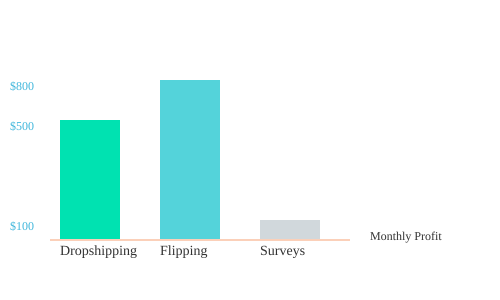
- Dropshipping: After expenses, most beginners make just $200–$500 per month. The competition is fierce, and unless you’re an expert in ads and e-commerce, you’re up against people with massive budgets and experience.
- Flipping Products (eBay, Craigslist): If you’re lucky and have a knack for spotting deals, you might make $300–$800 a month. But this takes hours of searching, buying, listing, and waiting for sales.
- Survey Sites: These are the lowest paying of all. You might earn $50–$100 a month, spending hours clicking through mindless forms. That’s less per hour than most fast-food jobs.
Surprising Math: Side Hustles vs. Minimum Wage
Here’s the reality check. Most people spend 15–20 hours a week on these side hustles. That’s about 80 hours a month. If you’re making $500–$1,000 a month, your hourly rate is just $6–$12. In many places, that’s less than flipping burgers at McDonald’s.
'You think you're free because you're doing your own thing, but you're making less than you would flipping burgers.'
The Hidden Truth: Your Skills Are Worth More
What’s even more surprising is that most people already have skills that could command far higher rates. Maybe you’re great at sales, design, writing, or tech support. But instead of packaging these skills into a high-value service, you’re grinding away for “lunch money.” The time investment is the same, but the outcome is completely different.
It’s a common trap: People underestimate the value of their own expertise. You might think, “Nobody would pay me for what I know.” But that’s exactly what I thought years ago, stacking up side gigs and hustling after my 9-to-5. It wasn’t until I started offering my sales skills as a premium service that everything changed. Suddenly, one client could pay me more than months of dropshipping or flipping ever did.
SVG Chart: Comparing Side Hustle Profits & Hourly Rates
Key Takeaways
- Most side hustles pay $6–$12 per hour—less than many entry-level jobs.
- People spend 80+ hours a month for “extra” money, not realizing their skills could earn thousands with the right Monetization Strategies.
- Focusing on Premium Clients and a smart Pricing Strategy can turn your existing skills into a real income stream.
2. Why Building A Business Beats Building a Side Hustle: The Mindset Shift
If you’ve ever hustled for quick cash—flipping products, doing surveys, or running a booth at a weekend event—you know the grind. Side hustles are everywhere, but most are built for short-term gain, not long-term value. The real shift happens when you stop thinking like a hustler and start thinking like a business owner, especially in the world of High Ticket Sales and Small Audience Monetization.
Short-Term Hustle vs. Long-Term Business
Side hustles often focus on immediate results: a few bucks here, a gig there. But these efforts rarely build anything lasting. A true business, especially one built around a Personal Brand or High Ticket Products, is about creating value that compounds over time. You’re not just earning money—you’re building skills, assets, and a reputation that can pay off for years.
Story Time: The Matcha Ice Cream Stand Failure
Let’s get real. When I quit my 9-5, I tried launching a matcha pop-up ice cream stand. It sounded fun, but it was a financial disaster. I spent about $6,000 just to rent booths at summer events in California, hoping to sell $7 matcha ice creams. Between hiring staff, buying inventory, and competing with experienced vendors, I lost money at every event. Sometimes, I’d lose $1,000 in a single weekend. It got so bad that I’d go to the last few events just to lose less—maybe $500 instead of $1,000. As I put it then:
'After I lost thousands running an ice cream stand, I vowed to never do physical again.'
This experience taught me a hard lesson: physical side businesses can eat cash fast, and the grind rarely leads to scalable success.
Why Digital, Brand-Driven Businesses Win
After that loss, I knew I needed a business model that didn’t require inventory, rent, or a local presence. That’s when I shifted to selling my knowledge online—courses, coaching, and consulting. The difference was night and day. With digital products, you can reach anyone, anywhere, and your costs stay low. Plus, building a Personal Brand online means your work compounds. For example, my early YouTube videos barely got 30 views each, but over time, those same videos helped snowball my income into six figures.
Passion Projects Plant Seeds for the Future
When you build a business around your expertise or passion, you’re planting seeds for future income and fulfillment. A side hustle is often just a transaction; a business is an investment in yourself. With the right skills and a focus on high ticket offers, you can monetize even a small audience and create recurring, higher-margin income.
Physical vs. Digital: The Numbers
| Model | Upfront Cost | Scalability | Income Potential | Flexibility |
|---|---|---|---|---|
| Matcha Ice Cream Stand | ~$6,000 lost at events | Limited by location/events | Low (lost money) | Low (fixed hours, staff) |
| Online Personal Brand (YouTube) | Minimal (camera, time) | Global, exponential | Six figures (from 30-view videos) | High (work anywhere, anytime) |
| Full-Time Job | None (but 40 hrs/week) | Fixed salary | Stable, capped | Low (fixed schedule) |
Building a business—especially online—lets you scale, earn more, and work on your own terms. The mindset shift from hustler to business owner is the first step to making High Ticket Sales and leveraging Small Audience Monetization work for you.
3. The High Ticket Alternative: What Is It and Why Does It Work So Well?
If you’ve been hustling with low-paying gigs or random side hustles, it’s time to consider a game-changing approach: high ticket sales. Instead of selling your time for small amounts, you can package your expertise into high-value offers—like courses, coaching, or consulting—sold for $2,000–$5,000+ each. This shift not only increases your income but also transforms how you work and the clients you attract.
What Are High Ticket Services?
High ticket services are offers—such as high ticket coaching, consulting, or online courses—that deliver a specific outcome or transformation for your client. The price point is much higher than typical freelance work or digital products, often starting at $2,000 and going up from there. These services are delivered 100% online, so you don’t need to travel or manage physical inventory. All you need is your knowledge, a camera, and a way to connect with clients.
Value-Based Pricing: Charge for Results, Not Hours
The secret behind high ticket sales is value-based pricing. Instead of charging by the hour, you price your offer based on the transformation or result you deliver. Premium clients are willing to pay more for speed, quality, and proven outcomes. For example, if you can help someone land a six-figure job or rapidly grow their business, the value of your service far exceeds the time you spend delivering it.
Low Expenses, High Profit Margins
One of the biggest advantages of high ticket offers is the low overhead. You can get started with as little as $200 for a camera and basic lighting. There’s no need for expensive inventory, staff, or physical locations. As one expert puts it:
'You just need the knowledge in your head, a camera, talk in front of it, get on calls with people—that's pretty much it.'
This means that most of your revenue is pure profit, aside from basic living expenses.
Your Experience Is More Marketable Than You Think
Many people underestimate the value of their professional and life experience. Whether you’ve worked in tech sales, fitness, relationships, or another field, there are people who want to learn from you. By packaging your unique skills and insights, you can create high ticket offers that people will pay thousands for. Even everyday skills can be turned into a valuable service or course with the right positioning.
Transformation Stories: Real Results, Real Impact
Transformation stories and social proof are key to high ticket sales. For example, one coaching client, Jiovon, was able to quit her tech sales job and start earning $6,000–$7,000/month within two months of launching her high ticket coaching offer. These stories not only build credibility but also justify your pricing and help convert leads faster. When prospects see real people achieving real results, they’re more likely to invest at a premium level.
Simplified Marketing and Sales Process
Marketing high ticket services is straightforward. You create relevant content that showcases your expertise, link to a booking page, and close clients by phone or video call. There’s no need for complicated funnels or massive ad budgets. Your focus is on building trust, demonstrating value, and guiding prospects to a clear outcome.
When you make the high ticket shift, you move from selling your time to selling transformation. This not only increases your income but also brings more fulfillment and impact to your work.
4. Numbers Don’t Lie: Side Hustle Math vs. High Ticket Income (Let’s Get Real)
Let’s break down the real numbers behind your side hustle and compare them to what’s possible with a high ticket pricing strategy. If you’re putting in the hours but not seeing the income you want, the math might surprise you.
Side Hustle Reality Check: The True Value of Your Time
Most people start a side hustle dreaming of freedom and extra cash. But here’s the truth: the average side hustle brings in around $500 to $1,000 a month. Sounds decent—until you do the math.
- Average hours spent: 20 hours per week x 4 weeks = 80 hours/month
- Average monthly income: $500–$1,000
- Hourly rate: $6–$12/hour
That’s less than what you’d make at many entry-level jobs. As one entrepreneur put it:
“You’re still selling your time for money, but just for way too cheap.”
You might feel independent, but if you’re making less than fast food workers, it’s time to rethink your approach.
High Ticket Sales: The Game Changer
Now, let’s look at a high ticket service model using value based pricing. Suppose you spend the same 20 hours per week (80 hours/month), but instead of chasing dozens of small gigs, you focus on landing just two clients a month at $3,000 each.
- Clients per month: 2
- High ticket product price: $3,000/client
- Total monthly income: $6,000
- Hourly rate: $75/hour
That’s over six times the average side hustle rate. And as your skills and reputation grow, your rates can climb to $300–$500/hour or more.
| Model | Monthly Hours | Monthly Income | Hourly Rate |
|---|---|---|---|
| Side Hustle | 80 | $500–$1,000 | $6–$12 |
| High Ticket Service | 80 | $6,000 | $75 |
| High Ticket (Growth) | 80 | $24,000–$40,000 | $300–$500 |
Brand Power: The Multiplier Effect
When you focus on high ticket sales and value based pricing, you’re not just earning more per hour—you’re building a personal brand. Early on, your YouTube videos or LinkedIn posts might get just 30 views. But with consistency, the algorithm (and your audience) starts to notice. Testimonials stack up, demand grows, and you spend less time pitching and more time delivering value.
As your authority grows, so does your pricing power. Suddenly, $300+/hour isn’t a dream—it’s your new normal.
Looking Back: Would You Bet on Yourself Sooner?
Ask yourself: If you could go back, would you stick with the hustle, or shift to high ticket sooner? The numbers don’t lie. With the right pricing strategy and a focus on high ticket products, your time becomes exponentially more valuable—and your earning potential skyrockets.
5. Crafting Your High Ticket Offer: Packaging, Pricing, And Positioning
When your side hustle isn’t paying off, it’s often because you’re not packaging your expertise for maximum impact—or pricing it to reflect the transformation you deliver. Making the high ticket shift means thinking strategically about how you present, price, and position your offer. Here’s how to get started:
Start With the One Result You Deliver Best
Begin by identifying the single, powerful outcome you can help clients achieve. Whether it’s a career change, mastering sales skills, or transforming relationships, your offer should promise a clear, valuable result. Remember, people pay for outcomes, not just information. As one expert says, “Showcasing transformation through client success stories helps buyers visualize the value.”
Bundle Your Expertise Into Specific Offers
Your knowledge can be packaged in several ways:
- Courses: Pre-recorded or live, teaching your step-by-step method.
- Coaching: One-on-one or group sessions guiding clients through transformation.
- Consulting: Personalized strategies and feedback for clients’ unique situations.
- Bundled Packages: Combine elements (e.g., course + coaching) for higher perceived value.
Choose the format that best fits your expertise and your audience’s needs.
Tiered Pricing and Value Stacking
Implementing a tiered pricing strategy lets you serve multiple client segments without diluting your premium positioning. For example:
| Package | Price | Includes |
|---|---|---|
| Basic | $2,000 | Online course + group Q&A |
| Pro | $3,500 | Course + group coaching + resources |
| Elite | $5,000+ | All above + 1:1 consulting + ongoing support |
This approach, known as value stacking, expands your reach and maximizes revenue while maintaining exclusivity for top-tier clients.
Map Your Value Proposition to Client Outcomes
Your value proposition should focus on the transformation your client will experience—not just a list of features. Conversion depends on perceived outcomes. Use testimonials and client stories to highlight real-world results. As research shows, “Conversion depends on perceived transformation, not feature lists.”
Landing Pages and Personal Branding
Your landing page is your digital storefront. High-converting landing pages include:
- Clear, benefit-driven headlines
- Video introductions to build trust
- Testimonials and social proof
- Simple calls-to-action
Personal branding—sharing your journey, expertise, and client wins—builds credibility and trust. Remember, your online presence speaks volumes before you ever get on a call.
Thoughtful Follow-Up
After someone expresses interest, keep leads warm with recap emails, check-ins, and value-driven follow-ups. This personal touch can make the difference in closing high ticket sales.
Showcasing transformation through client success stories helps buyers visualize the value.
6. Getting Clients: Magnetic Marketing (Even If You Hate Selling)
If your side hustle isn’t paying off, the missing link is often client acquisition. The good news? You don’t have to be a natural-born salesperson to succeed. The secret is a High Ticket Marketing Strategy that draws clients to you—magnetically—using content, personal branding, and smart follow-up. Here’s how to make it work, even if you hate selling.
Magnetic Content: Attract, Don’t Chase
Forget cold DMs and awkward pitches. Instead, create content that pulls your ideal clients in. Share stories about your journey, teach what you know, and document client wins. This isn’t just about showing off—it’s about taking your audience on a journey from awareness to transformation. As one expert puts it:
“If you can get on a call and show someone the transformation, you’re already halfway there.”
Pick platforms that play to your strengths. Love talking? Try YouTube or Instagram Stories. Prefer writing? LinkedIn or blog posts work wonders. The key is consistency. Each post, video, or story grows your influence and trust. Even a video with 30 views today can snowball to thousands over time, bringing in premium leads as your audience grows.
Client Acquisition Strategies: Make It Simple
- Direct Call-to-Action: Every piece of content should include a clear next step. For example: “Book a call with me to learn more.” Place the link in your bio, video description, or post.
- Personal Branding: Put your name and face out there. Unlike a faceless online store, your personal brand attracts inbound prospects who already trust you—no cold pitching required.
- Show, Don’t Just Tell: Use video testimonials and real client stories. These build trust faster than any portfolio or resume ever could.
Follow Up Strategies: Nurture, Don’t Nag
Most high-ticket clients don’t say yes on the first touch. Research shows it takes an average of 2-3 touchpoints before a premium client commits. Here’s how to follow up without feeling pushy:
- Recap Emails: After a call, send a summary with next steps and extra resources.
- Secondary Calls: Offer a quick follow-up chat to answer questions or clarify details.
- Add Value: Share relevant articles, case studies, or quick wins to keep the conversation alive.
Premium Conversions: The Wild Card
Struggling to craft your offer? Try this: Pitch it to an imaginary version of your past self. What would have hooked you in? This exercise helps you speak directly to your audience’s real pain points and desires, making your offer irresistible.
Organic Growth: The Snowball Effect
Every piece of content you create is an investment. As your library grows, so does your authority. Over time, your High Ticket Marketing Strategy becomes a client magnet—bringing in leads, building trust, and converting at a premium level.
7. Real-World Transformations: Proof That Your Skills Matter
Transformation stories are the backbone of high ticket coaching and premium client attraction. They show that real people—just like you—have taken their everyday skills and turned them into thriving, freedom-based businesses. Buyers aren’t looking for a checklist of features; they want outcomes. Seeing before-and-after scenarios helps prospects envision their own transformation, which is why sharing these stories is so powerful.
From Tech Sales Rep to High Ticket Coach
Take Jiovon, for example. She started out as a tech sales rep, working a regular 9-to-5. Like many, she had valuable experience but didn’t realize its true worth. After learning the high ticket playbook, she began helping others break into tech sales—something she already knew inside and out. Within her first two months, Jiovon started charging thousands of dollars per client. Soon after, she quit her full-time job, went all in on coaching, and now earns $6,000–$7,000 a month. The best part? She’s doing this while traveling the world—she was just in Milan last month. This is the power of packaging your expertise for premium clients.
'Sometimes the skills you use every day are worth thousands—you just haven’t packaged and sold them yet.'
You’re Closer Than You Think to Your Own Turnaround
Jiovon’s story isn’t unique because of her background—it’s unique because she took action. You might be just 2-3 steps away from your own big turnaround. Don’t underestimate the value of experience you’ve gained from work, hobbies, or even the advice you give friends. Imagine if you packaged that advice—on career moves, fitness, or relationships—into a high ticket starter offer. That’s often all it takes to attract premium clients who are eager for your help.
Everyone Starts Small—Momentum Compounds
It’s easy to look at success stories and think they started with a huge audience or fancy equipment. In reality, most high ticket coaches begin with humble numbers. Jiovon’s first YouTube videos had just 30 views. But those early steps, repeated and refined, compound into real business momentum. Each launch and every bit of feedback helps you improve your offer and attract higher quality clients—who are willing to pay more for proven results.
Share Your Journey—Wins and Losses
Don’t be afraid to share your transformation publicly, even if it includes failures. This transparency makes your brand relatable and trustworthy. When prospects see your journey, they believe their own transformation is possible. Each story you share, each testimonial you post, justifies your premium pricing and positions you as a leader in your niche.
- Success stories are your best marketing—demonstrate, don’t just claim results.
- Transformation over features: buyers want outcomes, not a list of tasks.
- Every launch or refinement attracts higher quality, premium clients.
Real transformation stories prove that anyone can upgrade their earning power by packaging and selling the expertise they already have. Your skills matter—and with the right approach, they can become your ticket to freedom and financial growth.
Conclusion: Bet On Yourself—Your Knowledge Is Your Next Big Asset
Most side hustles promise freedom, but in reality, they can feel like running on a treadmill—lots of effort, little progress. If you’ve ever wondered why your side hustle isn’t paying off, it’s time to look at a new path: High Ticket Sales and Monetization Strategies that focus on your unique knowledge. The real shift happens when you stop trading time for small payouts and start packaging what you know into High Ticket Offers that deliver real transformation for clients.
Side Hustles: The Treadmill vs. The Staircase
Let’s be honest—side hustles often keep you busy but rarely build lasting leverage. You might start making some money within a couple of months, just like many creators on YouTube, but the real breakthrough comes when you climb the staircase of high ticket offers. Instead of endless small gigs, you focus on fewer, higher-value clients who pay for your expertise and results.
Leverage What You Already Know
Here’s the secret: What feels ordinary to you can be extraordinary to someone else. The skills, experiences, and insights you take for granted are exactly what someone else is willing to pay a premium for. The key is to identify and package this knowledge in a way that solves a real problem for your ideal client.
- Start by listing what friends and colleagues ask you for help with. These requests often reveal hidden, monetizable value.
- Don’t overlook your everyday expertise. Even if it seems basic to you, it can be life-changing for someone else.
Progress Isn’t Instant—But It Compounds
Building a high ticket business doesn’t happen overnight. Expect humble beginnings. Your first offer might not sell out, and your first client might be a friend. But if you stick with it, growth can be exponential. Each step you take compounds, and soon you’ll see the difference between chasing small wins and building real leverage.
Betting on yourself sounds risky, but it’s actually the safest play when your skills become your business.
Practical Steps to Get Started
- List your strengths. What do people come to you for?
- Package your knowledge. Turn your expertise into a clear, results-driven offer.
- Position yourself. Show up where your ideal clients are and speak to their needs.
- Persist. The only thing between you and high-ticket clients is packaging, positioning, and a little persistence.
Transformation Over Transactions
When you focus on transformation, not just transactions, you create sustainable success. High ticket sales aren’t about charging more for the same work—they’re about delivering deeper results and building lasting relationships. Remember, it’s never the “perfect” time to begin. Action compounds, and your next big asset is already within you—your knowledge, your experience, and your willingness to bet on yourself.
Frequently Asked Questions (FAQ): High Ticket Offers vs. Side Hustles
What makes a skill ‘high-ticket’ sellable?
A skill becomes “high-ticket” when it solves a meaningful problem or creates a major transformation for someone—think career advancement, business growth, or life improvement. High ticket sales are about impact, not just effort. If you can help someone land a better job, close more deals, or achieve a breakthrough (using skills from your own job or life), you have the foundation for a high-ticket offer. The key is focusing on outcomes that matter, not just tasks. As the narrator says, “You’re not selling your time—you’re selling results.”
How do I pick my first high-ticket offer?
Start by identifying where you’ve delivered real results—at work, in your side projects, or even helping friends. What do people ask you for advice about? The best high ticket client acquisition strategies begin with offers that match your biggest impact: helping someone land a job, master a skill, or solve a costly problem. Test your idea with a few beta clients, gather feedback, and refine your pricing strategy as you go. Remember, your first offer doesn’t have to be perfect; it just needs to deliver clear value.
Do I need a big online following to start selling services?
No, you don’t need thousands of followers to land high-ticket clients. In fact, many successful coaches and consultants start with small audiences. What matters most is a clear offer, targeted outreach, and a focus on value. As the narrator puts it,
“You don’t need a viral audience—just a clear offer and steady outreach.”Even a handful of engaged viewers or connections can lead to your first clients if you solve the right problem and communicate your value well.
Is there a risk in switching from side hustles to high-ticket services?
Every new venture has risks, but the biggest risk with traditional side hustles is wasting time for little reward. High-ticket services require you to step up, but the upside—scalable income, personal branding, and true freedom—far outweighs the risk. Start by building your business on the side, validate your offer, and transition as you gain traction. The real danger lies in staying stuck trading hours for “lunch money” instead of building something sustainable.
How do I handle impostor syndrome when pricing myself higher?
It’s normal to feel self-doubt, especially when raising your rates. Focus on the real results you’ve delivered and the transformation you can offer. Collect testimonials, case studies, or even feedback from beta clients to build confidence. Remember, clients pay for outcomes, not just your time. The more you see the impact of your work, the easier it becomes to own your value and set premium prices.
What platforms are best for launching a personal brand business?
YouTube is a powerful starting point for personal branding, thanks to its searchability and evergreen content. Combine it with a simple booking link (like Calendly) and basic tools (Google Docs, Sheets) for tracking leads. You don’t need fancy tech—just consistency and a willingness to put your face and expertise out there. Over time, your content builds trust and authority, driving high ticket client acquisition organically.
How can I keep improving and charging more over time?
Continuous improvement is key. Gather feedback, refine your offer, and share new insights as you grow. Even with a small audience, clear value and ongoing learning will help you raise your rates and attract better clients. Focus on delivering results, building your personal brand, and staying visible. The more you help others achieve big wins, the more you can charge—and the more your reputation grows.
In conclusion, making the shift from low-value side hustles to high-ticket offers is about leveraging your unique skills, building a personal brand, and focusing on real results. You don’t need a massive audience or perfect tech—just a clear offer, steady outreach, and a commitment to learning. If you’re ready to escape the “amateur hour” and build lasting wealth, start by packaging your expertise and betting on yourself. The transformation starts with one step—and your future clients are waiting.
TL;DR: Traditional side hustles often waste your time for little money. By leveraging your skills into high-ticket offers, you can work smarter, earn significantly more, and build lasting success. Ditch the low-value grind—your expertise is worth real money.
Post a Comment