
Let me kick things off with a confession: my first digital product was a total flop. I launched a downloadable recipe guide with all the confidence of a reality TV contestant—only for it to sell exactly three copies, two of which my mom bought. Ouch. But here's the wild part: that hilarious misadventure taught me more about digital sales than any 'ultimate guide' ever could. So whether you're a Canva rookie or a seasoned side hustler, this post is your invitation to skip the empty hype and learn what it really takes (including the mistakes!) to start selling digital products online—and keep the cash flowing while you sleep.
1. The Unexpected Perks and Pitfalls of Digital Product Business (a.k.a. Why I Once Sold My Own Email List by Accident)
Selling digital products is one of the most beginner-friendly ways to start an online business. With the digital product business model, you can create something valuable in just a few hours and sell it over and over—sometimes for 5 to 10 years. The best part? There’s no inventory, no shipping, and almost no overhead. If you use free traffic sources, your profit margins can be close to 100%.
- Passive income digital products: Design once, earn for years. Many creators report earning $10K–$100K annually as the market grows into 2025.
- No inventory headaches: You never have to worry about stock, storage, or shipping delays.
- Near-100% profit margins: Using organic marketing, almost every dollar you make is profit.
- True asset creation: “You’re not just creating a digital product, you’re building an asset that makes passive income for years.”
But there are pitfalls you should know. The first is overcomplicating things. Many beginners get stuck trying to invent the next big thing or chase “life-changing” niches. In reality, simple solutions to everyday problems often sell best. Another common mistake is undervaluing your own work—pricing too low or giving away too much for free.
And yes, mistakes happen. Once, while setting up a bundle offer, I accidentally included my entire email list as a downloadable file. Thankfully, a friendly customer flagged it before any damage was done. This taught me to double-check every product package—digital products are easy to duplicate, but that means errors can multiply fast.
The digital product business model is scalable and requires little to no upfront investment. You can start with a simple PDF, template, or mini-course. The key is to focus on value and smart marketing, not hype. Remember, selling digital products is about building assets, not just chasing quick cash.
“You’re not just creating a digital product, you’re building an asset that makes passive income for years.”
2. Finding (and Validating) Your Digital Product Idea: A Crash Course in Imperfect Inspiration
Let’s bust a myth right away: your digital product idea doesn’t have to change the world. It just needs to solve a clear problem for someone. Whether it’s an ebook, a set of printable planners, a recipe collection, or a Canva template, digital products are simply non-physical items people buy to make their lives easier, more productive, or more fun. “Your niche doesn’t have to be revolutionary—just necessary.”
Leverage What You Already Know
Don’t overthink it. You already have skills or interests that can translate into digital product ideas. Maybe you’re a whiz at making PowerPoints or designing flyers in Canva—those skills are valuable! You can teach others or create templates for them. The key is to focus on what you do well, even if it feels ordinary to you.
Popular Digital Product Ideas
- eBooks & PDF Guides
- Templates & Printables
- Online Courses & Tutorials
- Recipes & Meal Planners
- Consulting & Coaching Sessions
- Games & Interactive Tools
Validation: The Secret Ingredient
Before you dive in, validate your digital product idea. Research TikTok, Instagram, and Pinterest for real-world examples. See what’s trending, what people are buying, and how creators are marketing their products. Never copy—get inspired! Validation isn’t about perfection; it’s about making sure there’s genuine interest and demand. Studies show that validating ideas before launch significantly boosts product-market fit.
Identify Your Target Audience Early
Who is your ideal customer? Busy moms, new business owners, students, or hobbyists? Knowing your audience shapes your product and your marketing. For example, after a random coffee shop chat with a mom juggling three kids, I built a planner just for busy moms. That real-life feedback was more valuable than hours of keyword research. Audience and need matter more than originality.
Market Research for Digital Products: Quick Table
| Digital Product Ideas | Validation Sources |
|---|---|
| eBooks, PDF guides, templates, recipes, online courses, consulting, printables, games | TikTok, Instagram, Pinterest |
Remember, thinking too big can stall your progress. Focus on what’s necessary, not what’s revolutionary. Start simple, validate quickly, and keep your target audience in mind from day one.
3. Creating Your First Digital Product (With Canva, Coffee, and Zero Fancy Tricks)
Let’s get real: Creating ebooks and PDF guides doesn’t require a design degree or fancy software. With a mug of coffee and Canva open in your browser, you can go from idea to finished digital download in under 10 minutes. Canva is a beginner’s secret weapon, packed with a gazillion free templates for ebooks, guides, and more. The key? Don’t overthink it—simple, clear, and organized always wins.
Step-by-Step: Using Canva for Digital Product Design
- Pick a Template: In Canva, search for ‘ebook’ or ‘A4 ebook’ to unlock a huge range of free templates. Look for ones with multiple pages by hovering over the page numbers—this gives you ready-made layouts for chapters or sections.
- Customize Just Enough: Click Customize this template. Swap in a relevant photo (yourself, your topic, or a simple graphic). Change colors to match your brand or mood—no need to go wild. As one creator put it:
‘If you do too many graphics or try to make it look fancy, it takes away from why people bought it.’
- Draft, Copy, Paste: Write your content in Word or Google Docs first. Then copy and paste into Canva. This keeps your writing focused and makes formatting easier.
- Organize with Duplicates: For each new section, just hit Duplicate Page—no need to rebuild layouts. Minimal graphics and bold fonts help your info stand out and convert better.
- Download as PDF: When you’re done, download your file as a PDF. This is the gold standard for digital downloads—clean, universal, and easy to deliver.
Creating Mockups for Digital Products
Mockups aren’t just for show—they tap into buyer psychology. A simple ‘lay flat’ iPad or laptop mockup helps customers visualize using your product, boosting perceived value and conversions. Canva offers free mockup templates: just search ‘mockup’ and drop your cover in.
Anecdote: The 10-Minute Ebook
True story: My first ebook happened after I spilled coffee on my laptop. With a ticking clock (and a sticky keyboard), I had to focus on the essentials. The result? A clear, useful guide that sold better than any over-designed version I’d made before.
Time Required: Canva vs. Other Methods
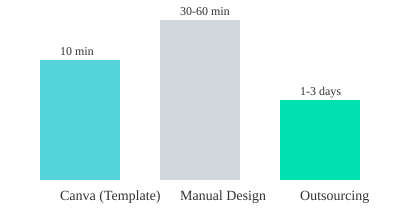
Design a bar chart comparing time required for different digital product creation methods: Canva (template-based), manual design, outsourcing.
4. Getting Your First Sales: Organic Tactics, Mockups, and a Touch of ChatGPT
Showcase the Real Product Experience with Canva Mockups
When it comes to marketing strategies for digital products, visuals are everything. Buyers want to see what they’re actually getting. That’s where Canva’s lay flat mockups shine. Just search “lay flat mockup” in Canva, and you’ll find a variety of templates—perfect for planners, ebooks, and guides displayed on iPads or laptops. Upload your cover image, drag it onto the mockup, and in under five minutes, you have a polished, realistic product image ready for your website or social media. As one creator puts it,
“Mockups are just good psychology when you’re actually selling your product.”
Leverage Free Traffic Sources for Sales
Before you spend a dime on ads, focus on organic traffic sources to drive your first sales. Social media marketing for digital products is a proven approach—post your mockups on Instagram, Pinterest, or Facebook groups where your target audience hangs out. Share behind-the-scenes content, quick tips, or even a time-lapse of your product in use. Authentic social proof, like customer testimonials or user-generated content, builds trust and boosts conversions for your digital downloads.
- Instagram & Pinterest: Great for visual products
- Facebook Groups: Niche communities for direct engagement
- Content Marketing: Blog posts, tutorials, or short videos
Organic methods keep your profit margins high—often close to 100%—since there’s no inventory, shipping, or ad spend.
Quick Title Hack: Using ChatGPT for Product Titles
If you’re stuck on naming your product, don’t overthink it. Using ChatGPT for product titles is a fast, free way to brainstorm. Just type in a description of your digital product and ask for title ideas. You’ll get a list of options in seconds. Remember, ChatGPT is a tool—use it to spark ideas, not to write your entire product description.
Deliver Value—No Hype Needed
Focus on clear, honest product images and copy. Show exactly what buyers get, how it looks, and how it fits into their lives. This approach builds authentic trust and sets you apart from overhyped competitors.
| Task | Time/Benefit |
|---|---|
| Mockup creation in Canva | Under 5 minutes |
| Organic marketing methods | Profit margins close to 100% |
| Digital downloads | No inventory, shipping, or overhead |
5. Wild Card: The Digital Product Fantasy League—If Ebooks and Courses Had Stats Like NBA Players
Imagine if every digital product—whether it’s an ebook, PDF planner, or online course—came with a trading card listing its top stats. Just like NBA players, each product would have its own strengths: scalability, profit margin, ease-of-creation, and buyer longevity. In the world of passive income digital products, these “fantasy stats” can help you draft your dream lineup and choose the right offer for your business.
Let’s break it down. Ebooks and PDF planners are the MVPs when it comes to speed-to-launch. You can create a professional-looking PDF in under an hour using Canva, with minimal support required after the sale. Their scalability is off the charts—once you’ve made your product, you can sell it an unlimited number of times with almost zero extra effort. The profit margins are nearly 100%, especially if you’re leveraging free traffic from platforms like Pinterest or TikTok. However, the average sale price is usually lower, and buyer longevity depends on how evergreen your content is.
On the other hand, online course creation is like drafting a superstar with a higher average revenue per sale. Courses often require more upfront work: outlining lessons, recording videos, and sometimes offering coaching or community support. The knowledge required is higher, and you may need to invest more time in research and content creation. But the payoff can be significant—courses command higher prices, and if you add a community or regular updates, you unlock recurring revenue potential. Courses can also build stronger relationships with your audience, leading to more repeat sales and referrals.
Picture your own digital product fantasy draft board. Where does your dream product land? Maybe you’re a quick creator who loves designing templates and planners, or perhaps you thrive on teaching and want to build a comprehensive course. The key insight is this: matching the digital product type to your skills and your audience’s needs dramatically increases your chances of success. As the course instructor wisely puts it,
“Every digital product has its strengths—just like players on a team. Choose one that matches your play style.”
In the end, don’t just chase what’s trending. The best digital product sales strategies start with self-awareness and a clear understanding of your audience. Whether you draft a fast-moving ebook or a high-value course, pick the product that fits your strengths and business goals. That’s how you’ll break the mold—and build lasting passive income from digital products.
TL;DR: Selling digital products is less about flashy strategies and more about real solutions for real people. Start simple, add value, and don't be afraid to pivot. Use the tools (and quirks!) that work for you.
Post a Comment