
Let me tell you about the time I almost bought a luxury watch just to one-up an old college friend. I'd never even liked gold bands, but I was convinced a shiny wrist would mean I'd 'made it.' Turns out, I wasn't craving a Rolex—I was looking for approval. If you've ever felt caught in that weird dance between wanting and really wanting to want something, welcome to the strange world where money, happiness, and psychology collide. Before you swipe your next card, let's unravel the stories we tell ourselves about wealth.
Why Passive Income is a Mirage (But Purposeful Spending is Real)
Scroll through any financial forum or social media feed, and you’ll see the phrase “passive income” everywhere. It’s painted as the golden ticket to financial freedom—a way to get rich while you sleep. But let’s be honest: passive income is mostly a marketing myth. As Morgan Housel, legendary financial thinker and author of The Psychology of Money, puts it:
“There’s two ways to get wealthier, and passive income is not part of that equation.”
Dissecting the Passive Income Mirage
Here’s the truth: there is no such thing as truly passive income. Whether it’s rental properties, dividend stocks, or online businesses, every so-called “passive” stream requires upfront work, ongoing management, or both. The promise of effortless wealth is seductive, but it’s not reality. You don’t get richer by chasing magic bullets. Real wealth takes work, self-discovery, and a willingness to ask tough questions about what you actually want from your money.
- Rental properties: Need capital, repairs, tenant management.
- Dividend stocks: Require research, risk tolerance, and market monitoring.
- Online businesses: Demand setup, content creation, and customer service.
In my own journey, I once obsessed over building a portfolio of dividend stocks. I checked my accounts daily, calculated future payouts, and imagined a life of leisure. But I realized I was spending more time worrying about the next quarterly payment than actually enjoying my life. The pursuit of “passive” income became another job—one that distracted me from what really matters.
The Overlooked Art of Purposeful Spending
While the financial self-help industry is obsessed with accumulation—saving, investing, and growing your net worth—almost no one talks about how to actually use money. Morgan Housel spent 20 years writing about finance before he even articulated his own spending philosophy. There are tens of thousands of books on investing and wealth building principles, but virtually none on spending meaningfully.

Housel’s insight is simple but profound: the way you spend money is just as important as how you earn or save it. Most people never stop to ask themselves what they want their spending to do for them. Instead, they fall into psychological traps—using money to scratch an itch, compete with neighbors, or chase status symbols. The result? A cycle of fleeting dopamine hits, but little lasting financial happiness.
Spending Philosophy and the Psychology of Money
Purposeful spending means using your resources to create genuine value in your life. It’s not about deprivation or reckless splurging—it’s about aligning your spending with your values and goals. This is the missing link in most wealth building principles. If you want true financial freedom, don’t just ask, “How much should I save?” Instead, ask, “What do I want my spending to do for me?”
- Does this purchase bring me closer to the life I want?
- Am I buying for meaning, or just to keep up with others?
- Will this expense create lasting happiness or just a quick thrill?
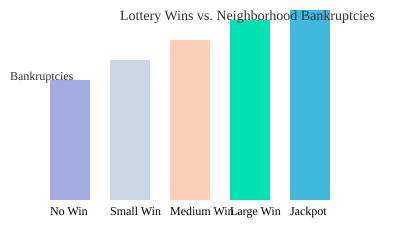
As Housel notes, “If you win the lottery, the probability of your neighbor going bankrupt increases.” Our spending is often shaped by comparison and competition, not by what actually fulfills us. The antidote is purposeful spending—making choices that serve your unique vision of a good life.
In the end, the art and psychology of spending are about more than numbers. They’re about self-discovery, intention, and using money as a tool for meaning—not just status.
The Lottery Paradox: Social Comparison, Envy, and Status Games
Imagine you wake up to the news that your neighbor has just won the lottery. You’d think this would have no effect on your own financial well-being—after all, it’s their windfall, not yours. But research shows something surprising: “If you win the lottery, the probability of your neighbor going bankrupt increases.” This isn’t just a quirky statistic; it’s a window into the powerful social comparison effects that shape our financial decision-making and happiness in a status-obsessed age.
Why Your Neighbor’s Win Can Literally Make You Worse Off
At first glance, someone else’s good fortune shouldn’t impact your bank account. But humans are wired for social comparison. We constantly measure our status, not by what we have, but by how much more—or less—we have than those around us. This evolutionary drive for status once helped our ancestors survive in small groups. Today, it can push us into risky financial territory.
When your neighbor suddenly upgrades their car, renovates their home, or throws lavish parties, it’s natural to feel a subtle (or not-so-subtle) pressure to keep up. This is the heart of the lottery paradox: one person’s leap in material abundance can spark a ripple effect of envy and competitive spending throughout their social circle.
The Role of Status in Material Abundance
It’s not really about the stuff. It’s about what the stuff signals. Fancy cars, designer watches, and the latest gadgets are often less about personal enjoyment and more about how others perceive us. This kind of spending is a form of unconscious status signaling—a way to scratch the psychological itch of “Am I doing as well as the people around me?”
Here’s a real-life example: My cousin once bought a boat right after his friend got a big raise. He didn’t even like boating that much, but he wanted to match his friend’s new lifestyle. The result? He almost sank his finances (pun intended), taking on debt for something he didn’t truly value. This is a classic case of wealth and social comparison leading to poor financial decisions.
Data Time: The Spiral Effect of Lottery Wins
Let’s look at the numbers. Studies have found that when someone wins the lottery, their neighbors are statistically more likely to file for bankruptcy. Why? Because seeing someone else’s sudden wealth can trigger a wave of competitive consumption. People may take on loans, max out credit cards, or make risky investments just to keep up appearances. The result is often financial distress, not satisfaction.
Anchoring Your Sense of ‘Enough’ to Others
It’s easy to fall into the trap of thinking, “If I just had a little more money, my problems would go away.” Sometimes that’s true, but often, this belief is more about comparison than real need. The more you anchor your sense of ‘enough’ to what others have, the more likely you are to overspend, take risks, and feel dissatisfied—no matter your actual wealth.
Why Nobody Really Cares What Car You Drive
Comedian Jimmy Carr summed up the futility of status games perfectly:
“In your 20s, you worry what others think. In your 30s, you say you don’t care. In your 40s, you realize nobody was thinking about you anyway.”The truth is, most people are too busy thinking about their own lives to notice your car, your watch, or your house. Yet, the role of status in our spending habits remains powerful—and often invisible.
Understanding the psychology behind social comparison can help you make better, more satisfying financial decisions. Recognize the urge to compete, and you’ll be less likely to let someone else’s win become your loss.
Mirror, Mirror: The Psychology of Spending and Self-Reflection
When you look at your spending habits, what do you really see? For many, spending money isn’t just about buying things you need or want. It’s a psychological itch—one that isn’t always logical, but is often deeply emotional. Understanding the psychological factors in finance can help you gain self-awareness in spending, and break free from unhealthy cycles.
Spending as a Reflection of Your Inner World
Every purchase you make tells a story. It’s not just about the car, the house, or the clothes—it’s about what those things represent to you and to others. As one expert put it:
"I understand your insecurities. I understand your aspirations. I understand your self-confidence. I understand what you think of other people. You can learn a lot about that."
Your spending is often a reflection of your insecurities, aspirations, or even childhood experiences. For example, if you grew up without much, you might find yourself wanting to display your success through visible status symbols. Or, you might go the opposite direction—afraid to spend at all, even when you can afford to.
Post-Traumatic Broke Syndrome: When the Past Shapes the Present
Financial writer Tiffany Alish coined the term post-traumatic broke syndrome to describe her own experience. She grew up in poverty, but after becoming financially successful, she still felt a powerful fear of spending. The voice in her head said, “I will never go back to that. I can’t ever go back to being that poor person.”
This is a clear example of how psychological factors can shape financial decision-making long after your circumstances have changed. Even with plenty of money, the fear of returning to hardship can drive you to extreme frugality. For others, the urge might be to spend big as a way to prove—both to yourself and to others—that you’ve “made it.”
Status, Self-Signaling, and the Trophy Effect
Why do you want the nice car, the designer bag, or the big house? It’s rarely just about utility. These purchases often serve as trophies—symbols of what you’ve overcome. They’re a way of signaling your achievements, not just to the world, but to yourself. This is called self-signaling.
When you dig into the psychological factors in finance, you realize that spending is rarely about the object itself. It’s about the story you’re telling yourself. Are you buying to fill a void, to prove something, or to soothe old wounds?
The Desert Island Test: Utility vs. Status
Here’s a simple thought experiment to help you gain self-awareness in spending: Imagine you live on a deserted island with just your family. No one else can see your house, your car, your clothes, or your jewelry. Would you still want the fancy car, or would you choose something practical like a pickup truck? Would you want a huge house, or just a cozy space with a beautiful view?
Most people, when faced with this scenario, quickly move away from status and toward utility. This exercise can reveal your real motivations before making big purchases. Are you buying for yourself, or for how others will see you?
Practical Insight: Journal Your ‘Why’
Before you make a major purchase, try journaling about your motivations. Ask yourself:
- Why do I want this?
- Is this about utility, comfort, or status?
- Am I trying to signal something to others—or to myself?
- Does this purchase reflect my values, or my fears?
Reflection on your money origins and motivations is crucial for breaking unhealthy spending cycles. You might be surprised at what you discover about your own financial decision-making psychology.
Key Takeaways
- Spending is often emotional, not logical.
- Past trauma or poverty can drive both fear and display in spending habits.
- Status purchases are rarely about utility—they’re about self-signaling.
- The “desert island” test can help you decode your true motivations.
- Journaling your ‘why’ before big buys can provide surprising clarity and insight.
When Does Status Make Sense? Being Honest About Desire vs. Sacrifice
Let’s get real about the role of status in consumer behavior. Buying a Rolex, a luxury car, or even a designer bag isn’t inherently “bad.” The problem is how easily these wants can morph into compulsions—especially when we’re not honest about what we’re really chasing. Is it genuine desire, or are we sacrificing long-term financial well-being and contentment for a fleeting moment of admiration?
Sacrifice vs. Desire: What Are You Really Trading?
Here’s a question worth asking: Are you giving up your financial independence and purpose for a status symbol? The sacrifice vs. desire dilemma is at the heart of most spending decisions. It’s easy to justify a big purchase by saying, “I’ve earned it.” But if you’re dipping into your emergency fund, delaying your FIRE (Financial Independence, Retire Early) goals, or feeling anxious about your bank balance, what’s the real cost?
Many forms of status-seeking are actually compensations for deeper needs or missed opportunities. Sometimes, we buy things not because we truly want them, but because we want to be seen a certain way. The dopamine hit of a new gadget or car fades, but the sacrifices—missed investments, lost time, or neglected relationships—can linger.
Personal Detour: My Status Symbol Trap
I’ll admit it: There were times in my life when status symbols were my only source of validation. (Yikes.) I remember obsessing over the “right” watch, the “right” shoes, and the “right” apartment. I thought these things would make people admire me. But the truth? Most people didn’t notice—or care. They were too busy worrying about their own lives. The emptiness I felt after each purchase was a sign that I was chasing an illusion, not genuine satisfaction.
Warren Buffett’s Wisdom: Who Do You Want to Love You?
"Success in life is when the people who you want to love you do love you." – Warren Buffett
This quote reframes success from wealth to relationships. Ask yourself: Who do you want to love you? For many, the knee-jerk answer is “everyone.” That’s why we crave status—to be admired by the crowd. But as comedian Jimmy Carr put it, in your 20s you worry about what others think, in your 30s you say you don’t care, and in your 40s you realize nobody was thinking about you at all. The people who matter—your inner circle—care about your character, not your car.
The Hidden Costs of Chasing Status
Many who flaunt wealth are missing out on what matters most: connection, purpose, and self-respect. The top 10 richest men in the world have a combined 13 divorces among them. Extreme material achievement often comes with personal costs—strained relationships, lost time with family, and neglected health. The FIRE movement critiques this relentless pursuit, arguing that true financial well-being and contentment come from autonomy, not accumulation.
The Patchwork Wish-List: You Can’t Cherry-Pick Perfection
It’s tempting to wish for Elon Musk’s net worth, Oprah’s charisma, and The Rock’s biceps. But you can’t cherry-pick a perfect life from others’ highlight reels. Social media amplifies this illusion, making us believe we can assemble the “best of” from everyone we admire. The reality? Every life comes with trade-offs. Extreme wealth often requires extreme sacrifice—something most people wouldn’t actually choose if they saw the full picture.
Why Status Matters Less as Self-Worth Grows
Younger versions of ourselves may crave status more when our personal value is unclear. As self-worth grows, the importance of status often recedes. The skill is learning to disconnect your admiration from your aspirations. Admire what someone has achieved, but be honest about the sacrifices behind it—and whether you’re truly willing to make them.
The Social Media Megaphone: Aspiration Inflation and the Global Status Game
In today’s world, material abundance is the norm for many. Most people reading this have a roof over their heads, a car, and the ability to buy clothes or enjoy small luxuries. Compared to much of human history, this is an extraordinary level of comfort. Yet, instead of feeling satisfied, many of us feel restless and behind. Why? The answer lies in the impact of social media and the new global status game it has created.
From Local Comparison to Global Envy
Not long ago, your sense of “enough” was shaped by those around you—your neighbors, coworkers, or friends. If you had a house, a car, and a happy family, you were considered well-off. Now, with a few taps on your phone, you can peek into the lives of billionaires, celebrities, and influencers from around the world. Social comparison effects have exploded. Instead of comparing yourself to the family next door, you’re measuring your life against someone’s private jet or island vacation.
Broadcasting the ‘Best’ Version of Wealth
Social media acts as a megaphone, broadcasting the most glamorous, curated moments of people’s lives. You see luxury cars, designer clothes, and exotic getaways—rarely the hard work, sacrifices, or tradeoffs behind them. I once found myself bizarrely jealous of a stranger’s tropical vacation photo, even though I hate humidity! This is the power of aspiration inflation: the more we see, the more we want, even if it doesn’t truly fit our desires.
Aspiration Inflation: The New Arms Race
The definition of “wealthy” has ballooned. Where once a comfortable home and a single car meant success, today’s young people often define wealth as having a private jet or a personal island. This shift is not just anecdotal—data backs it up. The internet has made it easier than ever for a small number of people to become extremely rich, and their lifestyles are now visible to everyone. The result? A material arms race that raises expectations and stress for all.
| Generation | Definition of Wealthy |
|---|---|
| 80 Years Ago | House, car, happy family |
| Today’s Young People | Billionaire with jets and islands |
| Top 10 Richest People | Number of Divorces |
|---|---|
| Combined | 13 |
Wealth often comes with tradeoffs. Even among the world’s richest, personal sacrifices are common—a reminder that the “highlight reel” rarely shows the full story.
The Internet: Expanding Who You Serve—and Who You Envy
The internet has democratized opportunity. If you run a business, your potential customers are no longer limited to your town—they’re worldwide. This makes it possible for more people to become very wealthy. But it also means you’re exposed to more people who have “made it,” fueling further aspiration inflation and restlessness.
"Aspiration inflation creates challenges in maintaining financial well-being, as rising standards of living push individuals toward higher consumption and debt."
Research shows that exposure to extreme wealth changes our ideas of “enough,” often for the worse. The more we see, the higher we set our own bar, making financial well-being and contentment harder to achieve. Social feeds rarely show the real costs or sacrifices behind success, yet they set the pace for what we think we need to be happy.
The Paradox of Material Abundance
Ironically, material abundance should make us more content. Instead, it often raises stress as expectations climb. The global status game, fueled by the impact of social media, means that no matter how much you have, there’s always someone with more. In this new world, the art of spending wisely—and finding true contentment—requires a conscious effort to redefine what “enough” means for you.
Building a Spending Philosophy: Self-Awareness, Purpose, and the Reverse Obituary Exercise
In a world obsessed with status and financial outliers, it’s easy to believe that the ultimate goal is to accumulate as much money as possible. But if you look closer at the lives of the richest people, you’ll see that extreme financial success often comes at a steep personal cost. Many of the world’s wealthiest individuals have devoted every second of their lives to their careers—often at the expense of health, relationships, and personal happiness. As Morgan Housel points out, “Money is the clearest window...it shows what people value, what they're scared of, what they're aspiring to become.” The real art of wealth is not just about having more, but about using money to build a life that aligns with your values and gives you control over your time.
Why Write Your 'Reverse Obituary'?
One of the most powerful exercises for achieving financial clarity is the reverse obituary. Instead of imagining what people will say about you after you’re gone, you write what you want to be remembered for—especially in terms of how you used your time and money. This self-guided exercise helps you clarify what truly matters, framing both life and money decisions in a way that aligns with your deepest values.
Ask yourself: How do I want to be remembered for my use of time and money? Do you want to be known for relentless work and a massive bank account, or for meaningful relationships, generosity, and a life well-lived? The reverse obituary is a tool for cutting through social pressures and status games, bringing your focus back to what’s genuinely important to you.
Aligning Spending with Your Values
Clarity and self-knowledge are your secret weapons for financial happiness—far more powerful than clever investing tricks. When you spend in ways that reflect your true priorities, you build a foundation for sustainable happiness. This means asking yourself, with every purchase: Is this for me, or am I trying to impress someone else?
Personally, I started tracking not just what I spent, but whether each purchase reflected my actual values or someone else’s expectations. This simple habit revealed how often I was influenced by trends or social comparison, rather than my own goals. Over time, I learned that the greatest satisfaction came from spending on experiences, relationships, and things that gave me more control over my time—rather than status symbols or fleeting pleasures.
Control Over Your Time: The Real Wealth
Money’s greatest gift is the ability to control your time. Financial independence strategies are not just about retiring early or building a massive portfolio—they’re about buying back your hours, so you can live life on your own terms. Housel emphasizes that control over your time is the essence of wealth. The richest people may have jets and mansions, but many lack the freedom to spend their days as they choose. True financial clarity means using your resources to create space for what matters most.
The Compounding Effect: Happiness Over a Lifetime
Just as money compounds over time, so does happiness—if you make small, value-aligned choices consistently. Each intentional decision, no matter how minor, adds up to a life that feels rich and meaningful. Compounding isn’t just for investments; it’s for fulfillment, too. When you align your spending with your values, you create a positive feedback loop that builds joy and satisfaction year after year.
Learning from Past Money Mistakes
Everyone makes mistakes with money. The key is to view these not as failures, but as lessons on money and personal growth. Evaluate your past decisions with curiosity, not judgment. Ask: What did this teach me about what I value? How can I use this insight to make better choices in the future? This mindset transforms regret into evolution, helping you refine your spending philosophy over time.
| Key Factor | Insight |
|---|---|
| Control Over Your Time | Cited as a key to financial clarity and independence |
| Reverse Obituary Exercise | Self-guided tool for clarifying values and life goals |
FAQ: Real-Life Questions About Money, Status, and Happiness
Can spending money actually make you happier?
You might wonder if spending money is the secret to happiness. The truth is, it depends on how you spend it. Research shows that buying experiences—like travel, learning, or time with friends—often brings more lasting happiness than buying things. When you spend on what truly matters to you, rather than what you think you should want, you’re more likely to feel satisfied. This is where self-awareness in spending comes in. Ask yourself: “Will this purchase add real value to my life, or am I just chasing a feeling of status?” The answer can help guide you toward financial happiness, not just fleeting pleasure.
What’s the first step if I want to stop obsessing over status?
The first step is to get honest about what drives your spending. Are you buying things because you want them, or because you want to impress others? In a world obsessed with status, it’s easy to lose sight of your own values. Try this: Write down what you truly care about—maybe it’s freedom, creativity, or connection. Then, look at your recent purchases. Do they match your values? If not, it’s time to realign. Remember, financial independence isn’t just about having money—it’s about having control over your choices, free from outside pressure.
Is there a formula for 'enough'?
There’s no universal formula for “enough,” but you can create your own. Start by defining what a good life looks like for you—not for your neighbor, not for someone you follow online. Consider your needs, your goals, and your values. Then, set boundaries for your spending and saving that support those things. The feeling of “enough” comes from knowing you have what you need to live according to your own standards, not someone else’s. This is the foundation of financial happiness.
How do I use social media without falling into the comparison trap?
Social media can make it seem like everyone else is richer, happier, and more successful. But remember: You’re seeing a highlight reel, not the full story. If you find yourself comparing your life to others, pause and ask, “What am I really seeking?” Often, it’s connection or validation. Instead of measuring your worth by likes or followers, focus on your own journey. Curate your feed to include voices that inspire you, not just those that trigger envy. Practicing self-awareness in spending and online habits can help you stay grounded, even in a status-obsessed age.
What if I grew up poor—will I always struggle with spending?
Growing up with less can shape your relationship with money, sometimes leading to anxiety or guilt around spending. But your past doesn’t have to define your future. The key is to build self-awareness: Notice your money habits and ask where they come from. Are you overspending to make up for old deprivation, or are you afraid to spend at all? Both are common. Give yourself permission to learn new habits. Financial independence is possible, no matter where you started. It begins with understanding your story and making choices that support your well-being today.
How do I align my money habits with my actual values?
Start by identifying your core values—what matters most to you. Then, review your spending over the past month. Does your money go toward things that reflect those values? If not, make small changes. Maybe you want to invest more in health, relationships, or learning. Redirect your spending to support those areas. This isn’t about perfection; it’s about progress. When your money habits reflect your true self, you’ll find more meaning and satisfaction in every dollar you spend.
In the end, rethinking wealth isn’t about chasing status or comparing yourself to others. It’s about building financial independence and happiness on your own terms. By practicing self-awareness in spending and making choices that align with your values, you can create a life that feels rich—no matter your bank balance.
TL;DR: Money can buy choices and comfort—but only if you spend deliberately, escape social comparison, and use your dollars to align with what truly matters to you, not what impresses everybody else.
Post a Comment