

Confession: I once bombed a first impression so badly I wished I had a magician’s cape to disappear behind. Turns out, reading minds isn’t real—but reading people is very real. After watching Oz Pearlman blend science, showmanship, and subtlety, I started testing his tactics myself. This post pulls together those lessons, a dash of trial-and-error, and the surprising details that make persuasion magic work in the wild (and not just on TV).
The One-Eyed Approach: Why Subtle Shifts Set You Apart
When it comes to body language and reading cues, the smallest adjustments can have the biggest impact. Oz Pearlman, a master of mentalism and human behavior, highlights a fascinating insight: “If I approach you directly with two eyes, it can create fear versus if I turn ever so slightly and approach you with one eye. That one eye is less danger.” This simple shift, rooted in our evolutionary past, can transform how people respond to you in everyday life—from interviews to negotiations, even in casual conversations.
How Turning Slightly Lowers Social Threat
Imagine you’re at a networking event. Someone walks up to you, facing you head-on, both eyes locked onto yours. Instinctively, you might feel a spike of tension or even defensiveness. Now picture someone approaching at a slight angle, just enough that you see only one of their eyes clearly. The interaction feels less intense, more inviting. This is the essence of the “one-eyed approach.”
Unexpected Insights from Animal Behavior
This isn’t just a human quirk. For thousands of years, animals have relied on nonverbal signals to detect threats. Predators stare directly at their prey with both eyes, signaling danger. Prey animals, and even humans, are hardwired to notice and react to this. Pearlman explains, “We’re hardwired from thousands and thousands of years of avoiding predators. That one eye is less danger. Animals aren’t as fearful of [it].”
Real-Life Anecdote: The Interview Chair Trick
I once walked into a high-stakes job interview. Instead of positioning my chair directly across from the interviewer, I angled it slightly. This subtle move softened the interaction. The interviewer seemed more relaxed, the conversation flowed, and I felt less pressure. I realized later that I had instinctively used the “one-eyed” approach, and it made all the difference. Sometimes, it’s not just your resume that matters—it’s how you position yourself, literally.
The ‘Two-Eyes vs. One-Eye’ Trick: Small Signals, Big Impact
These nonverbal signals are powerful. Facing someone directly with both eyes can raise their guard, triggering resistance patterns. Angling your body, so only one eye is clearly visible, lowers perceived threat and builds rapport faster. This is especially useful in tricky conversations, negotiations, or when meeting someone new.
Practical Tip: Adjust Your Posture to Reduce Intensity
- In tense discussions, angle your body slightly rather than facing the other person head-on.
- In meetings, shift your chair a few degrees to the side to lower social pressure.
- When reading cues, notice if someone seems uncomfortable—try softening your approach with a subtle turn.
When Directness Backfires
We often think that being direct is the best way to communicate. But sometimes, directness can backfire. Too much eye contact or a head-on posture can make others feel scrutinized or defensive. In contrast, subtlety—like the “one-eyed” approach—signals safety and openness, encouraging others to drop their guard and connect.
“If I approach you directly with two eyes, it can create fear versus if I turn ever so slightly and approach you with one eye. That one eye is less danger.” – Oz Pearlman
Comparison Table: Direct vs. Angled Approaches
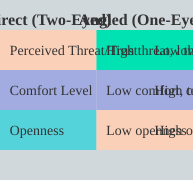
Mastering these subtle shifts in body language and nonverbal signals can set you apart—helping you read, influence, and connect with others more effectively, all by understanding our shared evolutionary instincts.
Invisible Decks and Curiosity Gaps: Hooking Attention Like a Pro
Using the Invisible Deck Metaphor to Spark Curiosity
Imagine someone asks you to picture an invisible deck of cards. You’re told to pick a card in your mind, hold it, and then—before you even say a word—they reveal the card you chose. This isn’t just a magic trick; it’s a masterclass in Attention Psychology. The invisible deck is a metaphor for how you can engage someone’s mind before you even reveal your intent. By inviting people into a scenario where they’re actively involved, you create anticipation and focus their attention—without any pressure or manipulation.
The Positive Curiosity Gap: Make People Want to Know More
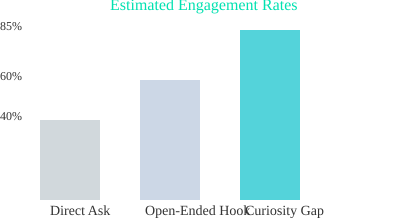
What makes the invisible deck so powerful is the curiosity gap. As mentalist O Pearlman says, “It’s like a positive curiosity gap where you need that gap closed.” Instead of giving everything away, you leave just enough mystery that people feel compelled to stick around. This is the secret behind high engagement cues in both entertainment and business. When you create an open loop—an unanswered question or unresolved promise—people naturally want to close it. This is why curiosity is such a powerful motivator in sales presentations, meetings, and networking events.
Borrowing Elements from Viral Videos: Learn from Mr. Beast, Not Just Magicians
It’s not just magicians who use these techniques. Viral video creators like Mr. Beast are masters of the curiosity gap. At the start of every video, he gives you a reason not to leave. He hooks you instantly with a bold promise or a mysterious challenge. The same principle applies to business: if you want to capture attention, you need to create a reason for people to stay. In today’s digital economy, attention is currency. Your ability to spark curiosity can make the difference between being ignored and going viral.
Creating Open-Ended Invitations: Why “Do You Want to See a Trick?” Is a Rookie Move
Many beginners make the mistake of asking closed questions like, “Do you want to see a trick?” This gives people an easy way to say no. Instead, use open-ended invitations that create a sense of mystery and involvement. For example, “Have you ever wondered how magicians know what card you picked?” or “What would you do if you could read someone’s mind?” These questions open a loop in the listener’s mind, making them want to know more.
Personal Anecdote: The Power of a Mysterious Promise
I’ll never forget the time a friend said, “You have to come with me tonight. I can’t tell you what’s happening, but you’ll thank me later.” Instantly, I was hooked. The mystery was irresistible. I showed up, and the experience was unforgettable. This is the same principle you can use in your own storytelling techniques—whether you’re pitching an idea, leading a meeting, or networking.
Translating Entertainment Techniques to Business
Entertainment hooks and curiosity gaps translate directly to higher business engagement. In fact, studies show that mystery-driven YouTube videos retain viewers up to 40% longer than straightforward intros. Pearlman’s experience proves that a strong hook at the beginning increases engagement and positive response potential. The invisible deck trick is a template for generating anticipation and directing attention—without ever being pushy or deceptive.
"It's like a positive curiosity gap where you need that gap closed." – On why entertainment hooks work in business too
Spotting Truth and Lies: Benchmarking Behavior Without a Polygraph
If you’ve ever wished you could spot liars or read people like a mentalist, you’re not alone. The secret isn’t in dramatic facial cues or pop psychology tricks—it’s in careful, consistent observation. As Oz Pearlman puts it,
'The best way to learn if somebody's lying to you is learning their benchmarks.'Let’s break down how you can use this approach in real life to build trust, improve your active listening, and become a pro at reading people—no polygraph required.
Why Lie Detectors Aren’t Magic (And Your Brain Is Better)
Polygraph machines, or lie detectors, aren’t actually magic truth-tellers. They work by first establishing a baseline—your normal, honest responses. The examiner asks simple questions (“Is your name Steven?”) and watches your reactions. Only after learning your ‘truth mode’ do they look for changes when you might be lying. You can do the same thing, just by paying attention.
Learning Someone’s ‘Truth Mode’
Most people you interact with aren’t strangers you meet once. You see them at work, at home, or in your social circles. This gives you the perfect chance to benchmark their normal behavior. Here’s how:
- Observe Details: When someone tells a story, how many details do they include when they’re relaxed and honest?
- Notice Cadence: What’s their usual speaking pace? Do they pause a lot or speak smoothly?
- Catalog Nonverbal Cues: What’s their typical facial expression, posture, and eye contact?
Real-Life Anecdote: The Over-Detailing Co-worker
Think about that co-worker who always seemed to add a few too many details whenever they fibbed. Maybe their stories about being late were packed with unnecessary explanations. Over time, you noticed this pattern—when they were honest, their stories were simple and direct. This is benchmarking in action: you spotted the shift from their normal behavior.
Benchmarking: Your Step-by-Step Guide
| Step | What To Do | What To Watch For |
|---|---|---|
| 1. Observe Baseline | Watch the person in low-stress, honest situations | Natural speech, relaxed body language |
| 2. Note Detail & Pace | Listen to their normal storytelling style | Typical level of detail, usual cadence |
| 3. Catalog Nonverbal Cues | Pay attention to facial cues and gestures | Consistent eye contact, posture, facial expressions |
| 4. Compare Over Time | Notice changes during important or stressful conversations | Sudden shifts in detail, pace, or composure |
Practical Hacks for Spotting Liars in Everyday Life
- Ask Neutral Questions First: Start with easy, non-threatening topics to observe their baseline.
- Watch for Shifts: When the topic changes to something sensitive, look for sudden changes in story-building, facial cues, or cadence.
- Compare, Don’t Assume: Don’t jump to conclusions based on one “tell.” Consistent deviations from the norm are more reliable indicators.
- Practice Active Listening: Focus on what’s said and how it’s said. This builds trust and helps you spot subtle shifts.
Spotting liars isn’t about catching dramatic signals—it’s about benchmarking behavior and noticing when things don’t add up. With practice, you’ll find your brain is a better lie detector than any machine.
From Fear of Rejection to Fearless Influence: Mindset Shifts that Matter
Why Rejection Cripples Most Negotiations, Pitches, and Proposals
Ask any high performer or mentalist, and they’ll tell you: the fear of rejection is the number one factor between failure and success. As Oz Pearlman says,
"The number one factor between failure and success is the fear of rejection."This fear paralyzes action. It’s the silent killer behind missed opportunities, failed negotiations, and unaccepted proposals. When you approach a situation expecting resistance or a negative outcome, your body language, tone, and words all subtly communicate uncertainty. This mindset makes it easier for others to say “no,” and harder for you to recover.
Personal Story: From Rejection to a Strategic Yes
Early in my career as a mentalist, I approached a table at a restaurant and asked, “Would you like to see a magic trick?” The answer was a quick, awkward “No, thank you.” I walked away, feeling that sting of rejection. But instead of giving up, I changed my approach. I started preparing for every possible response, not just the ideal one. I learned to walk up with confidence, position myself as if I might leave soon, and open with, “Did you hear what’s going on tonight? It’s your lucky day.” Suddenly, people were intrigued. The difference? I swapped fear for strategic confidence and reframed the moment.
Prepping for Success: Plan for Every Trouble Spot (A-Z)
Overcoming objections and building professional growth starts with preparation. As a mentalist, I never rely on just one plan. I prepare for Plan A, B, C, all the way to Z. This habit development means you’re never caught off guard. You anticipate resistance points and have responses ready. This mindset shift—from hoping for the best to preparing for every scenario—transforms fear into confidence. When you’re ready for anything, rejection loses its power.
Positive Reframing: Replace ‘No’ Moments with Irresistible Intrigue
Most people set themselves up for rejection by asking yes-or-no questions. Instead, use positive reframing. Ask open-ended, positive questions that spark curiosity and engagement. For example, instead of “Do you want to see a demo?” try, “Did you hear why today is your lucky day?” This approach gives people fewer chances to say no and more reasons to say yes. It’s a subtle, powerful mindset shift that increases your influence in any setting.
The Dopamine Hit: Strategic Use of Unexpected Positive Cues
People are wired to respond to pleasant surprises—the same way we react to a phone notification or a lottery ticket. When you introduce an unexpected, positive cue (“It’s your lucky night!”), you trigger a dopamine hit. This makes your interaction memorable and enjoyable, reducing resistance and increasing connection. Use this tactic everywhere: in cold calls, sales meetings, or even dinner dates.
Apply It Everywhere: From Cold Calls to Dinner Dates
These mindset shifts—overcoming objections, positive reframing, and strategic preparation—aren’t just for mentalists. They’re essential for anyone seeking professional growth or personal connection. By developing these habits, you’ll find that you can influence and connect without ever lying or manipulating.
| Mindset | Approach Rate | Success Rate | Failure Rate |
|---|---|---|---|
| Fearful (Default) | 95% | 20% (hypothetical) | 80% (hypothetical) |
| Reframed & Prepared | 5% | 75% (hypothetical) | 25% (hypothetical) |
Reshaping your approach removes the risk of outright rejection and transforms resistance into engagement—a lesson from both mentalists and high performers.
Upgrade Your Memory: The Shampoo-Bottle Secret and Everyday Hacks
Imagine walking into a room, meeting five new people, and remembering each of their names an hour later—without breaking a sweat. That’s not just a party trick; it’s a persuasion superpower. According to mentalist Oz Pearlman, memory is the “fast track for confidence” and a huge secret to success in Reading People, Rapport Building, and using a Personalized Approach. But how do you actually upgrade your memory? Pearlman’s answer is as simple as your morning shower routine.
“I have a tip. I’ve repurposed the instructions on a shampoo bottle.” – Oz Pearlman
Pearlman’s Oddball Memory Tip: The Shampoo-Bottle Secret
We’ve all seen it: the classic shampoo bottle instructions—lather, rinse, repeat. Pearlman noticed that most people approach memory the same way they approach shampoo: they start with what they’ll forget. The secret? Flip the order. Instead of starting with the least memorable detail, begin with the most vivid, then cycle back. This simple switch is a powerful Memory Hack that leverages Attention Psychology and makes your recall stand out.
Step One: Flip the Order
Most people try to remember details in the order they hear them. But the brain is wired to forget the first and last items in a list—unless you make them memorable. Pearlman’s method: start with the detail that stands out, then associate the rest in a personalized, memorable sequence.
Associative Memory: Make It Weird, Make It Stick
Another key to Pearlman’s approach is associative memory. Instead of just hearing a name or fact, imagine it as a vivid, even bizarre, mental image. For example, if you meet someone named Daisy, picture her with a giant daisy hat. The weirder the image, the more likely you are to remember it. This technique not only helps with memory, but also shows genuine attention—amplifying your persuasive power and authenticity.
Practical Exercise: Name Game at a Party
- At your next gathering, focus on remembering names.
- As you’re introduced, immediately create a visual association for each person.
- After 30 minutes, test yourself: can you recall everyone’s name and one detail about them?
Most people forget names within 30 seconds of introduction. Using Pearlman’s approach, you’ll surprise yourself—and others—with how much you retain. This instantly boosts your credibility and rapport, making persuasion feel effortless.
Memory Hacks in Everyday Influence
- Business: Remembering a client’s favorite hobby can seal a deal.
- Networking: Recalling a colleague’s recent vacation builds instant connection.
- Personal Life: Mentioning a detail from a past conversation wows a date or friend.
When your memory is sharp, people trust you more. You demonstrate attention to detail and a Personalized Approach, which are essential for effective Rapport Building and Reading People.
| Memory Fact | Traditional Approach | Pearlman’s Method |
|---|---|---|
| X% forget names within 30 seconds | Linear recall, little association | Visualize, Associate, Repeat—retain multiple names/events |
| 3 Vital Steps | Memorize in order | Visualize, Associate, Repeat |
Simple, counterintuitive memory practices like these help you stand out, show genuine attention, and make persuasion feel effortless. Next time you reach for the shampoo, remember: the secret to influence might just be hiding in your shower.
Connecting in the Digital Age: Bringing Mentalist Tactics to Virtual Spaces
In today’s world, Digital Age Skills are more than just technical know-how—they’re about mastering human connection through a screen. As one digital influencer put it,
“We have never been in an era where your phone...can allow you to become a global superstar to launch a business.”This new reality means that your ability to read, influence, and connect with others online is a true superpower. But can you still ‘read the room’ on Zoom? The answer is yes, but it takes new tricks and a keen eye for Engagement Cues.
Can You Still ‘Read the Room’ on Zoom?
Absolutely. While the physical cues of in-person meetings are less obvious, you can still pick up on subtle signals—if you know what to look for. Micro-expressions, slight voice changes, and shifts in posture all translate to the digital space. For example, a brief pause before answering a question or a sudden drop in vocal energy can speak volumes about a person’s true feelings.
Practice: Spotting Engagement Cues Online
- Micro-expressions: Watch for fleeting facial reactions, even if the camera quality isn’t perfect.
- Voice changes: Notice shifts in tone, speed, or volume—these often signal emotion or hesitation.
- Active Listening: Show you’re engaged by nodding, summarizing, and asking clarifying questions.
- Digital body language: Leaning in, hand gestures, or even the way someone frames themselves in the camera can reveal their level of interest.
Story: The Power of a Pause
Once, during a high-stakes video call, I sensed a client’s hidden concern—not through words, but through a tiny pause before she responded. Her eyes flickered away from the camera, and her voice softened for just a moment. By gently addressing what I suspected was on her mind, I built trust and moved the conversation forward. This is the essence of Proactive Communication—noticing what’s unsaid and responding with empathy.
Building Trust and Engagement Without In-Person Signals
Success in a digital world rests on adapting high-trust, cue-aware approaches to every interaction—remote or live. Here’s how you can foster real rapport online:
- Personalize your approach: Use names, reference past conversations, and tailor your message.
- Be present: Turn your camera on, maintain eye contact with the lens, and minimize distractions.
- Encourage feedback: Ask open-ended questions and invite others to share their thoughts.
Top Three Digital Persuasion Blunders (and How to Dodge Them)
- Overlooking cues: With an estimated 60% of online meetings having camera-off participants, it’s easy to miss nonverbal signals. Always ask for feedback and check in regularly.
- Ignoring feedback: If someone seems disengaged, address it directly and invite their input.
- Failing to personalize: Generic messages get lost. Personal touches make you memorable and trustworthy.
Adapting for the Camera: Creating Presence via Framing and Digital Body Language
Your presence on camera matters. Frame yourself with good lighting and a clear background. Sit up straight, use expressive gestures, and look into the camera to simulate eye contact. These small adjustments can dramatically boost your Professional Growth by making you more persuasive and relatable—even through a screen.
Wild Cards & Ripples: When a Mentalist’s Moves Go Off-Script
Unexpected Results: When People Surprise Even the Best Mentalists
If you’ve ever watched a mentalist at work, you know the thrill comes not just from the “impossible” reveals, but from the tension of not knowing what will happen next. Sometimes, even the most seasoned mentalist is caught off guard. Maybe someone opens the prediction too early, or a participant reacts in a completely unexpected way. These wild cards are not failures—they’re opportunities. As Oz Pearlman once said,
'You have to stick around till the end. If you open it now, it will be meaningless.'This quote captures the magic of anticipation and the value of timing, but it also hints at the unpredictability that makes every interaction unique.
What Happens When a Trick Fails—And Why It’s Sometimes a Win
When a mentalist’s move goes off-script, it can feel like a wipeout. But here’s the secret: mistakes or surprises in persuasion can actually humanize you. People resonate with authenticity and adaptability. If a “trick” doesn’t land, acknowledge it honestly. This builds trust and opens the door for deeper connection. In fact, many mentalists find that these moments—where things don’t go as planned—lead to the most memorable and meaningful interactions. It’s a real-time lesson in Building Trust and Active Listening.
Analogy: Reading People Is Like Surfing
Think of reading people and influencing others like surfing. You can master your technique, but the ocean (or the person in front of you) is always shifting. Sometimes you catch the perfect wave, sometimes you wipe out. The key is to stay present, adjust your approach, and ride whatever comes your way. Your adaptability is your superpower.
Short Tangent: Why My Favorite Meetings Were the Least Predictable
Some of my favorite meetings and performances have been the least predictable. There’s a special energy when you don’t know exactly what’s going to happen. Once, during a live podcast, I handed a folded card to the host and asked them not to open it until the end. The suspense built throughout the conversation, and even when things didn’t go exactly as planned, the genuine reactions created a ripple effect—sparking curiosity and laughter. These moments, full of uncertainty, often lead to the most powerful storytelling and connection.
Embracing the Not-Knowing: Growth Comes from Improvisation, Not Just Perfection
Growth in persuasion and connection doesn’t come from perfect routines. It comes from improvisation—being willing to adapt, learn, and even laugh at yourself. When you sprinkle curiosity and humility into every interaction, you invite others to do the same. This is where Learning from Success really happens: not just when everything goes right, but when you navigate the unexpected with grace.
- Storytelling Techniques: Share your wild cards. People remember stories of unpredictability.
- Influencing Others: Influence is strongest when it’s flexible, not forced.
- Building Trust: Authenticity in the face of surprise deepens rapport.
- Active Listening: Pay attention to the ripples—what people say and do when things go off-script.
- Learning from Success: Success isn’t just about flawless execution; it’s about how you handle the wild cards.
Embracing unpredictability is sometimes more powerful than any rehearsed routine. Flexibility and authenticity often trump perfect technique. Remember, the richest ground for empathy and rapid adaptation comes from those moments when you don’t know what’s coming next.
FAQ: Everyday Persuasion and Mind-Reading Skills
Does Persuasion Magic work for introverts—or just showmen?
Absolutely, these skills are for everyone. O Pearlman’s journey shows that reading people and ethical influence are not about being the loudest in the room. Introverts often excel at observation and listening—two core habits for persuasion magic and reading people. You don’t need to perform on stage; you just need to pay attention, prepare, and practice. Whether you’re networking, leading a team, or building relationships, these habits support professional growth and personal connection.
How can I practice these cues daily (without feeling weird)?
Start small and make it a habit. Notice body language in meetings or conversations. Try to remember a colleague’s favorite coffee or a client’s pet’s name. Use O’s “listen, repeat, reply” technique when learning names. Practicing these cues in low-stakes settings—like chatting with a barista or a neighbor—makes them second nature. Over time, you’ll find these skills blend naturally into your daily life, boosting your confidence and connection with others.
Can mentalist methods backfire? What to do if they do?
Yes, any influence technique can misfire if used carelessly or manipulatively. If someone feels you’re being insincere or “reading” them for personal gain, trust can erode. If this happens, own it and clarify your intentions. Ethical influence means being transparent, respectful, and focused on positive outcomes for everyone. As O emphasizes, persuasion magic is about connection, not control.
Are these skills ethical in business and relationships?
Ethical influence is a cornerstone of O’s philosophy. The goal is to build trust, not to deceive. Using these techniques to understand, empathize, and help others is not only ethical—it’s essential for long-term professional growth and healthy relationships. Always ask yourself: Am I helping this person make a better decision, or just trying to get my way?
How do I build my own ‘benchmark’ for spotting lies?
Start by observing people when they’re relaxed and honest. Note their usual gestures, tone, and eye contact. Then, notice how these cues shift in different situations. Like a lie detector, you’re looking for deviations from their personal norm—not generic “tells.” With practice, your intuition sharpens, and you’ll spot inconsistencies more easily.
Where should I start if I want to improve my memory and recall?
Begin with O’s “listen, repeat, reply” habit. When you hear a name or detail, repeat it back and use it in conversation. Write down important facts after meetings or encounters. Visual hooks—like associating a name with a unique feature—help too. Consistent practice is key to habit development and makes you stand out in any setting.
What’s one mistake to avoid when trying to read people?
Don’t jump to conclusions based on one cue. Context matters. A crossed arm could mean discomfort, or just that someone is cold. Always look for patterns and confirm your impressions with gentle questions or further observation.
How much of this is just common sense?
Much of persuasion magic and reading people is rooted in common sense—but most people overlook or forget to practice it. The difference is in consistent, conscious application. By making these skills daily habits, you unlock new levels of professional growth, connection, and ethical influence—no magic required.
TL;DR: Mastering the not-quite-magic of reading people isn't about psychic powers—it's about observing discreet cues, reframing your communication, and understanding what really makes others tick. Sprinkle in some mentalist polish, and you can build trust, influence outcomes, and become the person everyone wants at the table—or in the deal.
Post a Comment