
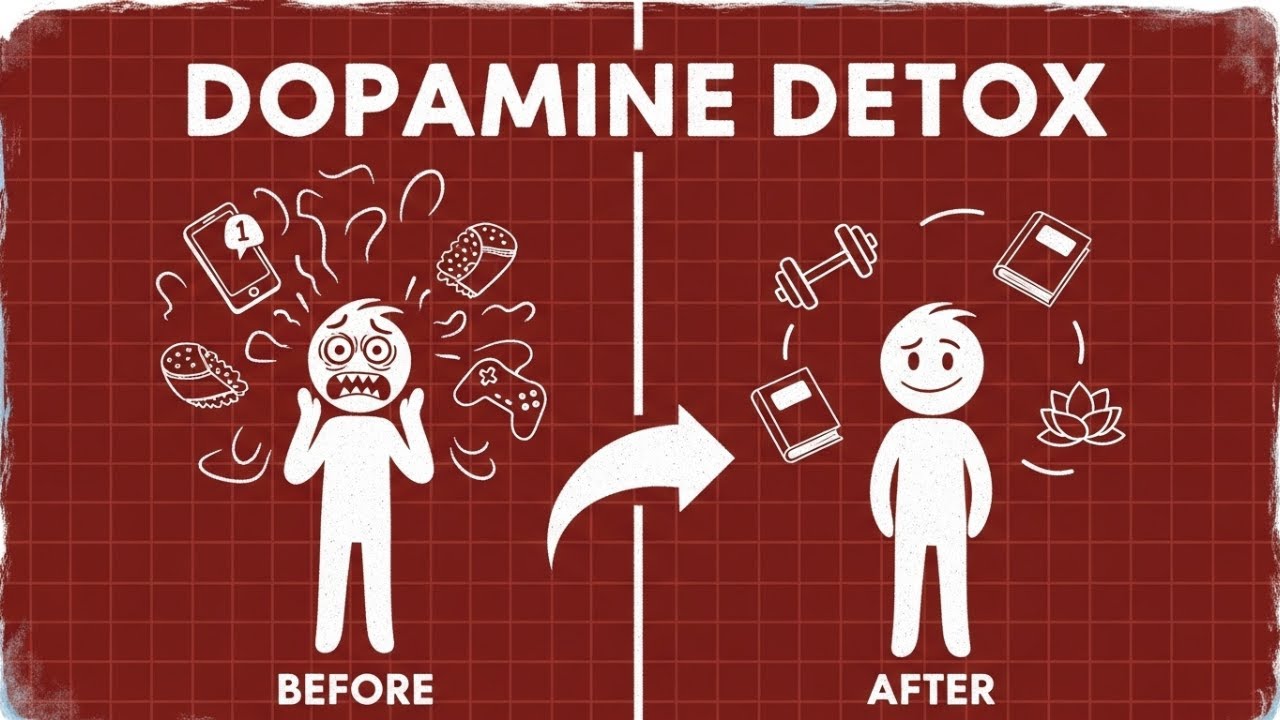
It started with a moment of embarrassment. I realized I’d spent forty minutes scrolling, not even remembering half the content I’d seen. Sound familiar? If you’ve ever felt like your attention is slipping away in tiny, almost invisible fragments throughout the day, you’re not alone. But what if there were a way to flip this ancient brain mechanic—built for survival but now hijacked by modern tech—so it actually helped you crave the hard stuff, the things that bring real, lasting satisfaction? Let’s dive into the weird, hope-filled world of dopamine detox—not as a fad, but as genuine brain remodeling.
The Ancient Brain Meets Algorithm: Why Modern Life Feels So Distracting
Right now, as you read this, a part of your brain is quietly asking: “Should I keep reading, or is there something easier and more fun to do?” This ancient calculation happens thousands of times a day. It’s not a flaw—it’s survival. Your brain evolved to conserve energy, always seeking the best return on investment for every action. This is the hidden engine behind the effects of social media on motivation and why discipline feels so hard in the digital age.
Your Brain’s Ancient Survival Code
Imagine life thousands of years ago. Food was scarce, danger was everywhere, and energy was precious. Your ancestors survived by choosing actions that promised the biggest reward for the least effort. This “effort vs. reward” calculation is still running in your head, even though the world has changed. Every time you decide whether to work, scroll, or snack, your brain is running a quick cost-benefit analysis.
Modern Life: Engineered for Easy Dopamine
Here’s the twist: today’s world is designed to hijack this ancient system. Every app, snack, and video is carefully engineered—A/B tested by teams of scientists—to deliver instant hits of pleasure with almost zero effort. Social media, junk food, and endless digital content are modern superstimuli, flooding your brain with easy dopamine. This is why the effects of social media on motivation are so powerful: the more you indulge, the less motivated you feel to tackle harder, more meaningful tasks.
Hijacked Neural Pathways: Why Discipline Gets Harder
When you choose the path of least resistance over and over, your brain adapts. This is called downregulation: your brain turns down the “volume” on its dopamine receptors, making everyday pleasures less satisfying. Suddenly, reading a book or working on a long-term goal feels boring compared to the instant buzz of a TikTok or YouTube short. It’s not that you lack willpower. As one expert put it:
Your brain isn’t broken, it’s being hacked.
Personal Example: When YouTube Shorts Win
Think about the last time you planned to read or focus, but ended up watching YouTube shorts for an hour. That wasn’t a personal failure—it was your ancient brain, outmatched by modern algorithms. The neuroscience of discipline shows that your nucleus accumbens (the motivation engine) is constantly seeking the easiest, most reliable dopamine hit. When high-dopamine activities are always available, discipline feels like swimming upstream.
The Dopamine System: Wanting, Not Just Pleasure
Dopamine isn’t just the “pleasure chemical”—it’s the “wanting” chemical. It spikes in anticipation, not just when you get a reward. That’s why you crave checking your phone, even if it rarely delivers something amazing. Over time, this constant stimulation rewires your brain, making it harder to find satisfaction in anything that requires effort.
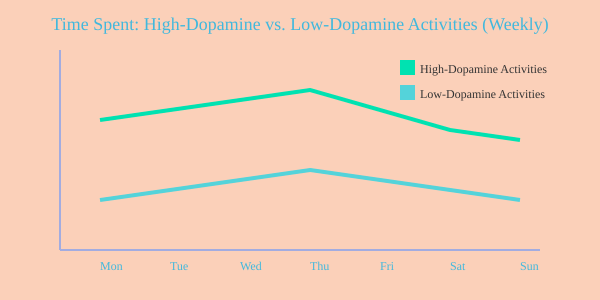
Your ancient brain is living in a superstimulus world. The slippery feeling of lost discipline? It’s not your fault—it’s a predictable outcome of billions spent on engagement science. Understanding the neuroscience of discipline and the effects of social media on motivation is the first step to overcoming instant gratification and reclaiming your focus.
The Dopamine Trap: How ‘Easy’ Rewards Downregulate Your Motivation
Have you ever noticed how the things that once brought you joy—reading a book, finishing a workout, or even savoring your favorite treat—just don’t hit the same anymore? This isn’t a sign that you’ve lost your discipline. It’s a direct result of how your brain adapts to the constant flood of “easy” dopamine from instant rewards. Welcome to the dopamine trap, where overcoming instant gratification becomes a true challenge.
The Neuroscience of Discipline: Understanding Dopamine Downregulation
Dopamine is your brain’s “motivation molecule.” It’s released whenever you experience something pleasurable or rewarding. But here’s where it gets dark: when you get too many easy dopamine hits—like endless scrolling on social media or binge-watching videos—your brain adapts. This process is called downregulation.
Downregulation means your brain literally decreases the number of dopamine receptors, turning down the volume on satisfaction. Imagine a dimmer switch turned up so high that normal light seems dim by comparison. Now, you need more stimulation just to feel the same level of interest or excitement. A book that once captivated you feels boring. A workout that once energized you feels impossible. Chores? Forget it. You’re not losing willpower—you’re experiencing a tolerance effect, just like with any other drug.
"You're experiencing a tolerance effect, just like with any other drug."
Effects of Social Media on Motivation
Social media and content overload are prime culprits. Studies show that people who spend over two hours a day on social media report increased boredom with offline activities. Your brain gets trained to expect constant, effortless rewards. Anything requiring sustained attention—like studying, working, or even having a real conversation—feels like punishment by comparison. The effort-to-reward ratio is all wrong. Real achievement can’t compete with the instant gratification of a quick scroll or a viral video.
Short-Term and Long-Term Effects
- Short-term: Activities that once felt rewarding now seem dull or exhausting.
- Long-term: Your pleasure threshold rises, and you crave constant stimulation just to feel “normal.”
This is why discipline isn’t lost—it’s undermined by your neurochemistry. The more you chase easy dopamine, the less motivated you feel for anything that requires real effort.
Personal Tangent: The Taste of Your Favorite Treat
Think back to the first time you tasted your favorite childhood treat. Remember how amazing it was? Now, after years of having it whenever you want, it just doesn’t spark the same joy. That’s dopamine adaptation at work. The more often you indulge, the less special it feels.
Neuroplasticity: The Brain’s Power to Rewire
The beautiful thing about neuroplasticity is that what can be broken can also be fixed. Your brain is constantly rewiring itself based on your habits. Every choice you make is either strengthening neural pathways for discipline or reinforcing pathways for distraction. The question isn’t whether your brain will change—it’s which direction you’re pushing it.
What is a Dopamine Detox?
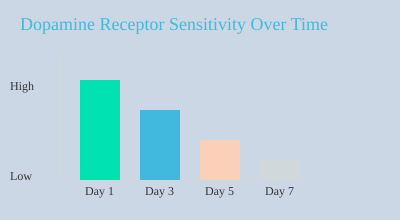
Despite the name, a dopamine detox isn’t about removing dopamine itself. Instead, it’s about avoiding activities that release high amounts of dopamine—like social media, junk food, or gaming—so your brain can reset its motivation and reward thresholds. Research shows that even 3-7 days of reduced stimulation can help restore dopamine receptor sensitivity and reignite your drive for effortful, meaningful activities.
Recalibrating the Wiring: What Actually Happens During a Dopamine Detox
When you hear the term Dopamine Detox Techniques, it might sound like you’re trying to flush dopamine out of your system. But that’s not what’s really happening. Dopamine is a natural and essential brain chemical; you can’t—and shouldn’t—try to eliminate it. Instead, a dopamine detox is about removing those high-impact, low-effort pleasures that flood your brain with instant gratification. Think social media, short-form videos, junk food, online shopping, games, or pornography. These are the “empty dopamine” triggers that keep your brain’s reward system stuck on overdrive.
Your Brain’s Dimmer Switch: The Sun-Blind Room Analogy
Imagine your dopamine system as a dimmer switch in a room that’s been set to maximum brightness for so long that regular daylight feels like darkness. When you’re constantly exposed to easy, artificial rewards, your brain’s baseline for pleasure shifts. A Mental Reset for Productivity through a dopamine detox is about turning down that dial—helping your brain recalibrate what “normal” feels like. You’re not becoming someone new; you’re returning to your natural baseline.
The Science of Reset: Upregulation and Sensitivity
When you cut out those overwhelming sources of easy pleasure, something remarkable happens: your dopamine receptors begin to upregulate. They become more sensitive. Suddenly, the simple satisfaction of finishing a task, the energy after a workout, or the calm after focused work starts to feel rewarding again. This is your brain’s way of rewiring itself for deeper, more sustainable motivation.
Withdrawal: Discomfort as a Marker of Progress
Here’s the truth: the first few days of a dopamine detox can be tough. You might feel restless, irritable, or even anxious. This is not weakness. This is withdrawal. Your brain has adapted to a certain level of stimulation, and now you’re pulling it away. As uncomfortable as it feels, remember:
The discomfort you feel is actually a sign that the process is working.
Your brain is being forced to adjust. This phase is temporary, but it’s where most people give up—mistaking discomfort for failure. In reality, that restlessness is your brain reorganizing itself. Push through it.
Practical Dopamine Detox Techniques: How to Start
- Identify your highest dopamine activities—not what you love most, but what gives you the most stimulation for the least effort.
- Common triggers include:
- Short-form video (TikTok, Instagram Reels)
- Social media scrolling
- Junk food
- Online shopping
- Mobile games
- Pornography
- Temporarily remove these triggers. You don’t have to quit forever—just long enough for your brain to reset.
- Pick a time frame: 3 days is the minimum, 7 days is better, and 14 days is transformative.
| Detox Period | Impact Level | Common Triggers |
|---|---|---|
| 3 days | Minimum effective reset | Social media, video, junk food |
| 7 days | Recommended for significant impact | Online shopping, games, pornography |
| 14 days | Transformative change | All high-impact, low-effort pleasures |
Remember, Rewire Brain for Motivation isn’t about willpower alone. It’s about giving your brain the space to reset, so you can rediscover deep fulfillment in the things that truly matter.
Trading Dopamine Hits for Deep Satisfaction: What to Do Instead
Nature abhors a vacuum—and so does your brain. When you remove the quick dopamine hits from your life, you can’t just leave empty space. If you want to truly rewire your brain for deep fulfillment, you need to replace dopamine-rich activities with slower, more meaningful ones. This is the secret to building intrinsic motivation and enjoying the benefits of delayed gratification.
Why Replacement Matters
It’s not enough to simply cut out mindless scrolling, endless snacking, or binge-watching. If you leave a void, your brain will crave those easy pleasures even more. Instead, fill that space with activities that offer slower, lasting rewards. Think of it as swapping fast food for a nourishing, home-cooked meal—your mind needs real sustenance, not just empty calories.
Ideas for Meaningful Replacement Activities
- Read a physical book instead of scrolling your phone.
- Cook a meal from scratch rather than ordering takeout.
- Go for a walk without headphones, letting your mind wander.
- Exercise in silence—no music, no podcasts, just you and your breath.
- Journal by hand to process your thoughts.
- Have a real conversation with someone, face to face.
From Boredom to Sparkle: The Brain’s Adjustment
At first, these activities might feel dull or even uncomfortable. That’s because your dopamine system is still tuned to high-intensity, instant rewards. But here’s the magic: as you persist, your brain starts releasing dopamine in anticipation of these slower, effortful activities too. You’re literally retraining your reward system.
After a few days of reading, your brain begins to associate opening a book with the satisfaction of learning something new. After a week of regular workouts, you’ll start to crave the endorphin rush and the sense of accomplishment that follows. This is neuroplasticity in action—your brain adapting and forming new, healthier habits.
Pleasure vs. Satisfaction: The Crucial Distinction
There’s a big difference between pleasure and satisfaction. Pleasure is immediate and fleeting. It comes from external stimulation—like a notification ping or a sugary snack—and requires no effort. Satisfaction, on the other hand, is delayed and lasting. It comes from internal accomplishment and always requires effort. Modern life bombards us with pleasure, but often leaves us empty of true satisfaction.
"You're literally retraining your reward system."
Real-Life Example
After a week off TikTok, even washing the dishes with music felt rewarding. Simple activities, once overlooked, become sources of genuine joy as your brain relearns what to value.
| Top Replacement Activities | Reported Benefits (After 1 Week) |
|---|---|
| Reading | Increased focus, enjoyment of learning |
| Exercise | Craving movement, sense of accomplishment |
| Conversation | Deeper connections, more presence |
| Creative Work | Flow state, pride in progress |
| Cooking | Mindfulness, satisfaction of creation |
Sustainable change isn’t just about subtracting distractions; it’s about filling the space intentionally with activities that bring lasting reward. By replacing dopamine-rich activities with meaningful alternatives, you’re building intrinsic motivation and discovering the true benefits of delayed gratification.
Neuroplasticity: The Secret Sauce for Lasting Change (and Why It’s Never Too Late)
Imagine your brain as a living, breathing city. Every time you make a choice—whether to scroll your phone or tackle a tough project—you’re paving new roads. Neuroplasticity is your brain’s remarkable ability to rewire itself, creating new highways for discipline or carving out back alleys for distraction. The best part? This process never stops. No matter your age or past habits, you can always build new routes toward deep fulfillment and sustainable habits.
Every Choice Shapes Your Brain
Each decision you make is a vote for the person you want to become. When you choose discipline over distraction, you’re not just resisting temptation—you’re physically strengthening the advanced parts of your brain. As one researcher put it:
Every time you choose discipline over distraction, you're quite literally strengthening the advanced parts of your brain.
Specifically, you’re activating your prefrontal cortex, the region responsible for planning, decision-making, and self-control. This is the part of your brain that turns impulse into intention, and it grows stronger with every act of delayed gratification.
Delayed Gratification: Turning Impulse Into Intention
When you resist the urge for instant pleasure and instead work toward a meaningful goal, something powerful happens. Studies using brain imaging show that delayed gratification lights up the prefrontal cortex. Over time, this practice boosts your ability to plan, make decisions, and stick to your commitments. In fact, research suggests it takes anywhere from 21 to 66 days of repeated effort to form a new habit—proof that habit formation is a process, not an event.
Building Highways, Not Alleys
Think of creating sustainable habits like paving highways through your mental city. The more you travel these routes—choosing discipline, practicing willpower, and delaying gratification—the smoother and faster they become. Meanwhile, the old alleys of distraction and impulse start to fade from disuse. This is the essence of neuroplasticity and habit formation: the brain literally reshapes itself to make your chosen behaviors easier and more automatic.
The Power of Satisfaction Over Pleasure
Here’s what nobody tells you: Satisfaction actually produces more dopamine over time than pleasure does. When you accomplish something difficult or push through resistance, your brain rewards you with a potent mix of dopamine, serotonin, and endorphins. This is the runner’s high athletes chase, the deep contentment creators feel after hours of focused work, and the lasting joy that comes from discipline. It’s far more powerful than any fleeting notification or quick hit of pleasure.
Strategies for Improving Willpower
- Practice delayed gratification: Start small—wait five minutes before checking your phone or eating a treat.
- Use cognitive behavioral techniques: Challenge automatic thoughts and replace them with intentional actions.
- Repeat, repeat, repeat: Consistency is key. Every repetition strengthens your neural pathways.
Over time, what once felt effortful becomes effortless. Willpower isn’t infinite, but habits can make discipline feel natural. Thanks to neuroplasticity, you truly can teach an old brain new tricks—and the more you flex these mental muscles, the more natural deep fulfillment becomes.
Environment and Community: Your Secret Weapons Against Slipping Back
Discipline doesn’t thrive in a vacuum. If you want to rewire your brain for deep fulfillment, your environment and community are your secret weapons. The impact of community on discipline and the way you design your surroundings can make or break your progress. Here’s how to make your world work for you, not against you.
Engineer Your Surroundings for Success
Your brain is always looking for the path of least resistance. If your phone is next to your bed, you’ll check it first thing in the morning. If healthy food is prepped and visible, you’ll eat it. These aren’t just random observations—behavioral economics studies show that preparation acts, like laying out workout clothes or preparing snacks, increase the likelihood of action by 2-3x.
- Delete social media apps from your phone to reduce temptation.
- Use website blockers on your devices to make distractions harder to access.
- Put your phone in another room when you need to focus.
- Lay out your workout clothes the night before to make exercise effortless to start.
- Prep healthy snacks and keep them in sight—make junk food inconvenient.
Every barrier you put between yourself and distraction is a vote for the person you’re trying to become. Design your life so that dopamine-rich activities require effort, while satisfaction-building habits are easy to start. This is one of the most powerful strategies for improving willpower—not by relying on brute force, but by making good choices the default.
The Power of Community: Motivation is Contagious
There’s a social component to habit change that’s often overlooked. The people around you are constantly influencing your dopamine baseline. If everyone in your circle is scrolling, binge-watching, and chasing instant gratification, you’ll be pulled in that direction. But if you surround yourself with people who value focus, discipline, and deep work, their habits become contagious.
- Seek out communities that reinforce the behaviors you want to develop—join a running group, a writing circle, or a mastermind.
- Find accountability partners who are on the same journey. Social support raises follow-through rates significantly—group commitments outperform solo efforts by up to 65% (peer-reviewed research).
- Be intentional about who you spend time with and what activities you do together. You don’t have to abandon old friends, but you can choose to invest more in relationships that support your growth.
Ever joined a book club just for the cake, but stayed for the shared progress? Turns out, the social layer keeps you coming back. When you see others striving for the same goals, it normalizes discipline and makes creating sustainable habits feel less like a lonely battle and more like a shared adventure.
Support Your Brain: Nutrition and Supplements
While you’re reshaping your environment and community, don’t forget your brain’s physical needs. Proper nutrition and supplements can support brain health during a dopamine detox by enhancing blood circulation and neurogenesis. Think of it as laying a strong foundation for your new habits to take root.
Every barrier you put between yourself and distraction is a vote for the person you’re trying to become.
The Real Cost of Comfort: Why Chasing Pleasure Leaves You Empty (and How to Choose Fulfillment Instead)
Let’s address the elephant in the room: you might be thinking, “Why would I want to make life harder? Isn’t comfort the goal?” It’s a fair question, but here’s the truth—what feels easy right now is actually making things much harder for your future self. This is the hidden cost of comfort, and understanding it is the first step to rewire your brain for motivation and deep fulfillment.
Short-Term Pleasure vs. Long-Term Satisfaction
When you reach for your phone, scroll endlessly, or binge on distractions, it’s like eating junk food when your body is craving a real meal. Sure, it’s easy and instantly gratifying, but it leaves you feeling empty, anxious, and unsatisfied. That’s the difference between Long-term Satisfaction vs. Pleasure: pleasure is quick and fleeting, while satisfaction is earned and lasting.
Research shows that building intrinsic motivation—the drive that comes from within—leads to greater happiness and well-being than chasing external rewards. When you choose the easy path, you’re actually training your brain to expect constant stimulation. Over time, this weakens your ability to focus and enjoy deeper rewards. In contrast, sustained focus and effort strengthen the neural pathways responsible for self-control and resilience. This is the science behind the benefits of delayed gratification: after effortful achievement, your brain releases a powerful mix of endorphins, serotonin, and dopamine, giving you a sense of accomplishment and joy that quick pleasures can’t match.
Why Discipline Feels Hard (and Why That Changes)
Right now, discipline might seem miserable. That’s because your brain’s reward system is hijacked by easy dopamine hits—likes, notifications, and endless entertainment. From this state, effort feels like a struggle. But here’s the shift: after a dopamine reset, your brain recalibrates. Suddenly, discipline feels easier than distraction. As one powerful insight puts it:
Discipline leaves you feeling accomplished, confident, and in control.
Which is actually harder: spending your days chasing dopamine hits that never satisfy, or building a life where effort itself becomes rewarding?
Comfort’s Hidden Trap: Losing Control
If you’re honest, you’re probably not in control right now. Your phone decides when you feel bored. Algorithms decide what you think about. Apps decide how you spend your time. That’s not freedom—it’s hijacking. True freedom is having a brain that works for you, not against you. It’s being able to choose hard things and actually enjoy doing them.
On the Other Side: Deep Fulfillment
After the initial discomfort of a dopamine reset, something incredible happens. You wake up excited about your work. You go to bed satisfied instead of guilty. You feel aligned—your actions finally match your intentions. Studies show that after periods of digital or dopamine fasting, intrinsic motivation rises measurably. This is the real reward: deep satisfaction, excitement for hard work, and a sense of control over your day.
The path of least resistance in the short term is actually the path of most resistance in the long term. When you choose challenge over comfort, you’re not just building discipline—you’re building a life that feels energized, aligned, and truly rewarding.
Making It Stick: Micro-Commitments & Mindful Observation
Real, lasting change isn’t about overhauling your entire life overnight. It’s about small, practical steps—micro-commitments—that you can actually keep. When it comes to Dopamine Detox Techniques and a true Mental Reset for Productivity, the magic is in choosing one single source of ‘empty dopamine’ and committing to a short, focused experiment. This is how you start rewiring your brain for deep fulfillment, one decision at a time.
Step One: Identify Your Biggest Distraction
Every moment, you’re either reinforcing discipline or reinforcing distraction. Take a breath and ask yourself: What’s the single highest source of empty dopamine in my life? Is it endless scrolling, gaming, junk food, or something else? Don’t overthink it—just pick the one that stands out. This is your starting point.
Step Two: The One-Week Micro-Commitment
Now, commit to removing that one source for just seven days. Not forever—just a week. This is your mini-experiment, a cornerstone strategy for improving willpower. During this time, you’ll notice the restlessness, the cravings, and the urge to fill the gap. Document everything—journal the highs, the lows, and the moments you almost give in. This simple act of observation is powerful; it’s mindfulness in action, and it’s backed by science. Mindfulness activities like meditation and yoga can further support your dopamine regulation and mental well-being during this period.
Small, practical changes (with scientific backing) can make discipline feel good again.
Step Three: Mindful Observation—Track the Shift
Watch what happens as the days pass. At first, effort might feel punishing. But as your dopamine system resets, you’ll notice the pull toward distraction weakens. The pull toward meaningful work—reading, creating, moving your body—grows stronger. This is neuroplasticity at work: your brain is literally rewiring itself. As you document your experience, you’ll see your relationship with effort shift. When does prepping a healthy meal or tackling a project start to feel satisfying, not like a chore?
Personal aside: I couldn’t believe it when prepping veggies became my favorite wind-down after my own detox. The old me would have scrolled through social media instead. But with each day, the satisfaction of real effort started to outweigh the fleeting buzz of distraction.
Step Four: Reflect and Realign
Reflection is key. Recording your progress doesn’t just help you see how far you’ve come—it actually boosts your motivation and helps you aggregate small wins. This is how you build momentum. Remember: it’s not about perfection, but about realignment. Let your daily choices move you closer to your values.
- Pick one empty dopamine source
- Commit to a 7-day detox
- Document your experience daily
- Notice when effort becomes enjoyable
- Celebrate every small win
Be patient. Keep making conscious choices. Momentum builds faster than you expect. The reset becomes your new foundation—and with each micro-commitment, you’re not just building discipline, you’re making it feel good again.
FAQ: Your Dopamine Detox and Motivation Questions Answered
If you’re reading this, you’re already curious about how to rewire your brain for deeper fulfillment. Maybe you’ve heard about dopamine detox techniques, or you’re wondering if strategies for improving willpower and the neuroscience of discipline can really change your life. Let’s clear up the confusion and answer your most pressing questions, so you can step confidently onto the path of transformation.
What is dopamine detox, really, and does it actually work?
Dopamine detox isn’t about eliminating pleasure or punishing yourself. It’s about giving your brain a break from constant, easy rewards—like scrolling, snacking, or binge-watching—so you can rediscover the satisfaction of doing hard things. Neuroscience shows that when you reduce overstimulation, your brain’s reward system resets. This makes meaningful activities, like learning, creating, or connecting, feel more rewarding again. The process works, not by magic, but by letting your brain breathe and recalibrate.
How long should a detox last for real effects?
You don’t need to disappear for a month or live like a monk. Research and real-life stories suggest that even a single day of intentional detox can spark change. For lasting effects, try regular “dopamine fasts” from digital noise or junk habits—maybe a few hours each day, or a full day each week. Sustainable change is about balance and clarity, not extremes.
Will this reset kill my social life or creativity?
Not at all. In fact, stepping away from shallow distractions often frees up energy for deeper relationships and creative flow. Many people find that after the initial discomfort, they feel more present with friends, more inspired, and more motivated to pursue meaningful goals. Remember, you’re not cutting out joy—you’re making space for a richer kind.
What if I mess up and binge?
Everyone slips. The key is not to judge yourself harshly. Neuroscience of discipline teaches us that willpower grows through practice, not perfection. If you binge, notice what triggered it, reset, and try again. Each attempt rewires your brain a little more. The only real failure is giving up on yourself.
Are there risks or side effects?
For most people, dopamine detox is safe. You might feel bored or restless at first, but these feelings pass. If you have a history of mental health issues, talk to a professional before making big changes. Remember, moderation and proper information demystify the process for all ages.
How to make discipline stick past the first week?
Start small and build gradually. Use habit-building strategies: set clear intentions, track your progress, and celebrate wins. Surround yourself with support, and remind yourself why you started. The neuroscience of discipline shows that every time you choose discomfort over distraction, you strengthen your willpower.
Can this work for kids, students, or older adults?
Absolutely. The principles of dopamine detox and motivation apply to everyone. Kids and students benefit from learning to focus and delay gratification. Older adults can rediscover purpose and joy. Sustainable change is possible at any age.
Your brain is ready to be rewired. The only question is, are you ready to do it?
On the other side of temporary discomfort is permanent transformation. If you’re ready to crave hard things and love doing them, start with a single choice: let your brain breathe. For more digital wellbeing and habit-building resources, check out the links below and take your first step toward deep fulfillment today.
TL;DR: If you want real motivation and satisfaction—not just fleeting pleasure—ditch the easy dopamine for a week, embrace the discomfort, and watch your brain start to crave the things that make you stronger. Small, practical changes (with scientific backing) can make discipline feel good again. Ready to test it?
Post a Comment