

A few years ago, I woke up to the smell of burnt toast at 3AM. The twist? I lived alone, and the crumbs matched none of my breads. Turns out, sleep—with its quirks and chaos—is far stranger than we admit. Forget the tired clichés: sleep is not just recharging, it’s a wild ride from midnight crimes to misunderstood dangers lurking in our bedrooms. If you’re here to get the truth about what really happens at night—beyond boring sleep hygiene lists—strap in. We're busting myths, poking at taboos, and diving into decades of clinical experience from Europe's top sleep minds.
1. Sleep Disorders: Stranger Than Fiction (And Sometimes Scarier)
If you think sleep is a peaceful escape, think again. The world of Sleep Disorders is far stranger—and sometimes scarier—than most people realize. You might have heard stories about people talking in their sleep, but research and real-life cases show that some individuals do much more than mumble. Imagine waking up to find you’ve cooked a meal, driven a car, or even committed a crime—all while fast asleep. As Dr. Guy Leschziner, a leading sleep neurologist, puts it:
"I've seen patients cooking a meal in their sleep, driven in their sleep, committed crimes in their sleep." (0.00-0.06)
One of the most infamous Sleepwalking Legal Cases is that of Kenneth Parks. In 1987, Parks drove several miles to his in-laws’ house, attacked them, and then turned himself in—all while sleepwalking (0.06-0.18). The court ultimately acquitted him, thanks to expert testimony confirming a verified sleep disorder. This case highlights just how complex—and controversial—Neurological Diversity Sleep Disorders can be when they intersect with the law.
Extreme Sleep Behaviors: More Than Just Walking
You might wonder: how common are these extreme sleep behaviors? The answer is, thankfully, not very. Studies from large sleep disorder centers, analyzing over 100,000 patients, show that less than 2% of adults experience complex sleepwalking behaviors like driving or physical aggression. Still, with millions of adults suffering from some form of sleep disorder, even rare events add up.
Legal and Ethical Dilemmas
The Kenneth Parks case isn’t unique. Courts have faced the difficult question: can someone be held responsible for actions committed in a state of unconsciousness? Legal systems do occasionally acquit on the grounds of sleep disorders, but only when expert neurology testimony is rock-solid. These cases force us to confront ethical dilemmas about free will, responsibility, and the mysterious workings of the sleeping brain.
What Sleepwalking Really Is (And Isn’t)
There are plenty of misconceptions about sleepwalking. It’s not just a quirky habit or a harmless midnight stroll. True sleepwalking is a complex disorder, often linked to neurological diversity—meaning the brains of people with these conditions process sleep differently. Some may wake up far from home, with no memory of how they got there. Others might engage in risky or even dangerous behaviors, all while their conscious mind is offline.
- Sleepwalking (Somnambulism): Can involve walking, eating, or even driving while asleep.
- REM Behavior Disorder: Acting out dreams, sometimes violently.
- Night Terrors: Sudden, intense fear and movement during sleep, mostly in children.
Imagine waking up in a strange place, completely clueless about how you got there. It sounds like fiction, but for some, it’s a recurring reality. These stories remind us just how little we truly understand about the sleeping mind—and why ongoing research into Sleep Disorders and Neurological Diversity Sleep Disorders is so vital.
Mind map: Types of extreme sleep disorders, their legal implications, and how frequently they occur in the population.
2. Behind Closed Doors: Life in Europe’s Largest Sleep Clinic
Step inside the Dr. Guy Leschziner Sleep Clinic at St. Thomas’s Hospital, and you’ll find a world that rarely makes headlines but quietly shapes our understanding of sleep disorders. This isn’t just another hospital ward—it’s Europe’s largest sleep disorder center, and every night, it transforms into a hub of scientific discovery and human stories (6.29-6.31).
What Happens in a Real Sleep Laboratory?
Imagine arriving at the clinic late in the evening, a little anxious and unsure about what to expect. You’re one of ten patients admitted that night, each assigned to a private room filled with unfamiliar gadgets and wires. The lights dim, but the work is just beginning for the team. It’s not unusual for patients to feel awkward—one might accidentally unplug a sensor while tossing and turning, another might snore so loudly that even the staff in the control room chuckle. These midnight moments, sometimes embarrassing, are all part of the process.
The Multidisciplinary Team: More Than Just Doctors
Behind the scenes, a dedicated team of 15 consultants and 50 staff members keeps the clinic running smoothly (6.51-6.54). Their expertise spans neurology, respiratory medicine, psychology, and nursing. Every night, they rotate patients through the clinic’s ten beds, ensuring each person receives careful monitoring and support. It’s a true team effort, and no two nights are ever the same.
Who Comes Here? A Spectrum of Sleep Disorders
The variety of cases is staggering. The most common is sleep apnea, where people stop breathing repeatedly during the night. But you’ll also find patients with restless leg syndrome, narcolepsy, extreme sleepwalking, and rare conditions that even seasoned specialists find puzzling (6.57-7.13). The clinic’s broad reach means it sees people of all ages and backgrounds, each with a unique story and set of challenges.
How Sleep Is Studied: Gadgets, Wires, and Data
Studying sleep is a high-tech affair. Patients are connected to monitors that track brain waves, breathing, heart rate, and movement. The data collected overnight is invaluable—not just for diagnosing individuals, but for advancing global research on sleep disorders. As Dr. Leschziner notes, “We see about 10,000 patients a year... probably upward of 100,000 overall at the Center.” (7.31-7.44)
Insider Statistics: A Global Hub for Sleep Data
| Metric | Value |
|---|---|
| Inpatient Beds | 10 |
| Patients Seen Annually | 10,000 |
| Sleep Studies Per Year | 2,500 |
| Total Patients Reviewed (10+ years) | 100,000+ |
| Staff Experts | 50 |
| Consultants | 15 |
These numbers are more than just statistics—they represent a treasure trove of data that helps researchers worldwide understand sleep disorders and their impact. Research shows that large specialty centers like the Dr. Guy Leschziner Sleep Clinic are driving advances in diagnosis and treatment, fueling the rapid growth of the Sleep Disorder Market Size globally.
Why Sleep Medicine Is Never Dull
Each night brings new challenges and lessons in humility. The sheer variety of cases, the unpredictability of human sleep, and the constant evolution of technology mean that no two shifts are ever the same. For patients and staff alike, the clinic is a place of discovery—sometimes awkward, often enlightening, and always vital to our understanding of sleep disorders.
3. Sleep by the Numbers: What the World Gets Wrong (And Right) About Sleep Health
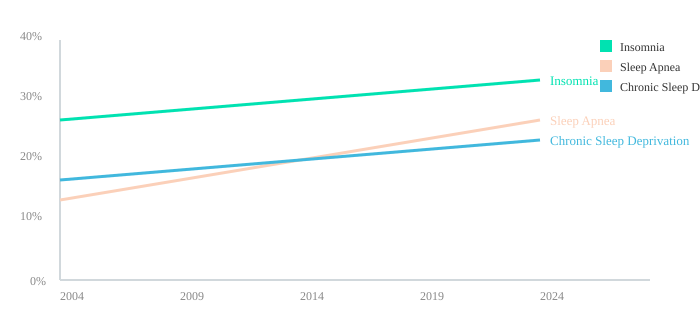
When you look at the latest Sleep Disorder Statistics, it’s clear that sleep health is a global issue—one that’s often misunderstood or underestimated. Research shows that about 20% of adults worldwide are chronically sleep deprived (13.16–13.22). That means one in five people simply aren’t getting enough rest, largely due to lifestyle choices and the low priority many place on sleep. The consequences? Far-reaching, from increased risk of heart disease and diabetes to anxiety and poor daily performance.
But sleep deprivation isn’t the only problem. Insomnia—the frustrating experience of wanting to sleep but being unable to—affects up to 30% of adults each year (13.32–13.37). For about 10% of adults, insomnia becomes chronic, lasting for months at a time and deeply impacting quality of life (13.55–14.05). As one expert put it,
"30% will experience insomnia and 80% of people in the UK don't know that they've got sleep apnea."
It’s a striking reminder of how much remains hidden beneath the surface. Obstructive Sleep Apnea (OSA), for example, is an “unseen epidemic.” It affects 39 million adults in the US and an estimated 936 million globally (14.09–14.22). OSA is more than just snoring—it’s a condition where your airway narrows during sleep, causing repeated brief awakenings (often without you realizing it), and disrupting your rest. Studies indicate that sleep apnea prevalence has surged, especially among adults aged 50 to 70, due to physiological changes that increase airway obstruction risk.
The world of sleep disorders doesn’t stop there. Conditions like sleepwalking, narcolepsy, and restless leg syndrome are also common, though less frequently discussed. Each comes with its own set of challenges, and together, they paint a picture of a society struggling to get the rest it needs.
Who Suffers Most—and Why?
Sleep health problems don’t affect everyone equally. Gender, age, and even societal factors play a role. For example, women are more likely to report insomnia, while men have higher rates of sleep apnea. Older adults face increased risk due to changes in body composition and sleep architecture. Shift workers and those with irregular schedules are also at higher risk, highlighting the impact of modern lifestyles on sleep health.
The Growing Sleep Disorder Market
With so many affected, it’s no surprise that the Sleep Disorder Market Size is booming. In 2024, the global market was valued at $27.6 billion, and it’s projected to grow at a 10.1% CAGR through 2034. This surge is driven by rising prevalence, greater awareness, and new treatments like Cognitive Behavioral Therapy (CBT) and CPAP devices. Yet, despite these advances, most sufferers remain undiagnosed or untreated—leaving a hidden burden on individuals and society.
Is Sleep Less Important Than We Think… or Even More?
Sometimes, it’s tempting to wonder if we obsess too much over sleep. But the numbers—and the science—suggest the opposite. Chronic sleep deprivation, insomnia, and sleep apnea aren’t just nuisances; they’re public health challenges with real, measurable impacts. As research continues to reveal, sleep is not a luxury—it’s a necessity.
4. From Dream to Reality: Science, Myths, and the Hope for Better Rest
Let’s be honest: sleep is one of those things you do every night, but if you’ve ever fallen down a midnight Wikipedia rabbit hole (guilty!), you know that even the experts are still scratching their heads about why we really need it (8.13-8.27). Sure, you spend about a third of your life “switched off,” but science is only just beginning to unravel the mysteries behind sleep’s true purpose. As Dr. Leschziner puts it,
“Sleep is of the brain, by the brain, and for the brain.”(8.56-9.01)
Circadian Rhythms, Sleep Quality, and the Jazz of Nightly Routines
Here’s a fascinating Sleep Medicine Fact: every living thing on Earth, from humans to humble bacteria, runs on a 24-hour clock called the circadian rhythm (10.24-10.42). This rhythm powers every cell in your body, dictating when you feel awake, sleepy, or somewhere in between. Melatonin, the so-called “sleep hormone,” plays a starring role in this process, helping regulate your sleep-wake cycles. But here’s where it gets interesting—research shows that Circadian Rhythms Sleep Quality is more about your natural variation than rigid rules. Not everyone needs exactly eight hours, and obsessing over a perfect sleep schedule can actually make things worse.
Think of your nightly routine as a jazz composition. Sometimes it’s messy, sometimes it’s brilliant, and it’s never quite the same twice. If you’ve ever felt like your sleep is out of tune, you’re not alone. Over one-third of Americans sleep less than the recommended seven hours per night, and nearly half of workers report daytime tiredness. The global sleep disorder market is booming, and treatments like Cognitive Behavioral Therapy and CPAP devices are gaining traction as more people seek help for insomnia, sleep apnea, and other issues.
Strange Sleep Science: Dolphins, Birds, and Evolution’s Gamble
Why would evolution risk making us “switch off” for a third of our lives? If sleep wasn’t crucial, it would be a pretty silly design. Yet, the animal kingdom has found some clever workarounds. Dolphins and some birds can sleep with half their brain awake, keeping one eye open for predators or the need to surface for air (9.45-10.02). This isn’t just a fun fact—it’s a clue to sleep’s deep importance. If evolution has gone to such lengths to preserve sleep, it must be vital for survival.
| Sleep Science Discovery | Why It Matters |
|---|---|
| Dolphins & birds sleep with half their brain awake | Shows sleep is so essential, evolution found ways to keep animals safe while resting |
| All lifeforms have 24-hour circadian rhythms | Proves sleep cycles are fundamental to biology, not just a human quirk |
| Sleep habits change with age & environment | Highlights natural variation and the need for flexible sleep expectations |
Myth-Busting: Sleep Perfectionism and Old Clichés
Maybe you’ve heard the phrase “sleep is for wimps.” Science says otherwise. In fact, the pressure to achieve perfect sleep—eight hours, every night, without fail—can backfire. Studies indicate that sleep obsession, or “sleep perfectionism,” may actually make you a worse sleeper. Instead, understanding your own circadian rhythm and embracing some flexibility can lead to better rest and improved Melatonin Sleep Regulation.
So next time you find yourself worrying about your sleep, remember: your body’s rhythms are unique. Let your sleep routine be a little like jazz—improvised, adaptive, and always evolving.
5. Fixing Your Sleep: Therapy Options Beyond Pills
If you’ve ever struggled to fall asleep—or stay asleep—you’re not alone. Insomnia is incredibly common, and for years, the go-to solution was a prescription pad. But here’s the good news: science now offers far more effective, lasting sleep disorder treatment options that don’t involve pills. In fact, research shows that Cognitive Behavioral Therapy (CBT) is the gold standard for chronic insomnia, helping about 80% of people improve their sleep (1.14–1.17). That’s a game-changer.
Why CBT (Not Sleeping Pills) Is Now the Gold Standard
Let’s be honest—sleeping pills can seem like a quick fix. But are they really the answer? According to experts, “
The gold standard treatment now is...” (1.27–1.30)—and they’re talking about CBT, not medication. While pills might help you drift off for a night or two, they often come with side effects, risk of dependence, and sometimes even make sleep problems worse in the long run (1.20–1.22). That’s why more doctors are steering away from pharmaceuticals except in severe or acute cases.
What Is CBT for Sleep, Really?
CBT for insomnia (CBT-I) isn’t just “talk therapy.” It’s a structured program that helps you identify and change thoughts and behaviors that sabotage your sleep. You’ll learn how to:
- Break the cycle of worrying about sleep
- Establish a consistent sleep schedule
- Challenge unhelpful beliefs (“I’ll never sleep well again!”)
- Adopt practical sleep hygiene tips—like limiting screen time before bed and creating a restful environment
My own first attempts at CBT-I included some pretty silly bedtime rituals—like reading the same boring paragraph over and over, or getting out of bed if I couldn’t sleep. It felt strange at first, but the science is clear: up to 80% of people see real improvement (1.14–1.17).
Other Non-Drug Therapies for Insomnia
Beyond CBT, there are other non-drug therapies for insomnia that can make a big difference:
- Light exposure therapy: Getting sunlight in the morning helps reset your body clock.
- Behavioral hacks: Only use your bed for sleep and intimacy. If you can’t sleep, get up and do something relaxing until you’re tired.
- Unplugging: Avoid screens and bright lights at least an hour before bed.
- Mindful relaxation: Try deep breathing or gentle stretching to wind down.
Why Sleep Tablets Aren’t Always the Answer
It’s tempting to reach for a pill, but studies indicate that non-drug techniques often outperform medication in the long run (1.22–1.25). Pills can mask the real issues, and sometimes, they even make insomnia worse. That’s why experts recommend focusing on sleep hygiene tips and behavioral strategies first.
Little-Known Practical Strategies
So, what can you try tonight? Here are a few lesser-known tricks:
- Keep a sleep diary to spot patterns
- Set a regular wake-up time—even on weekends
- Limit caffeine and alcohol, especially in the evening
- Experiment with gentle background noise or white noise
Remember, you don’t need a prescription pad to start turning your sleep around. With the right sleep disorder treatment options, you can reclaim your nights—no pills required.
6. Living at the Extremes: How Sleep Disorders Reveal Who We Are
Have you ever wondered why some people experience the world so differently? For neurologists and sleep specialists, it’s not just a passing curiosity—it’s a driving force. As one expert put it,
“I’ve always been fascinated why we are the way that we are... the core of that is our brain.”(2.37–2.46). This fascination often leads them to study the outliers: people living with rare or extreme sleep disorders. These cases aren’t just medical oddities—they’re windows into what makes us human.
Why Outliers Matter: Learning from the Edges
When you look at the extremes of human experience, especially in the realm of sleep disorders, you start to see patterns that inform our understanding of everyone else. Neurologists often encounter individuals whose brains have “gone off script”—whether that’s through rare conditions like narcolepsy, severe insomnia, or even sleepwalking that leads to legal cases (2.54–3.06). These aren’t just technical problems; they reveal how sleep shapes our personalities, our food choices, and even our capacity for aggression.
Not Just Technical: Sleep and Everyday Behavior
Sleep isn’t just about rest. Research shows that a single night of sleep deprivation can trigger increased calorie intake and poor decision-making. There are strong links between sleep disorders and changes in mood, food cravings, and even criminal behavior. For example, people with sleep apnea or chronic insomnia often report personality changes—becoming more irritable, impulsive, or withdrawn. These personality changes due to sleep are not just theoretical; they play out in real life, affecting relationships, work, and overall well-being.
Cases from the Edge: What Happens When the Brain Goes ‘Off Script’
Consider patients who experience dramatic personality flips after a bout of severe sleep loss, or those who develop intense food cravings in the middle of the night. Some even experience dream confusion—waking up unsure if their dreams were real. These stories might sound extreme, but they highlight how sleep and weight management are deeply connected. In fact, studies indicate that sleep deprivation can disrupt hormones that regulate appetite, pushing people toward unhealthy eating patterns.
Universal Lessons from Rare Disorders
Why focus on these rare cases? Because they illuminate universal truths. When you see how a sleep disorder can completely alter someone’s perception of reality or their behavior, you start to appreciate how much sleep influences every aspect of our waking lives. As noted in the transcript (3.36–4.13), neurologists often find that the quirks and extremes teach us the most—not just about those affected, but about the rest of us, too.
- Sleep Disorders can affect anyone, not just those with rare conditions.
- Understanding Personality Changes Sleep helps explain everyday mood swings and irritability.
- Sleep and Weight Management are tightly linked, with sleep loss driving unhealthy cravings.
Ultimately, studying the extremes isn’t just about helping a few—it’s about finding solutions that can improve sleep, health, and quality of life for everyone.
7. The Future of Sleep: Technology, Awareness, and What's Next
Sleep is no longer just a nightly routine—it’s a booming industry and a hot topic in health circles. If you’ve noticed more people talking about sleep, tracking their sleep, or even sharing sleep stats on social media, you’re not imagining things. The future of sleep is being shaped by technology, growing public awareness, and a rapidly expanding market. Let’s explore what’s changing, and why it matters for you.
Sleep Trackers and Home Diagnostics: Blessing, Curse, or Mixed Bag?
Wearable sleep trackers, smart mattresses, and home diagnostic devices are everywhere. These gadgets promise to help you understand your sleep patterns, spot problems early, and even “optimize” your rest. But is all this tech a blessing, a curse, or something in between?
- On the plus side, sleep trackers can highlight issues like insomnia or sleep apnea that might otherwise go unnoticed (see transcript 5.54-6.01).
- However, some experts warn about “sleep perfectionism”—the anxiety that comes from obsessing over sleep data. Sometimes, the numbers don’t tell the full story, and chasing perfect sleep can actually make things worse.
This surge in Sleep Trackers Health Awareness is changing how people approach their nights, but it’s also raising new questions about what healthy sleep really means.
Sleep Disorder Market Growth: A $27.6 Billion Industry
Behind the scenes, the Sleep Disorder Market Growth is staggering. The global sleep disorder market reached $27.6 billion in 2024, and it’s expected to keep growing at over 10% per year through 2034. What’s fueling this boom?
- More people are being diagnosed with sleep disorders like sleep apnea, restless leg syndrome, and insomnia—thanks in part to better technology and rising awareness (transcript 6.01-6.17).
- Modern lifestyles—think stress, screen time, and irregular work hours—are making sleep problems more common.
- New treatments, from CPAP machines to cognitive behavioral therapy, are gaining traction and driving demand.
As the market grows, so does the need for reliable Sleep Medicine Statistics and up-to-date information for patients and doctors alike.
Awareness Campaigns: Sleep Is Finally Trending
It’s not just the tech and treatments—Sleep Disorder Awareness Campaigns are making a real difference. Public health campaigns, celebrity stories, and media coverage have all helped bring sleep into the spotlight. As one expert put it:
"Awareness campaigns and educational programs have improved recognition and diagnosis of sleep disorders."
Research shows that more people are seeking help for sleep issues, and diagnosis rates are rising. This shift is helping to break down stigma and encourage open conversations about sleep health.
What’s Next? Smarter Therapies, New Anxieties, and the Magic of Dreams
Looking ahead, the next decade could bring even smarter therapies and more personalized diagnostics. Imagine custom sleep plans based on your genetics or brain activity. But there’s a twist: as we get better at “optimizing” sleep, could we lose the magic—or even the danger—of dreams?
Some neurologists point out that many sleep disorders, from narcolepsy to sleepwalking, have roots in the brain (transcript 6.05-6.22). As science digs deeper, we may find new ways to treat these conditions—or new reasons to appreciate the mysteries of sleep.
8. Conclusion: Sleep Isn’t Simple, But Hope Isn’t Out of Reach
Let’s be honest—sleep is one of those things that seems simple until you actually try to get it right. You’ve probably heard a hundred different tips, warnings, and stories about what makes for “good sleep.” Yet, as research shows, our understanding of sleep is still evolving, and so are the strategies for managing it. If you’ve ever wondered why sleep feels so mysterious, you’re not alone. Science reveals that the rhythms guiding our rest are as old as life itself, with every living thing on Earth shaped by a 24-hour circadian cycle (10.29–10.44). That’s not just a fun fact—it’s a reminder that sleep is deeply woven into who we are.
Here’s the thing: Sleep disorders are far more common than you might think. Studies indicate that between 50 and 70 million adults in the U.S. currently struggle with a sleep disorder. Insomnia, sleep apnea, restless leg syndrome, narcolepsy—the list goes on. And with modern life’s stress, screens, and shift work, these numbers are only rising. But there’s good news: Sleep medicine facts show that these conditions are treatable, especially if you seek the right help. Cognitive Behavioral Therapy (CBT) and devices like CPAP have changed the game for many, and awareness campaigns are making it easier to get a diagnosis and support.
Still, it’s easy to fall into the trap of obsessing over every detail of your sleep. Should you track every hour? Buy the latest gadget? Or just hope for the best? The truth is, balance is crucial. Don’t ignore your sleep, but don’t let it become another source of stress. Practical sleep improvement strategies work best when they fit your life, not someone else’s checklist. Maybe you thrive with a strict bedtime; maybe you don’t. Science can offer answers, but you are still the expert on your own rest.
It’s also worth remembering that your best sleep will probably never look “perfect.” Honor the quirks—maybe you wake up at 3 a.m. and read for a bit, or maybe you’ve found yourself on the couch in the morning, unsure how you got there. (Honestly, who hasn’t?) These moments are part of your unique sleep story, not signs of failure.
Recent studies highlight that, despite the rise in sleep disorders, personalized science makes good rest achievable for most people. The global sleep disorder market is growing, reflecting both the challenge and the hope: more people are seeking help, and more solutions are available than ever before. As we learn more about the biology of sleep—how it’s “intrinsically linked to life itself” and prioritized from the earliest stages of evolution (10.33–10.57)—it becomes clear that while sleep isn’t simple, it’s not hopeless either.
So, as you navigate your own sleep journey, keep these sleep medicine facts and practical sleep improvement strategies in mind. Embrace the science, but trust your instincts. And if you ever wake up somewhere unexpected, just know: you’re in good company.
9. FAQs: What People Always Ask About Sleep (But Never Get a Straight Answer)
Sleep is one of those things everyone does, but few truly understand. If you’ve ever found yourself lying awake at 2 a.m., scrolling through articles about sleep hygiene tips or wondering if your snoring is a sign of something serious, you’re not alone. Let’s tackle some of the most common—and most misunderstood—questions about sleep, using insights from Dr. Guy Leschziner, a leading neurologist and sleep physician.
What’s the difference between insomnia and just ‘not sleeping enough’?
It’s easy to confuse a few bad nights with chronic insomnia, but there’s a real distinction. Insomnia isn’t just about not getting enough hours; it’s about struggling to fall or stay asleep, even when you have the chance. Chronic insomnia is when this happens at least three times a week for over three months, often leading to daytime fatigue, mood changes, and trouble concentrating. In contrast, “not sleeping enough” is usually due to lifestyle choices—think late-night Netflix binges or early alarms. Research shows about 10% of adults experience chronic insomnia, while up to 30% have short-term bouts each year.
How can I tell if I have obstructive sleep apnea?
Obstructive sleep apnea (OSA) is surprisingly common—affecting around 39 million adults in the US alone. The classic sleep apnea symptoms include loud snoring, choking or gasping during sleep, and excessive daytime sleepiness. But here’s the catch: 80% of people with OSA don’t know they have it. If your partner notices you stop breathing at night, or you wake up feeling unrefreshed despite a full night’s sleep, it’s worth talking to your doctor. Untreated OSA can lead to serious health issues, including heart disease and diabetes.
Are sleep trackers really helpful or just anxiety-inducing?
Sleep trackers have exploded in popularity, promising to optimize your rest. For some, seeing objective data can motivate better habits—like cutting back on alcohol after noticing its impact on sleep quality. But for others, obsessing over numbers can actually make sleep anxiety worse. Dr. Leschziner points out that people often underestimate how much they actually sleep, and trackers aren’t always accurate. Use them as a guide, not gospel.
Why do doctors now prefer therapy over pills for sleep problems?
While sleeping pills have their place, especially for short-term crises, most experts now recommend Cognitive Behavioural Therapy for Insomnia (CBT-I) as a first-line treatment. Why? Because up to 80% of people see lasting improvement with CBT-I, which addresses the root causes of insomnia—like negative associations with bed or poor sleep hygiene. Pills can lead to dependence and don’t fix underlying issues.
Can a person commit a crime while sleepwalking—and get away with it?
It sounds like something from a crime novel, but it’s real. The case of Kenneth Parks, who committed a violent act while sleepwalking and was acquitted, shows how complex sleep disorders can be. Sleepwalking is rare (1-2% of adults), but when it happens, the person isn’t aware or in control. These cases challenge our ideas about responsibility and the brain’s role in behavior.
How does shift work or jet lag actually mess with sleep quality?
Our bodies run on circadian rhythms—internal clocks tuned by light and routine. Shift work and jet lag disrupt these rhythms, making it harder to fall asleep or feel rested. Studies indicate that irregular schedules can increase the risk of chronic insomnia, metabolic problems, and even heart disease. Good sleep hygiene tips—like keeping a consistent schedule and managing light exposure—can help, but some disruption is inevitable.
I dream vividly every night—am I normal, or should I be worried?
Vivid dreams are usually nothing to worry about. In fact, dreaming is a sign your brain is cycling through healthy sleep stages. However, if dreams are disturbing or linked to other symptoms (like acting out dreams physically), it’s worth mentioning to your doctor, as it could signal a sleep disorder.
What’s the deal with snoring? Is it just annoying, or a real warning sign?
Snoring is common—especially in men and as we age. While it’s often harmless, loud or frequent snoring can be a red flag for sleep apnea. If you snore and feel tired during the day, or your partner notices pauses in your breathing, don’t ignore it. Addressing sleep apnea symptoms early can prevent serious health problems down the line.
Are there proven habits that truly make a difference?
Absolutely. Simple changes—like keeping your bedroom cool and dark, sticking to a regular sleep schedule, limiting caffeine and screen time before bed, and using your bed only for sleep—can dramatically improve sleep quality. These sleep hygiene tips are backed by science and recommended by sleep experts worldwide.
In the end, sleep is deeply personal and shaped by everything from genetics to environment. If you’re struggling, know that you’re not alone—and that with the right strategies, better sleep is within reach.
TL;DR: Sleep disorders are complex, surprisingly common, and deeply impactful—but solutions are evolving as sleep science explodes in new directions. From misunderstood legal cases to the latest therapies, a better night's rest is within reach if you know where to look.
A big shoutout to The Diary Of A CEO for the enlightening content! Be sure to check it out here: https://youtu.be/Desm53JJVMA?si=qY3Yrpv3i5aeRllb.
Post a Comment