

Picture this: you’re sipping your morning coffee, scrolling through a global town square on your phone, and realizing that—if Elon Musk is even half right—your job might soon be just a passion project. I once laughed at the idea, but here we are, watching self-driving cars dodge potholes and AI bots spit out poetry. So when Elon talks about the end of work as we know it, social networks as digital brains, or launching solar-powered AI satellites, you listen. Because sometimes the wildest visions are less about tech, more about how we find purpose. Let’s meander through some of his boldest recent ideas, with both a squint of skepticism and a shot of curiosity. Warning: detours into gladiator arenas and bacteria may occur. (Yes, really.)
1. Can Work Really Become Optional? Musk’s Take on AI and the Jobless Future
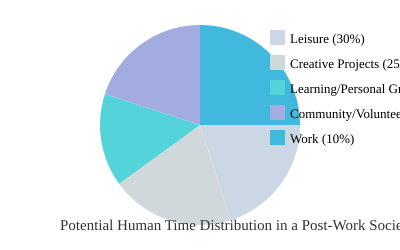
Imagine waking up and knowing you don’t have to work—unless you want to. That’s not just a daydream; it’s a real work optional prediction from Elon Musk. According to Musk, within the next 10-20 years, thanks to the rapid rise of AI and robotics, work could shift from a survival necessity to a personal choice. This isn’t just about robots taking over factory lines or AI writing your emails. It’s about a fundamental change in how we think about jobs, money, and what gives us meaning.
“Work could become more like a hobby in the next 10-20 years as AI era accelerates.” — Elon Musk
AI and Robotics Impact: The End of ‘Have-To’ Work?
Let’s break down Musk’s vision. He sees a future where AI advancements by 2025 and beyond will make machines so capable that most jobs—physical and even creative—could be handled by technology. In this world, robotics impact on jobs is huge: machines do the heavy lifting, the tedious tasks, and even the complex problem-solving. Humans are left with a choice: work for passion, creativity, or not at all.
This isn’t just a Silicon Valley fantasy. We’re already seeing hints of it. Think about gig economy workers who pick up jobs when they want, or digital nomads who’ve made work elective. Countries like Finland and Canada have tested Universal Basic Income, giving people a safety net so they can focus on what matters to them—not just paying the bills.
Universal High Income: The Next Step Beyond Universal Basic Income?
Musk takes it a step further with his Universal High Income concept. If AI and robotics can provide for everyone’s needs, why stop at a basic income? He suggests a future where money itself could lose its relevance. Instead, the only real limit would be physical resources—what we can actually produce and distribute. In Musk’s words, “money is just a way of allocating resources.” If AI can make everything abundant, the need for money fades away.
What Would You Do If Work Was Optional?
This raises some big questions. If you didn’t have to work for money, what would get you out of bed in the morning? Would you chase your passion, volunteer, create art, or just relax? Musk’s prediction isn’t just about technology; it’s about purpose. Some people might thrive in this new world, diving into creative projects, learning new skills, or building communities. Others might struggle with boredom or a loss of direction.
We can already see both sides in today’s world. Some gig economy hustlers love the freedom to choose their hours and projects. Others miss the structure and meaning that traditional jobs provide. And then there are those who’ve already “retired early” and found that endless leisure isn’t always as fulfilling as it sounds.
From Text to Video: The Changing Nature of Work and Communication
Musk also predicts that most future interaction—whether for work or play—will be through real-time video, powered by AI. Text will still matter, but video will dominate, requiring new skills and new ways to connect. This shift could change not just how we work, but how we build relationships and communities in a post-work society.
2. Social Media: From ‘Brain Rot’ to Digital Nervous System?
From Dopamine Loops to Collective Consciousness Innovation
If you’ve ever scrolled through social media and wondered whether your brain was getting smarter or just more distracted, you’re not alone. Elon Musk has called out this tension directly, describing X (formerly Twitter) as something far more ambitious than a meme machine. In his vision, X is evolving from a source of ‘brain rot’—those endless dopamine-fueled video loops—into a digital nervous system for humanity. The goal? To foster collective consciousness innovation and meaningful cross-border collaboration, not just viral entertainment.
X Platform User Metrics: A Global Town Square
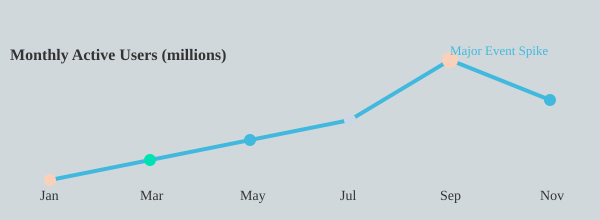
Let’s look at the numbers. According to Musk, X currently boasts around 600 million monthly active users. During major world events, that number can spike to 800 million or even a billion. On a weekly basis, there are roughly 250–300 million active users. These aren’t just passive scrollers—Musk claims X is strongest among “people who think and read a lot.” In his words:
“Where X is strongest is among people who think and read a lot.”
This is a key point in the future social media trends conversation. While platforms like TikTok and Instagram chase short-form video engagement, X is doubling down on readers, writers, and thinkers—those who value compressed, high-density knowledge over fleeting entertainment.
Beyond Borders: Real-Time, Cross-Lingual Collaboration
One of the most exciting shifts in X’s evolution is its push for cross-border collaboration. Through features like auto-translation and real-time video and voice, X is aiming to break down language barriers. Imagine a global town square where ideas can flow instantly between Tokyo, Berlin, and São Paulo—no translation delay, no cultural bottlenecks. This is Musk’s vision for a platform that doesn’t just connect people, but actually amplifies the world’s collective intelligence.
The Challenge: Substance vs. Addictive Media
But here’s the catch: not all social interaction is good. Musk is quick to point out the dangers of mob mentality, drawing parallels between digital crowds and the frenzied audiences of ancient gladiator games. Just as bacteria form powerful colonies, human collectives can be both creative and destructive. The real challenge for future social media trends is striking a balance between high-value, meaningful content and the addictive pull of endless scrolling.
- High-value content: Compressed written knowledge, thoughtful debate, and deep conversations.
- Addictive media: Viral videos, outrage cycles, and shallow engagement.
X’s evolution is a test case for whether a platform can truly become a digital nervous system—facilitating deep, cross-cultural conversations instead of just amplifying the loudest voices.
SVG Chart: X Platform Monthly Active Users Over Time
3. Musk’s Philosophy of Building: Why Big Things Require Big Teams (And Maybe a Shot of Coffee)
Let’s get one thing straight: no one builds a spaceship alone. Elon Musk is the first to admit it. In his own words:
“A single human cannot make a spaceship. But with a collection of humans, we can.”
This isn’t just humility—it’s a core part of Musk’s philosophy. If you’ve ever wondered why SpaceX, Tesla, and now xAI seem to work like a hive mind, it’s because Musk believes in the power of collective consciousness innovation. He compares the leap from a single person to a high-functioning team to the leap from a single cell to the 30-40 trillion cells that make up your body. Each cell (or person) has a job, but it’s the collaboration that creates something truly alive—and, in Musk’s case, something that can reach Mars.
Why You Can’t Build a Rocket Alone (Even If You Tried)
Think about it: building a spaceship isn’t just about rocket science. It’s about physics, chemistry, software, materials, manufacturing, and a dozen other fields. Musk points out that it would be impossible for one person to master all these disciplines in a single lifetime. There simply isn’t enough time. That’s why the division of labor and cross-border collaboration are so vital.
| Fact | Details |
|---|---|
| Human Cells in the Body | 30-40 trillion, all working together |
| Fields Needed to Build a Spaceship | Dozens (impossible for one person to master in a lifetime) |
From Bacteria to Brainpower: Why Teams Win
Musk sometimes riffs on biology to make his point. Imagine a lone bacterium or amoeba—sure, it can survive, but it’s not building rockets or electric cars. Now, think about a human: trillions of cells, each specialized, all communicating. That’s the secret sauce. When you bring together people with different skills—engineers, coders, designers, physicists—you get a collective consciousness that can solve problems no single genius could tackle alone.
The Magic of Cross-Pollination: SpaceX, Tesla, and xAI
Some of the wildest ideas come from the cross-pollination of skills across Musk’s companies. Take the concept of solar-powered AI satellites in deep space. That’s not just a SpaceX project, or a Tesla one, or an xAI experiment—it’s all three, working together. This kind of SpaceX Tesla collaboration is what’s pushing the boundaries of what’s possible. When teams from different backgrounds share knowledge, they create entirely new categories of valuable products.
Even Elon Needs a Coffee Break
Of course, even the biggest dreamers need a break. Musk has said he likes to start his day with a single cup of coffee. It’s a small reminder that, while teams can achieve incredible things, everyone needs a moment to recharge. Whether you’re building rockets or brainstorming the next big thing in AI, sometimes innovation starts with a caffeine boost and a quick chat with your team.
Key Takeaways
- No one builds a spaceship alone: It takes a team, just like your body needs trillions of cells working together.
- Cross-border collaboration is essential: The best ideas come from mixing skills and backgrounds.
- Building valuable products means sharing knowledge, dividing labor, and sometimes, sharing a coffee break.
4. (Philosophy Break) What’s the Point of All This? Musk, Douglas Adams, and the Problem of the Right Question
Let’s hit pause for a second. If you’ve ever found yourself in a late-night group chat that suddenly turns deep—like, “Are we living in a simulation?” deep—you’re not alone. I’ve been there too, marathon-watching “Hitchhiker’s Guide to the Galaxy,” laughing at the absurdity, and then, out of nowhere, someone drops the big one: “But seriously, what’s the point of all this?”
Elon Musk is no stranger to these kinds of questions. In fact, he’s obsessed with them. He often brings up Douglas Adams, the author of “The Hitchhiker’s Guide to the Galaxy,” as a major influence. Adams’ work is packed with humor, but underneath the jokes, it’s really a book about philosophy—about the search for meaning in a universe that doesn’t hand out easy answers.
The Simulation Hypothesis and Reality: Are We Even Asking the Right Questions?
Remember how, in “Hitchhiker’s Guide,” Earth is actually a giant computer designed to find the answer to the ultimate question of life, the universe, and everything? After millions of years, the answer it spits out is just 42. But here’s the kicker: nobody knows what the question was in the first place.
“The hard part is the question, not the answer.”
Musk loves this idea. He points out that, just like in the book, we humans are great at chasing answers, but we often don’t even know how to frame the right questions. That’s a huge deal when you think about the simulation hypothesis reality—the idea that our universe might itself be a kind of computer simulation. If we don’t know what to ask, how can we ever know if we’re even close to the truth?
Collective Consciousness and Innovation: Super-Brains and Social Media
Here’s where Musk gets really interesting. He says that to tackle the big mysteries—whether it’s the meaning of life, the future of AI and robotics, or what we should build next—we need to expand our collective knowledge. Think of humanity as a massive super-brain, with each of us as a single synapse. Alone, we’re limited. Together, we can ask better, deeper questions.
| Concept | Hitchhiker’s Guide | Musk’s Take |
|---|---|---|
| Earth as Computer | Earth built to find the answer to life’s meaning | Humanity as a collective processor of big questions |
| Answer: 42 | Ultimate answer, but no one knows the question | Answers are easy; questions are hard |
| Super-Brains | Earth’s computer vs. the universe | Humans (trillions of synapses) as a collective super-brain |
Musk argues that platforms like social media—if used right—can help us build this collective consciousness for innovation. Instead of just sharing memes, we could be collaborating to solve problems that are bigger than any one person. The future of AI and robotics, for example, depends on us asking the right questions together, not just searching for easy answers.
Why Uncertainty and Curiosity Matter
So next time you’re tempted to look for a quick answer, remember Musk’s favorite lesson from Douglas Adams: the real progress comes from expanding the scope and quality of our questions. In a world where work might be optional, and technology is changing everything, maybe the most important thing we can do is stay curious—and keep asking better questions, together.
5. The Evolution of Social Media: Dopamine Hits vs. Meaningful Connections
Let’s be honest—most of us have fallen into the trap of endless scrolling, chasing that next funny video or viral meme. Elon Musk calls this out directly, warning that if you’re just watching videos that cause dopamine hits “one after another, but lack substance, then I think those are not great... that’s not a great way to spend time.” This is a real issue at the heart of future social media trends: are we building platforms that feed our brains quick rewards, or are we creating spaces for real connection and collective growth?
X Platform User Metrics: The Shift from Entertainment to Engagement
Platforms like X (formerly Twitter) are at a crossroads. On one hand, short-form video and viral content drive huge X platform user metrics. People love quick laughs and instant gratification—it’s addictive. But Musk’s vision pushes for something deeper. He’s not just interested in what gets the most clicks or views; he wants to see social media evolve into an “infrastructure for diverse, meaningful interactions.”
That’s why X is rolling out features like:
- Real-time video streaming—letting users broadcast and interact live, not just passively consume.
- Auto-translation—breaking down language barriers so anyone, anywhere, can join the conversation.
- Secure messaging—making private, authentic communication safer and more accessible.
These upgrades aren’t just about keeping up with the competition. They’re about shifting the focus from pure entertainment to fostering debate, collaboration, and even a kind of global consciousness. As Musk puts it, the goal is to “bring the world together into a collective consciousness,” not just create the “most dopamine-generating video stream.”
The Challenge: Balancing Instant Gratification with Substance
Here’s the tension: people crave both fun and substance online. The addictive nature of short-form content is a serious challenge for any platform. If you optimize only for what triggers the brain’s reward system, you risk what Musk bluntly calls “brain rot.” But if you ignore what users actually want, you lose engagement altogether.
This is where AI advancements 2025 come in. Imagine smarter algorithms that don’t just push the next viral clip, but also surface thoughtful debates, educational content, and meaningful conversations. The future of social media will depend on how well platforms can balance these two forces—giving users both the quick hits they crave and the substance they need.
Wild Card: The ‘Babel Fish’ Future
Let’s get wild for a second. What if we could instantly translate not just words, but thoughts? Musk hints at this “Babel fish” future—a world where language barriers disappear, and anyone can communicate with anyone else, anywhere on the planet, in real time. With features like auto-translation already rolling out on X, we’re taking the first steps toward that reality. Imagine the impact on global debates, collaboration, and understanding.
“If you’re just watching videos that just cause dopamine hits... that’s not a great way to spend time.”
Musk’s commentary highlights a deeper mission: to help users connect, not just consume. As future social media trends unfold, the platforms that succeed will be those that find the sweet spot between instant gratification and genuine, meaningful connection.
6. Investing in the Future: What Makes a Good Bet? (And Why Fluctuations Are Just Noise)
When you think about investment strategies in startups or even established giants like Tesla, it’s easy to get lost in the daily ups and downs of the stock market. But Elon Musk’s approach is refreshingly simple—and surprisingly effective. He doesn’t obsess over short-term price swings. Instead, he asks a few core questions: Do you love the company’s products? Do you believe in the team? And does the company have a real drive for future innovation?
Musk’s Simple Test: Products, People, and Progress
Musk’s advice is clear: forget the noise. If you’re considering investing—whether it’s in Tesla’s future plans or the next ambitious startup—start by looking at what the company actually builds. As Musk puts it,
“If they make great products today, and are likely to make great products in the future, that's probably a good company to invest in.”
It’s not about chasing the hottest trend or reacting to every market dip. It’s about building valuable products and backing teams that are talented, motivated, and hungry to keep improving. If you can answer “yes” to those questions, you’re already ahead of most investors.
Ignoring the Noise: Why Daily Fluctuations Don’t Matter
Markets are noisy. Prices jump up and down, sometimes for no clear reason. Musk shrugs off these swings, focusing on what really matters: the long-term value created by a company’s products and people. He reminds us that a company is just a group of people working together to create something valuable. If that group is strong and their products are great, the rest will follow—eventually.
- Investment composure: Don’t panic over daily market swings.
- Long-term product innovation: This is what drives real value, not fleeting price changes.
- Team talent and passion: These are the best signals for future success.
Showdown: Tesla Today vs. a Wild Startup
Let’s put Musk’s rubric to the test. Imagine you have to choose between investing in Tesla—an established innovator with a proven track record—or a brand-new startup with wild ambition but no real products yet. Where would Musk put his money?
He’d likely ask: Does the startup have a product roadmap you believe in? Is the team talented and motivated? If not, Tesla’s consistent drive for innovation and its strong team make it the safer bet. But if the startup’s team is exceptional and their vision is clear, Musk might just take the risk—because innovation thrives when risk is embraced.
Musk’s Investing Rubric vs. Popular Trends
| Musk’s Rubric | Popular Startup Trends |
|---|---|
| Love the products and services | Chase the latest hype |
| Believe in the team’s talent and motivation | Follow influencer tips |
| Focus on future product innovation | React to daily price swings |
| Ignore short-term fluctuations | Panic sell on bad news |
So, the next time you’re thinking about Elon Musk entrepreneurship advice or where to put your money, remember: the best investment strategies in startups—or any company—are rooted in real products, strong teams, and a relentless drive to build the future. Everything else is just noise.
7. Coffee, Giggles, and the Art of Building in India: Advice for the Next-Gen Entrepreneur
Imagine this: Two friends, sitting in a bustling Bengaluru café, steaming mugs in hand, giggling over wild ideas—should they build an AI-powered drone, or maybe a rocket-powered pizza oven? In India, this scene isn’t just a cliché. It’s the birthplace of the next wave of innovation. If you’re a hungry, ambitious dreamer, you’re in the right place at the right time. Let’s unpack some practical entrepreneurship advice for India, inspired by Elon Musk’s own journey and words.
Start With Useful Products—Not Just Trends
Elon Musk’s advice is simple, but powerful:
'The most important thing to do is just make useful products and services.'Don’t get distracted by the latest buzzwords or trends. Instead, focus on solving real problems—both local and global. In India, this could mean building smarter logistics for crowded cities, affordable healthcare tech, or even the next great coffee shop chain. The key is to ask: Is this genuinely useful? Will it make someone’s life better?
Building Valuable Products: Solve Real Problems
Success stories—whether it’s Starlink’s expansion into rural India or homegrown startups tackling water scarcity—show that the biggest wins come from addressing real needs. Musk’s own companies, from Tesla to SpaceX, didn’t start by chasing what was popular. They started by asking, “What’s broken? How can we fix it?”
- Look for pain points in your community.
- Test your ideas with real users, not just investors.
- Iterate quickly—don’t wait for perfection.
Innovation Thrives in Tough Conditions
Indian founders have a unique advantage: you’re used to doing more with less. Musk often highlights how resource constraints breed creativity. Whether you’re working from a garage, a college dorm, or that favorite coffee shop, remember—some of the world’s greatest companies started with little more than a wild idea and a lot of hustle.
Don’t be afraid to take risks. In fact, risk-taking is part of the magic. The Indian startup ecosystem is now a hotbed for ambitious founders, and global investors are paying attention. Your next big idea could be the one that changes the game, not just in India, but worldwide.
Cross-Border Collaboration: Think Global, Build Local
Today, building valuable products doesn’t stop at India’s borders. Musk’s ventures, like Starlink, show the power of cross-border collaboration. Partner with global teams, learn from international best practices, and don’t hesitate to dream big. Whether you’re launching satellites or developing sustainable energy solutions, the world is your playground.
Investment Strategies for Startups: Bet on Yourself
Funding is always a challenge, but Musk’s story proves that investing in yourself and your team is the best strategy. Bootstrap if you have to. Seek out mentors, not just money. And remember, investors love founders who are obsessed with solving problems, not just making a quick buck.
There’s Room for Every Kind of Builder
The future isn’t just about tech. It’s about building things that matter—whether that’s a self-driving car, a new kind of satellite, or the next great neighborhood café. So, keep those coffee-fueled debates alive. The world needs both AI-powered drones and rocket-powered pizza ovens. In India, the art of building is alive and thriving—one giggle, one cup, one bold idea at a time.
FAQ: Burning Questions About Musk’s Ideas, AI’s Future, and Making Your Own Path
Will AI make everyone’s job obsolete, or just change how we work?
This is the question on everyone’s mind as we look toward AI advancements in 2025 and beyond. According to Elon Musk interview insights, the future isn’t about AI replacing every job, but about changing the nature of work itself. Musk envisions a world where work could become optional, not because there’s nothing left to do, but because AI will handle the repetitive, boring stuff. That means more time for creative, meaningful pursuits—if you’re willing to adapt and learn. So, instead of fearing AI, think about how you can use it as a tool to amplify your own abilities and focus on what humans do best: invent, connect, and dream big.
How do I build something valuable if I’m just starting?
If you’re an aspiring entrepreneur in India, Musk’s advice is refreshingly simple: Start by solving real problems and making useful products or services. Don’t get lost in trying to be the next Musk overnight. Instead, look around you—what frustrates people, what’s missing, what could be better? Build for that. As Musk says, “A company is just a group of people assembled to create products and services.” Focus on quality, keep learning, and don’t be afraid to take risks. The journey matters as much as the destination.
What is Elon Musk’s daily routine (besides coffee)?
You might be surprised to learn that Musk keeps things pretty straightforward. Yes, he enjoys his morning coffee (just one cup, usually), but the rest of his day is all about deep work. He splits his time between his companies, prioritizing what’s most important and diving into technical details. There’s no magic formula—just relentless focus, curiosity, and a willingness to ask the big questions, like “What’s the point of life?” and “How can we expand the collective consciousness?” If you want to emulate Musk, start by being intensely curious and unafraid to tackle hard problems.
Is social media destined to be more meaningful, or just more distracting?
Musk’s vision for social media, especially with X (formerly Twitter), is about creating a “global town square”—a place for meaningful conversation, not just dopamine hits from endless scrolling. He admits that a lot of the internet is optimized for quick pleasure, but he’s betting on the value of thoughtful discussion, translation across languages, and bringing people together to share ideas. The future of social media, according to Musk, is what we make of it. It can be a tool for collective growth or just another distraction. The choice is ours.
Can Indian entrepreneurs use these ideas to leapfrog markets?
Absolutely. Musk’s insights are especially relevant for entrepreneurship advice in India. With India’s young, ambitious population and rapidly growing tech scene, there’s a huge opportunity to skip old models and build for the future. Whether it’s leveraging AI, building platforms that connect people, or solving uniquely local problems, Indian founders can use these principles to create world-changing companies. The key is to stay curious, keep learning, and never be afraid to build something new.
In the end, Musk’s wild vision isn’t just about rockets, robots, or social media—it’s about pushing humanity forward by asking better questions, building better tools, and daring to imagine a world where work is a choice, not a necessity. Whether you’re in Mumbai or Mountain View, the path is open. The only question is: Will you take the first step?
TL;DR: Elon Musk’s latest interview serves up a whirlwind tour of possible tomorrows—AI making work optional, social media morphing into a human collective consciousness, and business advice that’s surprisingly practical. If you’re building for the future (or just wondering what your place in it will be), you’ll want to keep questioning, keep adapting, and maybe even have a laugh at the idea that the answer to everything could just be “42.”
Post a Comment