

Growing up, my granddad once told me you can’t pick the weather, but you can pick your jacket. Strangely, I didn’t realize he was talking about life as much as umbrellas. Years later, sitting in a cheap hotel room, broke and blaming everyone but myself, I stumbled on the idea that the world doesn’t bend to my complaints—it bends (just a little) when I change myself. In this post, let’s unpack what ‘working on yourself’ truly means beyond the self-help cliches, using the rhythm of seasons—not as calendar trivia, but as a survival guide. Along the way, I’ll throw in some honest flops and surprising research on how self-improvement actually works now, in the age of AI and emotional fluency.
When It’s Winter: Pause, Grow Wiser, Get Stronger
Winters are unavoidable—both in weather and in life. No matter how well you plan, there will be seasons of adversity: financial setbacks, career stalls, emotional lows, or social challenges. These “winters” are not just obstacles; they are the first pillar of authentic personal development. Handling adversity is not only about surviving tough times—it’s about using them as fuel for growth, wisdom, and strength. In fact, research shows that handling adversity is ranked among the top personal growth skills to grow in 2025, and it’s a core part of any effective personal development plan.
Facing the Inevitable: Why Winters Matter
You can’t wish away challenges, but you can adapt your reactions and skills. As Jim Rohn famously said:
“You can’t change the seasons but you CAN change yourself.”
Winters in life recur, just like the calendar. Some are long and harsh, others short and mild. The lesson? Never coast on past strengths; build new ones each season. Real improvement starts when you stop blaming “them”—the economy, your boss, your family—and start asking, “What can I become here?”
Adversity: The Secret Ingredient in Skill Growth
Not all winters are equal. Some test your patience, others your resilience. But every winter offers a unique chance to grow wiser, stronger, and better. According to a 2023 survey, 67% of top performers report that their greatest growth came from “hard seasons.” Even more striking, skill development pace increases by 32% when individuals focus on handling adversity rather than avoiding it. This is the heart of a continuous learning culture: using every setback as a stepping stone to new skills and greater adaptability and growth.
Pause, Reflect, and Invest in Yourself
When winter arrives, pause. Don’t rush to escape discomfort. Instead, use this time to get wiser—read, study, observe. Invest in your skills to grow for 2025 and beyond. Get stronger—try again, push your boundaries, and don’t shy away from repetition. For example, the author recalls being terrified of public speaking. But by facing that fear repeatedly, confidence and skill grew. This is a universal lesson: repetition and reflection during hard times lead to real, lasting improvement.
- Get Wiser: Read, study, and observe. Learn from every setback.
- Get Stronger: Try again. Push boundaries. Use adversity as resistance training for your character.
- Get Better: Raise your standards. Don’t settle for past achievements—build new strengths each season.
From Blame to Ownership: The Turning Point
Growth accelerates when you stop blaming circumstances and start taking responsibility. The real question is not “What am I getting here?” but “What am I becoming here?” This shift is the foundation of a personal development plan that works, especially in a world that values adaptability and growth more than ever. Remember, success is not something you chase; it’s something you attract by becoming a better version of yourself.
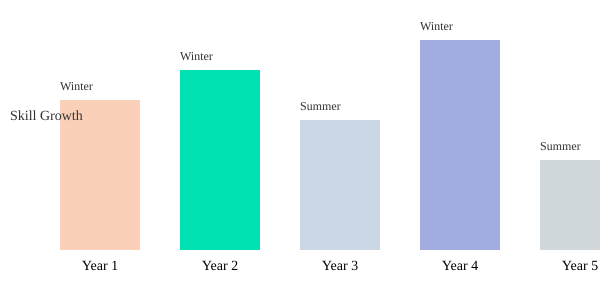
Chart: Personal skill improvement rates during 'winters' (difficult times) vs. 'summers' (easier times), based on survey data.
Spring Isn’t Forever: Opportunity Is Perishable (and Why Most People Miss It)
Every year, without fail, spring follows winter. In personal development, spring is the season of opportunity—a window that opens after adversity, inviting you to plant the seeds of your future. But here’s a truth most people overlook: spring doesn’t last. The opportunities you find after a tough season are perishable. If you wait too long, they vanish, and you must wait for the next cycle. As Jim Rohn said, “Seize the spring. It’s not going to be here long.”
Why Urgency Matters: Procrastination Is the Enemy
Many people miss their spring because they drift or delay. They overthink, over-plan, or wait for perfect conditions. But spring is about acting quickly with energy and clarity. Studies show that acting on a new opportunity within the first month raises your odds of success by 44%. If you wait, your chances drop sharply. The lesson is clear: procrastination is the enemy of growth.
Recognize and Seize Opportunities
Opportunities in your career, relationships, or learning don’t come with guarantees. They come with a ticking clock. On average, a professional will encounter three major new opportunities a year. That’s about 20 key chances per decade. As the saying goes, “You got 20 more times to go fishing, not 20 more years.” Make every chance count.
- Be aware: Train yourself to spot new trends, emerging technologies, and shifts in your industry. This is a core skill for growth in 2025.
- Act fast: Don’t get stuck in endless goal-setting techniques. Use frameworks like SMART goals or OKRs to clarify your next step, then move.
- Plant your seeds: Take action while the “sun is up”—whether that means enrolling in a course, starting a project, or reaching out to a new connection.
Spring Is Not About Guarantees—It’s About Action
Spring doesn’t promise success, only the chance to try. The history of personal development—over 6,000 years—shows that opportunity always follows difficulty. But only those who act reap the rewards. If you’re waiting for certainty, you’ll miss your moment. The window of opportunity is brief, and the cost of waiting is high.
Modern Insights: Seizing Opportunities Defines High-Growth Individuals
In today’s world, high-growth individuals are those who seize opportunities and invest in self-directed learning. They build a continuous learning culture around themselves, always ready to adapt and grow. Whether it’s learning a new skill, adopting a new technology, or building new relationships, the key is to move with urgency when spring arrives.
“Seize the spring. It’s not going to be here long.”
– Jim Rohn
Visualizing Success Odds: The Power of Acting Quickly
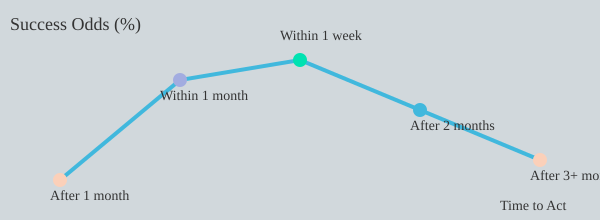
Remember: Spring is your signal to act. Don’t let the season pass while you’re still thinking about what to do. Seizing opportunities is the defining trait of those who grow and thrive—now, and in the future.
Summer Is for Cultivating—But Also Defending (Inner and Outer Enemies)
Summer, in the cycle of personal development, is the season where your initial efforts meet their greatest tests. Planting seeds—setting goals, starting new habits, or launching projects—is only the beginning. The real work is in nurturing what you’ve started and defending it from threats, both seen and unseen. This is where overcoming internal enemies and cultivating values become essential for lasting growth.
Vigilance: The Dual Nature of Summer
Just as a garden needs water and sunlight, your values, skills, and relationships require ongoing care. But summer is also when weeds and pests—bad habits, doubts, and distractions—try to take over. In personal growth, these threats are both external (critics, setbacks, naysayers, and negative influences) and internal (self-doubt, procrastination, pessimism). Vigilance is necessary: you must be ready to defend your progress as fiercely as you nurture it.
The ‘Trowel and Sword’ Mindset
Think of summer as the time to work with a trowel in one hand and a sword in the other. You build and nourish with one, but you must also guard what you’re building. This is the grind between opportunity and results—where your commitment is tested daily. Leadership skills cultivation in this season means not just acquiring new abilities, but protecting your mindset and values from erosion.
Small Lapses, Big Consequences
It’s often not the big storms that destroy your progress, but the “little foxes”—the small, neglected details and minor lapses. Research shows that 73% of failed projects cite minor lapses as the root cause, and 53% of individuals say small habits derail their growth plans. These small enemies can undo months of effort if left unchecked. Details matter: your ability to spot and address these issues is a mark of emotional intelligence development and self-leadership.
| Threat | Impact | Data Point |
|---|---|---|
| Minor Lapses | Project Failure | 73% of failed projects |
| Small Habits | Growth Plans Derailed | 53% of individuals |
| Emotional Intelligence | Top 3 Leadership Skill | Survey, 2024 |
Defending Your Inner World
External threats are real, but the most dangerous enemies are often inside you: the voice that says you’re not good enough, the urge to procrastinate, the habit of pessimism. These internal adversaries must be confronted directly. As Jim Rohn said:
“Deal harshly with your enemies—even if you find them on the inside.”
Developing emotional intelligence—self-awareness, self-regulation, and relationship management—is critical for leadership and emotional intelligence growth. In 2025, with digital distractions and information overload, defending your values is as vital as learning new skills. Self-motivation and self-regulation are not optional; they are the foundation of effective leadership.
Conversion: Loving Discipline, Hating Bad Habits
True change happens when you learn to love the disciplines that build your future and hate the old habits that hold you back. This “conversion” is the heart of leadership skills cultivation—choosing to nourish what matters and defend it relentlessly. Growth is easy to start, hard to protect. But with focus, clarity, and a readiness to fight for your values, you turn summer into your season of real transformation.
You’re Not a Goose: Radical Responsibility and How to Change Course Anytime
Imagine if your life ran on autopilot, like a goose flying south every winter. No matter what, you’d follow the same path, season after season. But here’s the truth: you’re not a goose. You’re not locked into one route, one job, one mindset, or one outcome. You can change course at any time. This is the heart of radical responsibility—the skill that transforms a personal development plan from wishful thinking into real, lasting change.
Rewrite Your Script: You Aren’t Stuck
Most people don’t realize how much power they have to rewrite their own story. It’s easy to blame the economy, your boss, or even your upbringing. But as Jim Rohn’s mentor, Mr. Shoaff, famously said:
“If you will change, everything will change for you.”
That one idea flipped my own journey upside down. For years, I blamed ‘the system’ for my lack of progress. It was only when a mentor challenged me—saying, “No, that’s all you’re worth right now”—that I realized I was the author of my own results. The discomfort of taking responsibility was real, but it was also the beginning of true growth.
Taking Responsibility: The Game-Changer Most People Avoid
Radical responsibility means looking inward first. If your income, health, or happiness isn’t where you want it to be, ask: What can I change? This mindset shift is the foundation of any effective personal development plan and is essential for adaptability and growth.
- Choose growth over comfort. Growth requires stepping outside your comfort zone and owning your outcomes.
- Pick accountability over excuses. Excuses keep you stuck; accountability moves you forward.
- Adapt at any time. Unlike migratory birds, you can choose a new direction whenever you decide.
Modern Insights: Radical Responsibility Drives Results
Today’s research backs up what classic self-development teachers have said for decades. Handling adversity and taking responsibility for your outcomes are key to personal and professional success. In fact, a continuous learning culture and personalized learning paths empower you to take ownership of your growth and develop the skills to grow in 2025 and beyond.
| Outcome | Impact of Radical Responsibility | Source |
|---|---|---|
| Promotion Likelihood | +57% | Leadership Trends, 2024 |
| Personal Satisfaction | +38% | Leadership Trends, 2024 |
| High-Achiever Milestones | 86% attribute to personal change | Leadership Trends, 2024 |
You Own the Pen—Tear Up the Old Script
Radical responsibility frees you from being a victim of circumstances. The world may not change, but you can. Tear up the script whenever it’s not serving you: you own the pen. When you focus on what you can change, you unlock new levels of adaptability and growth, and you start to attract success—rather than chase it.
Remember: You’re not a goose. You’re free to turn the seasons of your life in any direction you choose. Start with yourself, and watch everything else begin to shift.
From Butterfly Chasing to Value Creation: Attracting Success, Not Pursuing It
Imagine success as a butterfly. The more you chase it, the more it flutters out of reach. But if you focus on cultivating the right environment—your mindset, habits, and skills—success lands on your shoulder naturally. This is the heart of modern leadership and emotional intelligence: you don’t hunt for success, you attract it by becoming someone who is worth following.
Stop Chasing—Start Becoming
Many people spend years running after promotions, recognition, or wealth, believing that relentless pursuit is the answer. But as Jim Rohn wisely said,
“Success is something you attract by the person you become.”
This shift—from chasing to attracting—starts with personal development. It’s not about blaming the economy, your boss, or your circumstances. It’s about looking inward and asking, “Who am I becoming?” rather than “What am I getting?”
Cultivate Traits You Want to Attract
If you want to work with committed, powerful, and dedicated people, you must first embody those qualities yourself. This is the foundation of emotional intelligence development. High performers don’t just network for short-term gains; they invest in themselves, building habits and mindsets that yield compound results over time.
- To attract committed people, become committed.
- To attract powerful people, become powerful.
- To attract dedicated people, become dedicated.
Personal Growth: A Garden, Not a Hunt
Think of your personal development as tending a garden, not hunting in the wild. You nurture, learn, and adapt. This mindset shift is crucial for building a continuous learning culture—both for yourself and within organizations. In fact, data shows that top performers spend 68% of their time on value-creation activities like learning and mentoring, compared to just 19% on self-promotion.
Real-World Insights: Value Creation Over Activity
In today’s world, especially with the rise of AI tools like ChatGPT and Midjourney, the way we learn and work is transforming. These technologies empower you to focus less on repetitive tasks and more on developing future-proof skills—critical thinking, creativity, and emotional intelligence. Organizations in 2025 and beyond will seek out those who create value, not just those who ask for it.
| Activity | Top Performer Time Use |
|---|---|
| Value Creation (Learning, Mentoring) | 68% |
| Self-Promotion | 19% |
Recruitment trends reinforce this: 63% of employers now prioritize a “growth mindset” and value-creation over traditional resumes. Those who demonstrate high emotional intelligence report a 51% increase in opportunities—proof that success is drawn to those who invest in becoming, not just getting.
Key Takeaways for Your Journey
- Success is attracted, not hunted. Focus on who you’re becoming.
- Develop the traits you want to see in others—leadership, commitment, and dedication.
- Invest in continuous learning and emotional intelligence development to future-proof your skills.
- Let your personal growth be the magnet that draws opportunities, people, and success your way.
Remember, if you will change, everything will change for you. The seasons may turn, but your commitment to value creation will always attract the right kind of success.
Personal Development in 2025: New Tools, Classic Lessons
Personal development is evolving faster than ever in 2025, blending timeless wisdom with cutting-edge technology. If you want to grow, you now have more options than ever before. But even as AI-powered learning, microlearning modules, and personalized learning paths take center stage, the classic lessons—like self-responsibility and self-awareness—remain at the heart of true progress.
Microlearning: Bite-Sized Growth for Busy Lives
Gone are the days of day-long seminars and endless lectures. Microlearning modules—short, focused lessons you can fit into a coffee break—are now the norm. According to recent L&D research, microlearning usage has grown by 48% since 2022. These modules are effective, time-saving, and digestible, making it easier for you to build skills without overwhelming your schedule. Whether you want to develop emotional intelligence, improve adaptability, or boost your AI literacy, microlearning puts you in control of your pace.
AI-Powered Learning: Your Personalized Path
AI-powered learning is revolutionizing self-improvement. With AI-powered learning adoption expected to reach 66% by the end of 2025, you can now access personalized learning paths that adapt to your unique strengths, weaknesses, and goals. AI analyzes your progress, identifies skill gaps, and helps you track small wins over time. Imagine a mentorship AI that senses your ‘seasonal’ mood—nudging you forward when you’re motivated, or encouraging a pause when you need to reflect. This level of support makes continuous learning more engaging and effective than ever before.
Emotional Intelligence and Well-Being: The New Foundations
In 2025, personal development isn’t just about technical skills. Emotional intelligence development, mental health, and adaptability are now considered foundational for workplace engagement and leadership. Companies and individuals alike recognize that knowing yourself, managing stress, and building strong relationships are essential for long-term success. These skills are now woven into microlearning modules and AI-powered programs, making them accessible and actionable for everyone.
Continuous Learning Culture: Hybrid Growth
Modern personal development is a hybrid of classic self-reflection and tech-assisted action. The most in-demand skills—self-awareness, adaptability, strategic thinking, AI literacy, and emotional intelligence—require both introspection and practical application. As Jim Rohn famously said:
"The major value in life is not what you get. The major value in life is what you become."
Technology won’t replace perseverance, but it will amplify your progress if you use it right. Knowing yourself and learning how to learn are forever skills, no matter the app or course.
Top Tools & Skills for Growth in 2025 vs. Classic Lessons
| 2025 Tools & Skills | Classic Lessons |
|---|---|
| AI-powered learning platforms | Self-responsibility |
| Personalized learning paths | Goal setting |
| Microlearning modules | Self-reflection |
| Emotional intelligence development | Consistent effort |
| AI literacy importance | Adaptability to change |
Wild Card: Mentorship AI for Every Season
Imagine a mentorship AI that tracks your progress and mood, offering encouragement, challenges, or rest as you move through your own seasons of growth. This blend of technology and timeless self-awareness is shaping a new era of personal development—one where you work hard on yourself, and everything else begins to change.
Conclusion: Own the Weather—Grow on Purpose, Season by Season
Here’s the truth about personal development strategies: you can’t control the world’s seasons, but you can absolutely choose how you show up for them. Life will always bring cycles—ups and downs, winters and springs. The difference between those who simply endure and those who thrive is how they respond to these cycles. This is the heart of adaptability and growth: taking radical responsibility for your own journey, no matter what’s happening around you.
Jim Rohn’s mentor once told him, “Let everything change or not change. Let the government change or not change. Let people around you change or not change. Let everything be the same…If you will change, everything will change for you.” This is the foundation of every effective personal development strategy. When you stop blaming the economy, your boss, or your circumstances, and start focusing on what you can control—your mindset, your actions, your skills to grow in 2025 and beyond—you unlock a new level of power.
Take Radical Responsibility—And Act Fast on Opportunity
Personal growth is not about waiting for the perfect conditions. It’s about preparing your ‘garden’ even when the forecast looks bleak. History is full of examples: Thomas Edison, Marie Curie, and Nelson Mandela all faced harsh ‘winters’ before their greatest breakthroughs. In fact, 86% of surveyed achievers report that their biggest leaps came after self-directed change, not external events. What does this mean for you? Don’t wait for the weather to change—change your jacket. Take responsibility, act quickly on opportunity, and invest in becoming, not just getting.
Blend Classic Wisdom with Modern Tools
Continuous learning culture is the secret ingredient to thriving season after season. The wisdom of the past—like the lessons from Rohn and other historical figures—remains powerful. But today, you also have AI-powered tools, online courses, and global networks at your fingertips. Use them to accelerate your growth. The skills to grow in 2025 will be different from those of yesterday, so keep evolving. Regularly re-evaluate your progress, knowing that growth is cyclical, not linear. Each season brings new lessons and fresh chances to adapt.
Rewrite Your Story—One Season at a Time
It’s never too late to tear up your old script and write a new chapter. Every setback you face this year could simply be ‘winter’ before your best spring ever. What if you saw every challenge as a signal to invest in yourself, rather than a reason to give up? Even a small shift in your habits, mindset, or learning today could be the start of a new season of growth.
- You can’t control the world’s seasons, but you can choose how you show up for them.
- Take radical responsibility, act quickly on opportunity, and fortify your ‘garden.’
- Invest in becoming, not just getting—blend classic wisdom with AI-powered tools for your next leap.
- Don’t wait for the weather to change—change your jacket.
- Remember: even a small shift today could be the start of a new season of growth.
You might not control everything, but you absolutely control your response. Grow with the season, and you’ll set yourself up for opportunities the old you would have missed. The journey of personal development is about cycles—embrace them, and own your weather, season by season.
FAQ: The (Really) Human Side of Personal Development – 15 Real Questions
Personal development isn’t just about ticking boxes on a goal-setting checklist or reading the latest self-help book. It’s messy, awkward, and deeply human. Below, you’ll find real questions people ask when they’re trying to build a personal development plan, adapt to life’s seasons, and grow into their best selves. Let’s get honest about what it really takes.
What’s the one thing I should focus on first when starting personal development?
Start with taking responsibility. Before you dive into goal-setting techniques or self-directed learning, accept that your outcomes are yours. It’s not your boss, the economy, or your family—it’s you. This mindset shift is uncomfortable, but it’s the foundation for real change.
Can you actually ‘rewire’ bad habits after 40?
Absolutely. Science backs it up: neuroplasticity doesn’t have an expiration date. It might take longer and require more intention, but with consistent effort, you can change habits at any age. The key is to be patient with yourself and celebrate small wins.
How do I know if it’s a ‘winter’ season or just a rough patch?
If challenges feel cyclical and out of your control—like layoffs, loss, or big life changes—it’s probably a “winter.” If it’s a one-off bad day, that’s a rough patch. Either way, focus on adaptability and growth. Winters teach resilience; rough patches build grit.
Is emotional intelligence actually more important than technical skills?
Increasingly, yes. Emotional intelligence development—like empathy, self-awareness, and adaptability—often determines who thrives, especially in leadership or team settings. Technical skills get you in the door; emotional intelligence helps you stay and grow.
What if I always miss opportunities because of fear? Any practical tips?
Fear is natural, but don’t let it be your compass. Try “micro-bravery”—take small risks daily, like speaking up in a meeting or reaching out for feedback. Over time, your comfort zone will expand, and you’ll be ready when bigger opportunities arise.
Can I use AI tools for self-improvement without becoming dependent?
Yes, if you treat AI as a guide, not a crutch. Use it for reminders, learning, or feedback, but don’t outsource your decision-making or self-reflection. Balance tech with real-world practice and human connection.
Are companies really valuing ‘soft’ skills now, or is it just a trend?
It’s real. Adaptability, communication, and emotional intelligence are now core to hiring and promotion. Companies know that technical skills can be taught, but soft skills drive culture and innovation.
How do you deal with people who doubt your self-improvement efforts?
Let your results speak. Stay consistent, and don’t waste energy convincing skeptics. Remember, your personal development plan is for you, not for their approval.
Is microlearning as useful for creative fields as for corporate growth?
Definitely. Short, focused learning—like daily drawing exercises or quick writing prompts—builds creative muscle just as well as it builds business skills.
What small, daily actions have outsized impact?
Journaling, reading, and intentional reflection. Even five minutes a day compounds over years. These habits anchor your adaptability and growth journey.
When should I ask for help instead of grinding alone?
When you’re stuck or repeating mistakes, reach out. Self-directed learning doesn’t mean solo suffering. Mentors and peers can accelerate your progress.
Why do setbacks seem to hit harder right after good progress?
It’s normal—progress raises your expectations. See setbacks as feedback, not failure. Every “winter” is a setup for a new spring.
How much time should I actually spend on learning per week?
Quality beats quantity. Even 2-3 focused hours can move you forward if you’re consistent. Make learning a non-negotiable part of your week.
What’s the difference between ‘cultivating’ and ‘defending’ your growth?
Cultivating is about nourishing your skills and mindset—reading, practicing, reflecting. Defending means protecting your progress from negativity, distractions, or self-doubt. You need both.
How do I set boundaries with my own negative self-talk?
Treat negative thoughts like uninvited guests. Acknowledge them, but don’t let them move in. Replace “I can’t” with “I’m learning.” If you have strategies that work, share them—your experience could help someone else turn their season around.
TL;DR: You can’t change the world’s seasons, but you can choose how you grow through them. Learn how to handle winters, seize your springs, guard your summers, and become someone success is drawn to. The future of personal development is about adapting, acting with urgency, and combining timeless wisdom with today’s learning tools. Table and chart breakdowns included!
Post a Comment