

Let me confess something I once kept under wraps: I built a multi-million dollar business by, over time, posting less—not more—on social media. Wild, right? If you’ve ever felt trapped by the pressure to churn out endless posts, you’re not alone. Forget the high school drama of clout and popularity contests. In the changing digital landscape, it's not about who shouts the loudest, but who listens best—and then provides real value. Today, I’ll share how putting Social Media Analytics and business goals ahead of vanity metrics can transform your online presence—and your business bottom line.
The Social Media High School: Why the Old Playbook Fails
"Social media is a lot like high school."If you’ve ever scrolled through your favorite platform and felt like you were back in the cafeteria, you’re not alone. Social media mirrors the classic high school dynamic: there are the popular kids (the influencers), the cliques (niches), and the constant pressure to fit in or stand out. For years, the loudest voices in the room have pushed the same advice: post every day, share everything, and never let your audience forget you exist.
The Outdated “Post Every Day” Rule
Once, daily posting was the golden rule. Marketing managers and bosses demanded a steady stream of updates, believing that more content meant more attention and, ultimately, more business growth. But the reality is changing. The old playbook—post as much as possible, as often as possible—no longer works. In fact, it’s now leading to less visibility, not more.
- Algorithms now reward strategic, relevant content over constant activity.
- Audiences are overwhelmed and tune out repetitive, low-value posts.
- Even top influencers are posting less and seeing better results.
If you look closely, you’ll notice that many of the “content kings” who once flooded your feed are now quieter. Why? Because they’ve realized that the constant content treadmill comes with a massive hidden cost.
The Hidden Cost: Burnout on Social Media
Burnout is one of the biggest threats to sustainable business growth on social media. It affects both creators and their audiences. When you’re stuck in a cycle of endless posting, creativity dries up, quality drops, and engagement falls. Your followers feel it too—they become numb to your updates, scrolling past without a second thought.
- Creator burnout: The pressure to always be “on” leads to exhaustion, stress, and a loss of passion.
- Audience burnout: Too much content can overwhelm your followers, causing them to disengage or unfollow.
This is why so many former advocates of daily posting are now stepping back. They’re focusing on quality, not quantity, and aligning their content with real business goals. The result? More sustainable growth and healthier engagement.
The Endless Content Chase Doesn’t Drive Business Returns
Here’s the hard truth: posting more doesn’t guarantee better results. In fact, the endless chase for likes and shares rarely translates into real business growth. Social Media Analytics and Marketing Metrics show that what matters most is relevance and strategy, not volume.
- Strategic posts aligned with business objectives drive more meaningful engagement.
- Quality content is more likely to be favored by algorithms and shared by followers.
- Businesses that focus on analytics-driven strategies see higher ROI.
"I've built a $30 million business by stepping away from the algorithm."
This shift isn’t just theory. By posting less and focusing on business alignment, I generated $30 million in revenue. The secret wasn’t in chasing every trend or posting every day—it was in understanding what truly moves the needle for the business.
Why Managers Still Push for Daily Posts
Many marketing managers and business leaders still cling to the old playbook. They equate activity with productivity, believing that daily posts are the key to staying relevant. But this approach ignores how platform algorithms have evolved. Today, strategic, analytics-driven content outperforms constant posting every time.
If you want real business growth, it’s time to stop chasing the high school popularity contest and start paying attention to what actually works.
From Treadmill to Track: Intentional Posting and the New Rules of Engagement
For years, social media felt like a treadmill: post after post, running in place, hoping for a spike in likes or followers. But today, the rules of engagement have changed. If you want to drive real business growth, you need to step off the treadmill and onto the track—where every move is intentional, strategic, and tied to your business goals. The new mantra is clear: Relevant beats frequent: specificity creates real sales.
Relevant Content Resonates: The Shift in Engagement Patterns
Research and customer behavior analytics show that relevant content drives higher engagement and sales than frequent, unfocused posting. The days of posting just to stay visible are over. Now, each post must serve a clear purpose for your ideal audience. This shift is not just about reducing your workload; it’s about maximizing your impact.
The Three Content Buckets: Every Post with a Purpose
Every single post you create should fit into one of three key content buckets. This approach ensures your content resonates and aligns with your business objectives:
- Value-Driven: Offer actionable tips, insights, or resources that help your ideal client solve a problem. This is content that educates, informs, or inspires—building trust and authority in your niche.
- Story-Driven: Share the “why” behind your business. Tell stories about your journey, your clients, or your motivation. These posts humanize your brand and foster emotional connections.
- CTA-Focused: Integrate direct call to action marketing. Clearly explain what you offer and how people can work with you. Many businesses forget to mention their services, leaving potential sales on the table.
| Content Bucket | Purpose | Measured Return |
|---|---|---|
| Value-Driven | Educate and solve problems for your audience | Increased engagement, trust, and shares |
| Story-Driven | Build emotional connection and brand loyalty | Higher follower retention and brand recall |
| CTA-Focused | Drive direct sales and conversions | Measurable increase in leads and sales |
Broad Equals Broke, Specific Equals Sales
"Broad equals broke, specific equals sales."
Trying to reach everyone means you end up reaching no one. The most effective engagement patterns come from knowing exactly who you serve and what you want to be known for. Tailor your content to your true audience, not the masses. Relevancy is king—content used to be king, but now, if it’s not relevant, it’s invisible.
Avoid Trend-Chasing: Stay True to Your Brand
It’s tempting to jump on every viral trend—dancing reels, memes, or challenges—but if it doesn’t fit your brand or audience needs, it can backfire. I once tried a trending dance video, thinking it would boost my reach. Instead, it felt awkward, off-brand, and even drew confusion from my core audience. Cringeworthy content moments like this can erode trust and alienate your target market.
Relevancy Over Quantity: The New Social Posting Strategy
Value matters more than volume. Every post should be intentional, falling into one of the three buckets: value, story, or CTA. Focus on what your audience cares about, not what’s trending for everyone else. When you understand customer behavior analytics and create content that resonates, you’ll see higher returns—more engagement, more sales, and a stronger brand presence.
Beyond Vanity: The Real Metrics That Matter (and the Trap of Trackers)
If you’ve ever found yourself obsessively refreshing your social media notifications, you’re not alone. The platforms are designed to keep you hooked, offering dopamine hits with every like, share, or new follower. But here’s the hard truth: vanity metrics like likes, shares, and follows rarely reflect real business results. As one expert puts it,
"Vanity metrics like likes, shares, and follows mean very little in the grand scheme of things because they don't indicate any level of commitment or understanding."
Why Vanity Metrics Are a Trap
Social media algorithms are built to keep you engaged, not to help you grow your business. Chasing surface-level engagement can leave you feeling like you’re always behind, even when your numbers look impressive. The algorithm wants clarity: who do you serve, and what do you offer? If you base your strategy on fleeting popularity, you’re steering your business blind.
The Metrics That Actually Matter
To drive real business growth, you need to focus on marketing metrics that measure action and intent—not just attention. Here are the key metrics that matter:
- Retention Social Media: Are people actually watching your videos to the end or reading your posts in full? Retention time (like viewers staying 5+ minutes) is a strong indicator of trust, authority, and eventual conversion.
- Click-Through Rate (CTR): How many people are clicking your links? CTR shows whether your content is compelling enough to drive action, not just passive scrolling.
- Conversion Rate: Of those who click, how many take the next step—signing up, buying, or contacting you? This is the ultimate test of your messaging and offer clarity.
- Dollar-Per-View: How much revenue are you generating per view or per piece of content? Fewer views with higher returns beat viral content with zero sales.
Leads and Conversions: The Real Goals
It’s easy to get distracted by traffic spikes, but leads and conversions are what actually move the needle. If your audience isn’t the right demographic or isn’t taking action, your content isn’t working for your business. Focus on metrics like:
- Cost per lead
- Lead quality
- Sales generated from social media
Remember, information is everywhere, but value and transformation are rare. Your content should solve problems and inspire action, not just add to the noise.
AI Analytics: Unlocking Deeper Insights
Modern AI analytics tools are reshaping how marketers measure success. These platforms go beyond surface engagement, tracking patterns in retention, conversion, and even predicting which content will drive the most revenue. In fact, 68% of businesses see revenue growth within 90 days of using analytics properly, and 50% of business leaders now rely on social media metrics for strategic decisions.
With AI, you can:
- Analyze which content retains viewers the longest
- Identify the highest-converting audience segments
- Optimize campaigns for ROI, not just reach
Visualizing What Matters
Below is a visual representation of how Retention Time, Click-Through Rate, and Conversion Rate compare across different platforms. Notice how platforms with higher retention and conversion rates often deliver more business value, even if their raw engagement numbers are lower.
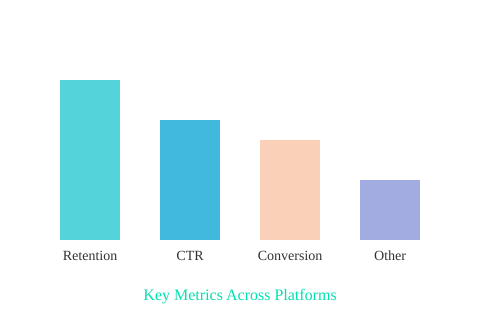
Table 1: Comparing Engagement Patterns Across Social Platforms
Understanding how audiences engage with your content across different social platforms is the first step to making your social media analytics work for your business. Not all engagement is created equal. The difference between a quick scroll past your Instagram Reel and a reader spending five minutes on your blog post is massive—especially when it comes to building trust and driving real business growth.
Short-Form vs. Long-Form: The Quality of Attention
Let’s break down the core difference: short-form content (like Instagram Reels, TikTok videos, or YouTube Shorts) gets you more eyeballs, but the attention is fleeting. Most viewers will watch for just a couple of seconds before moving on. As you’ve probably noticed, these platforms are designed for quick consumption. People scroll, maybe laugh or smile, and then forget what they just saw. As one expert put it:
"Generally, people are scrolling through, they're going to watch something that they stumble upon like a reel or a short or whatever for two seconds. They'll be like, that was cute, that was funny, whatever, moving on. They're not invested."
This is what we call vanity metrics: lots of views, but little meaningful engagement. The numbers look good, but the impact on your business is minimal.
Long-Form Content: Building Trust and Driving Conversions
On the other hand, long-form content—think YouTube videos, in-depth blog posts, or podcasts—may attract fewer people, but those who engage are far more invested. They spend more time with your content, get to know your brand, and are more likely to become loyal customers. As the saying goes:
"Long-form content, the rise of the blog all over again, oh, love it. YouTube, long-form content...attracts maybe less people, but more quality people."
From my own experience, the clients who found me through my YouTube channel or blog were not only more engaged, but also more likely to convert into high-value, long-term customers. The depth of engagement led to bigger wins, even if the audience size was smaller.
Key Differences in Engagement Patterns
- Short-form content (Reels, Shorts): High visibility, low attention span, low conversion rates.
- Long-form content (Blogs, YouTube): Lower reach, higher attention span, higher conversion rates and ROI.
The table below breaks down how engagement patterns, platform conversion rates, and return on effort compare across major social platforms:
| Platform | Content Type | Avg. Attention Span | Audience Engagement | Platform Conversion Rates | Sales Impact |
|---|---|---|---|---|---|
| Instagram Reels / TikTok | Short-form Video | 2 seconds | Broad, shallow | Low | Minimal (vanity metrics) |
| YouTube (Long-form) | Long-form Video | 5+ minutes | Focused, deep | High | Significant (quality leads) |
| Blog Posts | Long-form Text | 5+ minutes | In-depth, loyal | High | Strong (trust & authority) |
The data is clear: Long-form content increases time spent, authority, and conversion rates. While short-form content can help you get noticed, it’s the deeper, more meaningful engagement from long-form content that actually drives business growth.
Data-Driven Decisions: Smarter Social, Healthier Business (Table 2 & Chart)
When it comes to social media, simply posting more content isn’t a strategy—it’s a recipe for burnout and confusion. The businesses that scale to $30M and beyond are the ones that use data-driven decisions to guide every move. Instead of chasing likes and followers, they focus on analytics that directly tie social activity to real business outcomes: leads, sales, retention, and ROI measurement.
"If you aren't using social media to build your actual email list that you own in your business, you are building your business on a faulty foundation that is built to break."
Analytics-Informed Strategy: The $30M Case Study
Consider the difference between content flooding and analytics-informed strategy. The latter is how a business can grow from zero to $30M. The key? Clarity on your audience, a strong offer, and building owned channels—especially your email list and CRM. Social feeds are rented space; your email list and CRM are business assets you control. This is where revenue tracking systems and lead quality metrics come into play.
Key Indicators for Business Growth
- Audience Clarity: Know exactly who you serve and how to position yourself online. Your title and offer should be unmistakable.
- Offer Strength: Your messaging and call-to-action must resonate with your ideal client, not just anyone scrolling by.
- Owned Channels: Use social media to drive traffic to assets you control—your email list, CRM, and website.
Critical Social Media Metrics That Align With Real Business Goals
| Metric | Business Outcome | Tracking Method |
|---|---|---|
| Conversion Rate | Sales | UTM Parameters, CRM Integration |
| Click-Through Rate (CTR) | Lead Generation | Platform Analytics, UTM |
| Cost Per Lead (CPL) | ROI Measurement | Ad Platform, CRM |
| Customer Lifetime Value (CLV) | Retention | CRM, Revenue Tracking Systems |
| Pipeline Velocity | Sales Speed | CRM, Attribution Models |
| Deal Size | Revenue Impact | CRM, Revenue Tracking |
| Brand Sentiment | Authority | Social Listening Tools |
According to recent research, 65% of marketing leaders must prove social media’s business impact to leadership, and 68% report revenue growth from analytics-driven strategies. The integration of UTM parameters and CRM systems is essential for closing the gap between social analytics and business outcomes. This is how you move from vanity metrics to conversion metrics that matter.
Breakdown: Metrics by Business Outcome
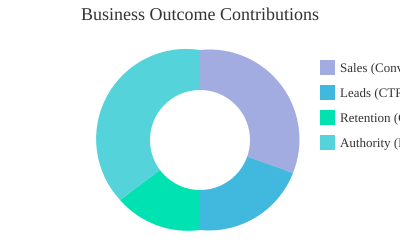
By focusing on these metrics and integrating your social efforts with CRM and email, you ensure every post, ad, and campaign is aligned with measurable business growth. This is the practical guide to aligning analytics with actual business success.
Hone Your Niche: One Platform, One Clear Message (and No More Juggling)
If you want real business growth from your social media efforts, it’s time to stop juggling multiple platforms and start mastering one. The truth is, spreading yourself thin across every channel doesn’t multiply your results—it dilutes them. Instead, focus your energy where it counts. Let’s break down why this single-platform strategy is the new growth hack and how you can use it to build a powerful, scalable presence.
Stop Spreading Yourself Thin: The Power of Focused Mastery
It’s tempting to think that being everywhere means reaching more people. In reality, trying to post on Instagram, TikTok, LinkedIn, Facebook, and Twitter all at once leads to weak engagement and a confused brand. The algorithms notice when your content lacks consistency and clarity, and your audience does too. As one expert put it:
"Pick one and get really good at it."
Laser-focused platform presence leads to stronger brand recognition, better engagement, and scalable growth. When you dominate one channel, your message is clear and your audience knows exactly what to expect. This is the foundation of an effective social media strategy.
Clarity Wins: The Channel Intro Checklist
When someone lands on your profile, they should instantly know:
- Who you are
- What you offer
- Who you help
This is your channel intro checklist. Your profile headline, bio, and offer must be crystal clear. If your page is ambiguous, you’re losing opportunities—fast. The five-second rule applies: if a visitor can’t figure out what you do in five seconds, they’ll bounce.
Here’s a quick checklist for instant clarity:
- Title: State your role or expertise (e.g., “B2B SaaS Growth Consultant”)
- Who you serve: Be specific (“Helping founders scale with data-driven marketing”)
- What you offer: Make your value proposition obvious (“Book a free growth audit”)
Ambiguous Pages = Lost Opportunities
Profiles that try to be everything to everyone end up resonating with no one. Content resonates when it’s targeted and relevant. If your messaging is muddled, your audience won’t engage—and neither will the platform’s algorithm. This is where competitive analysis frameworks come in handy: study top performers in your niche and notice how clear and focused their messaging is.
Growth Flows Outward: Dominate, Then Expand
Sequential, not simultaneous, platform growth wins in today’s crowded space. Once you’ve built authority and engagement on one platform, you can use that momentum to expand. Think of it as a trickle effect—your loyal audience will follow you elsewhere, and your brand will carry weight across channels.
Personal Anecdote: From Failure to Focus
I learned this lesson the hard way. Early on, I tried to be everywhere at once—posting daily on three platforms, tweaking content for each, and getting nowhere. My engagement was flat, and my message was lost in the noise. Only when I honed in on one platform, clarified my offer, and spoke directly to my ideal audience did I see real growth. My content started to resonate, my following grew, and business opportunities multiplied.
Remember: Trying to do everything leads to a weak presence everywhere. Master one platform, and let your growth flow outward from there.
Burnout, Balance, and the Myth of the Infinite Feed
Let’s get honest: Content burnout is real, and it’s not a badge of honor. If you’re a business owner who’s also trying to double as a creator, you’re going to burn yourself out. The myth that you need to post endlessly to keep up with the “infinite feed” is not only exhausting—it’s damaging to your business, your audience, and your well-being.
Creator and Audience Fatigue: The Hidden Cost of Vanity Metrics
Social media platforms are designed to keep you scrolling and posting. But chasing vanity metrics—likes, follows, and views—often leads to a cycle of diminishing returns. When you post 18+ times a day, you might see a temporary spike in engagement, but the real business outcomes rarely follow. Instead, both you and your audience experience fatigue. The dopamine rush of a viral moment fades quickly, leaving you with more pressure and less satisfaction.
- Creator fatigue: Constantly creating content drains your energy and creativity.
- Audience fatigue: Your followers become numb to your posts, leading to lower engagement over time.
- Minimal ROI: Data shows that posting once daily and earning $500 per post yields a higher return than 18 posts a day for $500 total.
Quality Over Quantity: Less Content, More Energy for Real Results
Healthy creators and businesses know that less is more. Posting with intention—rather than out of obligation—frees up your energy for growth and innovation. When you focus on quality over quantity, you create space for:
- Meaningful conversations with your audience
- Strategic analysis of what actually drives real business outcomes
- Time to improve your core product or service
Remember, you can’t polish a dud. If your product or offer isn’t strong, no amount of clever marketing or relentless posting will fix it. Social media amplifies what’s already there—good or bad. If you’re constantly dancing to get attention, it’s time to question your offer, not just your content strategy.
Work Life Balance: Escaping the Infinite Scroll
The infinite scroll isn’t just a feature—it’s a trap. It keeps you in a loop of posting, checking, and comparing, which erodes your work life balance. Stepping back from the feed can feel risky, but it’s often the best move for your mental health and your business. When you stop chasing the algorithm, you rediscover the joy of building something meaningful—both online and offline.
"If you're a business owner who's also trying to double as a creator...you're going to burn yourself out."
After escaping the feed myself, I found more time to innovate, connect with customers, and actually enjoy my work. The pressure to always be “on” faded, replaced by a sense of purpose and clarity. Real success comes from focused effort, not endless activity.
Key Takeaways
- Burnout is a reality, not a requirement.
- Vanity metrics don’t equal real business outcomes.
- Less posting means more energy for what matters.
- Work life balance is essential for long-term growth.
- Quality products and intentional marketing always win over quantity.
FAQ: Your Unfiltered Guide to Smarter Social Growth
Should I really post less?
Absolutely. The idea that more posts equal more growth is a myth that benefits social platforms far more than it benefits you. Chasing vanity metrics like views and likes might make you feel productive, but it rarely leads to real business growth. Instead, focus on quality over quantity. When you post less but with more intention, your content stands out and attracts more meaningful engagement. This is where Social Media Analytics come in—track what actually resonates with your audience and double down on that, rather than just adding more noise to the feed.
How do I know which metrics matter for my business?
It’s easy to get lost in a sea of numbers, but not all metrics are created equal. Platforms want you to obsess over impressions and reach, but these don’t always translate to business growth. Instead, pay attention to metrics that show real interest and action, like click-through rates, saves, shares, and especially conversions. Use your Social Media Analytics to identify which posts drive traffic to your website, generate leads, or result in actual sales. These are the numbers that support data-driven decisions and real business results.
What is the five-second rule for my social profile?
You have about five seconds to make a strong impression when someone lands on your profile. If your value isn’t clear immediately, people will scroll on. Make sure your bio, profile image, and pinned content communicate exactly who you help and how. This quick clarity helps attract the right followers—people who are genuinely interested in what you offer, not just passing by for a quick laugh or a cute video.
Why is growing an email list so crucial?
Social platforms control your reach, but your email list is yours. Algorithms change, trends fade, but a direct line to your audience is a powerful asset for business growth. Use your Social Media Analytics to see which content drives sign-ups, and prioritize those strategies. Email allows you to build deeper relationships and convert followers into loyal customers—something fleeting social engagement can’t match.
Can I succeed without "trendy" content?
Absolutely. Trendy content might get you quick views, but it rarely builds lasting relationships or drives meaningful action. Long-form content—like blogs, newsletters, or in-depth YouTube videos—encourages real investment from your audience. People who spend time with your content are far more likely to become customers. Use analytics to see which formats keep people engaged the longest, and focus your energy there.
How do I actually start using analytics if I’ve been ignoring them?
Start simple. Pick one or two key metrics that align with your business goals—like website clicks or email sign-ups—and track them weekly. Don’t get overwhelmed by every number on your dashboard. Over time, you’ll spot patterns and learn what works for your audience. Let data guide your decisions, not just gut feelings or what’s trending.
Is it normal to feel burnout? (Short answer: Yes. Long answer: Here’s how to recover.)
Burnout is common, especially when you’re stuck on the content treadmill. The good news? You can step off. Focus on creating fewer, better pieces of content that truly serve your audience and your business. Use Social Media Analytics to work smarter, not harder. Remember, sustainable business growth comes from value and connection, not constant posting. Give yourself permission to slow down and let your data show you the way forward.
In the end, smarter social growth isn’t about chasing every trend or metric. It’s about making data-driven decisions that align with your goals, your audience, and your well-being. Stop posting for the sake of it—start succeeding with intention.
TL;DR: Posting less, but with greater intention and a data-driven focus, leads to real business growth. Ditch the vanity metrics, lean into analytics, and deliver genuine value if you want to win in today’s evolving social world—without burning out.
Post a Comment