

Picture this: You're twelve, convinced you see the world clearer than most adults—and, honestly, you might be right. I remember those years, equal parts messy and magnetic. This post explores what happens when you channel that stubborn, passionate kid into business, health, and parenting in the digital age, the way Gary Vee has. If you've ever wondered what drives someone to bet the farm on the internet or to make getting in shape a full-contact sport at 38 and a half, you're in the right place. Let's hit the pavement—literally and figuratively—and see what resilience and reinvention really look like.
Betting the Farm: How Childhood Defiance Became Business Rocket Fuel
When you look at the stories of Gary Vee Real Leaders, there’s a common thread: a willingness to break the rules, trust intuition, and bet big on what others overlook. For Gary Vaynerchuk, this mindset was forged early. By the age of 12, he claims he already understood the big themes of life—what mattered, what didn’t, and how to spot opportunity where others saw risk. This early clarity became the foundation for a career defined by bold pivots, relentless resilience, and a brand of realness that has inspired a new generation of Entrepreneur Leadership Insights.
Early Defiance: Listening Only to His Mom
Gary’s childhood in New Jersey wasn’t defined by following the crowd. In his own words, “I wasn’t willing to listen to any grownup that wasn’t my mom telling me that I wasn’t shit.” His mother’s influence was a force of nature—her belief in him gave Gary the confidence to tune out doubters and trust his own instincts. This selective listening wasn’t just stubbornness; it was a calculated filter that allowed him to focus on what truly mattered and ignore the noise.
Spotting Consumer Shifts Before the Crowd
One of the most powerful lessons from Gary’s journey is the ability to sense when the world is changing. As he puts it, “When people are talking about my career, it’s that I understood when there was consumer shifts.” This intuition became his secret weapon. While others clung to old models, Gary was already scanning for the next big thing. This approach is at the heart of Building Brand 2025: staying ahead by recognizing where attention is moving and adapting before the masses catch on.
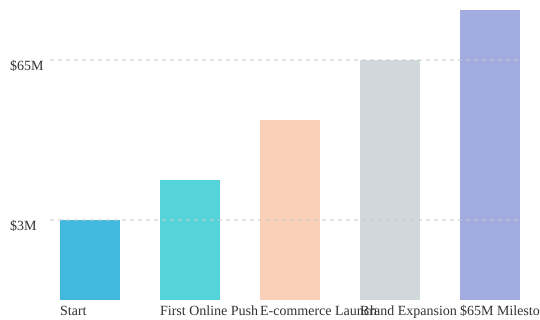
Transforming the Family Business: From $3M to $65M
The story of Gary’s family liquor business is legendary. Starting with a modest $3 million in revenue, Gary saw the untapped potential of the internet and e-commerce long before it was mainstream. He “bet the farm” on digital, transforming the business into a $65 million powerhouse. This wasn’t just luck—it was the result of a fearless willingness to embrace new platforms and technologies, a pattern that would define his later success in Social Media Marketing Strategy.
Personal Brand as Business Leverage—Before It Was Cool
Long before the term “influencer” entered the mainstream, Gary recognized the power of personal brand. “I was early in understanding the power of personal brand as a business leverage,” he reflects. In today’s merit-based content economy, creative quality and authenticity matter more than follower counts. Gary’s approach—sharing his real journey, wins and losses alike—set a new standard for Entrepreneur Leadership Insights and continues to shape Social Media Marketing Strategy for the next generation.
Embracing Disruption and Risk—Without Fear
Perhaps the most defining trait of Gary Vee’s leadership is his relationship with risk and doubt. “Doubt doesn’t scare me,” he says. “When you’re not scared, you’re dangerous.” Whether it was betting on the internet, launching new ventures, or putting his reputation on the line, Gary’s willingness to pivot without fear of judgment became his rocket fuel. He understood that in a world where creative quality trumps follower counts, those who move first and move boldly have the edge.
Doubt doesn’t scare me. When you’re not scared, you’re dangerous.
For anyone looking to lead in the era of Building Brand 2025, Gary Vaynerchuk’s story is a masterclass in resilience, adaptability, and the power of betting on yourself—even when everyone else says you’re crazy.
38 and a Half: Getting Honest About Health (and Why It’s Never Too Late)
When you think about entrepreneur leadership insights, health and wellness might not be the first things that come to mind. But for Gary Vaynerchuk, age 38 and a half was a pivotal moment—a midlife wakeup call that changed everything. It wasn’t a dramatic crisis that sparked his transformation, but a moment of clarity: “My genetics no longer carried me.” This realization is a powerful lesson for anyone, especially those who want to do what you love for the long haul. Your body is your foundation, and ignoring it can undermine everything else you build.
From Neglect to Full-Body Wellness: The Turning Point
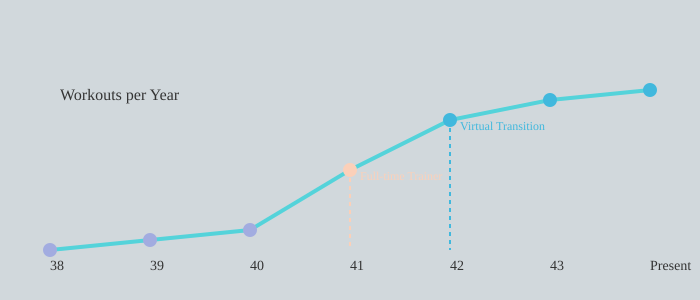
For most of his adult life, Gary admits he neglected his health. He didn’t work out, and his eating habits weren’t intentional. But at 38.5, things changed. He noticed that even simple tasks—like carrying his four-year-old daughter for a few blocks—became physically challenging. The final straw came on a flight from Houston to New York. Sitting by the window, he realized, “If I didn’t take care of my health, that was going to not work out.” There was no dramatic health scare, just a logical, honest assessment that his approach needed to change.
Feet First: The Literal and Metaphorical Foundation
One of the most surprising lessons was how much his feet impacted his overall health. “I think I have a fundamental foot issue, which is, by the way, the feet is like, it’s a big deal to your overall health,” Gary shared. Running, in particular, was a struggle. Years of neglect, plus injuries like torn ACLs, made running feel almost impossible. But instead of avoiding the problem, he decided to tackle it head-on—an approach that mirrors his consumer centric strategy in business: identify the pain points and address them directly.
Accountability Over Willpower: The Power of a Partner
One of Gary’s most honest admissions is his struggle with self-accountability. He tried hiring a trainer for occasional sessions, but out of 100 planned workouts in six months, he only showed up for five. The breakthrough came when he realized, “If someone baby-sits me and I’m accountable to them, that will work for me.” He hired a full-time trainer to shadow him daily, traveling with him and making health a non-negotiable part of his routine. This is a crucial insight for entrepreneurs: building habits isn’t always about willpower. Sometimes, the right support system is what makes all the difference.
“My genetics no longer carried me.”
“If someone baby-sits me and I’m accountable to them, that will work for me.”
Immediate Action: No More Waiting for the ‘Perfect’ Time
Gary’s story is also about the danger of waiting. At first, he planned to start at 40. Then he moved the goal to 39. By the time his flight landed, he decided to start immediately. This mindset shift—taking action now, not later—is a lesson in both health and business. Don’t wait for a crisis or a milestone birthday to make a change. If you see a problem, address it head-on.
From In-Person to Virtual: Adapting to New Realities
As Gary’s journey continued, his workouts evolved from in-person sessions to virtual ones. At first, he doubted the effectiveness of digital fitness, but over time, he embraced it. “Until this year, I have not been able to do virtual workouts and now I swear by them.” This shift highlights how even deeply personal routines can adapt to new technologies—a reminder that entrepreneur leadership insights often come from being willing to pivot and try new approaches.
Failure as a Learning Cornerstone
Gary’s health journey is full of failed attempts and honest resets. He didn’t hide from his failures; instead, he used them as stepping stones. This candor is crucial in both personal growth and business. Mistakes aren’t the end—they’re part of the process. Self-awareness, whether about your body or your brand, is the foundation for real improvement.
SVG Chart: Annual Workouts from Age 38 to Present
If It’s Not Tough, It’s Not Love: Old-School Parenting vs. Coddling Culture
When you look at Gary Vaynerchuk’s Entrepreneur Leadership Insights, it’s easy to see the roots of his resilience and realness. They weren’t built in a classroom or a business seminar—they were forged in the everyday grind of old-school parenting. Gary’s childhood was filled with rock fights, intense accountability, and a community mindset where every adult was a potential disciplinarian. This wasn’t just about tough love; it was about building a foundation for life and business where Business Values Alignment started at home.
Accountability on Repeat: The “Clockwork” Discipline
Gary’s story is a masterclass in consistency. As he puts it,
“My mom grounded me every marking period from fourth grade to the senior year of high school.”It didn’t matter if it was football season or the start of a new school year—every progress report brought the same result: two weeks grounded, no TV, no friends, no video games, no phone.
“Literally, progress report, report card, grounded two weeks, no phone, no video games, no friends, no TV. Like clockwork.”
This wasn’t punishment for the sake of punishment. It was a clear, unwavering response to bad grades. The rules were simple, the consequences predictable. There was no negotiation, no bending to excuses. Gary even jokes that his nickname could have been “Gary, in danger of failing Vaynerchuk,” because every progress report had that dreaded checkbox.
Community Parenting: Discipline Beyond the Home
Back then, discipline wasn’t just a family affair. In Gary’s neighborhood, any parent could step in to correct a kid. This “it takes a village” approach meant that respect for authority was a community value, not just a family rule. If you messed up, you didn’t just answer to your own parents—you answered to all the adults around you. This deep-rooted respect was cultivated not through fear, but through real consequences and shared expectations.
Fierce Self-Esteem Without Delusion
One of the most powerful Entrepreneur Leadership Insights from Gary’s upbringing is how his mother balanced love with accountability.
“I am the byproduct of a woman who created unlimited love and joy and rainbows and sunshine while commanded respect.”She praised him when he won, but held him accountable when he failed. There was no sugarcoating, no false praise. This built a fierce self-esteem grounded in reality, not delusion.
Success at home wasn’t measured by grades or money. It was about humanity, respect, and character. Gary’s mother made it clear that love meant holding you to a standard, not letting you off the hook. This is a lesson that echoes in his approach to business: Business Values Alignment is about living your values, not just talking about them.
Contrast: Old-School Toughness vs. Coddling Culture
Today, many parenting philosophies lean toward coddling—prioritizing friendship over authority, shielding kids from consequences, and avoiding tough conversations. But Gary’s experience shows that real love is tough. It’s about preparing kids for the challenges of life and business, not protecting them from discomfort.
When you look at Regrets Mistakes Business, you’ll often find that the biggest regrets come from not being true to your values or failing to hold yourself accountable. Gary’s upbringing taught him that self-awareness and accountability are family values that translate directly into entrepreneurship. If you want to build a values-aligned business and find true fulfillment, you need the kind of resilience that only comes from facing real consequences early in life.
Key Takeaways for Entrepreneur Leadership Insights
- Consistency builds character: Predictable consequences teach responsibility and self-discipline.
- Community matters: Shared values and collective accountability create a strong foundation for respect.
- Love is tough: Real love means holding people to high standards, not making excuses for them.
- Values set early last a lifetime: The lessons you learn at home shape your approach to business and leadership.
Gary’s story is a reminder that Entrepreneur Leadership Insights and Business Values Alignment start long before you launch your first company. They begin with the lessons learned at home—lessons about respect, accountability, and the real meaning of love.
Grit, Games, and Growing Pains: How Childhood Struggles Build Market-Ready Resilience
When you think about Entrepreneur Leadership Insights or Creative Merit Content, you might not picture a group of kids in the 1980s hurling rocks at each other or wrestling in the backyard. But for Gary Vaynerchuk, these wild, unsupervised moments were more than just childhood antics—they were the foundation for the resilience and adaptability that define market leaders today. In a world where Brand Relevance Culture is shaped by rapid change and constant disruption, those early lessons in grit are more valuable than ever.
Playground Wars: The Original Masterclass in Adaptability
Gary’s stories from his lower-income New Jersey childhood sound almost unbelievable by today’s standards. He recalls, “We were literally threw full-fledged rocks at each other's heads.” These weren’t just games—they were high-stakes lessons in risk, negotiation, and survival. Whether it was wrestling matches reenacting pro moves like the Camel Clutch and Figure Four, or the infamous “war” game in second and third grade, these experiences forced kids to adapt quickly, read social cues, and bounce back from setbacks.
| Childhood Challenge | Resilience Factor |
|---|---|
| Second/Third Grade “War” Game (throwing rocks) | Rapid risk assessment, physical and mental toughness |
| Frequent Wrestling Matches | Learning to win and lose, social navigation, adaptability |
| Immigrant Upbringing | Perspective on adversity, drive to succeed, resourcefulness |
From Scrapes to Strategy: How Grit Translates to Business
Those rough-and-tumble days weren’t just about physical toughness. They taught essential skills for navigating the unpredictable world of entrepreneurship. Every lost fight or close call was a lesson in resilience—how to get back up, how to read people, and how to keep moving forward. In Gary’s words,
“I think kids have gotten overcoddled, I think we've gone away from resilience and adaptability.”He argues that today’s sanitized, risk-averse childhoods may leave future leaders less prepared for the volatility of the business world.
In the current media paradigm, where content relevance now surpasses follower counts and legacy status, the ability to pivot and adapt is everything. The playground was a training ground for this mindset. When you’ve survived literal stone-throwing battles, the fear of launching a new product or weathering a market downturn feels manageable by comparison.
Social Navigation: Learning the Unwritten Rules
Beyond physical grit, these childhood games were also about social intelligence. You learned who to trust, how to negotiate peace after a fight, and when to walk away. These are the same skills that drive effective Entrepreneur Leadership Insights today. Whether you’re building a team or managing a brand crisis, the ability to read a room and adapt your strategy is crucial.
The Immigrant Edge: Extra Layers of Resilience
Gary’s family’s immigrant background added another dimension to his resilience. Growing up with parents who had to rebuild from scratch, he gained a unique perspective on success and challenge. This experience fostered a relentless drive and a deep appreciation for opportunity—qualities that are essential in the ever-shifting landscape of Brand Relevance Culture.
- Resourcefulness in the face of scarcity
- Comfort with uncertainty and change
- Willingness to take calculated risks
Risk, Realness, and the Modern Entrepreneur
Today, Gary sees a disconnect between the high-stress, high-reward lessons of his youth and the overprotected environments many kids experience now. He believes this shift may have unintended consequences, like increased anxiety and a lack of true adaptability. In his view, the scrapes and bruises of childhood were a preview for the risks and rewards of adult business life—a perspective that’s more relevant than ever as the rules of media and branding continue to evolve.
Brand, Guts, and Following Your Own Weird: Finding Your Edge in the Attention Economy
In the fast-moving world of digital marketing, standing out is more than just a numbers game. Gary Vaynerchuk’s journey from a $3 million family wine business to a $65 million empire is proof that building brand 2025 is about guts, timing, and embracing your own weird. Long before “personal brand” was a buzzword, Gary saw it as the ultimate business leverage. He didn’t just ride the wave—he helped create it.
Seeing Personal Branding as Business Leverage—Before It Was Cool
Gary was early to recognize that your personal story and reputation could be your biggest asset. While others focused on traditional advertising, he doubled down on himself. As he puts it:
“I was early in understanding the power of personal brand as a business leverage.”
This wasn’t just about ego. It was a strategic move. By putting himself out there, Gary built trust and loyalty with customers—something that can’t be bought with ads alone. In today’s storytelling digital marketing landscape, this approach is even more important. Audiences crave authenticity, and brands that show their real side win attention.
Risking Reputation and Ignoring Outside Judgment
One of Gary’s most powerful lessons is about fear—or the lack of it. When asked if he ever doubted his decisions, he replied:
“Doubt doesn’t scare me. I’m not scared to lose my reputation. I’m not scared to be judged by other people.”
This “dangerous” lack of fear is what set him apart. In the playground of business, most people play it safe. Gary was willing to take risks, even if it meant stumbling in public. He knew that growth comes from pushing boundaries, not from staying comfortable. When you stop worrying about what others think, you become “dangerous” in the best way—unafraid to try, pivot, and innovate.
Spotting Consumer Shifts Early: Betting Big on Underpriced Attention
Gary’s success wasn’t just about confidence; it was about timing. He saw the internet as an underpriced attention channel before most people understood its potential. He bet the farm on digital, investing in content and community when others still relied on billboards and print ads. This early move paid off, turning his family’s business into a powerhouse and setting the stage for his future ventures.
| Year | Strategy | Outcome |
|---|---|---|
| Early 2000s | Personal brand bet on the internet (pre-influencer era) | Wine Library grows from $3M to $65M |
Merit Over Follower Count: The New Content Economy
Today, the rules of the game have changed. In the interest media followers era, it’s not just about how many people follow you—it’s about the creative merit content you share. The merit-based content economy rewards originality, creativity, and realness. Viral success is no longer reserved for those with massive audiences. Instead, unique voices and genuine stories break through the noise.
- Quality trumps quantity: A single creative post can outperform a feed full of generic content.
- Authenticity wins: Audiences connect with honest, imperfect stories over polished, impersonal ones.
- Self-awareness beats perfectionism: Knowing your strengths—and your quirks—gives you an edge.
Lessons from the Playground: Embracing Mistakes and Pivots
Gary’s journey is a reminder that business is like the playground. The kids who aren’t afraid to fall are the ones who learn the fastest. Mistakes and stumbles are part of the process. What matters is the willingness to pivot, adapt, and keep moving forward. In a world where attention is the most valuable currency, your edge comes from being real, being bold, and following your own weird—no matter who’s watching.
“When you’re not scared, you’re dangerous.”
What AI and Order-Taker Designers Have in Common: Lessons from the Automation Wave
In Gary Vaynerchuk’s world, the difference between thriving and surviving in the age of AI comes down to one thing: creativity. As you listen to Gary discuss the future of work, it becomes clear that the most vulnerable roles are those where people simply follow instructions—what he calls “order takers.” This is especially true for graphic designers and other creative professionals who don’t go beyond the brief. If you’re an Order Taker Graphic Designer, you’re at the highest risk of being replaced by automation. But if you bring imagination, strategy, and a willingness to take creative risks, you’re far more likely to stay relevant, even as AI transforms the industry.
“Those most vulnerable to AI disruption are workers who follow explicit instructions without creative input.”
AI Vulnerability: Creativity as Your Safety Net
Gary’s perspective is rooted in his own experience spotting and betting on trends. He saw early on that the internet would change retail forever, and he was right. Now, he’s betting that AI Vulnerability Creativity will be the dividing line between those who get replaced and those who rise. If your job is to execute a set of instructions—whether you’re a designer, marketer, or even a manager—AI can likely do it faster, cheaper, and with fewer errors. But AI still struggles with true creativity, strategic thinking, and the kind of intuition that comes from years of experience.
This is why Gary encourages you to lean into creative thinking, even in roles that might seem routine. Self-awareness and the courage to take creative risks can push you above the automation line. It’s not about having a glamorous job title; it’s about how you approach your work. Are you simply checking boxes, or are you finding new ways to solve problems and add value?
Order Taker Graphic Designers: The First to Go?
Let’s be honest—many graphic designers have built careers by executing client instructions to the letter. But as AI tools become more sophisticated, these “order taker” roles are the easiest to automate. If you’re not injecting your own ideas, challenging briefs, or offering strategic solutions, you’re competing directly with machines that never sleep and never make mistakes. Gary’s advice is clear: develop your creative muscles, learn to think critically, and don’t be afraid to push back when you see a better way forward.
- Order takers: Follow instructions, rarely innovate, high risk of automation.
- Creative professionals: Bring new ideas, challenge assumptions, much lower risk.
Work Efficiency AI Tools: The VaynerX Approach
At VaynerX, Gary’s strategy isn’t to fight AI—it’s to embrace it. He’s rolling out Work Efficiency AI Tools across the company, not to replace people, but to free them up for higher-level work. The goal is simple: let AI handle the repetitive, low-value tasks so humans can focus on what they do best—being creative, strategic, and empathetic.
This approach means you could actually work less while producing more, but only if you’re willing to adapt. If you resist change and cling to old ways of working, you’ll be left behind. But if you see AI as a partner, not a threat, you’ll find new opportunities to shine. Gary’s AI optimization at VaynerX is about more than efficiency—it’s about unlocking human potential by removing the drudgery from daily work.
Lessons from the Automation Wave
- Jobs requiring imagination and strategic thought have higher survival odds.
- Self-awareness and creative risk-taking are your best defense against automation.
- Embrace AI tools to maximize your output and free up time for creative work.
- Blend creative thinking with practical, hands-on skill-building to stay ahead.
Gary’s message is simple: don’t be an order taker. Whether you’re a designer, marketer, or entrepreneur, your future depends on your ability to think creatively, adapt to new tools, and bring real value that AI can’t replicate. The automation wave is here—but so is your opportunity to rise above it.
FAQ: Breaking Things, Getting Up, and Owning Your Weird (Common Gary Vee-isms Answered)
Why does Gary Vee focus so much on childhood stories?
If you’ve listened to any Gary Vee Interview Insights, you’ll notice how often Gary circles back to his childhood in New Jersey. This isn’t nostalgia for nostalgia’s sake—it’s about context. Gary believes that the roots of your resilience, creativity, and even your quirks are shaped early. His stories of wrestling, fighting, and hustling as a kid aren’t just colorful anecdotes; they’re proof that adversity and freedom to experiment build the muscle for future Entrepreneur Leadership Insights. Gary’s point is that you can’t separate who you are now from where you came from, and that understanding your own story is the first step to owning your weird and finding your unique edge in business and life.
How do you find an accountability partner in business—what’s the ROI?
Gary’s journey into health and wellness started with a single moment of clarity: realizing he was more accountable to others than to himself. He hired a trainer, Mike Viconti, and credits that decision with changing his life. In business, Gary sees an accountability partner as someone who doesn’t just cheer you on, but holds you to your highest standards—someone who will call you out when you’re slacking and celebrate you when you win. The ROI? It’s not just about profits or productivity; it’s about consistency, growth, and the ability to push through when motivation fades. Gary’s Entrepreneur Leadership Insights suggest that the right accountability partner can be the difference between a good idea and a legacy.
Is getting grounded actually useful parenting or just old-school punishment?
Gary’s reflections on parenting are shaped by his upbringing—tough love from immigrant parents, especially his mother, who balanced unconditional support with high expectations. He’s critical of modern “BFF” parenting, arguing that over-coddling can rob kids of resilience. For Gary, getting grounded or facing consequences isn’t about punishment for punishment’s sake; it’s about teaching accountability and boundaries. He doesn’t romanticize adversity—he knows not all tough childhoods produce greatness—but he believes that some friction is necessary for growth. In his view, the best parenting combines love with discipline, creating kids who are both confident and responsible.
How do you spot the difference between healthy risk and reckless behavior?
Gary’s business success is built on betting big—on the internet, on e-commerce, on his personal brand. But he’s quick to point out that not all risk is created equal. Healthy risk, in Gary’s eyes, is calculated: it’s based on research, intuition, and a willingness to lose without losing yourself. Reckless behavior, on the other hand, is driven by ego, impatience, or a need to prove something. Gary’s advice is to get comfortable with “zero”—the idea that you can lose money or status and still be okay. The real danger, he says, is letting fear of loss stop you from acting at all.
Does everyone need a personal brand, or is it just for entrepreneurs?
Gary’s take on personal branding is nuanced. While he’s built a massive following by being unapologetically himself, he’s the first to admit that not every business—or every person—needs a public persona. For some, like luxury brands or behind-the-scenes leaders, the work speaks for itself. But for most, especially in today’s media-driven world, your reputation is your leverage. Whether you’re an entrepreneur, an employee, or a creator, cultivating a personal brand gives context to your work and opens doors. Still, Gary warns against building a brand for the sake of it; authenticity is the only real strategy.
Are digital workouts truly effective or a passing trend?
When Gary’s trainer moved to Minnesota, their sessions shifted to Zoom. Gary’s verdict? Digital workouts work—if you work them. They offer flexibility and access, but he admits that in-person training still has the edge for accountability and results. The lesson here is bigger than fitness: technology can be a powerful tool for growth, but it’s only as effective as your commitment. As with all things Gary Vee, it’s about self-awareness, discipline, and adapting to change.
In the end, Gary Vee’s insights are less about breaking things for the sake of it and more about building the resilience to get up, adapt, and own your weird. Whether you’re pivoting in business, parenting, or personal growth, the real lesson is to stay honest, stay curious, and never stop betting on yourself.
TL;DR: Gary Vaynerchuk’s story proves that self-awareness, guts, and a refusal to let outside noise define you are the real currencies of our time. From childhood rock fights and entrepreneurial mischief to building a multi-million-dollar brand and parenting with tough love, the lesson is clear: Find your core, honor it, and don’t be afraid to adjust course as you grow.
Post a Comment