

I’ll admit it: I tend to hold a soft spot for abandoned apps. Years ago, I lost a meticulously organized set of recipes to the great Evernote Migration of 2014. So when Cortex—one of my favorite second brain tools—met its untimely end, and Eden rose from its ashes, I was both skeptical and curious. Could Eden really replace Cortex? Or was this just another forgettable pivot? After two months of hands-on experience as an Eden beta tester (and plenty of late-night coffee-fueled troubleshooting), I’m ready to spill the details you’ll want to know: how Eden is more than a simple upgrade, the quirks and vision shifts, and yes—the nitty-gritty on making your digital work-life smoother. Spoiler: There are ideas here worth stealing for your own toolkit.
Eden at a Glance: How AI Reimagines Memory and Teamwork
Imagine if your digital workspace could remember everything for you, not just the notes you type but every link, video, and article you come across. That’s the new vision behind Eden Workplace features—a leap beyond traditional note-taking. Eden isn’t just a place to write things down; it’s a search engine for your memories, powered by AI that organizes and resurfaces your information exactly when you need it.
Eden’s New Pitch: Your Memory, Supercharged by AI
The core idea of Eden Workplace flexible workplace is simple but powerful: capture anything you want to remember, and let AI handle the rest. Whether it’s a YouTube video, an Instagram reel, a Substack article, or just a quick copy-paste from your browser, Eden’s universal capture system takes it all in. As soon as you add content, Eden’s AI transcribes and auto-tags it, making sure nothing gets lost in the shuffle.
| Feature | How Eden Uses AI |
|---|---|
| Links, Videos, and Articles | AI transcribes and auto-tags upon capture |
| Flexible Digital Capture | No more forgotten URLs or scattered inspiration |
This means you never have to worry about where you saved that insightful podcast or which folder holds that crucial design reference. Eden’s AI-driven auto-organization acts like a digital librarian—one that not only files things away but also knows when to bring them back to your attention.
From Solo Notes to Employee-Centric Teams
Eden Workplace employee-centric teams are at the heart of this transformation. While the original Cortex app focused on solo creators, Eden now supports collaborative workflows for teams, filmmakers, designers, and any group juggling digital inputs. The shift is clear: Eden is no longer just for individuals—it’s built for teamwork.
- Team Projects: Share and organize research, references, and inspiration in one place.
- Creative Workflows: Designers and filmmakers can capture visual and audio content, then let AI tag and organize it for easy retrieval.
- Flexible Collaboration: Everyone on the team can add, search, and resurface content, making group work smoother and more intuitive.
During beta testing, I found Eden’s tagging and resurfacing features almost eerily intuitive. It felt like having a digital assistant who understood not just what I saved, but why I’d want it later. The first time Eden resurfaced an obscure YouTube clip for a team brainstorming session, I actually laughed out loud—it was like the app knew exactly what we needed, right when we needed it.
Flexible Note-Taking: Modern AI Meets Classic Methods
One of the standout Eden Workplace features is its flexibility. If you’re a fan of classic note-taking systems like Zettelkasten or literature notes, you don’t have to give them up. Eden lets you create manual notes, organize them in your preferred way, and even apply traditional methods within the same workspace. This means you can blend the best of both worlds: AI-powered organization for your digital captures, and hands-on control for your own thoughts and research.
- Manual note creation is fully supported.
- Traditional systems like Zettelkasten work seamlessly inside Eden.
- Mix and match modern and classic workflows to suit your style.
The true power of Eden is this idea of that you can capture everything and then resurface it way easier than it was before.
Why This Matters for Modern Teams
Eden Workplace flexible workplace isn’t just about storing information—it’s about making your collective memory searchable, shareable, and actionable. Whether you’re an individual creator or part of an employee-centric team, Eden’s AI ensures that your digital knowledge is always organized and ready to use, supporting both modern and traditional note-taking styles without compromise.
Eden Workplace Pricing (2025): Unwrapping Plans, Trials, and Value
When you’re exploring a new workplace platform, understanding the pricing structure is just as important as knowing the features. Eden Workplace pricing in 2025 stands out for its clarity, flexibility, and value—especially if you’re part of a growing team or a multi-location company. Let’s break down the plans, what you get with each, and why Eden’s approach to pricing makes it a strong contender in the second brain and memory search engine space.
Three Main Pricing Tiers: Starter, Accelerate, and Scale
Eden Workplace offers three main subscription options, each designed to fit different team sizes and needs:
- Starter (Free): Perfect for individuals or small teams who want to test the waters. This tier gives you access to core features at no cost, making it a risk-free way to explore the platform’s capabilities.
- Accelerate ($89/month/location): Aimed at growing teams and organizations, this plan unlocks advanced features and is priced per location. It’s a great fit if you’re ready to scale your operations without breaking the bank.
- Scale ($179/month/location): Built for enterprises and larger organizations, the Scale tier offers the most comprehensive set of features, including enterprise-level support and integrations. It’s also priced per location, making it easy to budget as you expand.
No Setup Fees—A Welcome Surprise
One of the standout aspects of Eden Workplace pricing is the absence of setup fees. For lean teams and startups, this is a big plus. You can get started without worrying about hidden costs or upfront investments, which is not always the case with other workplace platforms.
Free Trial and Free Version: Hands-On Exploration
If you’re not sure which plan is right for you, Eden Workplace provides both a free trial and a free version. This means you can try out the platform’s features before making any commitment. As one user put it:
Eden Workplace provides a free trial and a free version, making it accessible for small businesses and startups.
From my perspective, the free tier is surprisingly useful. If you’re a small team or just starting out, you’ll find that the Starter plan covers a lot of ground. It’s a practical way to see if Eden fits your workflow before considering a paid Eden Workplace subscription.
Designed for Multi-Location Companies—Scales as You Grow
Eden Workplace’s pricing model is built with scaling in mind. Since Accelerate and Scale are priced per location, you can add new offices or branches as your company grows. This makes budgeting predictable and ensures you only pay for what you use. The transparent, scalable approach is a breath of fresh air compared to platforms that lock you into rigid contracts or charge hefty setup fees.
Quick Comparison Table: Eden Workplace Pricing Tiers (2025)
| Plan | Monthly Price (per location) | Key Features | Best For |
|---|---|---|---|
| Starter | Free | Core features, limited users, basic support | Individuals, small teams, startups |
| Accelerate | $89 | Advanced features, integrations, priority support | Growing teams, multi-location companies |
| Scale | $179 | All features, enterprise support, custom integrations | Large organizations, enterprises |
Visualizing Eden Workplace Pricing and Features
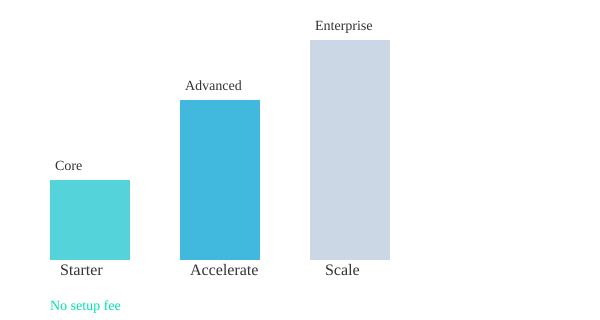
With transparent Eden Workplace pricing, a generous free trial, and no setup fees, Eden makes it easy to find the right fit for your team—whether you’re just starting out or managing multiple locations. The value for money is clear, and the flexibility means you can grow at your own pace.
Essential Features: From Desk Booking to Team Safety (Plus One Annoying Quirk)
When you step into the world of Eden Workplace, you’ll quickly notice its robust set of features designed for the modern, hybrid digital office. Whether you’re a solo creator or part of a growing team, Eden Workplace features are built to make your day smoother, safer, and more organized. Let’s break down what you can expect—from the basics like desk booking to advanced integrations and, yes, even a quirky AI moment or two.
Eden Workplace Desk Booking: Reserve Your Space, Your Way
Desk booking is at the heart of Eden Workplace. With just a few taps, you can reserve a desk for the day, week, or even just a few hours. The Eden Workplace mobile app makes this especially convenient. Imagine checking desk availability from the parking lot—while juggling three coffee cups and your laptop. (I’ve done it, and it’s a lifesaver.) Custom booking rules let admins set who can book which desks and when, while desk amenities and wayfinding features help you find the perfect spot with the right equipment.
Visitor Management and Room Scheduling: A Seamless Experience
Welcoming guests is easy with Eden’s visitor management system. Pre-register visitors, send them QR codes, and track arrivals—all from your dashboard. Room scheduling is just as smooth. Book meeting rooms, check availability in real-time, and avoid double-bookings. These features are especially useful for hybrid teams who need flexibility and transparency in shared spaces.
Performance Management and Team Safety
Performance management tools help you keep tabs on team productivity and space utilization. Eden Workplace also prioritizes safety, with options for health screening, capacity limits, and even contact tracing. These features ensure that your workplace isn’t just efficient—it’s also safe for everyone.
Eden Workplace Integrations: Connect Your Favorite Tools
One of the standout Eden Workplace features is its deep integration with popular platforms. As the company puts it:
Eden Workplace integrates with popular platforms such as Slack, Microsoft 365, Microsoft Teams, Google Calendar, BambooHR, Rippling, and Zendesk Suite.
This means you can sync bookings with your Google Calendar, get notifications in Slack or Teams, and even connect HR data from BambooHR or Rippling. These Eden Workplace integrations streamline your daily workflow, reducing friction and manual entry.
Advanced Features: Internal Ticketing, Asset Management, and Analytics
For advanced teams, Eden Workplace doesn’t stop at the basics. Internal ticketing lets employees submit IT or facilities requests right from the app. Asset management tracks everything from laptops to projectors, ensuring nothing gets lost in the shuffle. Analytics reporting gives you insights into space usage, booking trends, and team performance—helping you make data-driven decisions for your workplace.
Mobile App: Flexibility for Digital-Native Teams
The Eden Workplace mobile app is a game-changer for flexible, on-the-go teams. You can book desks, check in, manage tickets, and even access analytics—all from your phone. This level of mobility is rare in workplace management software, especially at lower pricing tiers.
Custom Booking Rules, Desk Amenities, and Wayfinding
Admins can set custom booking rules to match company policies. Want to limit bookings to certain teams or require approval for specific rooms? No problem. Desk amenities let you filter by equipment or location, and wayfinding features help you navigate large office spaces with ease.
One Annoying Quirk: Overzealous AI Tagging
While Eden’s AI is great at organizing your workspace, it sometimes gets a bit too enthusiastic. Case in point: I once scheduled a meeting titled “Dog Grooming Tips” for our pet-friendly office initiative. The AI tagged it as an actual dog grooming appointment, complete with reminders to bring shampoo and clippers. It’s a small price to pay for powerful automation, but it’s worth keeping an eye on those tags!
Feature Cheatsheet: Plans and Capabilities
| Feature | Available On |
|---|---|
| Desk Booking | All Plans |
| Visitor Management | All Plans |
| Room Scheduling | All Plans |
| Performance Management | Pro & Enterprise |
| Mobile App | All Plans |
| Integrations (Slack, Teams, Google Calendar, BambooHR, etc.) | Pro & Enterprise |
| Internal Ticketing | Pro & Enterprise |
| Asset Management | Enterprise |
| Analytics Reporting | Pro & Enterprise |
Eden in the Real World: Team Experiences, Value for Money, and Room for Growth
Eden Workplace Reviews: What Real Teams Say
When you look at Eden Workplace reviews across platforms like G2, Capterra, and TrustRadius, a few themes stand out. The most common praise centers on ease of use and a comprehensive feature set. Users often mention how quickly their teams adapt to Eden, even if they’re not tech-savvy. This is especially important for fast-growing digital teams that need to onboard new members without friction. As one reviewer put it:
"Eden Workplace has a strong value for money rating, with positive reviews highlighting its ease of use and comprehensive feature set."
The software’s intuitive design means you spend less time training and more time getting things done. This is a big reason why Eden is so popular with organizations that are scaling quickly or managing hybrid workforces.
Eden Workplace Value for Money: Robust Features at Every Tier
Another area where Eden shines is value for money. Even on the Starter tier, you get access to a wide range of features—desk booking, room scheduling, visitor management, and more. As you move up to higher tiers, you unlock deeper analytics and advanced reporting. Many users say Eden delivers more than competitors at a similar price point, making it a smart choice for budget-conscious teams.
- Starter tier: Core features for small teams
- Growth tier: Enhanced analytics and integrations
- Enterprise tier: Customization, advanced reporting, and premium support
This flexibility means you only pay for what you need, and you can scale up as your team grows. It’s like having a high-end Swiss Army knife: all the tools are there, but you only use what fits your workflow.
Case Study: Saving Hours with Eden’s Reporting Analytics
Consider the story of a small creative agency that switched to Eden to manage their hybrid workplace. Before Eden, booking desks and meeting rooms was a manual process—spread across emails, spreadsheets, and Slack messages. After implementing Eden, the agency consolidated all bookings into one platform. The result? They saved several hours each week, freeing up time for client work and collaboration.
What really impressed the team was Eden’s reporting analytics. With just a few clicks, managers could see which spaces were being used most, spot trends, and optimize their office layout. As someone who’s seen these dashboards firsthand, I can say: the level of insight is impressive, and yes, I was jealous!
Eden Workplace Flexible Workplace: Built for Hybrid and Distributed Teams
Eden is designed for the realities of today’s flexible workplace. Whether your team is fully remote, hybrid, or spread across multiple locations, Eden’s hot desking and room booking features make it easy to manage space and resources. Distributed teams especially benefit from the ability to reserve desks on the fly, ensuring everyone has a spot when they come in.
- Supports hot desking for hybrid teams
- Works across multiple office locations
- Centralized admin dashboard for easy oversight
This flexibility is a key reason why Eden Workplace reviews are so positive among companies embracing new work norms.
Room for Growth: Where Users Want More
No tool is perfect, and Eden is no exception. Some users mention that they’d like to see deeper calendar integrations, especially for teams that rely heavily on mobile devices. Enhanced syncing with Google Calendar or Outlook would make it even easier to coordinate meetings and bookings on the go. This feedback shows that while Eden covers the essentials, there’s always room to evolve alongside users’ needs.
Visualizing Eden Workplace Reviews: Rating Distribution
To give you a sense of how Eden is received, here’s a donut chart showing the distribution of star ratings from G2, Capterra, and TrustRadius:
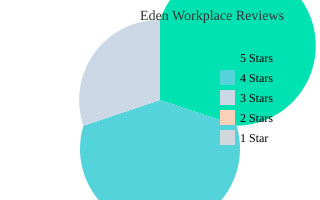
As you can see, the majority of reviews are 4 or 5 stars, reflecting strong satisfaction with Eden’s usability, value, and feature set.
Switching to Eden: Migration Tips, Gotchas, and Team Onboarding
Transitioning from Cortex to Eden can feel like a big leap, especially if you’ve relied on Cortex as your second brain for writing, note-taking, and AI-powered workflows. As someone who’s been a beta tester for Eden for the past two months—and who fully transitioned my entire Cortex system to Eden—I’ve learned a lot about what works, what to watch out for, and how to help your team get up to speed quickly. Here’s a practical guide to make your Kortex to Eden migration as smooth as possible, with a focus on team safety, calendar integration, and onboarding best practices.
Quickstart: Bulk Import from Cortex to Eden
One of Eden’s biggest strengths is its robust migration tools. Whether you’re moving your personal notes or migrating an entire team workspace, Eden supports bulk import from Cortex. This means you don’t have to manually copy-paste or risk losing your data. The process is straightforward:
- Export your notes and data from Cortex (usually as a .zip or .json file).
- In Eden, use the import wizard to upload your Cortex export.
- Follow the prompts to map your folders, tags, and permissions.
This bulk import feature is available for both individual users and teams, making the Kortex to Eden switch much less stressful.
Key Gotchas: Double-Check AI Auto-Tagging
After importing, Eden’s AI will automatically tag and organize your notes. While this is a huge time-saver, it’s not always perfect. Double-check the AI auto-tagging on your migrated notes for accuracy. Sometimes, context can get lost in translation, especially if you used custom tags or unique structures in Cortex.
- Review high-priority notes first.
- Manually adjust tags or categories that seem off.
- Use Eden’s batch editing tools to fix multiple notes at once.
This extra step ensures your new Eden workspace stays organized and easy to search—one of the main reasons to make the switch in the first place.
Team Onboarding: Templates and Guided Setup
Onboarding a team to Eden is much easier than you might expect. Eden provides onboarding templates and a guided setup process that walks new users through the basics. This includes:
- Workspace structure templates for different team types (e.g., writers, product teams, hybrid offices).
- Step-by-step guides for setting up permissions, roles, and safety protocols (Eden Workplace team safety is a top priority).
- Sample projects and workflows to help your team hit the ground running.
In my experience, the fastest way to onboard a team is to divide and conquer—assign workspace roles early. For example, have one person handle permissions, another set up templates, and a third review imported content. This approach minimizes confusion and gets everyone involved from day one.
Hybrid Functionality: Perfect for Flexible Teams
If your team works in a hybrid or remote model, Eden’s features are designed with you in mind. The platform supports flexible workspace scheduling, presence tracking, and even safety check-ins. This makes it easy to coordinate who’s in the office, who’s remote, and how to keep everyone connected and safe (a big win for Eden Workplace team safety).
Integration Pitfall: Calendar Sync Issues
One area where you’ll want to pay close attention is calendar integration. Eden Workplace calendar integration works smoothly with Google Calendar, but if your team uses a non-Google system (like Outlook or Apple Calendar), you may encounter some hiccups. I learned this the hard way—syncing events and meeting rooms can be inconsistent, and some recurring events might not transfer perfectly.
- Test calendar sync thoroughly before rolling it out team-wide.
- Consider using Google Calendar as your main integration point if possible.
- Report any bugs to Eden’s support team—they’re responsive and eager to help.
I've been a beta tester for Eden for the past two months, and I also fully transitioned all of my Cortex system to Eden.
With these migration tips, gotchas, and onboarding strategies, your switch from Kortex to Eden can be efficient, safe, and empowering for your whole team.
Comparisons, Alternatives, and Open Questions for the Future
Eden Workplace vs. the Competition: How Does It Stack Up?
When you’re searching for the right second brain app or workplace management solution, it’s easy to get lost in a sea of features, integrations, and pricing models. Eden Workplace stands out in this crowded field thanks to its transparent pricing, robust integrations, and a holistic, AI-centric approach. But how does it compare to other leading alternatives like Deskpass, Robin, and Envoy? Let’s break it down.
Key Differentiators: Transparent Pricing and Deep Integrations
One of the most common frustrations with workplace management software is unclear or hidden pricing. Eden Workplace pricing details are upfront and easy to understand, which helps you avoid surprises as your team grows. In addition, Eden Workplace integrations are designed to work seamlessly with the tools you already use, from calendar apps to communication platforms. This is a major advantage over some competitors, which may require custom development or offer limited integration options.
Alternative Snapshot: Comparing Core Features and Pricing
To help you see how Eden Workplace alternatives measure up, here’s a quick table mapping the core features and price points of the top competitors:
| Platform | Core Features | Integrations | Pricing (per user/month) |
|---|---|---|---|
| Eden Workplace | Desk booking, visitor management, room scheduling, AI-powered search | Deep integrations (Slack, Google, Microsoft, more) | Transparent, starts at $3 |
| Deskpass | Desk and meeting room booking, multi-location support | Basic integrations (calendar, email) | Starts at $49 |
| Robin | Desk and room booking, analytics, visitor management | Good integrations (Google, Microsoft, Slack) | Starts at $8 |
| Envoy | Desk booking, visitor management, health checks | Integrations (Slack, Teams, Google) | Starts at $4 |
As you can see, Eden Workplace is positioned as a leading alternative to other desk booking and workplace management software, with competitive pricing and robust features. The AI-powered search and holistic approach are unique selling points that set Eden apart from more traditional solutions.
Open Questions: Will AI-Driven Approaches Become the Norm?
A big question for the future is whether Eden’s AI-driven, holistic approach will set a new industry standard, or if it will be easily copied by others, as happened with Cortex. AI is transforming how we interact with our digital workspaces, making it easier to find information, automate tasks, and personalize workflows. But with rapid innovation comes rapid imitation. Will Eden’s head start in AI-centric workplace management give it a lasting advantage, or will competitors quickly catch up?
User Perspective: The Importance of Fit and Feel
It’s important to remember that sometimes, choosing between Eden Workplace alternatives isn’t just about features or pricing. It’s about what feels right for your team’s workflow. There’s no one-size-fits-all solution. For example, one team I spoke to switched to Eden because it “just clicked” with their way of working—sometimes that intuitive fit beats a long list of features.
Eden Workplace is positioned as a leading alternative to other desk booking and workplace management software, with competitive pricing and robust features.
The Evolving Landscape: What’s Next?
The workplace management landscape is evolving quickly. Eden’s strong market position, transparent pricing, and deep integrations make it a compelling choice, but competition from Deskpass, Robin, Envoy, and others remains tight. As AI continues to shape how we manage our workspaces, the next few years will reveal whether Eden’s approach becomes the new normal—or just the next step in a rapidly changing field.
FAQ: Eden Workplace Edition (2025)
As more teams and individuals transition from Cortex to Eden, it’s natural to have questions about what Eden Workplace offers, how it works, and what makes it different. This section addresses the most common Eden Workplace FAQs for 2025, especially for those familiar with second brain apps and now exploring Eden’s advanced memory search engine capabilities.
Is there a real free version of Eden Workplace?
Yes, Eden Workplace offers a genuine free entry tier for all users. You can sign up and start using core features without entering payment details or worrying about a trial expiring. This free version is not a limited-time offer; it’s designed to let you experience Eden’s unique memory search and note management features at your own pace. For teams and power users, Eden also provides a free trial of premium features, so you can evaluate advanced tools before making any commitment.
Are there any setup fees or hidden costs?
There are no setup fees with Eden Workplace. Unlike some competitors, Eden does not charge you to get started. You can create an account, import your data, and begin collaborating without any upfront costs. This transparent approach extends to pricing as well—there are no hidden charges or surprise fees. If you decide to upgrade to a paid plan, you’ll see clear, straightforward pricing based on your team’s needs. This has been a major draw for Cortex users and new adopters alike, making the Eden Workplace setup fee question an easy one to answer: there isn’t one.
How do I import notes from Cortex?
Eden Workplace makes it simple to bring your existing knowledge base with you. The platform includes a dedicated import tool for Cortex users. After logging in, you can select the “Import from Cortex” option, upload your exported files, and Eden will automatically organize your notes, tags, and attachments. The import process preserves your original structure, so you won’t lose context or connections. For teams, batch imports and admin controls streamline the transition, ensuring everyone’s notes and resources are available from day one.
What integrations work out of the box?
One of Eden’s strengths is its broad support for third-party integrations. Out of the box, Eden Workplace integrates seamlessly with popular productivity tools like Google Workspace, Microsoft 365, Slack, and Notion. You can connect your calendars, documents, and communication channels to Eden, making it easy to search and retrieve information from across your digital ecosystem. Eden Workplace integrations are designed to be plug-and-play—most require just a few clicks to set up, with no technical expertise needed. For advanced users, Eden also supports custom API connections, so you can tailor the platform to your workflow.
Where does Eden store my data?
Eden Workplace stores your data securely in the cloud, using industry-standard encryption both in transit and at rest. All data is hosted on trusted, compliant infrastructure, with regular backups and redundancy to protect against loss. You can access your notes and files from any device, and team admins have full control over data access and sharing permissions. Eden’s commitment to data privacy means your information is never sold or shared with third parties without your consent.
Is Eden secure enough for enterprise use?
Absolutely. Eden Workplace is built with enterprise-grade security in mind. The platform supports single sign-on (SSO), two-factor authentication (2FA), and detailed audit logs for compliance. All integrations and data transfers are secured using the latest protocols, and Eden undergoes regular security audits to ensure ongoing protection. For organizations with specific compliance needs, Eden offers customizable security settings and dedicated support.
In summary, Eden Workplace answers the call for a modern, secure, and integrated memory search engine—without the barriers of setup fees or hidden costs. Whether you’re migrating from Cortex or starting fresh, Eden’s free tier, robust integrations, and enterprise security make it a compelling choice for teams and individuals in 2025. As the landscape of second brain apps evolves, Eden stands out by making advanced knowledge management accessible and effortless for everyone.
TL;DR: Switching from Cortex to Eden is no ordinary app update—it’s a leap to smarter, more memorable digital organization. Eden excels at capturing, tagging, and resurfacing all your digital inputs, now optimized for teams and powered by AI. Curious about pricing, features, or how it stacks up? Scroll down for details, a quick pricing cheatsheet, comparisons, and real talk on whether Eden lives up to its bold new promise.
Post a Comment