

Confession: The first time I tried to 'start a business,' I spent two months designing what I thought was a world-changing phone case—only to have my friends (kindly) tell me it resembled a squashed armadillo. If you’ve ever had a beautiful, terrible idea, you’re not alone. Dave Ramsey’s journey—from exhausted newbie to financial broadcasting icon—proves that the messy middle is where real business wisdom happens. Let’s pull back the curtain on entrepreneurship, warts and all.
1. The Myth of the Perfect Startup: Why Ugly Babies Prevail
When you start a business, it’s easy to believe your first idea is a winner. You pour your heart into it, convinced you’ve created something special. But as Dave Ramsey bluntly puts it, “Know that the first thing that you try, you think it is a beautiful baby and it is an ugly gargoyle.” This isn’t just tough love—it’s one of the most important pieces of entrepreneurship advice you’ll ever hear.
You Will Fall in Love with Your First Idea—But It’s Probably Not ‘The One’
Most new business owners become emotionally attached to their first product or service. You see it as your “first child,” something you’ve nurtured from a simple thought into a real offering. But Ramsey’s experience in business teaches us that this attachment can blind you to flaws. The reality? Your first attempt is rarely the breakthrough you imagine.
Ramsey’s ‘Ugly Gargoyle’ Analogy: Prototypes Rarely Survive Reality
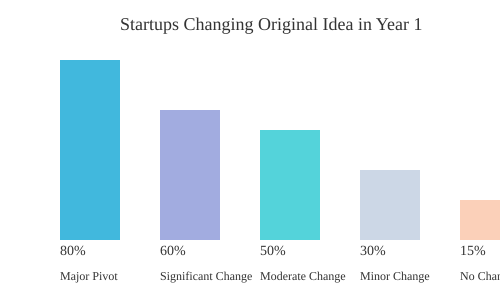
Dave Ramsey doesn’t sugarcoat it: “The prototype is not going to make it.” Most initial products or services never survive their first encounter with real customers. In fact, the majority of startups find that their original idea needs a major overhaul—or even a complete pivot—within the first year. The reason is simple: what looks perfect in your mind often falls flat in the marketplace.
“Know that the first thing that you try, you think it is a beautiful baby and it is an ugly gargoyle.” – Dave Ramsey
Why Nearly Every Business Launches with Something That Doesn’t Stick
Perfection at launch is an illusion. Even the most successful companies started with products that were clunky, incomplete, or just plain wrong for their audience. According to research, ideas are abundant, but it’s the execution and willingness to improve that separates lasting businesses from failed ones. Most products never get past the beta or test market phase because customers quickly point out what’s broken or missing.
Learning to Detach Emotionally from Your Ideas (And Why That’s Liberating)
Ramsey’s advice is clear: don’t get too attached. Emotional attachment to your “ugly baby” makes it harder to pivot, improve, or even abandon a bad idea. When you accept that your first version is just a starting point, you free yourself to listen, adapt, and grow. This mindset shift is liberating—it turns criticism into opportunity, not defeat.
Failure Isn’t the Opposite of Success—It’s an Essential Ingredient
In the world of Dave Ramsey business wisdom, failure is not the end. It’s a necessary step on the path to building something great. Ramsey says, “Go ahead and get your little feelings hurt. Get ready.” Expecting setbacks prepares you for the real work: learning, iterating, and improving.
How to Turn Feedback into Your Startup’s Secret Accelerator
Customer feedback can be harsh—sometimes brutally so. But it’s also the fastest way to uncover what needs fixing. When customers say, “This thing sucks,” it’s not a personal attack; it’s a roadmap for improvement. Use this feedback to refine your product, adjust your business model, and ultimately create something people truly want.
2. Treadmills and Traps: Surviving the Early-Stage Chaos
The Treadmill Stage: What It Really Feels Like to Be Your Own Boss
When you launch your business, you might imagine freedom and flexibility. The reality? Welcome to the treadmill stage of business. Dave Ramsey describes it as a blur of 16-hour days, constant exhaustion, and a sense of running in place. You’re not just the CEO—you’re also the accountant, the janitor, the customer service rep, and the chief firefighter. Every crisis lands on your desk, and you’re always “stepping and fetching,” hoping to drag something valuable back to your business cave.
Chaotic Days: Crisis After Crisis and the Fireman’s Hat
In these early days, chaos is the norm. You wear a metaphorical fireman’s hat, dashing from one emergency to the next. There’s no time for big-picture thinking; you’re stuck in survival mode. Ramsey puts it bluntly:
“If you don’t come to work, the stuff doesn’t get produced and the revenue doesn’t get produced.”This is the treadmill—if you stop, everything stops. There’s no backup, no automation, and no team to share the load.
When Your Business Is Actually Just Your Job
Here’s a hard truth: in the treadmill stage, you don’t really own a business. You own your job. If you’re a solo veterinarian, no pets get treated unless you show up. If you’re a solo dentist, nobody’s teeth get cleaned unless you’re in the chair. Your income is tied directly to your presence and effort. This is one of the biggest business owner challenges—realizing that your “business” is just a demanding job with no safety net.
Burnout Is Real: Protecting Your Relationships and Health
The treadmill stage is unsustainable if you don’t set boundaries. Ramsey warns that without structure, your health and relationships will suffer. Long hours, constant stress, and lack of sleep can quickly erode your well-being. It’s common to see marriages strained and friendships fade as you pour everything into your business. If you don’t have any type of stability, it can feel exhausting and overwhelming.
Shiny Object Syndrome: The Hidden Trap
Another danger in this stage is shiny object syndrome. With so much chaos, it’s tempting to chase every new idea or opportunity, hoping for a quick fix. But this only adds to the confusion and pulls your focus away from what matters. Business leadership coaching often highlights this as a major pitfall—if you’re always distracted by the next big thing, you’ll never build the solid foundation your business needs.
Why Chaos Creeps In—And Finding Your Footing
Chaos is normal in the early days, but you don’t have to stay stuck. The key is to start managing your time intentionally and bring in help, even if it’s just a few key team members. Block out time for planning, not just reacting. Begin delegating tasks so you’re not the only one producing revenue or delivering services. This is how you transition from the treadmill stage to true business ownership—and finally start to escape the chaos.
3. The Power (and Pain) of Teamwork: Escaping Dependency
If your business can’t run without you, you don’t really own a business—you just own your job. Dave Ramsey puts it bluntly:
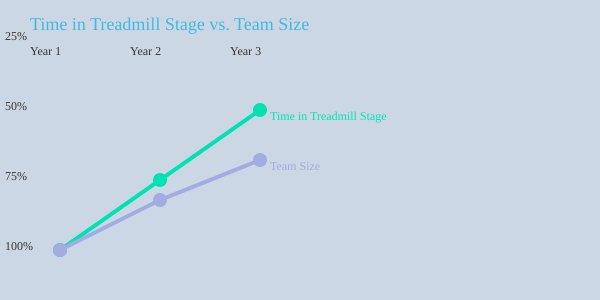
'If you get hurt or sick or take a vacation week, you just expect the revenue to go whoop.'This is the reality for many entrepreneurs in the early stages. You’re the engine, the driver, and the only one who can keep the wheels turning. But this treadmill stage is not sustainable. If you want true business independence and growth, you must embrace team building and learn to delegate responsibilities.
From Overstretched Freelancer to CEO: The Treadmill Trap
When everything depends on you, burnout is inevitable. You’re running from crisis to crisis, wearing a fireman’s hat, and never getting ahead. Ramsey describes this as chaos—customers feel it, your family feels it, and you feel it most of all. The treadmill stage is exhausting, and it’s where many business dreams stall. The key to escaping is to stop being the only producer and start thinking like a leader. This shift is the foundation of all successful business growth strategies.
Why Hiring Even One Person Changes Everything
Bringing on your first team member is a game-changer. Suddenly, you’re not the only one making the widgets, answering the phones, or serving the clients. Even a single hire increases your business’s resilience and capacity. Ramsey’s own journey is filled with stories of exhaustion that only eased when he learned to delegate. The moment you share the production weight, you free up bandwidth to focus on CEO responsibilities—like strategy, vision, and process improvement.
| Scenario | Dependency Level | Business Resilience |
|---|---|---|
| Solo Owner | 100% (Direct) | Maximum Vulnerability |
| +1 Team Member | Reduced | Greater Resilience |
| Team of 2+ (Within 1-2 Years) | Shared | Survivability & Growth |
Letting Go Without Losing Control
One of the hardest parts of team building in business is letting go. You might worry that quality will slip or that no one can do it like you. But delegation is not abandonment—it’s empowerment. You’re still responsible for the vision and the outcomes, but you’re no longer chained to every task. This is where process development comes in. By creating clear roles and repeatable systems, you make it possible for your business to run smoothly—even if you step away for a week.
Expect Growing Pains: Trust and Management
Transitioning from solo act to team leader isn’t easy. Trusting others with your “baby” is emotionally challenging. Mistakes will happen, and you’ll need to learn new skills in communication, training, and feedback. But these growing pains are necessary. As Ramsey insists, “DIY forever is a trap: growth means getting help.” The sooner you start, the sooner you move from chaos to control.
Processes: The Secret to Business Independence
Establishing processes is what lets your business breathe. When you delegate responsibilities and set up systems, you’re not just buying yourself a vacation—you’re building a company that can survive and thrive without you. Businesses that survive past the treadmill phase almost always start hiring within the first one to two years. This is the turning point for real business growth and sustainability.
4. Managing the Mayhem: Prioritizing Your Health and Relationships
As a business owner, it’s easy to let your company consume every waking moment. The excitement of building something new can quickly turn into a grind—late nights, endless decisions, and constant fires to put out. But as Dave Ramsey warns, “Your health is going to crap or your relationships going to crap if you don’t have boundaries.” If you find your business eating your sleep, sanity, and spouse, it’s time to step back and set some non-negotiable limits.
Business Owner Challenges: When the Hustle Hurts
Launching and running a business often means wearing every hat. You’re the CEO, the customer service rep, the accountant, and sometimes even the janitor. The pressure is real, and the responsibilities are endless. But here’s the hard truth: ignoring your physical health and relationships in the name of hustle is a recipe for disaster. Many founders, including Ramsey, have learned the hard way that burnout and broken relationships can tank even the most promising companies.
Health Pitfalls: The Cost of Neglect
It’s common for entrepreneurs to skip meals, ignore exercise, and sacrifice sleep. You might tell yourself it’s temporary, but these physical health decisions have long-term consequences. Chronic stress, poor nutrition, and lack of rest don’t just hurt your body—they cloud your mind and slow your business decision making. Ramsey’s own stories of exhaustion highlight this risk: “If you don’t have any type of stability, it can feel exhausting and overwhelming.”
Business Stress and Home Life: The Ripple Effect
Business stress rarely stays at the office. When you’re overwhelmed, it spills over into your home life. Arguments with your spouse, missed family events, and emotional distance become common. Ramsey admits he’s been there, and his journey shows that ignoring these warning signs only makes things worse. As a leader, your relationships are part of your foundation. When they suffer, so does your ability to lead effectively.
Tough Love: Why Sacrificing Everything Backfires
It’s tempting to believe that sacrificing your health and relationships is just part of the CEO responsibilities. But in reality, this approach hurts your company more than it helps. Burnout leads to poor business decision making, increased mistakes, and lost passion. The truth is, self-care isn’t a luxury—it’s a business strategy. Healthy routines and boundaries must be built in from the start for resilience and long-term success.
Building Support Systems: You Can’t Do It Alone
One of the most powerful lessons from business leadership coaching is the value of support networks. Surround yourself with mentors, advisors, and family who understand your journey. They’ll help you see blind spots, offer encouragement, and keep you accountable when you’re tempted to let your well-being slide. These relationships are your lifeline during the toughest seasons.
Simple Routines for Self-Care—Even on 16-Hour Days
- Set boundaries: Define work hours and stick to them.
- Prioritize sleep: Protect your rest as fiercely as you protect your business.
- Move daily: Even a short walk can clear your mind and boost energy.
- Eat well: Fuel your body with real food, not just caffeine and snacks.
- Stay connected: Schedule regular check-ins with loved ones and mentors.
“If you don’t have any type of stability, it can feel exhausting and overwhelming.” – Dave Ramsey
Trade-offs are inevitable, but intentional prioritization of your health and relationships is what keeps you—and your business—standing strong when the mayhem hits.
5. From Treadmill to Trailblazer: Strategic Evolution for Real Business Growth
Every business owner remembers those early days—long hours, endless to-do lists, and the feeling that if you stop moving, everything grinds to a halt. Dave Ramsey calls this the “treadmill” stage, and it’s the first of five predictable phases in business growth. The treadmill is where most founders start, but as Ramsey says, “The good news is you don’t have to stay there that you can move on up.”
The Five Stages of Business: Why the Treadmill Is Just the Start
According to Ramsey, business growth strategies follow a natural evolution:
- Treadmill: You do everything yourself; the business depends entirely on you.
- Pathfinder: You start building a team, shifting from worker to leader.
- Trailblazer: You focus on strategy, not just daily tasks.
- Builder: Your systems and people drive growth, not just your effort.
- Peak Performer: The business thrives independently, with you as a true CEO.
Most entrepreneurs spend 1-3 years in the treadmill stage before they see real scaling. It’s a natural place to begin, but not where you want to stay if you’re aiming for business independence.
Why Founders Struggle to Shift from ‘Worker’ to ‘Leader’
In the treadmill stage, you’re not really running a business—you own your job. If you take a day off, revenue drops and nothing gets done. This is exhausting and unsustainable. The hardest you’ll ever work is when you first kick it off, but effort alone won’t get you to the next level. Strategic thinking and a willingness to let go of some control are essential for moving forward.
How to Identify When You’re Ready to Scale
Ask yourself:
- Does your business stop if you’re not there?
- Are you constantly firefighting instead of planning?
- Is growth limited by your personal bandwidth?
If you answered yes, you’re ready to move from treadmill to pathfinder stage. This means hiring help, delegating tasks, and focusing on business growth strategies instead of just production.
Making Decisions Like a CEO: From Firefighting to Strategy
Transitioning to the pathfinder stage means shifting your mindset. Instead of asking, “What needs to be done today?” start asking, “What will move the business forward next month, next quarter, next year?” This is where CEO responsibilities come in—setting vision, building systems, and developing people. You’ll still face new problems, but they’ll be different and more strategic.
Examples of Businesses That Escaped the Treadmill
- Veterinary Clinic: The founder hired another vet and support staff, freeing up time to focus on growth and client relationships.
- Dental Practice: By training hygienists and office managers, the dentist shifted from chairside work to leading the business.
- Online Retailer: Outsourcing fulfillment and customer service allowed the owner to concentrate on marketing and product development.
Continuous Improvement: Reviewing, Revising, and Celebrating Progress
Business independence isn’t just about profit—it’s about progress. Regularly review your systems, revise your strategies, and celebrate milestones with your team. This commitment to slow steady growth is what turns a treadmill business into a trailblazer.
| Insight | Details |
|---|---|
| Hardest Work | “The hardest you’ll ever work is when you first kick it off.” – Dave Ramsey |
| Stage Duration | Average time in treadmill stage: 1-3 years before real scaling |
| Key Quote | “You don’t have to stay [in treadmill stage]… you can move on up.” – Dave Ramsey |
6. Three Hard Truths Before You Launch: Ramsey’s No-Nonsense Keys to Success
Your ‘Perfect’ Idea Probably Isn’t (and That’s Good News)
If you’re about to start a business, here’s some business coaching advice you need to hear: your first idea is almost never the one that wins. Dave Ramsey puts it bluntly:
“Go ahead and get ready. Because your little baby’s ugly.”You might see your business idea as your ‘first child’—something precious and flawless. But the reality? Most prototypes are more like awkward gargoyles than beautiful babies. The market is rarely kind to first drafts. Customers will tell you, sometimes harshly, when your product or service misses the mark. That’s not a sign to quit. It’s a sign to listen, adapt, and improve.
Expect Bruised Egos and Rapid Learning Cycles—Flexibility Trumps Pride
Launching a business means getting your feelings hurt. Ramsey’s business decision making advice is clear: “Get your little feelings hurt. Go ahead and get ready.” The first version of your product probably won’t survive the test market. That’s not failure—it’s feedback. The founders who thrive are the ones who treat every flop as a lesson, not a defeat. Flexibility is your superpower. The faster you accept criticism and pivot, the faster you’ll find what works. Reality checks and willingness to change keep you from betting everything on a doomed idea.
Execution Matters More Than Ideas: Surround Yourself with Doers, Not Dreamers
Anyone can dream up a business idea. But to implement business ideas that actually work, you need a team of doers. Ramsey’s experience shows that execution beats ideation every time. Surround yourself with people who aren’t afraid to roll up their sleeves, try, fail, and try again. Business owner confidence grows not from having the ‘perfect’ plan, but from seeing your team adapt and execute in real time. Don’t fall in love with your original idea—fall in love with the process of making it better.
Why Business Plans Must Be Living Documents, Not Stone Tablets
Too many entrepreneurs treat their business plan as a sacred text. Ramsey’s advice? Treat it as a living document. The odds are against launching with a killer product; most businesses iterate toward success. Your plan should change as you learn from the market. Take feedback seriously, update your plan, and don’t be afraid to pivot. Beta versions and test launches are the norm, not the exception. The best business coaching advice is to expect change, not perfection.
The Odds: Very Few Businesses Launch with a Killer Product; Most Iterate Toward Success
Here’s a reality check: “Your first thing is rarely the thing that survives the market.” Most successful businesses look nothing like their original idea. The winners are the ones who keep improving, based on real customer feedback. Embracing these hard truths early sets the stage for resilient growth and lasting business owner confidence.
Anecdote: From Failed Bakery to Thriving Cafe
Consider the story of a friend who opened a bakery with high hopes and a ‘perfect’ menu. The reality? Sales were flat, and customer reviews were blunt: the bread was too dense, and the hours were inconvenient. Instead of giving up, she listened, changed her recipes, and shifted her hours. She even added a coffee bar based on customer requests. Today, her bakery is a bustling cafe, all because she was willing to accept criticism and adapt. That’s the heart of Ramsey’s business coaching advice: learn, pivot, and keep moving forward.
7. Table: Common Entrepreneurial Challenges and Coping Strategies (with Wildcard Wisdom)
Every business owner faces a gauntlet of challenges in the first year. Dave Ramsey’s journey—marked by exhaustion, uncertainty, and the relentless treadmill of tasks—mirrors what thousands of entrepreneurs experience. Understanding these business owner challenges and learning how to cope is crucial for small business growth. Below, you’ll find a practical table that breaks down the top five hurdles, Ramsey’s personal responses, and proven coping strategies from founders and business leadership coaching experts. Plus, discover the ‘Ugly Baby Scorecard’—a wildcard tool to help you judge your ideas with brutal honesty, just like Ramsey recommends.
Top 5 Business Owner Challenges in Year One
| Challenge | Ramsey’s Response | Coping Strategies (from Founders & Coaches) | Wildcard Wisdom | Stress Reduction | Business Impact |
|---|---|---|---|---|---|
| 1. Exhaustion |
“I would get home and I would lay down across the couch exhausted...my wife would say, what’d you do today, I have no freaking idea, but I did a lot of it.”
—Dave Ramsey |
|
Schedule “white space” in your calendar—non-negotiable downtime. | High | Medium |
| 2. Financial Strain | “Not making money, all these expenses...” |
|
Use a weekly ‘Profit Pulse’—review finances every Friday, no exceptions. | Medium | High |
| 3. Negative Feedback | “Customers who are upset with you...” |
|
Keep a ‘Wins and Lessons’ journal to track growth from tough feedback. | Medium | Medium |
| 4. Uncertainty & Doubt | “That sense of feeling like you’re on a treadmill...” |
|
Wildcard: The Ugly Baby Scorecard—rate your prototype on usefulness, demand, and uniqueness (1-10 each). If it scores below 20, rethink or pivot. | High | High |
| 5. Loneliness | “Relationships going to crap if you don’t have boundaries...” |
|
Schedule weekly check-ins with a mentor or accountability partner. | High | Medium |
Quick-Hit Resources for Ongoing Sanity
- Podcasts: EntreLeadership, How I Built This
- Books: Traction by Gino Wickman, The E-Myth Revisited by Michael Gerber
- Support Groups: Local business meetups, SCORE, online founder forums
Use these coping strategies and resources to move from chaos to clarity as you build a business you love. Remember, every founder’s journey is messy—but with the right tools, you can thrive.
8. Chart: Time Allocation for Small Business Owners—Before vs. After Team Building
If you’re like most small business owners, you probably started out wearing every hat—salesperson, bookkeeper, customer service rep, and chief firefighter. It’s easy to assume you’ll spend your days building your brand or innovating, but the reality is much less glamorous. Before you build a team, your time is dominated by the urgent, not the important. You’re on a treadmill, running from crisis to crisis, and it feels like there’s never enough time for true business growth strategies.
Let’s break down how most solo founders actually spend their time. Research and real-world experience show that up to 70% of your day is eaten up by operations and admin—answering emails, fixing problems, handling paperwork, and putting out fires. Sales gets about 15%, creative work just 10%, and recovery (think: lunch, coffee, or catching your breath) a measly 5%. It’s no wonder so many business owner challenges revolve around burnout and feeling stuck.
Here’s where team building in business changes everything. When you delegate responsibilities and bring on even one team member, the shift is dramatic. Suddenly, you’re not the only one making the widgets or answering the phone. Your time allocation starts to look different: operations and admin drop to 40%, sales rises to 25%, creative work doubles to 25%, and you finally get a little more recovery time at 10%. Add a second or third team member, and the trend continues—more of your week is freed up for high-impact work, like strategy, innovation, and scaling up for small business growth.
| Role | Solo Founder | After 1st Hire | After 2-3 Hires |
|---|---|---|---|
| Operations/Admin | 70% | 40% | 25% |
| Sales | 15% | 25% | 30% |
| Creative/Strategy | 10% | 25% | 35% |
| Recovery | 5% | 10% | 10% |
As Dave Ramsey puts it,
“You’ve got to start managing your time and going, okay, I’m going to set up blocks of time to think about something other than the flavor of the moment.”That’s the heart of effective delegation and team building business practices: shifting away from chaos and toward intentional, strategic work. When you delegate responsibilities, you multiply your impact and create space for business growth strategies that actually move the needle.
Let me share a quick case example from my own journey. Before hiring my first team member, my calendar was a mess—every day was a scramble, and I rarely had time to plan ahead. After bringing on just one assistant, I reclaimed hours each week for creative work and long-term planning. The difference wasn’t just in my stress level; my business valuation increased, and I finally felt the traction I’d been chasing.
Optimizing your workweek as you scale starts with honest time tracking. Identify what only you can do, and delegate the rest. Build your team with intention, and watch as your role shifts from firefighter to architect. The transformation is real: less chaos, more strategy, and a business that’s built to last. Team building isn’t just a luxury—it’s the foundation of sustainable small business growth.
TL;DR: Starting a business is messy, intense, and totally worth it—if you embrace ugly beginnings, outgrow the treadmill stage, and build a sturdy team around you. Dave Ramsey’s battle-tested advice offers a roadmap (and some good-humored reality checks) for entrepreneurs willing to do the real work.
Post a Comment