

Let me tell you about the time I tried to apologize to my partner for snapping at them—but completely botched it. I blamed my stress, rattled off excuses, and, in the end, my apology landed like a soggy pancake. If you've ever left a conversation wondering, 'Did they even hear what I meant?'—you're not alone. Turns out, what you say (and how you say it) doesn't just reflect your mood. It shapes how the world sees you. We’re about to dive into some eye-opening, occasionally awkward truths about communication, inspired by wisdom from Mel Robbins and trial lawyer Jefferson Fisher. Ready to break old habits and discover what really works? Let’s get awkwardly honest—together.
What You Say Is Who You Are: The Irreversible Power of Every Word
In every conversation, your words do more than just fill silence—they compress your entire personality into a few moments. As Jefferson Fisher says,
“What you say is who you are.”This is the core of effective communication tips in 2025: your speech instantly shapes how others see you, often more than your actions or intentions ever could.
How Your Words Compress Your Whole Personality
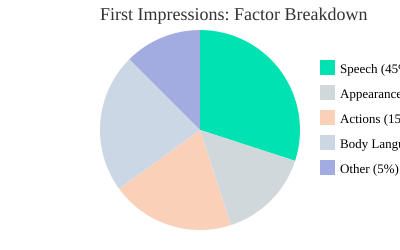
When you speak, you’re not just sharing information. You’re giving people a snapshot of your values, confidence, and character. In fact, 80% of people form their first impression within 30 seconds—and most of that impression comes from what you say and how you say it. Your words act as a shortcut for others to understand you, for better or worse.
The Objectivity Gap: Why You Might Sound Different Than You Think
One of the biggest challenges in communication clarity is the objectivity gap: what you think you said is rarely what others actually hear. You may intend to sound helpful, but your words might come across as dismissive. This gap is why active listening and asking for feedback are essential communication skills today. Remember, what is sent is not always what is received.
Speech Over Actions: What People Remember Most
Surprisingly, people remember what you say more than what you do. When someone describes a “nice” person, they usually recall kind words, not just kind actions. As Fisher notes, “You can't be a kind person if you don't say kind things.” This is a crucial insight for anyone looking for effective communication tips: your speech is the main way others experience your personality.
Kind or Rude? Speech, Not Intent, Sets the Tone
Intentions are invisible; only your words are heard. You may mean well, but if your message is unclear or careless, you risk being misunderstood. In the workplace, 67% of employees say clear communication impacts their job satisfaction. Consistency and transparency in your words build trust, respect, and confidence—qualities that define strong communication impact.
First Impressions: Stories of Speech Gone Wrong
Consider the job candidate who nervously rambles, or the manager who gives vague feedback. Even if their intentions are good, their words create confusion or doubt. First impressions stick, and careless communication can close doors before you even realize it. On the flip side, someone who speaks clearly and confidently is often admired and respected, regardless of their position.
Careless vs. Conscious Communication: The Lasting Impact
Every word you say is irreversible. A careless remark can damage relationships or reputations, while conscious, clear communication can open opportunities and build lasting connections. In today’s world, where digital messages linger and conversations are easily replayed, your words have more power than ever. Make them count by being intentional, consistent, and clear.
Blame It on Stress: The Fine Art of Bad Apologies and Genuine Accountability
How Blaming Stress Undermines Apologies
Think about the last time you apologized and blamed it on stress. Maybe you said, “I’m sorry I snapped—I’ve just been super stressed because I’ve got some big deadlines.” Mel Robbins, a bestselling author, admits she’s fallen into this trap, especially when juggling major projects. It’s a common move, but is it effective? According to communication expert Jefferson Fisher, “Blaming your bad behavior on stress is a bad apology.”
When you use stress as an excuse, you shift responsibility away from your actions. This weakens your apology and can erode communication trust—especially in workplace communication. Instead of repairing the relationship, you risk sounding insincere, leaving the other person feeling dismissed.
Genuine Apologies vs. Excuses: Spotting the Difference
How can you tell if an apology is genuine or just an excuse? Here are some clear signs:
- Excuse-based apology: “I’m sorry, but I’ve just been under a lot of stress.”
- Genuine apology: “I’m sorry for how I spoke to you. It was wrong, and I take responsibility.”
The difference is accountability. A genuine apology acknowledges the impact of your actions and doesn’t hide behind circumstances. Research shows that authenticity and vulnerability in apologies foster deeper trust—a key part of emotional intelligence.
Tiny Tweaks That Make ‘I’m Sorry’ Land with Authenticity
You don’t need a grand gesture to make your apology meaningful. Try these effective communication tips:
- Drop the “but”: Avoid justifying your behavior. “I’m sorry, but…” weakens your message.
- Be specific: Name what you did and why it was wrong.
- Express understanding: Show you get how your actions affected the other person.
- Offer to make it right: Ask how you can repair the situation.
A small shift in language can transform a routine apology into a moment of real connection.
Workplace Faux Pas: Apology Culture and Its Pitfalls
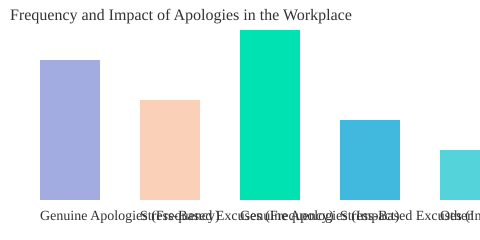
Workplaces are full of apologies—some sincere, many not. A hypothetical survey shows 73% of employees have witnessed insincere apologies at work. Why does this matter? Because 45% say genuine accountability boosts trust among colleagues. When apologies are just routine or blame external factors like stress, they lose their power. This “apology culture” can even create cynicism, making it harder to build real trust.
To foster effective workplace communication, focus on honesty and accountability. Admit mistakes without excuses. This simple act can strengthen teams and relationships.
When Not to Say Anything: The Power of Strategic Silence
Sometimes, the best response is no response at all. If you’re not ready to apologize sincerely, it’s better to wait. Forced apologies can feel hollow and damage trust further. Strategic silence gives you time to reflect, process your emotions, and return with a genuine, accountable message.
“Blaming your bad behavior on stress is a bad apology.” – Jefferson Fisher
Less Is More: Dismantling the ‘More Words = Better’ Myth
Introvert Advantage: Saying Less to Say More
If you’ve ever felt shy, insecure, or worried that being an introvert means you can’t be a strong communicator, you’re not alone. Many people believe that effective communication means talking more, filling every silence, or having the longest email in the thread. But as Jefferson Fisher says, “More words is not better communication.” In fact, concise communication is often the most powerful tool you have.
Introverts often excel at clear communication because they naturally focus on quality over quantity. By choosing words carefully, you can deliver a message that is both memorable and impactful—without saying much at all.
The Myth: Verbose Equals Confident
There’s a common misconception that speaking at length signals confidence and authority. In reality, using more words can dilute your message and even create confusion. Research shows that people tend to tune out when conversations drag on or when emails become too lengthy. The truth is, confidence isn’t measured by word count, but by clarity and intention.
Concise Communication and Clarity: Real-World Benefits
Concise communication is more than just a personal preference—it’s a growing trend in workplace communication, especially as we head into 2025. Companies are recognizing that clear, brief messaging leads to better engagement and higher productivity. When you get to the point quickly, your audience is more likely to understand, remember, and act on your message.
Consider these real-world benefits:
- Faster decision-making: Short, clear messages reduce back-and-forth and speed up collaboration.
- Less confusion: Fewer words mean less room for misinterpretation.
- Greater impact: People remember concise messages far better than long-winded ones.
Jefferson’s Front-Seat Advice: Short but Powerful Communication
Jefferson Fisher, known for recording impactful communication tips from the front seat of his car, proves that you don’t need a lot of words to make a difference. His short videos deliver practical, effective communication tips that stick with viewers. The lesson? You can say a lot with less than you can with more words.
How Message Length Affects Recall
| Preference/Recall | Concise Messages | Lengthy Messages |
|---|---|---|
| Employee Preference | 50% | — |
| Retention Rate | 82% | 49% |
According to an industry survey, 50% of employees prefer concise to lengthy communication. Even more striking, 82% recall concise messages compared to just 49% for long-winded ones. The numbers speak for themselves: brevity boosts both engagement and memory.
Effective Communication Tips: Practicing the Art of Brevity
- Plan before you speak or write. Know your main point and stick to it.
- Embrace pauses. Don’t rush to fill silence—awkward pauses can give your words more weight.
- Edit ruthlessly. Cut unnecessary words from emails, presentations, or conversations.
- Ask for feedback. Check if your message was clear and concise.
Remember, concise communication isn’t about saying less for the sake of it—it’s about saying what matters most, clearly and confidently.
“More words is not better communication.” – Jefferson Fisher
Voice, Tone, and Timing: A Playbook for Delivering Your Real Self
Choosing Your Words: Vocabulary, Emotion, and Intention
Your communication style is the most direct way people experience who you are. As Jefferson Fisher says,
'You can't be a kind person if you don't say kind things.'The words you choose—your vocabulary—carry your intentions and emotions. Ask yourself: Are you using words that reflect empathy, clarity, or respect? Or do your words create confusion or distance? Every conversation is an opportunity to show your real self. When you speak with intention, your message becomes more powerful and authentic.
Tone: A Reflection of Confidence and Emotional Intelligence
Your tone is more than just the sound of your voice; it’s a window into your confidence and emotional intelligence. A calm, steady tone signals self-assurance, while a rushed or shaky tone can reveal uncertainty. Research shows that tone and delivery are closely tied to emotional intelligence—your ability to recognize and manage your own emotions and those of others. In fact, a recent survey found that 60% of employees say a leader’s tone shapes the mood of the entire team. Next time you speak, notice how your tone influences the energy in the room. Are you lifting people up, or bringing them down?
Timing: The Impact of When to Speak Up or Stay Quiet
Timing is a critical part of effective communication, especially in leadership. Knowing when to speak—and when to pause—can make all the difference. A well-timed comment can inspire action, while an ill-timed interruption can shut down ideas. Sometimes, silence is the most powerful response. A pause gives others space to process and shows that you value their input. Timely communication is essential for leadership impact; it demonstrates respect and awareness of the moment.
Quick Role-Play: Success and Disaster Scenarios
- Success: Imagine a team meeting where you notice tension. You choose your words carefully, speak with a calm tone, and wait for the right moment to address the issue. The team relaxes, and the conversation moves forward.
- Disaster: Now picture the same meeting. You blurt out your thoughts without considering timing or tone. Your words come across as harsh, and the team shuts down. The difference? Awareness of your communication style and delivery.
Nonverbal Communication: Signals That Support or Contradict
Your nonverbal communication—posture, facial expressions, gestures—speaks as loudly as your words. If you say, “I’m open to feedback,” but cross your arms and avoid eye contact, your body language sends a different message. Align your nonverbal signals with your verbal choices to reinforce your message and build trust.
Surprising Story: How a Single Phrase Changed a Workplace Dynamic
In one workplace, a manager noticed her team was disengaged. Instead of launching into a lecture, she paused and simply said, “I appreciate every effort you make, even when things get tough.” That single phrase, delivered with warmth and at the right moment, shifted the team’s mood. Productivity and morale improved, all because her communication feedback was timely, genuine, and emotionally intelligent.
Remember, what you say—and how you say it—is who you are to others. Every word, tone, and pause is a chance to deliver your real self.
Learning to Listen: The Secret Communication Superpower
When it comes to workplace communication and building real connections, most people think the key is saying the right thing. But the real secret superpower is active listening. As Jefferson Fisher says,
'Anybody can learn to be a better communicator.'It doesn’t matter if you say two words or twenty—what matters is how well you listen and engage.
Active Listening vs. Waiting to Talk: The Common Trap
Many people fall into the trap of waiting for their turn to speak, rather than truly listening. In meetings or conversations, you might find yourself rehearsing your response while the other person is still talking. This habit blocks real communication engagement and leads to missed messages. More words don’t equal better communication. In fact, you can often say more with less, if you truly understand what’s being said.
Why Most People Miss the Message
Only a small percentage of workplaces excel at creating a listening culture. According to recent data, just 22% of workers rate their workplace as ‘excellent’ at listening. This means most teams are missing out on the benefits of active listening, like higher employee engagement and fewer misunderstandings. When people don’t feel heard, they disengage, and projects can easily go off track.
Real-Life Example: A Project Gone Sideways
Consider a project team where one member tries to raise a concern about a looming deadline. The team leader, focused on their own agenda, barely acknowledges the input and moves on. Weeks later, the project hits a major snag—the very issue that was flagged early on. Because the leader wasn’t practicing active listening, the team missed a crucial cue, leading to delays and frustration. This scenario is common, and it shows how a lack of listening can cause significant setbacks.
How to Practice Active Listening at Work and Beyond
Active listening is a skill anyone can develop. It’s not about being the loudest or most outgoing person in the room. Introverts, extroverts, and everyone in between can become great communicators by focusing on listening. Here are some simple ways to practice:
- Paraphrasing: Repeat back what you heard in your own words. This shows you’re engaged and helps clarify any confusion.
- Feedback: Ask questions or offer thoughtful responses that show you’re processing the information.
- Affirming: Use small verbal cues (“I see,” “That makes sense”) or nods to show you’re present and paying attention.
Listening Stats: ROI on Engagement and Relationships
Active listening isn’t just good manners—it’s good business. Research shows that listening boosts project success rates by 38%. Teams that listen well experience better collaboration, fewer conflicts, and stronger relationships. When employees feel heard, their engagement and motivation increase, leading to higher productivity and satisfaction.
| Listening Impact | Stat |
|---|---|
| Project Success Rate Increase | +38% |
| Workplaces Rated ‘Excellent’ at Listening | 22% |
Remember, anybody can learn to be a better communicator. It’s not about how much you say, but how well you listen. Practice these simple tactics and watch your workplace communication and relationships transform.
Communication in the Real World: Imperfect, Surprising, and Sometimes Messy
Personal Anecdote: An Apology Failure and a Surprise Win
Let’s be honest—real communication is rarely perfect. Imagine this: you muster up the courage to apologize to a colleague after a tense meeting. You rehearse your words, but when the moment comes, your voice cracks and you stumble over your explanation. You leave the conversation feeling like you made things worse. Later, that same colleague sends you a message thanking you for reaching out. It turns out, your imperfect, awkward apology meant more than a polished speech ever could. This is the heart of communication authenticity: showing up as yourself, flaws and all.
Stories from Mel Robbins and Jefferson Fisher’s Audience
Both Mel Robbins and Jefferson Fisher openly admit that their own communication is far from flawless. Mel often shares stories from her audience about moments when words failed, emotions ran high, or intentions were misunderstood. One listener described freezing up during a big presentation, only to have a coworker step in and help. Another shared how a clumsy attempt at feedback led to a breakthrough conversation. These stories remind us that everyone struggles—and that’s what makes us relatable.
Why ‘Messy’ Communication Is Better Than Fake Perfection
There’s a common myth that effective communication means saying everything perfectly. In reality, striving for perfection can make you sound robotic or insincere. Communication inspiration comes from being real, not rehearsed. When you allow your true self to show, even if it’s awkward or emotional, you invite others to do the same. This is especially important for employee engagement: teams connect more deeply when leaders and colleagues communicate with honesty, not just polish.
The Secret Beauty in Awkwardness: Authenticity Over Polish
It’s easy to believe that awkward moments are failures. But the truth is, those moments are often where the magic happens. When you trip over your words or admit you don’t have all the answers, you create space for genuine connection. As Mel Robbins says,
“It's always such an honor to spend time with you.”This simple, heartfelt statement is more powerful than any perfectly crafted script. Authenticity is the secret ingredient that makes storytelling in communication memorable and inspiring.
Audience Engagement: How Podcasts and Conversations Build Connection
Podcasts like Mel Robbins’ offer a unique space for real, two-way communication. Listeners are welcomed in, flaws and all. As Mel says,
“If you're brand new, welcome to the Mel Robbins Podcast family.”This sense of belonging comes from vulnerability and openness. When hosts and guests share their struggles and successes, they invite listeners to reflect on their own experiences. This is the foundation of true employee engagement and lasting human connection.
A Quick Checklist for Bouncing Back from Missteps
- Pause and breathe: Give yourself a moment to regroup.
- Acknowledge the mistake: Honesty builds trust.
- Apologize if needed: A sincere apology goes a long way.
- Ask for feedback: Invite others to share their perspective.
- Move forward: Don’t let one misstep define your communication style.
Remember, imperfect communication is not just okay—it’s often the most inspiring and authentic way to connect.
Wild Card Section: Communication Bingo—Unexpected Analogies and Playful Experiments
Let’s get awkwardly honest—together. Sometimes, the best effective communication tips aren’t found in textbooks or TED Talks, but in playful experiments and offbeat analogies. This section is your invitation to step outside your usual communication style and discover new strengths through creative, even silly, approaches. Ready to shake things up?
If Communication Were a Pizza: The Right Slice at the Right Time
Imagine your words as slices of pizza. You wouldn’t serve a whole pizza when someone just wants a snack, right? The same goes for conversations. The secret to concise communication is serving the right slice at the right moment. Sometimes, a single thoughtful sentence is more satisfying than a rambling monologue. Next time you’re about to speak, ask yourself: “What’s the perfect slice for this moment?”
Quick Experiment: Answer with Only Three Words
Want to test your communication transformation? Try this playful challenge: answer the next question you’re asked using only three words. For example, if someone asks, “How was your day?” you might reply, “Busy but good.” This experiment forces you to distill your message, revealing what’s truly essential. You’ll notice how much can be said with less—and how it can spark curiosity and deeper connection.
Unexpected Analogy: Communication as a Mirror, Not a Megaphone
We often think of communication as a megaphone—projecting our thoughts outward. But what if you saw it as a mirror? Every word you choose reflects who you are. As Jefferson Fisher says,
“What you say is who you are.”People experience you through your words. If you want to be seen as kind, confident, or respectful, let your language reflect those qualities. This analogy makes it easier to remember: speak as you wish to be seen.
Creative Prompt: Write a ‘Bad Apology’—Then Rewrite It Honestly
Let’s get real. We’ve all given apologies that missed the mark—blaming stress, making excuses, or using a dismissive tone. Here’s a creative exercise:
- Step 1: Write a ‘bad apology’ for something minor, like snapping at a friend. Example: “Sorry I yelled, but I was just stressed.”
- Step 2: Rewrite it honestly, owning your actions. Example: “I’m sorry I raised my voice. That wasn’t fair to you.”
This experiment helps you spot patterns in your communication style and practice more authentic, effective communication tips in real life.
Thought Experiment: Imagine Your Words on a Billboard
Here’s a bold thought: what if every word you said today would be replayed on a giant billboard in your city? Would you choose your words differently? This playful experiment encourages you to be intentional and concise. It’s a powerful way to reflect on how your words shape your identity and relationships. Try it for a day—notice how your communication transformation unfolds.
Test These in Real Interactions
Unconventional exercises like these reveal hidden strengths and new patterns. Try them in your next conversation. Serve the right slice, answer with three words, use your words as a mirror, rewrite your apologies, and imagine your words on a billboard. Each playful experiment is a step toward more confident, authentic, and concise communication—no matter your starting point.
FAQ: Your Most Awkward, Real-World Communication Questions—Answered
How do I start saying what I really mean at work?
It’s normal to feel nervous about speaking up, especially in the workplace. The key to effective workplace communication is clarity and honesty. Start by taking a breath and asking yourself what you truly want to say. You don’t need to use fancy words or long explanations—simple, direct language is often the most powerful. If you’re worried about how your message will be received, try using “I” statements, like “I feel” or “I think.” This approach makes your communication feel less confrontational and more authentic. Remember, communication skills improve with practice, so give yourself permission to start small and build confidence over time.
What if I'm shy—can I still be a great communicator?
Absolutely. Anyone can learn to be a better communicator, no matter how shy or introverted you feel. It doesn’t matter if you say two words or twenty; sometimes, less is more. Being a great communicator isn’t about talking the most—it’s about making your words count. If you’re quiet by nature, focus on active listening and choosing your moments to speak. When you do contribute, your words will carry weight because people know you speak with intention. Research shows that introverts often excel at listening, which is a cornerstone of strong communication skills. Embrace your style and remember: your voice matters.
How do I apologize after a workplace meltdown?
We all have moments we wish we could take back. If you’ve had a meltdown at work, the best approach is to own it quickly and sincerely. A simple apology goes a long way: “I’m sorry for how I acted earlier. It wasn’t professional, and I’m working on handling stress better.” Avoid over-explaining or making excuses. Instead, focus on what you’ll do differently next time. This shows accountability and helps rebuild trust with your colleagues. Effective communication tips like these can turn a difficult moment into an opportunity for growth.
Is it OK to be awkward (or brief) when talking to my boss?
Yes, it’s perfectly fine to be brief or even a little awkward—especially if you’re nervous. More words do not equal better communication. In fact, being concise is often appreciated in workplace communication. If you stumble or feel awkward, acknowledge it with a smile or a quick comment like, “I’m a bit nervous, but here’s what I wanted to say.” Most bosses value honesty and directness over perfection. The goal is to get your message across, not to deliver a flawless speech.
How do I know if I'm actually being understood?
Active listening is a two-way street. After you share your thoughts, check in with your listener: “Does that make sense?” or “Do you have any questions?” Watch for nonverbal cues like nodding or eye contact. If you sense confusion, don’t be afraid to clarify or ask for feedback. Effective communication is about connection, not just transmission.
What if I mess up anyway?
Mistakes happen to everyone. If you fumble your words or say the wrong thing, own it, learn from it, and move on. Self-acceptance is key to building lasting confidence and connection. Remember, communication skills are just that—skills. Anyone can improve, no matter where you start. Every conversation is a chance to grow, so keep showing up and saying what you mean.
TL;DR: You don’t have to be a smooth talker to master communication. Be intentional, stay genuine, and remember: less is often more. Explore your own voice, embrace imperfection, and watch relationships transform—one real conversation at a time.
Post a Comment