

Here’s something I learned at age 12 while trying to trade Pogs and Pokémon cards: nobody wanted what everyone had. Fast forward to 2026, and the same harsh economy of attention still rules. But now, your personal brand is your most valuable asset—especially with AI swirling around, ready to write a better email than you but never able to tell your story. In this post, I’ll share my own missteps (like nearly quitting after five flop launches), wild discoveries (how a random AI prompt made me internet semi-famous in three months), and the new, offbeat rules for standing out in this noisy, accelerated age.
The Invisibility Trap: Why Most Experts Stay Unknown
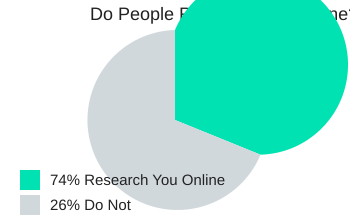
Here’s a reality check: 74% of customers research you online before doing business with you. That means, before you ever get a call, a DM, or a handshake, people are already forming opinions based on what they find—or don’t find—about you. If you’re struggling to get noticed, it’s not a “personal brand problem.” It’s an invisibility problem.
Visibility Everywhere: Why It Matters More Than You Think
When someone in your industry faces a problem you solve, does your name come to mind? If not, your expertise is invisible. Building a personal brand isn’t about vanity metrics or the latest LinkedIn headshot. It’s about being remembered for your real-world impact and authentic personal brand.
- Personal branding clarity means knowing exactly what you stand for and communicating it consistently.
- Visibility is about showing up where your audience is searching for answers.
- Consistency builds trust—if people see you everywhere, they remember you.
AI: The Great Accelerator (But Not the Great Replacer)
In 2026, AI can write, design, and code. But as the saying goes:
In 2025, AI can write, design, and code, but it can't be you, your personality, your opinions, your story.
AI can help you scale your content and reach, but it can’t automate trust, authenticity, or your unique story. That’s your edge. Personal branding tips for the future? Use AI to amplify your voice, not replace it.
Your Real Asset: Reputation, Not Platform
Your follower count isn’t your brand. Your latest viral post isn’t your legacy. What matters is what people say about you when you’re not in the room—your reputation, your expertise, and your viewpoint. Authentic personal brand building is about being remembered for your ideas, not just your presence.
A Quick Story: The Neon Shorts Neighbor
Think back to that neighbor who ran in neon shorts every winter. You remember him for being bold, not for his Instagram. The same goes for your brand. People remember what stands out—your quirks, your story, your perspective. Not your profile picture.
How to Escape the Invisibility Trap
- Clarify your message: What do you want to be known for?
- Show up where your audience is—consistently.
- Let AI handle the busywork, but keep your story and opinions front and center.
- Focus on impact, not just impressions.
Remember: Personal branding in 2026 is about clarity, consistency, and being visible everywhere that matters. Don’t let your expertise go unseen.
Cracking Your Core Messaging (Without Sounding Like Everyone Else)
Your personal brand is your reputation, not your latest viral video. If you want personal brand success in 2026, you need a core messaging strategy that’s unmistakably yours. Most people skip straight to posting content, hoping something sticks. That’s a recipe for blending in. The real work starts with getting brutally honest about who you are, what you do, and why anyone should care.
Six Brutally Honest Questions: The Brand Voice Foundation
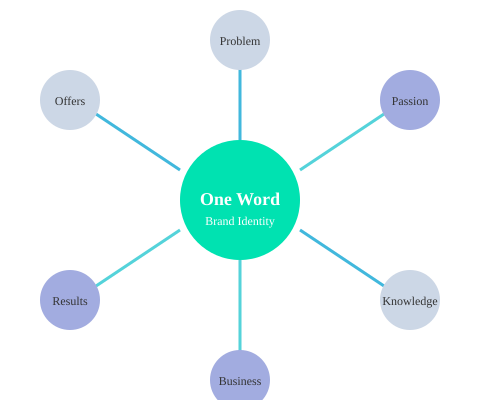
Before you touch AI, platforms, or even your logo, answer these six questions. This is the core messaging pillars framework that shapes every positioning and content decision you’ll make:
-
What problem do you solve?
Not what sounds impressive—what do people actually pay to fix? If you can’t answer in one sentence, you don’t have clarity. For example:- I help B2B companies that waste money on ads that don’t convert.
- I help burnt out entrepreneurs build systems so they can actually take a vacation.
- I help content creators who spend 40 hours a week on content but get zero engagement.
-
What are you passionate about?
You make a living from the problem you solve, but you make a life from the passion you chase. The magic happens when these overlap. If you’re solving a problem you don’t care about, you’ll burn out in six months. Passions evolve—don’t get stuck here. -
What knowledge do you already have?
Forget credentials. What do you research for fun? What could you talk about at 3:00 a.m. without notes? That’s your knowledge zone. -
What results have you actually achieved?
It’s not what you know, it’s what you’ve done. Document wins, even if they’re small. Example: “I went from 80-hour weeks to 3 hours while 10x-ing my output.” Testimonials beat follower counts every time. -
What would people actually buy from you?
Be honest: Would they buy coaching, courses, done-for-you services, templates, or a community? Know this before you build an audience. -
What business do you actually want to build?
Do you want to sell info products, services, physical goods, or brand deals? Your content strategy shifts based on this answer.
AI: Your Personal Brand Strategist (But Only After You Get Real)
Once you’ve answered these six questions, AI can help you crystallize your uniqueness. Plug your answers into a prompt and get five complete positioning angles—each with a brand statement, audience, content pillars, and monetization path. This shortcut gives you more clarity than 95% of people trying to build a brand. But remember: AI only works if you’re honest with yourself first.
The “One Word Unforgettable” Test
Here’s where most brands go bland: they try to be known for everything. “I do marketing, sales, branding, consulting, coaching…” Nobody remembers that. Own one word in people’s minds. Nike equals performance. Apple equals innovation. Gary Vee equals hustle. When your industry thinks of your word, they think of you. That’s the ultimate core messaging strategy.
- Find your word at the intersection of: your passion, your expertise, your market’s needs, and what nobody else is claiming.
- Your word could be Storytelling, Scaling, Consistency, Automation, or Freedom.
- Pick one. Build everything around it. You earn the right to expand after you dominate one space.
Your mission is your magnet.
Controversy: The Secret to True Personal Branding (Yes, Risky Beats Safe)
Here’s the uncomfortable truth about Brand Yourself 2026: If everyone likes you, nobody loves you. In the age of AI-driven content and endless noise, the only way to stand out is to pick a side and fight the Goliaths in your industry. Playing it safe and staying neutral is the fastest way to become invisible. Vanilla doesn’t build movements—strong opinions do.
Why Picking Sides Attracts Superfans
Every industry has its “Goliaths”—the old systems, the gatekeepers, the overpriced “experts,” and the complicated BS that doesn’t need to exist. Your job in brand positioning niche is to position yourself as David. What are you fighting against? Maybe it’s agencies that lock clients into long contracts, “gurus” who teach but have never done, or hustle culture that burns people out. When you take a stand against a philosophical enemy (not a person, but an idea or system), you clarify your brand mission and attract die-hard fans who believe what you believe.
If everyone likes you, nobody loves you. Vanilla doesn't build movements, strong opinions do.
Case Study: Elon Musk and the X Rebrand
Look at Elon Musk. When he bought Twitter and rebranded it as X, he fired 80% of the staff, changed verification, reinstated banned accounts, and challenged mainstream narratives. The result? Massive controversy, lost advertisers, and negative press. But X’s user engagement actually went up, and Musk’s supporters became even more loyal. He picked a side, fought for his beliefs, and built a brand that people remember—and talk about.
| Action | Result |
|---|---|
| Fired 80% of Twitter staff | Massive controversy, higher user engagement |
| 6-12 month brand timeline | Credibility builds before authority |
Contrarian Positions Sharpen Your Brand
Standing for something means you’ll lose people—and that’s not just okay, it’s necessary. When you pick a side, you repel some, but you magnetically attract others. Haters are inevitable. In fact, if you have zero haters, you’re being too safe. Your core messaging pillars should be bold enough to create conversation and even friction.
Here’s a personal story: I once lost a consulting client for saying, “I don’t believe in cold DMs.” But two new clients reached out, saying, “Finally, someone said it.” That’s the power of a contrarian stance—it filters out the wrong people and pulls in the right ones.
How to Find Your Contrarian Edge
- Ask yourself: What’s the conventional wisdom in your space?
- What does everyone believe that you think is wrong?
- What hill are you willing to die on?
- Say it loudly and repeatedly. Your haters are proof you’re doing something right.
Wild Card: Test Your Unpopular Opinion
Want to see the power of controversy? Run a social experiment: Post your unpopular opinion and measure the (wild) engagement. You’ll be shocked at how much traction a bold stance gets compared to safe, generic content.
AI-Powered Content Hooks Testing
AI can help you analyze your industry, identify mainstream approaches, and suggest five polarizing positions you could authentically take. Use this to refine your content hooks testing and sharpen your brand’s unique voice. Philosophical enemies clarify your mission as much as allies do—embrace them for long-term loyalty and real engagement.
Turning Struggle into Marketing Gold: The Art of Storytelling Frameworks
If you want to build an authentic personal brand in 2026, it’s time to stop bragging about your wins and start sharing your struggles. Why? Because, as the saying goes,
Facts tell, but stories sell.People don’t connect to your highlight reel—they connect to your awkward screw-ups and messy middles. That’s where real transformation happens, and it’s the heart of any effective storytelling framework transformation.
The Three-Act Storytelling Framework
Every piece of content you create—whether it’s a video, a LinkedIn post, a podcast, or an email—should follow this simple, proven structure:
- Act 1: The Struggle (The Hook)
Start with what went wrong. Where were you? What sucked? What was at stake? This is your hook. If you skip this, your audience tunes out. - Act 2: The Journey (The Process)
This is the main content. What did you try? What failed? What was the turning point? Show the messy middle—people want to see the process, not just the result. - Act 3: The Transformation (The Result/Lesson)
Where are you now? What did you learn? Most importantly: What can your audience learn from your experience?
| Storytelling Framework | Personal Anecdote Example |
|---|---|
| Struggle → Journey → Transformation | 80-hour weeks → Burnout & almost quitting → 3 hours/week, 10x results |
Why This Framework Works for Content Strategy Development
Let’s compare:
- Bad Content: “Here are five tips for productivity.”
- Good Content: “I spent three years working 80-hour weeks, burnt out twice, and almost quit my business. Then I discovered one system that changed everything. Now I work three hours a week with ten times better results. Here’s what I learned.”
See the difference? One is just information. The other is a story you want to follow. The storytelling framework transformation turns dry facts into compelling narratives that stick.
Core Messaging Pillars: Embrace the Messy Middle
The biggest mistake in content strategy development is sharing only the wins. “I hit $10K this month.” “Here’s how I landed a dream client.” “Look at me, I’m living my best life.” That’s cool, but nobody relates to that. People relate to the struggle, the journey, and the transformation. Your core messaging pillars should always include your stumbles—they’re your story goldmine.
How to Find Your Story Goldmine
- Keep a record of your failures, awkward moments, and lessons learned.
- Reflect on the turning points in your journey—what changed everything?
- Wild card challenge: Ask three friends what story of yours they remember most. Their answers are clues to your most relatable, memorable content.
Apply this storytelling framework transformation to every format—video, posts, podcasts, emails. Make your audience feel something. When you share your struggles and the journey to transformation, you don’t just inform—you inspire, and that’s the secret to an authentic personal brand that stands out in 2026.
Visibility Everywhere—Without Losing Your Sanity: Systems, AI, and the 10% Effort Rule
In 2026, standing out as a multi-platform content producer isn’t about working harder—it’s about working smarter. The secret? Systems, AI, and a relentless focus on repurposing. If you want consistency visibility 2026 without burning out, you need to master the 10% Effort Rule: put in a fraction of the work for exponential results.
Why Most Creators Quit—and How to Outlast Them
Here’s a hard truth: most creators fold during the ‘small wins’ phase, usually around day 60-90. The excitement fades, growth slows, and the grind feels endless. But if you survive this period, you outlast almost everyone else. The key is to avoid overwhelm by building a content engine consistency system that does the heavy lifting for you.
Case Study: 34 Million Views/Month on Five Platforms—With Just 2-3 Hours a Week
Let’s break down a real-world example. Imagine posting five different types of content across five platforms and racking up 34 million views a month. Sounds impossible, right? Not if you leverage AI and smart systems. As one creator puts it:
What used to take me 70 to 80 hours a week with mediocre results, now takes a team of two, one part-time, and only 2 to 3 hours of my personal time per week.
The secret sauce? Batch-recording video content once a week, then using AI tools to slice, dice, and repurpose that video into multiple formats for each platform.
Batch, Repurpose, Repeat: The 300% Reach Hack
Video is the peak content format of 2025 and beyond. Here’s how to use it as your content repurposing strategy:
- Batch-record your video content weekly. Set aside a single block of time to create 3-5 core videos.
- Repurpose each video into at least five different formats: short clips, audiograms, carousels, quote graphics, and blog snippets.
- Distribute across all your platforms—TikTok, LinkedIn, Instagram, YouTube, and Twitter—tweaking the format and voice for each audience.
Research shows that systematic content repurposing can save you 60-80% of your time and triple your reach. That’s a 300% boost, just by working smarter.
AI: Your Secret Weapon for Multi-Platform Domination
AI isn’t just a buzzword—it’s your backstage pass to running a mega-brand without the 70-hour grind. AI tools can:
- Transcribe and summarize your videos
- Auto-generate captions and graphics
- Suggest platform-specific tweaks for tone and format
- Schedule and post content while you sleep
This means you can maintain content engine consistency and multi-platform content production with minimal effort.
Experiment with Voice and Format—But Always Repurpose
Quick tangent: I once tried a different brand ‘voice’ on TikTok vs. LinkedIn for a week. The reactions were wildly different, but both led to more followers. The lesson? Multi-platform content producers must adapt their message for each audience, but the core content can stay the same. Repurpose, tweak, and watch your influence grow.
Table: The 10% Effort Rule in Action
| Old Way | AI-Driven System |
|---|---|
| 70-80 hours/week, 1-2 platforms | 2-3 hours/week, 5 platforms |
| Manual posting, single format | Automated, multi-format repurposing |
| Limited reach | 34 million views/month |
With the right systems, AI, and a ruthless focus on repurposing, you can achieve visibility everywhere—without losing your sanity.
The Visual Identity Game: Recognition Before the Name
Before anyone remembers your name, they remember your look. In the crowded digital world of 2026, your visual brand identity is your first handshake. It’s the colors, fonts, and images that make people pause, even if they haven’t read a word you’ve written. As the saying goes:
People should recognize your content before they see your name.
Why Visual Identity Recognition Matters
Think about the brands you spot instantly—Apple’s minimalist white, Coca-Cola’s bold red, or the playful colors of Google. You know them before you read a single letter. This is the power of visual identity recognition. It’s not just about looking good; it’s about being remembered and trusted.
- Colors: Choose a palette that fits your personality and message. Stick with it everywhere—your website, social posts, email headers.
- Fonts: Select one or two fonts that reflect your vibe. Are you bold and modern, or classic and trustworthy?
- Imagery: Use a consistent style for photos, graphics, and icons. This ties your brand together visually, no matter the platform.
Research shows that brands with visual consistency across all assets—photos, color schemes, logos, and fonts—see higher recall and trust. In fact, consistent visuals can increase brand recognition by up to 80%.
Professional Photos Branding: More Than Just a Pretty Face
Investing in professional photos branding isn’t vanity—it’s strategy. High-quality images signal credibility and authority. When your headshot or product photo looks sharp and intentional, people take you seriously. It’s a shortcut to trust, especially in a world flooded with low-effort visuals.
- Use the same style of photos across all platforms—LinkedIn, Instagram, your website, and even your email signature.
- Choose backgrounds, lighting, and poses that reflect your brand’s personality. If you’re anti-corporate, skip the navy suit and go for something that feels authentically you.
Consistency: The Secret Multiplier
Here’s the real game-changer: consistency. When your colors, fonts, and imagery are cohesive across every platform, you multiply trust and recall. Even if you switch from Instagram to TikTok or launch a new website, your audience will follow your look. This is how you become memorable—even iconic.
- Audit your platforms: Check your profiles, banners, and posts. Do they all look like they belong to the same person or brand?
- Build a simple style guide: Document your colors, fonts, and image styles. Refer back to it every time you create new content.
- Update regularly: As your brand evolves, refresh your visuals, but keep the core elements consistent.
Visual Identity as a Signal
Your ‘look and feel’ is as much a signal as your bio. It tells people what to expect from you—before they read a word. Are you rebellious, playful, or refined? Let your visual brand identity speak for you. Don’t chase trends; build a look that’s true to your message and personality.
Remember, cohesive visual brands are remembered—even if you change platforms, your look follows. Visual consistency isn’t just about aesthetics; it’s about building a reputation that sticks.
Monetizing Without Selling Out: Finding Fans and Funding the Brand
True Fans Relationships: The Core of Brand Profitable Monetization
Forget chasing vanity metrics. In 2026, the most profitable brands don’t have the most followers—they have the most engaged true fans. A small, loyal community will always outperform a massive, passive audience. As the saying goes,
100 true fans beat 10,000 followers; fans are the foundation for sustainable brand growth.
Why? Because true fans don’t just like your posts—they buy your products, share your message, and become vocal advocates. Building these relationships is the secret to brand profitable monetization that lasts.
Community Building Engagement: From Audience to Evangelists
To monetize your brand profitably, focus on community building engagement. This means:
- Two-way conversations: Reply to comments, ask questions, and invite feedback.
- Exclusive spaces: Create private groups, Discord servers, or email circles where your most engaged fans can connect.
- Spotlighting fans: Celebrate their wins, feature their stories, and make them feel seen.
When you treat your audience as collaborators—not just consumers—they become your brand’s best marketers. Fans who feel valued will spread your message farther than any ad campaign.
Map Your Monetization Path: From First Dollar to Consistent Income
Monetizing a brand profitably isn’t about copying influencers with a million followers. It’s about mapping your own path—from your first dollar to systematic, repeatable revenue. Here’s how:
- Identify what your audience values enough to pay for. Is it coaching, courses, digital products, memberships, or tools?
- Test small offers first. Launch a mini-course, a paid workshop, or a consulting session to gauge interest.
- Diversify income streams. As you grow, add partnerships, affiliate products, or premium communities.
Remember: Be upfront about what you’re offering. Ask your fans what they’d actually buy—not just what you want to sell. This honest feedback loop is the foundation of a profitable, sustainable brand.
Leverage Testimonials and Results, Not Vanity Metrics
In the age of AI-driven brands, proof trumps popularity. Track every small win: testimonials, case studies, screenshots of positive feedback. Share these stories instead of follower counts. When potential customers see real results, they trust you—and buy from you.
Personal Anecdote: From Flop to Sellout—The Power of Community
Let me be honest: my first course launch flopped. I had followers, but no real fans. It wasn’t until my eighth try—after months of building a genuine community—that my offer sold out. The difference? I stopped broadcasting and started listening. I built relationships, not just an audience. That’s when my brand became profitable.
The Consistency Code: Fans Over Followers
What separates iconic brands from mediocre ones? Consistency. Show up for your fans, deliver value, and nurture relationships every week. Over time, 100 engaged supporters will generate more revenue—and more impact—than 10,000 passive followers ever could.
In summary, monetize brand profitable by focusing on true fans relationships, building community engagement, and mapping a monetization path based on real value. The future belongs to brands that put people, not numbers, first.
Quirky FAQ: What People (Secretly) Worry About When Building a Brand
If you’re on the journey to building an authentic personal brand, you’re probably wrestling with a few secret worries. The truth? Everyone does—even the experts with millions of followers. Let’s pull back the curtain and answer the real questions that keep creators up at night, so you can move forward with clarity and confidence in your personal branding journey.
Q1: What if I feel like an imposter?
Welcome to the club. Imposter syndrome is almost a rite of passage in personal branding. The fact that you question your expertise means you care about delivering real value and aren’t faking it. The best in any field—yes, even the ones you admire—have moments of doubt. The difference is, they keep sharing the journey, not just the highlight reel. “Even the best question themselves; share the journey, not the facade.” When you’re open about your learning curve, you build trust and relatability. Remember, your audience connects more with your progress than with perfection. This is the foundation of an authentic personal brand.
Q2: How do I stay authentic when using AI?
This is a modern worry, and it’s valid. AI can help with content strategy development, structure, and productivity, but it can’t replace your unique voice or story. Use AI to handle the busywork—repurposing content, drafting outlines, or generating ideas—but ensure your insights, opinions, and stories are unmistakably yours. Your quirks, failures, and real-life experiences are what set you apart. AI is an accelerator, not the builder of your brand. If you ever feel your content is losing its “you-ness,” pause and inject more of your perspective and personality. That’s how you maintain authenticity in a tech-driven world.
Q3: Should I try to be everywhere at once?
It’s tempting to believe you need to be omnipresent, but spreading yourself too thin is a fast track to burnout and blandness. Instead, systematize your content so AI helps you appear everywhere, while you focus your energy on the platform where you shine brightest. Master one channel, then let AI repurpose your core content across other platforms. This approach keeps your output high and your stress low, allowing you to build a sustainable, authentic personal brand without sacrificing your sanity.
Q4: How long before a personal brand 'clicks'?
Patience is your secret weapon. In the first 60 to 90 days, focus on small wins and establishing your rhythm. Recognition starts to build at 6 to 12 months, and authority follows in 1 to 2 years. Most people quit just before things get good—don’t be one of them. Consistency, not overnight virality, is what cements your reputation. With the right content strategy development and smart use of AI, you can compress this timeline, but you still need to show up and do the work. The payoff is worth it: a brand that’s not just visible, but trusted and remembered.
Wild Card: Would an Alien Understand Your Brand?
Imagine explaining your brand to a Martian. Would they get it? If not, your message needs more clarity. The “Martian Test” is a quirky but effective way to check if your positioning and content pillars are clear enough for anyone—human or otherwise—to understand. If you pass, you’re on your way to a brand that stands out in any galaxy.
In the end, building an authentic personal brand isn’t about being flawless or everywhere all at once. It’s about showing up, sharing the real story, and using AI as a tool—not a crutch. Address your inner doubts head-on, focus on clarity, and let your unique perspective shine. That’s how you build a personal brand that lasts—on Earth or Mars.
TL;DR: People aren’t buying your resume or even your content—they’re buying a sense of who you are and what you stand for. Get clear on your message, claim your 'one word,' stop trying to please everyone, use AI to accelerate but not impersonate, and treat your stories (especially the awkward ones) like gold.
Post a Comment