

Let me tell you about the time someone I knew sold their first homemade soap at a yard sale. They pocketed ten bucks, felt like millionaires, and immediately wondered: Could this tiny success become something bigger? Now imagine doing that—for decades. The Dave Ramsey story starts like this: card table in the living room, bankruptcy biting at his heels, and selling books out of his trunk. We’re not here to tell another polished rags-to-riches fairytale. Instead, let’s pull back the curtain on what *really* holds most dreamers back (hint: it’s not money) and piece together the messy, triumph-bloated, caution-heavy reality of building a business after you’ve lost it all.
The 70/6 Paradox: Everyone Wants In, Few Take the Leap
According to the latest self-employment statistics 2025, there’s a striking gap between what Americans want and what they actually do. An incredible 70% of Americans say they want to be self-employed. But in reality, only 6% are. That’s not just a gap—it’s a canyon. Why does this happen? What keeps so many people from making the leap from dreaming about entrepreneurship to actually doing it?
Dreaming Is Universal, Action Is Rare
Let’s be honest: who hasn’t imagined being their own boss, setting their own hours, and building something from scratch? The dream of self-employment is almost universal. But as Dave Ramsey puts it,
“Dreaming is good unless you choose to do nothing about it.”Dreaming is the easy part. Activation—the actual doing—is where most people freeze.
Paralysis by Analysis: When Fear Trumps Action
It’s easy to assume that the main barrier to entrepreneurship is money or a lack of ideas. But as Ramsey points out, the real culprit is often fear. This is the heart of the impact fear entrepreneurship conversation. The fear of failure, the fear of the unknown, and the fear of losing what you already have can be paralyzing. This leads to what’s known as “paralysis by analysis”—overthinking every detail until you talk yourself out of starting at all.
Here’s a personal tangent: I once spent months staring at a blank business plan, convinced that if I didn’t have every detail mapped out, disaster would strike. I read every book, listened to every podcast, and filled notebooks with ideas. But I never actually started. The fear of making a mistake was stronger than the desire to succeed. That’s the silent killer of entrepreneurial dreams—inaction fueled by fear.
The Basement-Dwelling Dreamer: An Illustrative Scenario
Ramsey uses a memorable analogy: the “dreamer” who never acts. Picture someone who talks endlessly about their big business idea but never takes a single step forward. Years go by, and they’re still in their parents’ basement, dreaming but not doing. It’s a bit of a joke, but it’s also a warning. If you only dream and never activate, you risk becoming the person others joke about—the one with potential but no progress.
Why the Gap? The Real Reasons Behind the Numbers
- Fear of Failure: The idea of losing money, time, or reputation can be overwhelming.
- Perceived Risk: Many overestimate the risks and underestimate their ability to adapt.
- Comfort Zones: A steady paycheck and familiar routine are hard to leave behind.
- Information Overload: Too much research can lead to indecision, not clarity.
These factors are more powerful than a lack of funds or ideas. As Ramsey notes, “When I have a dream about something and I don’t activate on it, it’s usually because of fear.”
Overcoming Fear: You Don’t Have to Burn the Boats
There’s a myth that you have to quit your job, risk it all, and “burn the boats” to become an entrepreneur. But that’s not true for everyone. Many successful business owners started small, testing ideas on the side before going all in. Overcoming fear in entrepreneurship doesn’t mean being reckless—it means taking smart, manageable steps forward.
Think of it like learning to swim. You don’t have to jump into the deep end on day one. You can start in the shallow water, get comfortable, and build confidence before taking bigger risks. The journey from dream to action is often slow, indirect, and messy. But every step you take chips away at the fear that holds you back.
The self-employment statistics 2025 are clear: most people want in, but few take the leap. The difference isn’t talent or resources—it’s the willingness to act in spite of fear. If you can move past paralysis by analysis, you’re already ahead of the 94% who never start.
Embracing Setbacks: Bankruptcy, Bootstrapping, and Beginnings on a Card Table
When you think about starting a business after bankruptcy, it’s easy to imagine the odds are stacked against you. But Dave Ramsey’s story flips that script. After losing everything, he didn’t wait for a perfect opportunity or a big investor. Instead, he started again from scratch—literally, at a card table in his living room. If you’re searching for financial coaching success stories or want to understand the real Ramsey Solutions business model, you’ll find that the journey is less about overnight wins and more about scrappy, incremental progress.
Dave Ramsey’s Restart: From Bankruptcy to Back-in-Business
Bankruptcy isn’t game over. For Dave, it was a hard reset. He admits, “I got a card table in my living room, we’d gone through bankruptcy, I’m doing real estate deals again. I mean, I’m not buying any real estate because I don’t have any money or credit, but I was running down deals and flipping them to people who had money and making a spread on them right quick.”
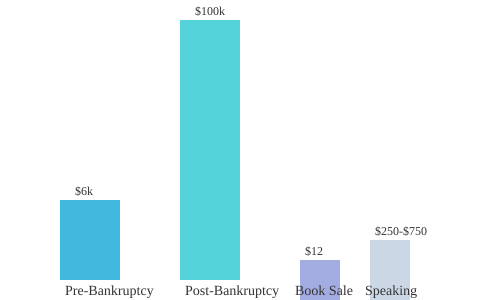
His income tells the story: after making just $6,000 the year before, Dave hustled his way to $100,000 in 1988. That’s not a typo. It’s proof that side hustles and creative deal-making can rebuild what bankruptcy erased.
Bootstrapping 101: Selling Books from the Trunk of a Car, $12 at a Time
Forget fancy launches. Dave’s first product was a self-published book, sold out of the trunk of his car. As he puts it:
“I wrote this little book and started selling it out of the trunk of my car.”Each copy sold for $12. There were no distributors, no Amazon, just pavement-pounding and word of mouth. This is the heart of bootstrapping—doing what you can, with what you have, where you are.
It’s easy to overlook these humble beginnings, but they’re the foundation of the Ramsey Solutions business model. Every $12 book sale was a step away from bankruptcy and a step toward stability.
Side Hustles: Real Estate by Day, Radio and Coaching by Night
Dave didn’t just stick to one thing. By day, he was hustling real estate deals, even without capital or credit. By night, he was coaching people facing foreclosure, often for free at first, as a ministry through his church. Then, opportunity knocked: “I helped this guy at a restaurant company, and he goes, ‘Hey, I want you to teach all this stuff to our restaurant operators…’ and he paid me $250.”
That first speaking gig led to more—$250 here, $500 there, plus restaurant credit. Soon, Dave realized, “Wait a minute, they’ll pay you money to talk? Oh, I like this.” He started charging $150 for counseling sessions, renting conference rooms for $50 a pop, and stacking up small wins. This patchwork of income streams—real estate, book sales, speaking, and coaching—became his new normal.
Imperfect, Patchwork Beginnings: The Underrated Path
We rarely hear about the messy, imperfect starts. But Dave’s story is proof that multi-stream chaos can be more stable than chasing instant success. Remember when I tried freelancing from a tiny coworking space—except coffee cost more than rent? That’s the reality for many entrepreneurs. Dave rented conference rooms by the hour, did counseling sessions wherever he could, and pieced together a living from whatever opportunities came his way.
Unconventional environments—a church basement, a car trunk, a card table—can be the birthplace of lasting businesses. The key is to keep moving, keep selling, and keep learning, even when the setup is far from glamorous.
Key Lesson: Bankruptcy Isn’t the End—It’s a Springboard
Dave Ramsey’s journey shows that setbacks can be the start of something new. By leveraging side hustles and piecemeal income, he built a foundation that would later become Ramsey Solutions. If you’re starting a business after bankruptcy, remember: stability is found in the chaos of multiple small wins, not in waiting for one big break.
How to Actually Plan Your Leap: The Side Hustle-to-Full-Time Dilemma
Transitioning your side hustle to full-time isn’t just about passion—it’s about planning. Dave Ramsey’s journey from trunk sales to building the Financial Peace coaching program is a masterclass in entrepreneurial mindset and planning. Let’s break down the real steps, the sticky-note math, and the honest conversations that made his leap possible—and how you can apply these lessons to your own journey.
Dave’s ‘Sticky Note’ Math: Projecting $62,000 Before Cutting the Safety Net
Before Dave Ramsey left real estate, he didn’t just hope for the best. He sat down with his wife, Sharon, and mapped out every possible income stream: speaking, coaching, and a bit of ad money from radio. He wrote, calculated, and projected, landing on a number: $62,000 for the first year. As Dave put it:
"I think between those three things...I think we can make $62,000 next year."
This wasn’t a wild guess. Dave’s side hustle results—his real numbers from part-time coaching and counseling—gave him the confidence to extrapolate. He didn’t just imagine the possibilities; he put them on paper and checked if they added up.
Social Proof: Side Hustle Results Can Predict Full-Time Potential
One of the most powerful lessons from Dave’s leap is that your side hustle is your best predictor. If you’re honest with yourself about what’s working, you can use that data to forecast your full-time income. Dave didn’t make up his numbers; he looked at what he was already earning in his spare time and asked, “What if I did a little more?”
This approach is crucial for anyone considering transitioning a side hustle full-time, especially in fields like financial peace coaching or pricing for financial coaching services. Use your side hustle’s real performance as your baseline, not wishful thinking.
Unconventional Tip: Don’t Make Your Spouse Your Silent Partner—Make Them Your Loudest Reality Check
Dave’s leap wasn’t a solo act. He brought Sharon into the decision-making process, laying out the numbers and the risks. Her response was honest: “So we just went through bankruptcy, and you want to cut our pay in half again, right?” That conversation was hard, but it was necessary. Sharon’s buy-in—and her willingness to pray and reflect—meant the leap was a family decision, not a solo gamble.
When you’re planning your leap, don’t keep your spouse or partner in the dark. Make them your sounding board, your reality check, and your support system. Their perspective might save you from a costly mistake—or give you the courage to jump.
Risk Management: Having an ‘Escape Hatch’ Lowers Stress and Rash Decisions
Dave didn’t burn his bridges. Even as he planned to go full-time with Financial Peace, he kept real estate as a fallback. This “escape hatch” thinking is a key part of the entrepreneurial mindset and planning. Knowing you have a backup plan can lower stress, help you make better decisions, and keep family risk in check.
Most financial advisors recommend having 6-12 months of income saved before making the leap. In reality, few entrepreneurs wait that long. What matters is having a clear plan and a way to pivot if things don’t go as expected.
Gap Analysis: Projected vs. Actual Outcomes
| Metric | Projected | Actual |
|---|---|---|
| First-Year Coaching Income | $62,000 | $64,000 |
| Recommended Income Buffer | 6-12 months | Often ignored |
Dave’s meticulous, low-budget planning paid off. He projected $62,000 and actually earned $64,000 his first year out of real estate. The lesson? Planning is key, but cautious optimism and adaptability matter just as much.
When I Tried to Time My Leap Perfectly (And Still Got Cold Feet—Three Times)
Let’s be honest: even with all the planning, you’ll probably get cold feet. I remember trying to time my own leap from side hustle to full-time—waiting for the “perfect” moment. I built spreadsheets, set savings goals, and still hesitated not once, but three times. The truth is, real-life leaps rarely line up perfectly. Sometimes, you just need a solid plan, family buy-in, and the courage to trust your numbers—then go for it.
Fear on the Frontlines: Mindset, Motivation, and the Real Enemy of Entrepreneurs
When you step onto the entrepreneurial battlefield, you quickly realize that fear isn’t just a passive feeling—it’s inventive. It creates thousands of reasons not to start, not to risk, not to dream. Overcoming fear in entrepreneurship isn’t about ignoring these doubts, but about understanding their true source. Often, the real enemy isn’t the competition or the market—it’s the mindset you bring to your business, and whether your motivation is centered on yourself or on others.
Fear’s Favorite Trick: Inventing Excuses
Fear is clever. It will tell you that you need more money, more time, or more experience before you can begin. Imagine if Dave Ramsey had insisted on having 12 months of savings before launching his business. History might have been rewritten—his impact, delayed or diminished, all because fear convinced him to wait for the “perfect” moment. The truth is, there’s rarely a perfect time. The real question is: what’s driving you forward?
Business Purpose and Joy: The Power of ‘Other-Centered’ Missions
Dave Ramsey puts it simply:
"If you can make it other centered and you get joy because other people’s lives are changed…there is no joy in self-centered."When your business is built around helping others, you tap into a deeper well of motivation and resilience. Studies show that purpose-driven businesses—those focused outward—report higher long-term retention and satisfaction among both employees and founders. Joy becomes a metric, not just profit.
Human Moment: The Cost of Joyless Work
Let’s be honest—work that lacks joy is exhausting. And it’s contagious. If you’re only in it for yourself, your team and your customers will feel it. The energy drains out of the room, and burnout follows close behind. On the other hand, when your mission is to serve others, you create an environment where people want to stay, contribute, and refer others.
Comparison Table: ‘Me-Centered’ vs. ‘Other-Centered’ Business Philosophies
| Aspect | Me-Centered | Other-Centered |
|---|---|---|
| Primary Motivation | Personal gain, ego, profit | Impact, service, community |
| Employee Retention | Low (high turnover, disengagement) | High (loyalty, satisfaction) Source: Industry studies |
| Founder Burnout | Frequent (joyless, exhausting) | Less common (purpose fuels resilience) |
| Customer Referrals | Transactional, limited | Organic, enthusiastic |
| Joy as a Metric | Ignored | Central |
Impact Fear Entrepreneurship: Facing the Real Enemy
The impact fear has on entrepreneurship is profound. But the antidote isn’t just courage—it’s clarity of purpose. When you shift your focus from “What can I get?” to “How can I help?”, you unlock a source of motivation that fear can’t easily shake. This is why nobody sticks with selfish ventures for long. The joy fades, and so does the will to continue.
Faith and Intuition: When Logic Isn’t Enough
Sometimes, the numbers don’t add up. The market research isn’t perfect. In these moments, faith and gut feelings play a surprising role. You might feel a nudge, a sense that you’re meant to serve in a particular way. Trusting your intuition—especially when it aligns with a purpose greater than yourself—can be the difference between stalling out and breaking through.
Key Takeaways
- Fear is inventive, but purpose is powerful.
- Business joy is found in ‘other-centered’ missions, not me-first hustling.
- Joyless work is exhausting and contagious—choose impact over ego.
- Faith and intuition matter when logic runs out.
If you want to build a business that lasts, make it about more than yourself. The real enemy isn’t fear—it’s a self-centered mindset that robs you of joy and resilience. Let purpose lead, and watch your business—and your life—transform.
Inside Ramsey Solutions: Culture, Critique, and the Myth of Overnight Empires
When you walk through the doors of Ramsey Solutions, you’re stepping into a business that’s grown from a single card table in Dave Ramsey’s living room to a sprawling company with over 1,000 employees. The story is often summed up in a single quote:
"It all started on a card table in his living room, a wild idea, built from failure, fueled by obsession…today, it’s a multi-million dollar brand that impacts millions."
This journey isn’t just about numbers or a clever Ramsey Solutions business model. It’s about a culture—intense, values-driven, and sometimes misunderstood. If you want to unravel the real Dave Ramsey business culture, you have to look beyond the headlines and see what happens inside the walls.
From Card Table to Corporate Titan: Growth Snapshots
| Year | Team Size | Reach | Key Milestone |
|---|---|---|---|
| Early 1990s | 1 (Dave) | Local workshops | First classes in living room |
| 2000 | ~30 | Regional radio | Radio show syndication |
| 2010 | 200+ | National audience | Book sales, new programs |
| 2024 | 1,000+ | Millions worldwide | Multi-platform empire |
What’s clear is that Ramsey Solutions didn’t become a business success story overnight. The company’s unusual growth trajectory—from a literal card table to a financial powerhouse—was fueled by a relentless focus on mission and culture.
Culture Shock: Why Some Call It ‘Cult-Like’
One of the most talked-about aspects of the Ramsey Solutions business model is its hiring process. Some former applicants and employees describe it as ‘cult-like.’ Why? Because the company is unapologetically values-driven. Every new hire is expected to align with the company’s core beliefs, and that’s not just a slogan on the wall—it’s a daily reality.
- Extensive interviews focused on personal values
- Mandatory agreement with company mission
- Ongoing culture training and team events
This approach creates a strong sense of unity, but it can also feel intense or exclusionary to outsiders. It’s a double-edged sword: the same culture that drives productivity can also breed criticism and resistance.
Workplace Wild Card: The Real Stories Behind the Headlines
What you don’t see in the headlines are the moments of doubt, resistance, and even weirdness that come with building a business empire. Inside Ramsey Solutions, there’s a constant push to maintain high standards, which can lead to friction. Some team members thrive in this environment; others struggle with the pressure.
And sometimes, it’s the little things that matter most. I’ll never forget the first time I realized office snacks mattered more than inspirational slogans. People need fuel—both physical and emotional—to do their best work. Culture isn’t just about big speeches; it’s about the daily experience.
Negativity Multipliers: The Hidden Factor in Business Success Stories
One unique idea that shapes the Dave Ramsey business culture is the concept of ‘negativity multipliers.’ In any company, negativity spreads faster than positivity. Ramsey Solutions tackles this head-on by encouraging open communication and quick resolution of issues. But the risk is always there: if negativity takes root, it can multiply and threaten even the strongest culture.
- Open-door policies for feedback
- Swift action on toxic behavior
- Celebration of wins to counterbalance stress
Ultimately, the Ramsey Solutions business model shows that culture isn’t just a buzzword—it’s the engine behind explosive growth. The myth of the overnight empire fades when you see the years of obsession, failure, and daily decisions that built this financial powerhouse.
Table Stakes and Pricing Lessons: What’s Coaching Really Worth?
When you’re just starting out, pricing financial coaching services can feel like guesswork. Dave Ramsey’s early days are a masterclass in pragmatic, incremental pricing—and the lessons are just as relevant for today’s aspiring coaches and freelancers. Let’s break down how he set his rates, why confidence matters as much as market research, and how even a rented conference room can boost your perceived value.
Early Coaching Sessions: $150–$500 a Pop, Conference Room and All
Dave Ramsey didn’t launch his financial coaching services with a slick office or a big marketing budget. In fact, he started by selling a self-published book for $12 out of the trunk of his car. As he gained traction, he began offering one-on-one coaching for $150 a session. When he needed a more professional setting, he got creative—renting a conference room by the hour for $50, then charging $500 for group counseling sessions. As he put it:
"I charged $150 for that. And I rented…an office just to have a place to go." – Dave Ramsey
This approach wasn’t about flashy optics—it was about making the service feel legitimate, both to himself and his clients. The lesson? Sometimes, looking the part is half the battle in coaching financial success.
Snapshot: Early Service Pricing and Growth Over Time
| Service | Early Price | Setting |
|---|---|---|
| Book (self-published) | $12 | Trunk of car |
| 1:1 Coaching Session | $150 | Radio listeners, basic office |
| Group Counseling Session | $500 | Rented conference room |
| Speaking Gigs | $250 | Community events |
These numbers may seem modest now, but they were the table stakes that validated Ramsey’s business model. Each price point reflected not just the market, but his own evolving confidence and the growing trust of his audience.
Pricing Confidence vs. Impostor Syndrome: Dave’s Lessons in Self-Worth and Market Value
Setting your financial coaching services pricing isn’t just about what the market will bear. It’s also about what you believe your time and expertise are worth. Dave Ramsey’s early pricing was a blend of necessity and self-validation. He needed to feed his family, but he also needed to prove—to himself and his clients—that his advice had real value.
Many new coaches struggle with impostor syndrome, worrying that they’re charging too much or that clients won’t pay. Ramsey’s story shows that realistic, incremental pricing helps validate your business and builds entrepreneurial confidence over time. Each successful session, each paid invoice, is a vote of confidence in your value.
Personal Aside: The Perils of Underpricing
On a personal note, my first paid gig as a coach was a classic case of underpricing. I charged less than I should have, ended up in an awkward negotiation over pizza (yes, pizza), and left feeling like I’d sold myself short. It’s a common rookie mistake—one that Ramsey avoided by anchoring his rates to both necessity and value. Don’t be afraid to ask for what your service is worth, even if it feels uncomfortable at first.
Service Bundle Quirk: Renting Conference Room Space by the Hour
One of Ramsey’s smartest early moves was renting a conference room by the hour. For just $50 per use, he gained access to a professional setting, receptionist, and secretarial services. This allowed him to charge $500 for a counseling session—without the overhead of a full-time office. It’s a reminder that you don’t need to own the building to look (and charge) like a pro.
Key Insight: Pricing Evolves with Confidence and Client Base
The real lesson in pricing financial coaching services? Your rates will—and should—change as your confidence and client base grow. Start where you need to, but don’t be afraid to raise your prices as your skills and reputation expand. As Ramsey’s journey shows, pricing isn’t just about numbers; it’s about believing in the value you deliver and having the courage to charge for it.
FAQ: The Guts and Grit of the Ramsey Approach
When it comes to entrepreneurship challenges and business coaching strategies, few stories are as raw and instructive as Dave Ramsey’s. The Ramsey playbook isn’t about reckless leaps or blind faith—it’s about blending data, intuition, and a culture that refuses to quit. Here, we tackle the most common questions about what really fueled Ramsey’s journey from trunk sales to building a business titan, and what that means for your own path.
Should I quit my job to start a business?
This is the classic dilemma. The Ramsey approach is clear: don’t quit your job on a whim. The most conservative—and often the safest—route is to have six to twelve months of living expenses saved before you take the plunge. But even Dave admits he didn’t have that cushion when he started. What he did have was social proof and real numbers. He had already tested his business idea as a side hustle, seen the results, and could reasonably project his income if he went full-time. The lesson? Don’t rely on wishful thinking. Build your case with hard data and proof that your idea works before you make the leap.
Did faith play a role in Ramsey Solutions?
Absolutely. Faith was a key driver, but it wasn’t a substitute for common sense or a solid business plan. Dave describes a deep sense of calling—a “weight” that told him he was meant to step into this work. But he also made sure the numbers made sense. He didn’t blame God for risky decisions or ignore his family’s needs. In the Ramsey playbook, faith and spreadsheet logic go hand in hand. Success is built at the intersection of data, intuition, and culture—no single path fits all, but real benchmarks still matter.
How important is having a fallback?
It’s essential. Having an “escape hatch” isn’t a sign of weakness—it’s a sign of responsibility. Dave knew that if his new venture failed, he could return to real estate and support his family. That safety net allowed him to take risks without putting his loved ones in jeopardy. The best business coaching strategies always emphasize protecting your family and your future. You can chase your dream, but not at the expense of those who depend on you.
Do you need to love what you do?
Joy matters—a lot. Dave talks about the “electricity” he felt when he was doing the work he was called to do, compared to the emptiness of just earning a paycheck. But he’s also clear: your first job is to take care of your family. Once that’s secure, building something bigger than yourself becomes possible. Passion fuels perseverance, especially when the entrepreneurial road gets tough.
Is it normal to work several hustles at once?
For most successful founders—including Dave Ramsey—the answer is yes. Many entrepreneurs start with a side hustle, testing and refining their ideas while still working a day job. This approach isn’t just practical; it’s smart. It lets you gather real-world data, build confidence, and avoid unnecessary risk. The Ramsey approach values grit, patience, and the willingness to juggle multiple roles until your business is truly ready to stand on its own.
Does culture really beat strategy?
At Ramsey Solutions, culture is the strategy. Dave’s team believes that the right culture—one built on trust, accountability, and shared values—will outlast any business plan. In fact, culture shapes how strategies are executed and how teams respond to challenges. It’s the glue that holds everything together when the going gets tough.
In conclusion, the real Ramsey entrepreneurial playbook is about more than just numbers or inspiration. It’s about making decisions at the crossroads of data, intuition, and community. There’s no single formula for success, but there are real benchmarks and hard-won lessons. Whether you’re debating quitting your job, wondering about fallback plans, or trying to build a winning culture, remember: grit, planning, and passion are non-negotiable. The journey from trunk sales to titan status isn’t easy—but with the right mix of guts and grit, it’s possible for anyone willing to do the work.
TL;DR: Dave Ramsey’s journey is proof that launching a successful business can be daunting, risky, irrational—and also deeply rewarding if you combine careful planning, courage, and an obsession with helping others. Expect setbacks, crunch the numbers, trust your gut, and never underestimate the importance of social proof and genuine joy in your work.
Post a Comment