

I once thought saving pennies in a glass jar was my ticket to wealth, at least until a Monopoly board and a few costly mistakes taught me otherwise. Welcome to a deep-dive into Robert Kiyosaki’s raw and real philosophies on financial freedom. If you’ve ever wondered why your paycheck vanishes or why school feels more like a treadmill than a launchpad—let’s unravel it together, quirks and tangents included.
Why School Rarely Makes You Rich (And Might Even Do the Opposite)
Robert Kiyosaki’s Rich Dad Poor Dad lessons challenge everything you’ve been told about school and success. If you want to be rich and happy, he says, “If you want to be rich and happy, don't go to school.” That’s a bold claim, but it’s rooted in his own life story and a sharp critique of traditional education.
Schools Celebrate Correct Answers, Not Useful Skills
Think back to your school days. Most of the time, you were rewarded for memorizing facts and getting the “right” answer. But in the real world—especially in business—success is about solving problems, adapting, and finding value where others don’t. Schools rarely teach you how to spot opportunities or build wealth. Instead, they focus on grades, not growth.
Fear of Mistakes: Bad for Business, Great for Perfectionists
From your first spelling test, you learned that mistakes are bad. Red marks, low grades, and even embarrassment taught you to avoid failure at all costs. But here’s the twist: Overcoming fear of failure is essential for building wealth. Kiyosaki argues that mistakes are how you learn—especially about money. In school, mistakes are punished. In life, they’re your best teachers.
Robert’s ‘Poor Dad’: Highly Educated, Never Free
Kiyosaki’s own father—his “Poor Dad”—held a PhD and attended Stanford, Northwestern, and the University of Chicago. He believed more education meant more money and freedom. But despite all those degrees, he died a poor man. His story shows that academic achievement doesn’t guarantee financial independence. In fact, it can trap you in the cycle of working for money, rather than making money work for you.
Traditional Schools Teach Job Security, Not Financial Independence
The system is designed to create good employees, not entrepreneurs. You’re taught to get a high-paying job, save money, and avoid risks. But as Kiyosaki points out, this mindset rarely leads to wealth. Financial literacy mindset—understanding how money works, how to invest, and how to build assets—is almost never covered in the curriculum. The result? Most people leave school knowing how to earn a paycheck, but not how to achieve financial freedom.
Money Lessons Come from Monopoly, Not Textbooks
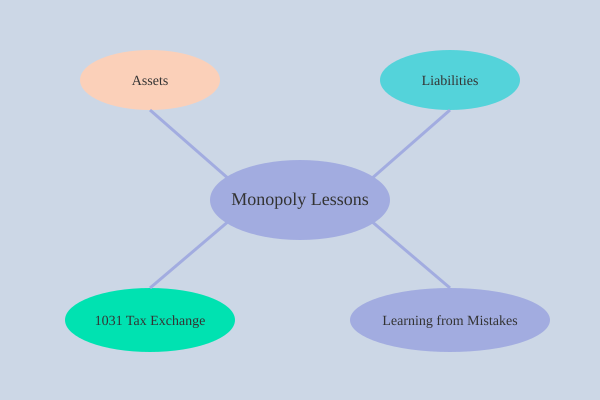
Kiyosaki’s first real education about money came at age 10, not from a classroom, but from his “Rich Dad”—his best friend’s father. Instead of lectures, he learned by playing Monopoly. Through the game, he discovered the difference between assets versus liabilities, and why owning assets is the key to wealth. These are lessons you won’t find in most schools, but they’re essential for anyone who wants to build real wealth.
Mindset and Skills Outrank Degrees on the Wealth Scoreboard
Ultimately, Kiyosaki believes that your mindset and practical skills—especially selling and investing—matter far more than diplomas. School rarely teaches you how to sell, negotiate, or spot a good deal. But these are the skills that separate the wealthy from everyone else. If you want to be rich, focus on building your financial literacy mindset, learning from your mistakes, and acquiring assets—not just collecting degrees.
“If you want to be rich and happy, don't go to school.” – Robert Kiyosaki
Monopoly, Mistakes, and Making Money: The Real Curriculum for Wealth
Learning About Assets and Liabilities: Why Monopoly Beats Lectures
Robert Kiyosaki’s first real lesson in financial literacy didn’t come from a classroom—it came from playing Monopoly at age 10. While most kids saw Monopoly as just a board game, Kiyosaki’s “Rich Dad” used it as a practical tool to teach the difference between assets versus liabilities. In Monopoly, you buy properties (assets) that generate rent (income), and you avoid liabilities that drain your cash. This simple, hands-on approach is the foundation of the cashflow board game educational impact—learning by doing, not just memorizing definitions.
Entrepreneurs Work for Free: The Value of Experience Over a Paycheck
Kiyosaki’s Rich Dad famously said,
“Entrepreneurs work for free. If I pay you, you think like an employee.”Instead of earning a wage, young Robert worked for free, learning how businesses operate from the inside out. This was a radical shift from his “Poor Dad’s” advice to get a high-paying job and save money. By working for free, even as a 10-year-old, you begin to develop business skills and an entrepreneurial mindset. The real-world experience is far more valuable than a temporary paycheck.
Four Green Houses, Then a 1031 Exchange: The Monopoly/Real Estate Connection
If you’ve played Monopoly, you know the winning formula: collect four green houses, then trade them for one red hotel. Rich Dad took this lesson further by connecting it to real-world investing. In real estate, the 1031 tax exchange benefits allow you to sell properties and reinvest the profits into new assets—deferring taxes and building wealth faster. Kiyosaki learned early that the path to financial freedom was not just about earning money, but about acquiring assets and using smart strategies like the 1031 exchange to grow wealth without losing it to taxes.
Mistake-Making Is Crucial: No Baby Walks (or Gets Rich) Without Falling First
Traditional education often punishes mistakes, but as Kiyosaki points out, “a baby cannot learn to walk unless a baby falls down.” The same is true for riding a bike—or building wealth. In school, mistakes are marked as failures, but in the real world, they are stepping stones to success. The experiential learning vs traditional education debate is clear here: you learn more from your failures than your successes. Kiyosaki’s financial education was built on making mistakes, learning from them, and trying again.
Financial Literacy Through Lived Experience, Not Theory
Kiyosaki’s Rich Dad taught him that real financial literacy comes from lived experience. Playing Monopoly, making deals, losing money, and trying again—these are the lessons that stick. Unlike rote memorization in school, experiential learning prepares you for the unpredictable world of money and investing. The cashflow board game educational impact is rooted in this philosophy: you learn by doing, not by listening.
Collaboration Over Competition: Building Wealth Together
Another flaw in traditional education is the discouragement of collaboration. In school, working together is called “cheating.” In business and investing, it’s called “partnership.” Kiyosaki points out that most teachers are afraid of mistakes and discourage cooperation, but real wealth is built on teamwork, shared knowledge, and strategic alliances.
Assets vs. Liabilities: Why Your House (Probably) Isn’t Making You Rich
If you remember only one thing from Robert Kiyosaki’s philosophy, let it be this: Assets put money in your pocket; liabilities take it out. Repeat this forever. It’s the foundation of all wealth-building strategies, and yet, most people get it wrong—especially when it comes to their own homes.
Assets Versus Liabilities: The Core Distinction
Kiyosaki’s definition is simple but radical. An asset is anything that generates income for you—think rental properties, stocks with dividends, or businesses. A liability is anything that costs you money each month—like your personal home, car loans, or credit card debt. Most people believe their house is their greatest asset, but unless it’s putting cash in your pocket (for example, as a rental), it’s actually a liability.
Why Saving Isn’t Always Smart
Traditional financial advice tells you to save money and buy a house. But as Kiyosaki points out, “
Savers are losers because the price of Gold's going up doesn't mean Gold's going up, it means the dollar is coming down.” When the dollar loses value due to inflation, your savings buy less and less. Meanwhile, assets like gold and real estate appear to rise in price—not because they’re getting better, but because your money is getting weaker.
Income-Generating Assets Strategies: The Real Path to Wealth
Kiyosaki’s mantra is to focus on income-generating assets for real wealth. Instead of pouring all your money into a home that drains your bank account with mortgage payments, taxes, and repairs, look for investments that pay you every month. This could be a rental property, a small business, or even dividend-paying stocks.
Good Debt vs. Bad Debt: What School Doesn’t Teach
Most people don’t know the difference between good debt and bad debt. Good debt is borrowed money used to buy assets that generate income and grow in value. Bad debt is money borrowed for things that lose value or don’t pay you back. Schools rarely teach this distinction, but it’s crucial for wealth-building strategies.
Case Study: Kiyosaki’s First Real Estate Deal
Kiyosaki’s first real estate deal is a classic example of using good debt. He bought a one-bedroom condo in Maui using his credit card—100% financed. The rental income covered all expenses and provided extra cash flow. This is what he calls an “infinite return,” because he invested none of his own money but still made a profit.
| Data Point | Details |
|---|---|
| Price of Gold | Up trend compared to dollar value |
| First Real Estate Deal | 1-bedroom condo, Maui, 100% financed via credit card |
| Market Cycle | Opportunities arise when markets crash |
Market Crash Investment Opportunities: The Edge of the Coin
Financial education gives you the ability to spot market crash investment opportunities. When everyone else panics, the financially literate see bargains. As Kiyosaki says, “When markets crash is when I get rich.” During downturns, assets go on sale. If you know the difference between assets and liabilities, you can buy income-generating assets at a discount and watch your wealth grow when the market recovers.
Remember: Assets put money in your pocket; liabilities take it out. Focus on building your asset column, not just your savings account.
Job Security or Freedom? The 9-to-5 Trap and Financial Independence Mindset
When you first start working, the promise of a steady paycheck feels like security. But as Robert Kiyosaki’s philosophy shows, this “security” is often just an illusion. Many people are stuck in jobs not because they love what they do, but because of fear and a lack of financial literacy mindset. The traditional path—get a degree, get a job, climb the corporate ladder—seems safe, but at what personal cost?
The Corporate Ladder: High Salary, Hidden Costs
Maybe you’ve landed a high-paying job, like an engineer or manager. On paper, it looks like you’ve made it. But then comes your first paycheck. After taxes, 401(k) contributions, insurance, and other deductions, you might be shocked to see that nearly half your income is already gone. This isn’t just a one-time surprise; it’s a cycle that repeats every pay period, year after year.
- Taxes: Federal, state, and local taxes can take a big bite out of your earnings.
- 401(k) and Retirement: While important, these deductions reduce your take-home pay.
- Insurance: Health, dental, and vision insurance are necessary, but add up quickly.
As one interviewee put it:
“No matter how hard I work I will never be free if I am living here in Corporate America.”This realization is common. Even those running billion-dollar businesses can feel trapped if they haven’t mastered money and the financial independence mindset.
The ‘Poor Dad’ vs. ‘Rich Dad’ Voices
Kiyosaki’s famous contrast between the “Poor Dad” and “Rich Dad” mindsets is more than just a story—it’s a real struggle for many. The “Poor Dad” voice tells you to play it safe: go to college, get a stable job, and work hard for decades. But the “Rich Dad” voice encourages you to think differently: become an entrepreneur, invest in assets, and build passive income streams that pay you whether you’re working or not.
- Poor Dad Mindset: Security, stability, and fear of risk.
- Rich Dad Mindset: Opportunity, ownership, and calculated risk-taking.
Breaking the Cycle: Financial Literacy and Wealth-Building Strategies
Most people stay in jobs because they don’t know any other way. They haven’t been taught wealth-building strategies or how to make money work for them. Financial literacy is the key to breaking this cycle. It’s not about working harder; it’s about working smarter and developing the skills to spot opportunities, invest wisely, and create streams of passive income.
- Learn how markets work and how to leverage them.
- Invest in assets that generate cash flow—like real estate or businesses.
- Understand that money doesn’t make you free, skills do.
Ultimately, the biggest lesson from Kiyosaki’s philosophy is that freedom doesn’t come from a bigger paycheck—it comes from a financial independence mindset. If you want to escape the 9-to-5 trap, you need to shift your thinking, build new skills, and focus on creating income streams that don’t depend on trading your time for money.
Resilience, War, and the Unexpected Price of Freedom
When you think about resilience building military service, you might picture discipline, courage, and sacrifice. But for Robert Kiyosaki, his time as a Marine Corps officer in Vietnam taught him that the cost of freedom is far more complicated—and sometimes, painfully personal. Kiyosaki’s journey from military school to the cockpit of a helicopter gunship in the Vietnam War was not just about fighting for his country. It was about learning what freedom really means, and what it demands from those who defend it.
Military Service: Sacrifice and Perspective
Kiyosaki graduated from a prestigious military academy and was commissioned into the Marine Corps, serving as a helicopter pilot in Vietnam. He flew missions in dangerous places like Quang Tri, often launching from aircraft carriers. The mission was clear: fight for freedom. But as he puts it, “When you kill people for freedom, your life changes.” In war, you gain wisdom, but you also collect scars—emotional, mental, and sometimes physical. You see firsthand that the people on the other side are fighting for their own version of freedom, too.
Coming Home: Not Always a Hero’s Welcome
After risking everything, you might expect to return home as a hero. For Kiyosaki and many Vietnam veterans, the reality was the opposite. He landed at Norton Air Force Base near San Francisco, only to be told to change into civilian clothes before exiting the plane. Why? Because outside, protestors waited with spit, rotten eggs, and insults. As Kiyosaki recalls, “That’s the kind of freedom I fought for so they can spit on me.” The freedom of speech is a double-edged sword—one that can cut even those who defend it.
Resilience: More Useful Than a PhD
This harsh homecoming was a crash course in personal development financial literacy—not in the sense of money, but in the value of resilience. Kiyosaki learned that sometimes, the most valuable education is not found in textbooks or classrooms, but in the hard, unglamorous lessons of life. Losing friends, questioning ideals, and facing public scorn taught him to develop a tough skin. In the world of financial independence mindset, this kind of resilience is just as essential. Whether you’re building wealth or defending freedom, setbacks and criticism are inevitable. What matters is how you respond.
The Real Price of Freedom
Kiyosaki’s experience in Vietnam was filled with loss and grief. He saw fellow Marines and South Vietnamese soldiers pay the ultimate price. He watched ideals clash with reality, both on the battlefield and back home. The lesson? Freedom—whether national or financial—comes with a cost. It’s not always celebrated, and it’s rarely easy. But it’s worth fighting for, even when the rewards are not immediate or obvious.
“That’s the kind of freedom I fought for so they can spit on me.” – Robert Kiyosaki
Vietnam Service Data
| Service Location | Details |
|---|---|
| Quang Tri, Vietnam | Combat missions, helicopter gunship pilot |
| Aircraft Carrier (off Vietnam) | Launched missions supporting ground forces |
| Norton Air Force Base, CA | Returned home, faced protestors |
| San Francisco (nearby) | Hostile reception: spit, eggs, insults |
Pro tip: Sometimes, the most valuable education is painfully earned and not found in textbooks. The resilience you build through hardship is the foundation for sustaining and defending any kind of freedom—financial, personal, or national.
Tough Questions, Honest Answers: Mastering the Skills School Never Taught You
Let’s get real: the skills that make you wealthy aren’t taught in the average classroom. Robert Kiyosaki, author of Rich Dad Poor Dad, has spent decades pointing out that schools prepare you to be a good employee, not a successful entrepreneur. If you want financial freedom, you need to master the skills school never prioritized—starting with sales, risk-taking, and learning from your mistakes.
Sales Skills: The Secret Sauce for Every Entrepreneur’s Cashflow
Ask any successful entrepreneur about the most important skill in their toolkit, and you’ll hear the same answer: sales. Kiyosaki puts it bluntly:
“It’s skills that make you rich, not money.”If you can sell—your ideas, your products, your vision—money flows in. This is the number one sales skill for entrepreneurs. It’s not about having a pile of cash to start with; it’s about knowing how to generate cashflow by solving problems and persuading others.
- Sales mastery means you can create opportunities, not just wait for them.
- Employees sell their time and hope for a raise; entrepreneurs sell value and collect cash.
- The Cashflow board game educational impact is real: it teaches you to think in terms of deals, not paychecks.
Overcoming Fear of Failure: Why Mistakes Are Your Best Teachers
Traditional education punishes mistakes. But as Kiyosaki points out, babies fall before they walk, and businesspeople fail before they win. If you’re afraid to fail, you’ll never take the risks that lead to real wealth. Overcoming fear of failure is essential. In fact, being unafraid to fail could be the best thing you ever do for your wallet.
- Every mistake is a lesson. The more you try, the more you learn.
- Schools teach you to avoid mistakes; life rewards you for learning from them.
- Get cozy with discomfort—money loves people who aren’t afraid to take risks.
The Cashflow Quadrant: Four Ways to Make Money
Kiyosaki’s Cashflow Quadrant breaks down how people earn money:
| Quadrant | Description |
|---|---|
| E: Employee | Trades time for a paycheck; limited control and upside. |
| S: Self-Employed | Owns a job; more control, but income depends on personal effort. |
| B: Business Owner | Builds systems; leverages other people’s time and skills. |
| I: Investor | Makes money work for them; true financial freedom. |
Most people never leave the employee box because they never learn the skills—or develop the mindset—to move beyond it. The Kiyosaki Rich Dad insights are clear: to achieve wealth, you must step outside your comfort zone and learn to operate in the B and I quadrants.
Learning by Doing: The Experimental Advantage
Classrooms focus on theory, but wealth is built by experimenting, failing, and adjusting. The cashflow board game educational impact lies in its hands-on approach, letting you practice deals and investments in a risk-free environment. The real world rewards those who learn by doing, not just by reading.
- Key income skills: Selling, networking, deal negotiation.
- Learning style: Experimental, not theoretical.
If you’re comfortable, you’re probably not growing. The path to wealth is paved with tough questions, honest answers, and a willingness to master the skills school never taught you.
Crash Markets, Infinite Returns: Finding Gold in Economic Storms
When the market crashes, most people panic. They sell off assets, hoard cash, and try to avoid further losses. But as Robert Kiyosaki famously says,
“When markets crash is when I get rich.”This mindset flips the script on traditional thinking. Instead of running from chaos, Kiyosaki’s approach is to run toward it, searching for market crash investment opportunities that others overlook.
Market Crashes: The Hidden Playground for Savvy Investors
During economic downturns, assets like real estate and stocks often sell for “pennies on the dollar.” While fear drives most people to the sidelines, savvy investors see these moments as rare chances to acquire income-generating assets at deep discounts. Kiyosaki’s philosophy is simple: Buy when there’s blood in the streets, borrow big, and sell high when the market recovers.
- Market crash investment opportunities are everywhere if you know where to look.
- Income-generating assets strategies focus on buying undervalued properties or businesses that will rebound.
- Real estate investment tips often highlight buying during downturns, when competition is low and sellers are motivated.
Kiyosaki’s Infinite Return Strategy: Borrow Big, Risk Little
Kiyosaki’s approach isn’t just about buying low and selling high. It’s about using good debt to amplify gains. Good debt is money borrowed to buy assets that put cash in your pocket—think rental properties, not consumer goods. In a crash, banks and sellers are often willing to negotiate, letting you control valuable assets with little or none of your own money.
Here’s where the concept of infinite returns comes in. If you invest zero of your own cash but still earn income or appreciation, your return is literally infinite. Kiyosaki’s first real estate deal is a perfect example: he bought a Maui beachfront condo in foreclosure, using only a credit card—100% financed. With no money down and the property generating income, his return on investment was unlimited.
Case Study: Maui Condo—Maximum Leverage, Infinite ROI
Let’s break down the Maui condo deal:
- Property was in foreclosure—deeply discounted price.
- Kiyosaki negotiated directly with the seller.
- He used a credit card for the down payment—no cash out of pocket.
- With rental income and appreciation, his ROI was infinite.
This is the power of leveraging good debt during a downturn. While most people see debt as dangerous, Kiyosaki sees it as a tool for wealth creation—especially when paired with 1031 tax exchange benefits that let you roll profits into new investments tax-deferred.
Running Toward Chaos: The Investor’s Superpower
Developing the reflex to run toward chaos, not away, is a learned superpower. It requires financial education, courage, and a willingness to act when others freeze. If you have cash—or access to good debt—when markets crash, you can scoop up assets that will fuel your wealth for decades.
Remember, recessions and crashes aren’t disasters for the informed—they’re the best times to make wealth-building moves. By mastering income-generating assets strategies and real estate investment tips, you can turn every economic storm into a golden opportunity.
FAQ: The Wild, Often Uncomfortable, Truths of Kiyosaki's Philosophy
Does everyone need to become an entrepreneur to achieve financial freedom?
One of the most common questions about Robert Kiyosaki's financial philosophy is whether you must become an entrepreneur to be wealthy. The answer is no—you don’t have to start a business to achieve financial freedom. What Kiyosaki emphasizes is developing a financial literacy mindset and understanding how money works. Whether you’re an employee, a freelancer, or a business owner, the key is to learn how to make money work for you through assets, investments, and smart financial decisions. The real lesson from Rich Dad Poor Dad is about shifting your mindset from earning a paycheck to building and acquiring assets that generate income.
How can you distinguish good debt from bad debt in practice?
Kiyosaki’s approach to debt is controversial but practical. Good debt is money borrowed to acquire assets—like real estate or a business—that put money in your pocket. Bad debt, on the other hand, is used to buy liabilities—like cars or gadgets—that take money out of your pocket. In practice, ask yourself: Will this debt help me generate income or appreciate in value? If yes, it’s likely good debt. If it only creates expenses, it’s bad debt. This distinction is a core part of Kiyosaki’s financial literacy mindset.
Why does Kiyosaki insist mistakes are essential for wealth-building?
Kiyosaki is blunt: “Schools punish you for making mistakes. But a baby cannot learn to walk unless a baby falls down.” His point is that real learning comes from experience, not just theory. In the world of money, mistakes are inevitable—and necessary. Each mistake is a lesson that brings you closer to financial freedom, as long as you learn and adapt. This is why Kiyosaki values experiential learning over traditional education. As he says,
“It’s the skills and mindset, not just education, that determine your financial fate.”
What if you’re risk-averse—can you still apply these lessons?
Not everyone is comfortable with risk, and Kiyosaki acknowledges that. You don’t have to make wild bets to benefit from his philosophy. Start small—read, learn, and experiment with manageable investments. The goal is to build resilience and confidence over time. Even if you’re risk-averse, you can develop a financial literacy mindset by taking calculated risks, learning from mistakes, and gradually expanding your comfort zone.
How do real estate and the 1031 exchange factor into practical investing?
Real estate is a cornerstone of Kiyosaki’s strategy because it offers cash flow, tax advantages, and leverage. The 1031 exchange is a tool that allows you to defer taxes when you sell one investment property and buy another. This lets your wealth grow faster, as you’re not losing money to taxes with each transaction. Kiyosaki’s real-life application of these tools shows that building wealth is about using the right strategies, not just working harder.
Is school completely useless for financial literacy, or just incomplete?
Kiyosaki doesn’t say school is useless—just incomplete. Traditional education often ignores practical money skills and discourages mistake-driven learning. Schools teach you to avoid errors and follow rules, but real financial success comes from experimentation, resilience, and understanding how money really works. The lesson? Supplement your education with real-world experience and financial literacy resources.
In the end, Robert Kiyosaki’s financial philosophy isn’t about following a single path. It’s about developing the right mindset, learning from mistakes, and taking intentional action. Whether you’re an entrepreneur or an employee, the journey to wealth is about freeing yourself from old beliefs and embracing the skills that truly build financial freedom.
TL;DR: Not everything you learned about money is true—skills, mistakes, and a willingness to break free from old programming matter more than your school report card. If you want wealth and freedom, dare to color outside the lines. (Oh, and don’t skip the section with the Monopoly reference—it might change your life.)
Post a Comment