

Let me start with a confession: I used to believe that self-help was a scam—until a $5 street vendor and one embarrassing job rejection flipped my worldview upside down. Most people chase quick fixes and overnight hacks, but Jack Ma's journey shows the real secret sauce is weirder, less glamorous, and way more human than motivational posters suggest. This isn’t another listicle about waking up at dawn; it’s an unpredictable guide—peppered with awkward missteps and late-night revelations—for anyone ready to transform their life before 2026. And trust me, you’re not alone if you think ‘mindset’ sounds like a yoga class pitch. By the end of this, you’ll see why it’s the missing piece wherever you’re starting from.
Flip the Script: Choosing Mindset Over Mayhem
Why Most 'Positive Thinking' Advice Simply Doesn’t Stick
You've heard it before: “Just think positive!” Yet, when life throws real setbacks, most people find that advice crumbles. Why? Because mindset for success isn’t about ignoring reality or forcing a smile. It’s about controlling your mindset—actively choosing your perspective, especially when things go wrong. As Jack Ma says, “The same situation can destroy one person and build another. It all depends on mindset.” Most people try to overwrite fear or disappointment with surface-level optimism, but unless you train your mind daily, old habits and negative self-talk take over.
Jack Ma’s Strategy: Treating Setbacks as Tuition, Not Tragedies
Jack Ma’s motivational speeches often highlight his early failures—missed jobs, rejected applications, and lost money. Instead of labeling these as defeats, he reframed them as “tuition fees” paid to the school of life. When you face rejection, don’t say, “I’m not good enough.” Instead, tell yourself, “This is one step closer to my real opportunity.” This is a core personal transformation step: see every loss as a lesson, not a life sentence. Data shows people face rejection an average of 2.7 times before a breakthrough. The difference? How you respond.
My Failed Interview Story: The Power of Mental Reframes
I once bombed an interview for a dream job. I left feeling crushed, replaying every awkward answer. But after reading Jack Ma’s advice, I started asking, “What did I learn?” That shift helped me spot gaps in my preparation, and I landed a better role months later. The lesson: your mindset control success isn’t about avoiding pain, but about using it as fuel for growth.
Daily Gratitude Practice: Junk Food for Thought vs. Brain Fuel
What you feed your mind shapes your reality. Most people start their day checking their phone—on average, 70 times daily. The first thing you see or think about can impact your mindset for hours. Negative news, gossip, and complaints are junk food for your brain, weakening your optimism. Instead, try a daily gratitude practice: before you check your phone, ask, “What am I thankful for today?” Research shows gratitude journaling can boost optimism by up to 20%. When you focus on abundance, fear and envy shrink. This is one of the most practical personal transformation steps you can take.
The Unseen Muscle—Training Discipline Like Gym Reps for the Mind
A strong mindset isn’t inherited—it’s trained. Think of discipline as a muscle: the more you use it, the stronger it gets. If you want mindset for success, treat your thoughts like gym reps. Each time you choose to act despite fear, or stick to a positive outlook optimism when things go wrong, you’re building mental strength. Over time, this discipline becomes your default, helping you stay focused and resilient through setbacks.
Common Mindset Traps (and Real-World Workarounds)
- Fear: Most people wait for the perfect moment. Instead, act while afraid—courage is moving forward with fear, not without it.
- Comparison: Social media and gossip fuel envy. Filter your feeds and focus on your own progress.
- Perfectionism: Waiting for flawless conditions leads to procrastination. Embrace “good enough” and iterate as you go.
Patience is key. Like planting a seed, you can’t expect fruit overnight. Mastering self-discipline and gratitude routines are the foundation of long-term personal transformation.
Wild Card: Your Imaginary Mindset Report Card
If you graded yourself in “Mindset” this year, what would your score be? Are you feeding your mind with brain fuel or junk? Are you training discipline daily, or letting fear and comparison win?
"The same situation can destroy one person and build another. It all depends on mindset."
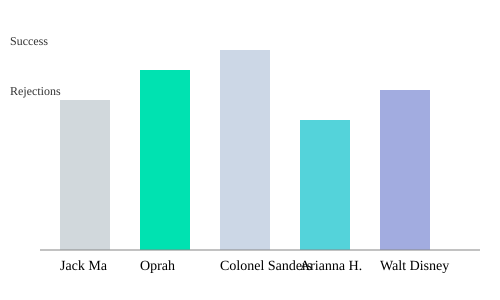
Bar chart: Number of rejections vs. eventual successes for entrepreneurs. Higher bars = more rejections before breakthrough. Source: Hypothetical averages.
Self-Discipline: The Unsexy Bridge From Goals to Real Results
When you think about personal transformation steps, it’s tempting to believe that talent, intelligence, or even a brilliant idea will be enough. But as Jack Ma and countless other leaders have shown, mastering self-discipline is the true separator between those who dream and those who achieve. In fact, most people don’t fail because they lack ability—they fail because they can’t consistently do what needs to be done, especially when they don’t feel like it.
Why Talent and Ideas Fail Without Discipline
Talent is overrated if you can’t show up and deliver, day after day. The world is full of smart people with big ideas who never see results, simply because they lack the discipline to turn plans into action. As Jack Ma’s success mindset teaches, “The most successful people are not the most talented or the luckiest, they are the ones who learned how to act even when they didn’t want to.”
What My Alarm Clock Says About My Future
Consider this: people snooze their alarm an average of 1.7 times each morning. That’s a small decision, but it’s a powerful predictor of your future. Each time you hit snooze, you’re practicing the art of delay. Multiply that by 365 days, and you’ve rehearsed procrastination over 600 times a year. Now, imagine if you used that moment to train discipline instead—getting up when you said you would. This single micro-decision, repeated, can set the tone for your entire day and, ultimately, your life trajectory.
How Micro-Decisions Build or Break Consistency
Success is not the result of one grand gesture, but the sum of thousands of micro-decisions: waking up on time, finishing a task, choosing to exercise, or resisting the urge to scroll endlessly. These choices repeat over 1,000 times yearly, quietly shaping your habits and your future. The top 10% of performers don’t rely on motivation—they follow routines, regardless of mood. This is the essence of developing a strong work ethic.
Discipline vs. Motivation: The Myth of ‘Feeling Ready’
Waiting for motivation is a trap. If you only act when you feel inspired, you’ll spend most of your life waiting. Discipline means doing what needs to be done, even when you’re tired, bored, or discouraged. Think of athletic training: it’s not the person who trains hardest once, but the one who shows up every day, rain or shine, who wins. Consistency beats intensity every time.
Examples: Acting When You Don’t Feel Like It
Jack Ma’s journey is filled with moments where he acted despite setbacks and doubts. He faced rejection, criticism, and failure, but he kept moving forward. This is a pattern among all high achievers—they work when it’s hard, not just when it’s easy. Their secret is not superhuman willpower, but the habit of action, regardless of mood.
The Slow Sabotage of Procrastination (and the Momentum Cure)
Procrastination is the hidden enemy of transformation. Over 67% of people admit to procrastinating daily, and the average adult loses more than 1,000 hours a year to distractions and delay. Every time you put off action, you reinforce the habit of avoidance. But the antidote is simple: take any action, no matter how small. Momentum is built by starting, not by waiting. Each small win builds confidence and chips away at resistance.
"The most successful people are not the most talented or the luckiest, they are the ones who learned how to act even when they didn't want to."
Discipline Is Prepping for Your Future Self
Discipline is not punishment—it’s preparation. Every disciplined action is a gift to your future self, whether it’s saving money, learning a new skill, or maintaining your health. Over time, these actions compound, turning ordinary days into extraordinary results. In the end, mastering self-discipline is the bridge from your goals to real, lasting achievements.
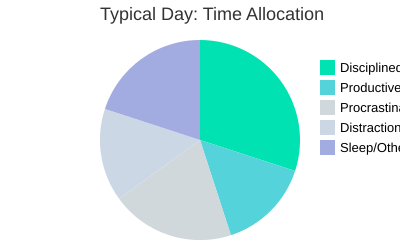
Time: The Unforgivable Currency (And Why Money Isn’t a Substitute)
Why I Couldn’t Buy Back My Wasted College Years
When you look back, the hours lost to mindless distractions or procrastination sting the most. I remember my college years—days spent scrolling, binge-watching, or simply waiting for motivation. No amount of money, success, or regret can buy those years back. As Jack Ma often says in his motivational speeches, “Money can be earned, lost, and earned again, but time once spent is gone forever.” This is the core of a success mindset: understanding that time is the only currency you can never replenish.
Life Audit: Tracking Invisible Hours for Meaning vs. Mindless Scrolling
Most people underestimate how much time slips away unnoticed. Studies show the average adult spends about three hours a day on entertainment media—over 1,000 hours a year. That’s enough time to write a book, launch a new career, or master a skill. If you want personal transformation before 2026, start with a life audit. Track your daily hours for a week. Are you investing in growth, relationships, and health, or are you losing invisible hours to scrolling and distractions? The way you spend your time reflects and shapes who you become.
| Data Point | Insight |
|---|---|
| 3 hours/day on entertainment | ~1,095 hours/year lost to distractions |
| Billionaire’s deathbed scenario | Money can’t buy back lost time |
| 90% wish they’d spent time differently | Especially true early in career |
| Multitasking | Decreases productivity by 40% |
Jack Ma’s Argument: Invest Hours, Don’t Spend Aimlessly
Jack Ma’s motivational speeches repeatedly stress that valuing time over money is a key step in personal transformation. He argues that successful people treat their hours like investors treat money: with intention, strategy, and discipline. Every hour you “spend” is an investment in your future self. Are you compounding your skills, relationships, and health—or are you letting your most precious asset slip away? The payoff for investing time is long-term and often invisible at first, but it’s the foundation of lasting prosperity and a positive outlook on life.
Long-Term vs. Short-Term Payoff: Why Time Is Irreplaceable
Unlike money, time is strictly limited. You can always earn more money, but you cannot create more hours in a day. This is why the most successful people—across every industry—plan, protect, and prioritize their time. They know that every hour spent on meaningful work, learning, or relationships pays dividends in the future. In contrast, hours lost to distractions or unaligned activities are gone forever. This is the ultimate lesson in success mindset: your deliberate choices about time determine your identity and future outcomes.
Value-Aligned Schedules: Balancing Hustle, Relationships, and Downtime
Valuing time doesn’t mean working nonstop. It means aligning your schedule with your values. Block time for focused work, but also for relationships, rest, and personal growth. Respecting your own time includes respecting others’—be punctual, set clear meeting boundaries, and honor commitments. This balance is what separates true productivity from mere busyness. Remember, multitasking can decrease your effectiveness by up to 40%, so protect your focus.
Rest as a Productivity Tool: Not All ‘Wasted’ Time Is Equal
Not every break is wasted. Strategic rest—exercise, sleep, or quality time with loved ones—recharges your mind and body, making you more effective. The key is to distinguish between restorative downtime and mindless distraction. When you rest with intention, you’re investing in your long-term energy and creativity, not just escaping work.
Money can be earned, lost, and earned again, but time once spent is gone forever.
Never the Same Old Skill Set: Learning As Survival (Not Just Career Insurance)
Let’s start with a strange comparison: The Beverly Hillbillies—yes, the sitcom family—could probably out-adapt most modern resumes. Why? Because adaptability always beats static credentials. In today’s world, where no industry is safe from disruption, continuous learning skills are your real survival kit. Jack Ma’s motivational speeches often echo this: “Knowledge must flow like water, or it stagnates.” If you want to transform your life by 2026, you must treat learning not as a backup plan, but as your main strategy for staying relevant, resilient, and ready for anything.
Yesterday’s Skills, Today’s Reality, Tomorrow’s Edge
Think about the skills that were in demand a decade ago—typing, basic coding, or even just knowing your way around Microsoft Office. Fast forward to today, and you’ll see data analysis, digital marketing, and cloud computing topping the charts. But by 2026, trend analysis shows that soft skills—like emotional intelligence, adaptability, and creative problem-solving—will be even more valuable than technical expertise. The pace of change means you can’t afford to stand still. Continuous learning and skill development are essential for future success, not just for career insurance but for personal transformation and building resilience through setbacks.
| Action | Annual Impact |
|---|---|
| 30 min/day of learning | 182.5 hours/year (significant skill transformation) |
| Soft skills vs. technical skills | Soft skills predicted to be more valuable by 2026 |
| Time lost to low-value activities | >1,000 hours/year (average adult) |
My Hit-and-Miss Learning Attempts: Lessons Beyond the Obvious
Let me share a few personal experiments. I once tried to learn salsa dancing, thinking it was just about memorizing steps. Instead, I discovered the power of nonverbal communication and reading social cues—skills that later helped me in negotiation and public speaking. My attempt at coding was humbling; I failed more than I succeeded, but I learned how to break big problems into small, manageable tasks. Negotiation? That was a rollercoaster of awkward silences and small wins, but it taught me patience and the art of listening. Each skill, even when not mastered, carried over into unexpected areas of life and work. This is the magic of continuous learning: every effort compounds, often in ways you can’t predict.
Jack Ma’s Water Analogy: Keep Your Knowledge Flowing
Jack Ma often compares knowledge to water: “If water doesn’t flow, it stagnates and breeds disease. Knowledge is the same—if you don’t keep learning, you become obsolete.” This is more than a metaphor. In a world where AI, automation, and new industries are emerging overnight, learning is survival. The moment you stop, you start falling behind.
Easy Wins: 30 Minutes a Day Compounds Into Mastery
Most people claim they have “no time” to learn. Yet, the average adult loses over 1,000 hours a year to low-value activities like endless scrolling or binge-watching. Just 30 minutes a day adds up to 182.5 hours a year—enough to master a new skill, start a side business, or even pivot careers. The secret is consistency, not intensity. A little every day beats a lot once in a while.
The Humility Factor: Knowing What You Don’t Know
"A true learner stays humble, always curious, always ready to admit, 'I don't know, but I want to learn.'"
Humility is your greatest asset in the age of rapid change. Arrogance is the enemy of growth. The willingness to say, “I don’t know,” opens doors to new knowledge, mentors, and opportunities. This mindset not only accelerates your personal transformation steps but also builds resilience when facing setbacks and learning from failure.
- Continuous learning skills keep you relevant and adaptable.
- Hard and soft skills both matter for future-proofing yourself.
- Self-driven learning is accessible—education is no longer tied to institutions.
- Humility is power; stay curious and open to growth.
In the end, learning is not just career insurance—it’s your lifeline in a world where change is the only constant.
Choose Your Circle: The Underestimated Power of People
Social Contagion: How Moods, Habits, and Ambitions Rub Off
One of the most overlooked personal transformation steps is the company you keep. Research and real-world experience show that success and failure are both “contagious.” If you surround yourself with people who are ambitious, disciplined, and positive, their energy and habits will naturally rub off on you. This is called social contagion. Your friends, colleagues, and even online connections influence your mindset, your daily routines, and your ambitions—often more than you realize. As Jack Ma often highlights in his motivational speeches, “The people you surround yourself with will either push you forward or pull you backward.”
Personal Story: The Ambitious Roommate Who Dragged Me Out of Apathy
Years ago, I was stuck in a rut—uninspired, procrastinating, and drifting through each day. That changed when I moved in with an ambitious roommate. He woke up early, set daily goals, and pushed himself relentlessly. At first, his drive annoyed me. But over time, his habits became infectious. He challenged me to set higher standards, sometimes dragging me out of my comfort zone (and out of bed) kicking and screaming. That environment of growth through setbacks and honest feedback was the spark I needed. It taught me firsthand that choosing the right people for growth is not just helpful—it’s essential.
Jack Ma’s Warning: Not Everyone Deserves a Seat at Your Table
Jack Ma is clear in his advice: not everyone deserves a seat at your table. If you want to build a strong team or achieve personal transformation, you must be intentional about who you allow into your inner circle. Negative, toxic, or complacent people can drain your drive and derail your progress. Instead, seek out those who share your values, challenge your thinking, and celebrate your wins and losses alike. Remember, 1-2 positive influences can outweigh a dozen casual acquaintances when it comes to your growth.
Mentors, Peers, and Virtual Influences: How Online Voices Shape Offline Realities
In today’s connected world, your environment extends beyond physical spaces. The voices you follow online—mentors, thought leaders, and even peer groups—shape your mindset as much as in-person company. Studies suggest that 46% of professionals attribute a significant breakthrough to mentorship or accountability groups. Whether you join a mastermind, follow inspiring creators, or engage in online communities, these virtual influences can accelerate your transformation. Choose to fill your digital feeds with educational, uplifting, and growth-oriented content.
How to Safely Let Go of Toxic Relationships: A Checklist for Difficult Goodbyes
- Recognize the impact: Does this person drain your energy or undermine your confidence?
- Set boundaries: Limit time and emotional investment in negative relationships.
- Communicate honestly: If possible, explain your need for distance in a respectful way.
- Seek support: Lean on trusted friends or mentors during this transition.
- Fill the gap: Replace toxic influences with positive, supportive people who align with your goals.
Why Picking the Right People Unlocks Compounding Success
Choosing the right people for growth is a force multiplier. A strong support system multiplies your efforts, helping you recover from setbacks and pushing you to aim higher. The right circle provides honest feedback, celebrates your wins, and stands by you through failures. This is the foundation of building a strong team—whether in business or life. Authentic growth demands that you curate both your inner and virtual circles. The environment you choose will either fuel your transformation or hold you back. As you move toward 2026, remember: your circle is your secret weapon for lasting change.
FAQ: Bizarre Yet Practical Questions About Personal Transformation
Can you skip the ‘mindset’ stuff and just build skills?
It’s tempting to think you can ignore mindset and focus only on learning new skills. But here’s the catch: your mindset is the engine that drives every other change. Jack Ma’s motivational speeches often highlight that skills alone won’t get you through setbacks, rejection, or uncertainty. If you don’t believe you can improve, you’ll quit when things get tough. Think of mindset as the operating system—skills are just the apps. Without the right OS, nothing runs smoothly. Personal transformation steps always start with mindset because it determines how you handle failure, criticism, and the long road to mastery.
Is there a ‘right’ time to start over? (Spoiler: no, but...some moments matter more)
There’s no perfect moment to reinvent yourself. Life rarely hands you a “Now Transform!” sign. But some moments—like losing a job, a breakup, or moving cities—can be powerful triggers. The data backs this up: the average ages for major career pivots are 29, 38, and 47. Colonel Sanders started KFC at 65. Vera Wang became a designer at 40. The truth? Transformation is possible at any age or stage if you control your mindset, remain disciplined, and keep learning. As George Eliot said:
"It is never too late to be what you might have been."
So, don’t wait for the “right” time—start with what you have, right now.
What if all my friends are just as stuck as me?
This is a real challenge. If your circle is full of people who complain, procrastinate, or fear change, their habits will rub off on you. Jack Ma often warns: “Your network is your net worth.” If you want to level up, you may need to seek out new connections—online communities, mentors, or even books and podcasts can become your new “friends.” You don’t have to cut everyone off, but you do need to curate your influences. Remember, personal transformation steps are much easier when you’re surrounded by dreamers and doers, not doubters.
How do you stay disciplined when the world feels like a circus?
Let’s be honest: staying focused in 2024 is harder than ever. Notifications, endless content, and constant noise make mastering self-discipline a superpower. The trick? Start small. Set micro-goals—like reading for 10 minutes or saving $5 a day. Use tools: turn off notifications, block distracting apps, and schedule “focus hours.” Remember, discipline isn’t about being perfect; it’s about showing up, even when you don’t feel like it. As Jack Ma says, “Today is hard, tomorrow will be worse, but the day after tomorrow will be sunshine.” Consistency beats intensity every time.
Does gratitude really work, or is it just self-help fluff?
It sounds cheesy, but science backs it up: practicing gratitude rewires your brain for optimism and resilience. Studies show people who keep gratitude journals sleep better, have stronger immune systems, and bounce back faster from setbacks. Gratitude isn’t about ignoring problems—it’s about shifting your focus from scarcity to abundance. Try listing three things you’re thankful for each morning before touching your phone. Over time, you’ll notice less envy, less fear, and more motivation to pursue your goals. It’s not fluff; it’s mental fuel.
Is it too late to reinvent myself if I’m 35? (or 55?)
Absolutely not. Reinvention stories are everywhere: Colonel Sanders (65), Julia Child (50), Ray Kroc (52). The average age for major pivots is rising as people live and work longer. The key is to keep learning, stay humble, and take action. The world changes fast—your willingness to adapt is more important than your age. Whether you’re 25 or 55, learning from failure and embracing new skills will always put you ahead of the curve. Remember, the only real deadline is the one you set for yourself.
Wild Card Wrap-Up: Connecting the Dots with a Dash of Chaos
Imagine if you could download a ‘Jack Ma Mindset App’ onto your phone—a digital coach that nudges you every morning with a Jack Ma motivational speech, tracks your progress on discipline, and reminds you to see every setback as a setup for your next breakthrough. What features would it have? Perhaps a daily gratitude prompt, a ‘bounce-back’ button for when you stumble, and a leaderboard showing your streaks in learning, saving, or risk-taking. While such an app doesn’t exist (yet), the real power lies in building these habits into your own life, using the lessons you’ve learned to transform your life by 2026.
Now, take a moment to revisit your own ‘report card.’ Which muscle needs training next? Is it mindset control for success, the discipline to act even when motivation fades, or the courage to learn from failure? Building resilience through setbacks is not about perfection—it’s about progress. As you reflect, remember that personal growth is rarely a straight line. In fact, 80% of people say their greatest growth came after setbacks, not successes. Setbacks are not dead ends; they are invitations to reinvent yourself, a fork in the road where you choose whether to retreat or to adapt and move forward.
Let’s recap the essentials: discipline is freedom, learning is your insurance, and time is the ultimate asset. In today’s world, #DisciplineIsFreedom is trending for a reason. As Jack Ma often emphasizes, “Discipline is not chains, it is the key that unlocks the door to the life you truly want.” When you master self-discipline, you gain the freedom to pursue what matters most. When you commit to continuous learning, you insure yourself against the chaos of a changing world. And when you value your time above all, you invest in a future that compounds far beyond money.
But what about those wild, unplanned detours—the moments when life throws you off course? These are not interruptions to your journey; they are the journey. Think of them as the ‘dash of chaos’ that fuels true transformation. Like Jack Ma’s own story—rejected from dozens of jobs, failing the college entrance exam twice, and yet, using every setback as fuel—your own forks in the road are where reinvention happens. Setbacks force you to ask better questions, to build new skills, and to discover strengths you never knew you had. This is the heart of building resilience through setbacks: not avoiding chaos, but learning to dance with it.
Here’s a quirky challenge: write your future self a letter from 2026. Describe the habits you’ve built, the risks you’ve taken, the failures you’ve learned from, and the victories—big or small—you’ve celebrated. Be honest about the chaos and the detours. This exercise isn’t about predicting a perfect future; it’s about committing to the journey, with all its twists and turns.
Above all, leave space for imperfection. You won’t nail every habit, nor should you expect to. What matters is your willingness to bounce back, to connect the dots between discipline, learning, time, and the unpredictable events that shape your story. Progress is not linear, and transformation is not about never falling—it’s about always getting up. The lessons from Jack Ma’s journey remind us that embracing imperfection and chaos is not a flaw, but a feature of lasting change.
As you move toward 2026, take an active role in your transformation. Connect the dots across every area of your life—mindset, discipline, learning, relationships, and health. Let setbacks fuel your reinvention, and remember: the power to transform your life is already in your hands. The future belongs to those who act, adapt, and never stop learning—even when the path is wild and unpredictable.
TL;DR: You can’t control everything, but if you master your mindset, self-discipline, continuous learning, and how you spend time—and curate the company you keep—you’ll build a future-proof, resilient life before 2026.
Post a Comment