
A few years back, a friend called me up to say she'd finally bought the thing she'd been dreaming about for years—a designer handbag. The thrill lasted two days. By day three, the excitement was gone... and her credit card bill loomed large. Sound familiar? If you've ever wondered why money doesn't magically solve our problems or why the grass is always greener on someone else's Instagram, you're not alone. In this post, we're going to get a little uncomfortable (in a good way) as we sift through hard truths, quirky stats, and eye-opening stories about what money really does for our happiness—and what it doesn't.
The Passive Income Mirage: Why Getting Rich Slowly Beats the Dream
Why 'Passive Income' Is More Myth Than Magic Bullet
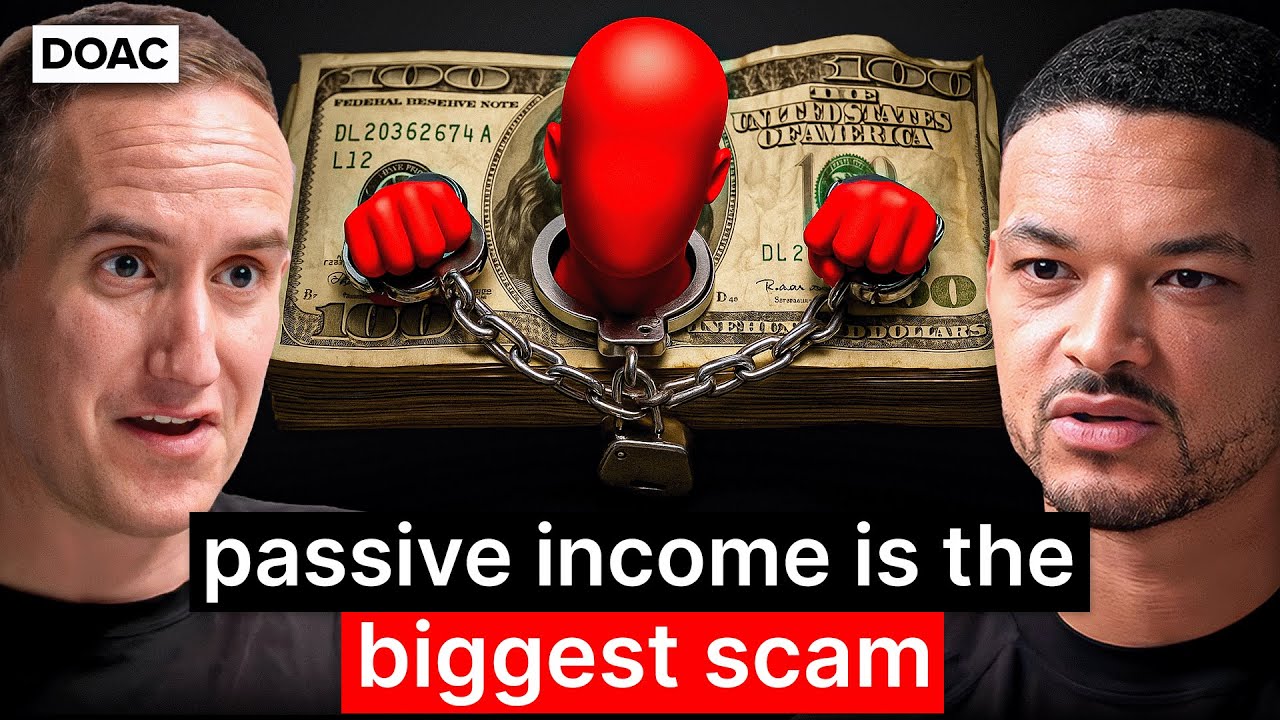
"People talk a lot about passive income. This is not a thing. Look, there's two ways to get wealthier, and passive income is not part of that equation." This blunt truth, echoed by financial experts, cuts through the noise of online promises. The idea of earning money while you sleep is everywhere—searches for passive income have soared in recent years. But for most, the dream is a mirage. The reality is that true, sustained passive income—money that flows in with little to no effort—is extremely rare outside of large investments or business ownership. Most so-called passive income streams require significant work, risk, or both.
Work and Wealth: No True Shortcut, Only Tradeoffs
Chasing the passive income fantasy often leads people to risky ventures, hoping for quick wins. But wealth, in almost all cases, comes from two proven paths: consistent saving and steady investing. There are no shortcuts—only tradeoffs between time, effort, and risk. The promise of effortless wealth is tempting, but it’s not how financial independence is truly built.
The Psychological Temptation: Dopamine and Financial Behavior
Why do so many fall for passive income misconceptions? It’s about psychology. The anticipation of easy money triggers a dopamine rush—the same brain chemical linked to gambling and addiction. Every new “opportunity” promises a quick fix to life’s problems, keeping you chasing the next big thing. This cycle is hard to break, especially when social media is filled with stories of overnight success.
Real Stories: Fast Cash Gone Wrong (The Lottery Bankruptcy Effect)
The dangers of chasing fast money aren’t just theoretical. Consider the lottery bankruptcy effect: studies show that when someone in a community wins the lottery, the probability of their neighbors going bankrupt actually increases. Why? Sudden wealth creates a ripple of spending and envy, pushing others to live beyond their means.
| Event | Bankruptcy Probability Increase |
|---|---|
| Neighbor wins lottery | Up to 2.4% higher risk within 2 years |
This isn’t just about lottery winners. Any “fast cash” windfall—crypto, meme stocks, or viral side hustles—can trigger similar patterns. The dopamine hit fades, but the financial consequences linger.
The Two Proven Paths to Financial Security (and Why Slow Is Safer)
Forget the passive income mirage. The real, reliable ways to build wealth are:
- Consistent saving: Living below your means and putting money aside, month after month.
- Steady investing: Putting those savings into diversified, long-term investments.
These paths may not be glamorous, but they work. They protect you from the emotional rollercoaster of chasing quick wins and help you avoid the traps that lead to financial ruin.
Cultural Pressure: Why the Promise of Effortless Wealth Is Irresistible
Why is the passive income dream so hard to resist? It’s everywhere—Instagram, YouTube, TikTok—fueled by a culture obsessed with shortcuts. In fact, from 2020 to 2024, search volume for “passive income” has consistently outpaced “financial independence”:
| Year | Passive Income Searches | Financial Independence Searches |
|---|---|---|
| 2020 | 1,200,000 | 800,000 |
| 2022 | 1,600,000 | 950,000 |
| 2024 | 2,000,000 | 1,100,000 |
This cultural obsession keeps the mirage alive, but the evidence is clear: slow, steady progress beats the dream of easy money every time.
Money, Happiness, and the Great Expectations Trap: Correlation or Just a Mirage?
When you think about the relationship between money and happiness, it’s easy to assume that more money automatically means more joy. After all, who hasn’t thought, “If I just had a little more, my problems would disappear”? But as legendary financial thinker Morgan Housel puts it,
"The correlation between how much you spend and how happy you are...it is not as simple as you think."Let’s explore why the link between income and happiness is more complicated than it first appears—and how your expectations, comparisons, and even envy play a bigger role than you might realize.
Ways Money Does (and Doesn’t) Improve Well-being
Money can buy comfort, security, and access to better healthcare or experiences. For those struggling to meet basic needs, more income does bring a real boost in well-being. But once you reach a certain point, the effect of extra dollars on your happiness starts to weaken. This is where the expectations gap in personal finance comes in: you get used to your new level of comfort, and your desires grow just as fast as your bank account.
Latest Happiness Research: Is There a ‘Magic Number’?
For years, the famous $75,000 figure (Kahneman, 2010) was cited as the happiness income threshold—beyond this, more money supposedly didn’t buy more happiness. But recent studies have shattered that ceiling. New research in 2023/24 finds that happiness can keep rising with income, even up to $500,000, though the effect becomes much weaker at higher levels. The truth? There’s no single “magic number.” The income and happiness correlation is positive but modest, and it’s shaped by your expectations and what you compare yourself to.
Why Income’s Impact on Happiness Fades—Expectation Inflation
As your income grows, so do your expectations. This is called expectation inflation. You might buy a bigger house or a nicer car, but soon, these upgrades become your new normal. The thrill fades, and you start looking for the next thing. Social media and constant exposure to wealthier lifestyles only make this cycle worse, raising the bar for what you think you need to be happy.
Social Comparison: How Your Neighbor’s Luck May Sink Your Mood
It’s not just about what you have—it’s about how you stack up against others. Studies show that people often measure their happiness by comparing themselves to their peers. If your neighbor wins the lottery or gets a big promotion, your own satisfaction can drop, even if nothing in your life has changed. This is the dark side of the relationship between money and happiness: it’s highly relative.
The Rise of Envy and How It Poisons Our Joy
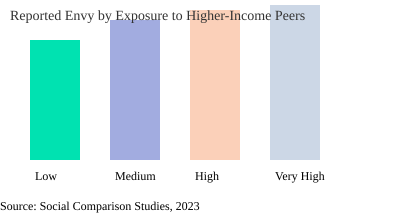
Exposure to wealthier peers increases reported envy and lowers self-reported happiness. In fact, research shows that after a neighbor wins the lottery, local bankruptcy rates rise—people try to keep up, often to their own detriment. The more you see, the more you want, and the harder it becomes to appreciate what you already have.
| Income Threshold | Reported Happiness Level | Notes |
|---|---|---|
| $75,000 | Plateaus for many, but not all | Kahneman (2010) |
| $500,000 | Happiness rises, but effect weakens | Recent studies (2023/24) |
Status vs. Utility: Would You Still Buy That If No One Was Watching?
Exercise: The 'Deserted Island' Test for Your Spending Habits
Imagine you’re living on a deserted island with just your closest family. No neighbors, no social media, no one to impress. Now ask yourself: would you still buy the things you buy today if no one else could see them? This simple thought experiment quickly exposes the difference between status spending vs utility spending. As one reflection puts it:
"If nobody could see it, how would I live? For me, and I think most people, you immediately gravitate away from status and towards utility."When you remove the audience, your choices shift. Suddenly, the flashy car or designer bag loses its appeal, and practical, comfortable, or meaningful items rise to the top.
How Material Purchases Communicate Status vs. Fill Genuine Needs
Most of us don’t realize how much our money spending choices are shaped by the desire to send signals—both to others and to ourselves. A luxury car, a sprawling house, or the latest phone often says, “Look at what I’ve achieved.” But if you strip away the audience, what’s left? Research shows that most unnecessary spending is motivated by social comparison and the desire for approval, not actual utility. Utility-focused spending, on the other hand, offers stable satisfaction because it meets real needs.
Personal Anecdote: My First Big (and Regrettable) 'Look at Me' Buy
I remember my first major “status” purchase—a designer watch I couldn’t really afford. At the time, it felt like a badge of success. But the thrill faded fast. I realized I wore it less for my own enjoyment and more for the reactions it got. That watch, like many status buys, ended up gathering dust while simpler, more practical items became my daily go-tos. This experience taught me a crucial lesson about self-awareness in financial decisions.
Utility-Focused Spending: When 'Boring' Actually Feels Better
If you apply the deserted island test, you might find that the things you’d choose are surprisingly “boring”—a reliable pickup truck instead of a Lamborghini, a cozy home with a view instead of a mansion. These choices aren’t about impressing others; they’re about comfort, peace, and genuine happiness. Studies confirm that utility-focused spending leads to longer-lasting satisfaction, while status-driven purchases tend to lose their thrill quickly.
Cultural Stories: The Rolex That Outlived Its Thrill
Consider the classic story of the Rolex. For many, buying a luxury watch is a milestone—a symbol of having “made it.” But over time, the excitement fades. The watch becomes just another accessory, its meaning shifting as you mature. There’s no inherent harm in owning nice things, but the intent matters. As we age, utility spending often becomes more valued than status, reflecting a deeper understanding of what truly brings happiness.
Wild Card: What Would Truly Make You Happy If You Couldn't Show Anyone?
Ask yourself: What would you buy, do, or experience if you couldn’t show anyone? This question cuts to the core of your values and priorities. When you focus on what genuinely improves your life—regardless of who’s watching—you make choices that are more fulfilling and less likely to lead to regret.
Data Snapshot: Why We Buy
- In a recent survey, over 60% of respondents admitted that their last major purchase was influenced more by status than utility.
- When asked to choose between a Lamborghini and a pickup truck for a deserted island, nearly everyone picked the pickup.
- Big houses lost out to modest homes with a view when social signaling was removed from the equation.
The Psychology Beneath Your Wallet: From Post-Traumatic Broke to Compulsive Consumption
When you think about money, you probably focus on how to earn it, save it, or invest it. But the real challenge often lies in how you spend it—and why. The psychological effects of wealth run deep, shaping your financial behavior in ways you might not even realize. From the fear-driven frugality of post-traumatic broke syndrome to the thrill-seeking patterns of financial addiction and compulsive spending, your wallet can become a mirror reflecting your deepest anxieties, aspirations, and even past traumas.
Post-Traumatic Broke Syndrome: When Fear Drives Frugality
Financial trauma can leave scars that last long after your bank balance has recovered. Tiffany Alish, a well-known financial educator, coined the term post-traumatic broke syndrome to describe the lingering fear of poverty, even after achieving financial success. If you’ve ever struggled to spend money—even when you can afford it—because you’re haunted by the idea of “going back” to being broke, you’re not alone. Studies suggest that as many as 30% of self-made millionaires report symptoms of this syndrome: anxiety about spending, guilt over purchases, and an overwhelming urge to save “just in case.”
“There’s something called post-traumatic broke syndrome.”
This fear-driven frugality can stop you from enjoying the fruits of your hard work. You might find yourself skipping experiences, denying yourself small pleasures, or feeling constant anxiety about the future, even when you’re objectively secure.
The Shadow Side: Compulsive Spending as Addiction
On the opposite end of the spectrum, financial trauma can also manifest as compulsive spending. This isn’t just about buying things you don’t need; it’s about using spending as a way to cope with stress, numb emotional pain, or chase a fleeting sense of excitement. Compulsive spending shares many features with addiction: loss of control, regret after purchases, and the need for bigger “hits” to feel satisfied. If you find yourself shopping to escape negative feelings or to impress others, you may be caught in this cycle.
Financial Trauma: Stories from Both Extremes
Whether you’re hoarding every penny or spending recklessly, the root cause is often the same: unresolved emotional wounds. The psychology of financial behavior shows that both extremes are attempts to manage anxiety, insecurity, or a sense of not being “enough.” Healing requires more than just a new budget—it demands self-awareness and sometimes even therapy.
“I can guarantee you everyone can spend money in a way to make them happier.”
Financial Behaviors—Signs of Trauma vs. Signs of Healthy Self-Awareness
| Behavior | Signs of Trauma | Signs of Healthy Self-Awareness |
|---|---|---|
| Spending | Guilt, anxiety, loss of control | Joy, intentionality, alignment with values |
| Saving | Obsessive hoarding, fear of spending | Purposeful, goal-oriented, balanced |
| Triggers | Stress, envy, insecurity | Self-reflection, gratitude, personal growth |
| Outcomes | Regret, missed experiences, debt or deprivation | Contentment, financial stability, fulfillment |
How to Heal Your Spending: Emotional Frameworks, Not Spreadsheets
To break free from the grip of financial trauma, you need more than a new app or a stricter budget. Start by asking yourself why you spend or save the way you do. Are you motivated by fear, envy, or a desire to impress? Or are your choices aligned with your values and what truly brings you happiness? Sometimes, the path to healing involves working with a therapist or coach to unpack your money story. Remember, the art of spending well is about emotional insight, not just rational planning.
Social Media, Envy, and the Arms Race: Why Happiness Keeps Slipping Away
Social Media Impact on Spending: The New Arms Race
It’s never been easier to see how the other half—or the other 0.01%—lives. Thanks to social media, you’re now exposed to the homes, cars, vacations, and lifestyles of people you may never meet, but whose spending habits shape your own. This constant exposure fuels what experts call expectation inflation and status anxiety. As one observer put it:
“We live in a world where like aspirations have inflated by such a dramatic degree that the arms race of spending just gets that much higher.”
Instagram’s Shop Window: The Psychology of Wealth Comparison
Platforms like Instagram and TikTok act as a global “shop window,” showcasing the most glamorous slices of people’s lives. What you see is carefully curated, often filtered, and rarely the full story. This “highlight reel” effect means you’re not just comparing your real life to your neighbor’s, but to the world’s most successful—and most performative—individuals. The psychological effects of wealth comparison are profound: research shows that over 60% of young adults cite social media as a source of financial pressure, and many feel their own lives fall short.
Economic Inequality and Personal Finance: The Global Customer Base
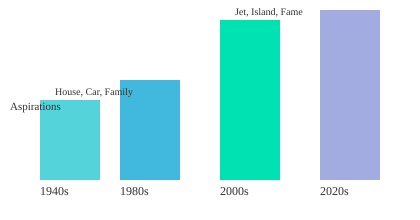
The internet has changed the rules of wealth. A century ago, a business owner’s reach was limited to their town. Today, anyone can sell to the entire world. This means the possibility of becoming extremely wealthy is more accessible—if still rare. But when someone does strike it rich, their success is instantly broadcast. The result? The definition of “wealth” has shifted. In the 1940s, wealth meant a three-bedroom house, one car, and a happy family. Now, for many young people, it means a private jet and a private island.
Money as a Funhouse Mirror: What You See Isn’t the Whole Truth
Think of money on social media as a funhouse mirror. The images are distorted, stretched, and exaggerated. You see the shiny jet, the designer wardrobe, the endless vacations—but not the stress, the sacrifices, or the trade-offs. The psychological effects of wealth comparison are intensified by this distortion, making it easy to forget that the shop window rarely shows the mess in the back room.
Even Billionaires Can’t Escape the Comparison Game
Icons like Elon Musk and Jeff Bezos are admired worldwide, but even they aren’t immune to the arms race. Musk himself has said, “You might think you want to be me, but you don’t,” pointing out the personal chaos behind the public image. The reality is, many of the world’s richest have paid a steep price for their fortunes. Among the top 10 richest men, there are a combined 13 divorces—a telling sign that financial success often comes at the expense of personal happiness and relationships.
Should We Envy the Billionaire’s Jet?
Ask yourself: would you trade your own life for a billionaire’s shiny jet if it came with three divorces and relentless pressure? The wealth comparison psychology promoted by social media rarely shows the hidden costs. The “arms race” for more is never-ending, and the finish line keeps moving further away.
How to Actually Spend for Lasting Happiness: The Counterintuitive Rules
When it comes to money, most advice centers on saving and investing. But few people talk about how to actually spend for happiness. As Morgan Housel says, “Everyone can spend money in a way it's going to make them happier.” The key is to rethink what truly brings joy and use your resources intentionally. Here are research-backed, practical rules to guide your spending for lasting happiness.
1. Prioritize Experiences and Relationships Over Material Goods
Studies consistently show that experiential spending vs material goods is a major factor in long-term happiness. Buying things—like the latest phone or designer clothes—gives a short-term boost. But spending on experiences, such as travel, learning, or time with loved ones, creates memories and connections that last. The Harvard Study of Adult Development found that strong relationships are the single biggest predictor of happiness, far outweighing wealth or possessions.
2. Practice Prosocial Spending: Give to Others
Research highlights the power of prosocial spending happiness. When you spend money on others—whether through gifts, charity, or shared experiences—you get a bigger happiness return than spending on yourself. A study published in Science found that people who spent money on others reported higher happiness scores than those who spent on themselves, regardless of the amount.
3. Use the Regret Minimization Framework (Jeff Bezos’s Trick)
Jeff Bezos’s regret minimization framework is a powerful tool for making spending decisions. Ask yourself: “When I look back years from now, will I regret not making this purchase or investment in myself or others?” This backward glance helps you focus on what will matter most in the long run—often, it’s experiences, relationships, and personal growth, not material goods.
4. Cultivate Gratitude: Focus on What You Have
Gratitude is a proven way to boost contentment and happiness. By regularly reflecting on what you already have, you reduce the urge to chase more. This shift in mindset helps you spend more intentionally, appreciating the value of your current relationships, experiences, and resources.
5. Checklist: Five Things to Focus on for Financial Freedom
- Invest in experiences and relationships
- Practice prosocial spending
- Use regret minimization before big purchases
- Save consistently for financial independence
- Make gratitude a daily habit
Research and Data Highlights
| Study/Source | Key Finding |
|---|---|
| Science (2008): Prosocial Spending | Spending on others increases happiness more than spending on oneself. |
| Harvard Study of Adult Development | Quality of relationships is the strongest predictor of lifetime happiness. |
| Experiential vs. Material Purchases | Experiences generate more sustained joy and positive memories than material goods (Van Boven & Gilovich, 2003). |
Why This Matters
Many of the world’s richest people—those we often admire—have sacrificed relationships and well-being for wealth. True happiness comes from aligning your spending with your values: nurturing relationships, creating memories, and helping others. Use these counterintuitive rules to make every dollar count toward a more meaningful, regret-free life.
Conclusion: Why Money’s Not the Main Character—And How to Cast Yourself as the Hero of Your Story
Throughout life, it’s easy to fall into the trap of thinking that money and happiness are directly linked. We often look at others and wish for bits and pieces of their lives—their house, their car, their career, or even their physique. But as you’ve seen, you can’t just pick the best parts. If you took on someone else’s entire life, you’d quickly realize that their happiness isn’t as simple as their bank account balance. In fact, many people you admire may not have a life that’s truly better than yours, or if it is, the difference is much smaller than you think.
Money as a Window—Not the Source—of Values
One of the biggest lessons is that money and well-being are connected, but not in the way you might expect. Money is a tool—a window into your values, not the source of them. It reflects what you care about, but it doesn’t create meaning or satisfaction on its own. If you focus only on chasing more, you risk missing out on the deeper sources of happiness that come from relationships, purpose, and self-awareness in financial decisions.
Finding Meaning Beyond the Bank Account
Research and real-life stories show that meaning and satisfaction aren’t bought—they’re chosen. You find happiness not by buying more, but by shifting your focus and resetting your expectations. When you stop comparing your life to a highlight reel of others, you can start to notice the value in what you already have. This is where money buying happiness becomes a myth: it’s not about how much you spend, but how intentionally you spend it, and what you expect it to bring you.
If I Could Go Back: Advice to My 22-Year-Old Self
If I could go back, I’d tell my younger self to stop believing that happiness was just a few paychecks away. I’d say: “Don’t let money be the main character in your story. Use it to support your values, not define them. Invest in experiences, relationships, and self-growth. And remember, the people you envy are often struggling with their own invisible challenges.”
The Hero Move: Choose Your Own Metrics for Happiness
To truly become the hero of your own story, you have to set your own standards for what a good life looks like. This means resisting the script society hands you about what success and happiness should be. Instead, try a “status fast”—take a break from comparing yourself to others, especially on social media. Or start a gratitude experiment: each day, write down three things you’re thankful for that money can’t buy. These simple practices can help you reset your expectations and find joy in the present.
Invitation: What Will You Change, Now That You Know?
Now that you understand the real relationship between money and happiness, you have the power to edit your own story. What will you do differently? Will you spend more intentionally, focus on what truly matters, or redefine your idea of success? The choice is yours—and that’s what makes you the hero, not your bank balance.
FAQ: Your Unfiltered Money and Happiness Questions Answered
Is there a real magic income for happiness?
There’s a lot of talk about a “magic number” that guarantees happiness—often cited as $75,000 or $100,000 a year. But the truth is more nuanced. Research shows that income and happiness do correlate, but only up to the point where your basic needs and a sense of security are met. After that, the impact of more money on your happiness plateaus. What really matters is how you spend what you have, not just how much you earn. Self-awareness and conscious choices about spending are far more powerful than chasing a specific number.
What if I feel guilty spending money after growing up poor?
This is more common than you might think and is sometimes called post-traumatic broke syndrome. If you grew up with financial insecurity, it’s natural to feel anxious or even guilty about spending, even when you can afford it. Recognize that this is a psychological response, not a financial reality. The key is to gradually practice spending on things that truly add value to your life—experiences, relationships, or even small comforts—without shame. Over time, you can reframe spending as a tool for happiness, not a trigger for anxiety.
Does buying for status always backfire?
Buying for status isn’t inherently wrong, but it rarely delivers lasting happiness. Often, status spending is about scratching a psychological itch—proving something to yourself or others. The problem is, the satisfaction fades quickly, and you may find yourself chasing the next upgrade. Ask yourself: If no one could see this purchase, would I still want it? If the answer is no, it’s likely more about signaling than genuine happiness. True fulfillment comes from spending on things that matter to you, not what impresses others.
How do I escape the 'comparison trap' on social media?
Social media has supercharged the urge to compare. Now, you’re not just keeping up with your neighbors—you’re measuring yourself against the whole world. Remember, most people only show their highlight reels online. Practice gratitude for what you have and set your own standards for success. Unfollow or mute accounts that trigger envy, and focus on your personal goals. The less you compare, the more content you’ll feel with your own choices.
Can you really get rich from passive income?
The idea of passive income is everywhere, but it’s often misunderstood. True passive income—money that rolls in with no effort—is extremely rare. Most so-called passive streams require significant upfront work, risk, or capital. Instead of chasing passive income myths, focus on building skills, making smart investments, and spending intentionally. These are proven paths to both wealth and happiness.
Should I worry about what people think of my spending choices?
It’s easy to believe everyone is watching and judging your spending, but the reality is, most people are too busy thinking about themselves. As comedian Jimmy Carr put it, “In your 40s, you finally realize nobody was thinking about you the whole time.” Spend in ways that align with your values and bring you joy, not to impress others.
Top three do’s and don’ts for better money happiness
Do spend on experiences and relationships that create lasting memories. Do reflect on your true motivations before big purchases. Do practice gratitude for what you have. Don’t chase status for its own sake. Don’t let social media set your standards. Don’t ignore the emotional side of money—self-awareness is your best financial asset.
In the end, the link between money and happiness is real, but it’s not as simple as earning more or spending more. It’s about understanding your own psychology, making conscious choices, and focusing on what truly matters to you. That’s the art of spending—and the real secret to a richer, happier life.
TL;DR: In short: Happiness and money are linked, but not in the way you think. Chasing more rarely works long-term; self-awareness, experience-focused spending, and disconnecting from status-driven choices offer a better shot at real satisfaction. See the tables and charts for highlights on what actually boosts well-being.
Post a Comment