
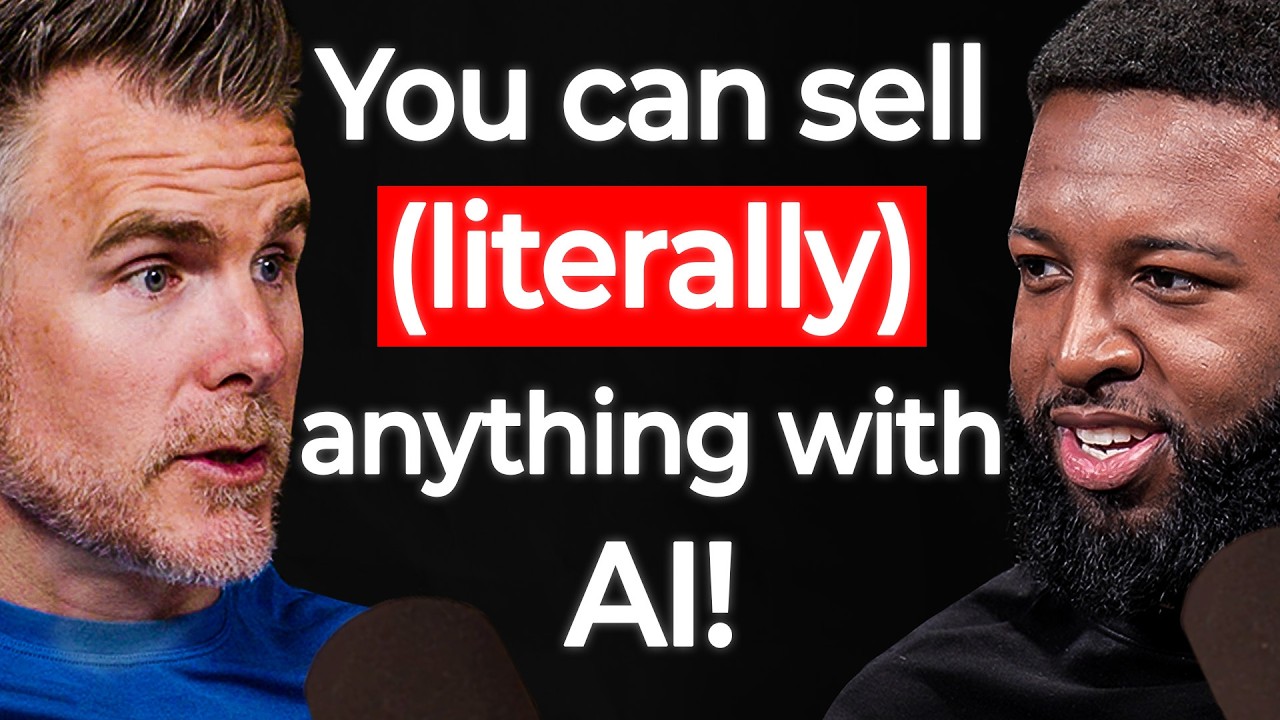
You ever drive past a mansion perched on a sunlit hill and wonder, not how much it costs or what the owners do for work, but what it actually took to end up there? Not the convenient LinkedIn version—like, the messy, rock-bottom moments most people skip. I confess: When I first heard Dan Martell’s story, I expected another chest-thumping entrepreneur episode. What I didn’t expect was a confession about a jail guard changing his trajectory, or the raw disclosure of thinking about ending it all. It hit hard, maybe because it made me remember my own ‘dark-field’ moments—and how the smallest words, sometimes from near-strangers, send us careening onto new tracks. Anyway, if you want business blueprints, those will show up, but you might also see yourself in these missed family gatherings, unexpected mentors, and the haunting what-ifs that define a life.
What Happens When Life Really Doesn’t Care About Your Plans: The Early Martell Chronicles
When you hear the Dan Martell story today—multi-millionaire, successful entrepreneur, family man—it’s easy to forget how unlikely it all seemed at the start. Dan’s early years were marked by chaos and pain. By 15, he was kicked out of his home. At 16, he was in jail. Family gatherings happened without him, and he became invisible in family photo albums. For anyone searching for entrepreneurship lessons or inspiration about overcoming adversity, Dan’s journey offers a raw, honest look at what it means to hit rock bottom and find a way back.
Invisible at Home, Lost in the World
Dan’s teenage years were a storm of trouble. Diagnosed with ADHD at 11, he struggled with anger and impulse control. By his mid-teens, he was out of the house and into the justice system. He describes a two-year window where life went on for his family, but he was simply missing. “Sometimes I’ll come across a photo album that my family has and there’s these pages of pictures. Dan’s not in them because I was in jail.” The sense of isolation was overwhelming, reinforcing the idea that he was a lost cause.
Rock Bottom: A Moment of Crisis
For Dan, adversity wasn’t just a chapter—it was nearly the end of his story. Alone in a field, rifle in hand, he considered ending his life. The only thing that stopped him was the thought of his younger siblings. In that darkest moment, he realized that even if he couldn’t see his own value, there were people who still needed him. As he later reflected, “Sometimes rock bottom is God’s way of showing you he’s the rock at the bottom.” This was a pivotal turning point, where hope flickered in the midst of despair.
Unexpected Rescue: The Power of Belief
Change didn’t come from a grand gesture or a sudden opportunity. It came from an ordinary person—a jail guard named Brian. One day, Brian pulled Dan aside and said something that would change the course of his life:
He looked me in the eyes and said, “You don’t belong here.” He said, “I’ve been here for almost 10 years. I’ve seen a lot of kids come and go and I’ve watched you and it just doesn’t make sense that you’re in this place.”
Brian wasn’t a counselor or a family member. He had no reason to reach out, but he did. That simple act of family support—even from someone outside the family—planted a seed of belief in Dan. For the first time, he considered that maybe he could be more than his mistakes. Sometimes, the universe sends backup through the most unexpected people.
Lessons in Overcoming Adversity
- Adversity can make you feel invisible, but your story isn’t over.
- Sometimes, all it takes is one person’s belief to spark a turnaround.
- Hopeful turning points often come from the most unlikely sources.
Dan Martell’s early years remind us that overcoming adversity is rarely a solo act. Whether you’re seeking entrepreneurship lessons or just a reason to keep going, his journey proves that even when life doesn’t care about your plans, there’s always a way forward.
From Rehab to Code: Finding Your Life’s Cheat Code (and Why AI Today Is Just Like Learning Java in ‘97)
Sometimes, the biggest shifts in your life come from the most unexpected places. For Dan Martell, a leading SaaS entrepreneur, the turning point wasn’t a business school or a tech conference—it was a dusty old computer and a Java programming book found during his final months in rehab. This accidental encounter didn’t just spark a new obsession; it became the foundation for his future success and a key lesson in entrepreneurship.
Martell’s story is a powerful example of how entrepreneurship lessons can come from unlikely turns. After spending 11 months in rehab, Dan was searching for purpose and direction. He describes himself as someone who always thought he was “broken” because he struggled in school. But everything changed the day he volunteered to help the maintenance guy, Rick, clean out an abandoned cabin. Hidden behind the door was a forgotten desk, an old 486 computer, and a Java programming book—relics from a different era.
Despite never having used a computer before, Dan opened the book, expecting it to be impossible to understand. To his surprise, the code made sense. That moment was the start of a new chapter: “Learning how to code in the ‘90s changed my life. It’s how I built my wealth.” Coding became his passport out of self-doubt and into self-invention. It reframed his identity from someone who felt broken to someone who could build, create, and solve problems. This is the heart of startup success—finding your unique cheat code and running with it.
Fast forward to today, and Martell draws a bold comparison: mastering AI technology now is the modern equivalent of learning to code in the late 1990s. Just as Java opened doors for him, AI is the new frontier for today’s aspiring entrepreneurs. There are over 700 million weekly users on ChatGPT, but most people only tap into 5-10% of its true potential. Martell believes that those who learn to harness AI fully will have the same kind of advantage he found with coding: “Learning how to maximize AI is the modern equivalent of what learning how to code was 20 years ago.”
- Accidental discovery: A forgotten computer and a Java book in rehab launched Martell’s tech journey.
- Reframing identity: Learning code shifted his mindset from ‘broken’ to ‘builder’—a key lesson for any SaaS entrepreneur.
- AI as the new cheat code: Mastering AI today is the same leap forward for this generation as coding was for Martell in 1997.
Martell’s experience is a reminder that your next big opportunity might be hiding in plain sight. Whether you’re in a startup rut or searching for your next move, the tools that can change your life are often closer than you think. The real challenge is recognizing them—and having the courage to dive in, even if you feel unqualified or uncertain.
Gratitude Isn’t a Hashtag: From Scarcity to Ski Lodges and Family Feasts
When you look at Dan Martell’s life today, it’s easy to see only the surface: the stunning home perched on a mountain in Colona, BC, the thriving business, and the joyful family gatherings at ski lodges. But behind every Instagram story of a lake view is a deep gratitude mindset—one that shapes his entrepreneurial journey and fuels his business growth every day.
"Every day I wake up and I post... the view from my home... my work ethic’s a reflection of my gratitude."
For Martell, gratitude isn’t just a buzzword or a hashtag. It’s a daily practice. Each morning, the view from his window is a reminder of where he started—of the “field” moments when life felt uncertain and the future was far from guaranteed. He shares these moments not to boast, but to anchor himself in humility and remembrance. This ritual is his way of saying: If you think I forgot where I came from, you don’t know me.
From Scarcity to Abundance: The Family Ripple Effect
The Dan Martell story isn’t just about personal transformation. It’s about how one person’s pivot can lift an entire family. Growing up, Martell’s family faced tough times. Legal troubles, addiction, and hardship weren’t just his battles—they were family battles. But when Dan chose a different path, supported by mentors and a new mindset, the impact spread. His brothers, sister, and parents all felt the change. The darkness that once hung over the Martell family began to lift.
Today, the contrast is striking. Every two years, nearly 20 Martells gather under one roof for a ski vacation. These reunions are filled with laughter, warmth, and connection—a world apart from the days when family gatherings happened without him. There are no visible artifacts of their old life; instead, there’s a sense of shared victory and togetherness.
- Family Success: The Martell family now celebrates together, with 18 members at regular reunions.
- Personal Milestones: Dan celebrated his first million at age 27, but the real win is the family unity that followed.
- Daily Rituals: Sharing his mountain view is a practice of humility and gratitude, not just for followers, but for himself.
Gratitude as a Growth Engine
Martell’s gratitude mindset is more than a feeling—it’s the engine behind his business growth and family success. By remembering the hard times, he finds the energy to keep building, giving back, and leading by example. This approach doesn’t just sustain him; it inspires those around him to reach higher, too.
In Martell’s world, gratitude isn’t a hashtag. It’s the foundation for everything that followed—from scarcity to ski lodges, from struggle to family feasts. His story is proof that when you practice gratitude, you don’t just change your life—you can change the lives of everyone you love.
It Only Takes a Moment: Why You Might Be Someone’s Brian (The Hidden Leverage of Belief)
Entrepreneurial lessons often focus on strategy, hustle, and resilience. But Dan Martell’s story reveals a quieter, more powerful force: the hidden leverage of belief. Sometimes, the most hopeful turning points come not from grand gestures, but from a simple word or a moment of kindness. Martell’s journey—from the edge of despair to entrepreneurial success—was shaped by these moments. He credits “hundreds” of supporters for helping him overcome adversity, but it all began with one person: Brian, a jail guard who saw potential in him when he couldn’t see it in himself.
Martell’s experience is a reminder that you never know when you might play the role of Brian in someone else’s life. You don’t need to know someone deeply to make a difference. A kind word, a nod of encouragement, or even just holding space for someone’s struggle can be a catalyst for change. As Martell puts it,
“The opportunity to express the belief in other people is what we’re here to do.”This isn’t just a feel-good idea; research shows that social support—even from unlikely places—can spark hopeful turning points and inspire people to keep going when they’re close to giving up.
Martell makes it a personal mission to “pay it forward” in everyday life. He describes moments where he’ll see a parent struggling in public, and he’ll take a second to acknowledge their effort: “Hey man, being a dad’s tough. I can tell you’re a great dad.” He doesn’t linger or expect anything in return. He simply offers belief, recognizing that these small actions can have a ripple effect far beyond what he’ll ever see. This is the hidden leverage of belief—its power is multiplied by the fact that you rarely know the full impact of your words.
Imagine if you took just one minute each day to voice belief in someone’s potential. What if you became intentional about being a positive influence, even in passing? The butterfly effect of these moments could be enormous. You might be the reason someone finds hope on a hard day, or the push that helps them get up and try again. In the world of overcoming adversity, these moments are often the true turning points—the places where people find the strength to do it anyway.
Dan Martell’s story is a call to action. He challenges you to recognize the power you hold, even in the smallest interactions. You don’t have to be a mentor, a coach, or a close friend to make a difference. Sometimes, being someone’s Brian is as simple as seeing them, believing in them, and letting them know. In the end, the most lasting entrepreneurial lessons aren’t just about business—they’re about the human connections that help us rise, fall, and rise again. The next time you feel the urge to encourage someone, don’t hold back. It only takes a moment, but that moment might change everything.
TL;DR: Dan Martell’s journey from lost youth to SaaS success boils down to one lesson: It’s never just about business—it’s about finding (and offering) hope, acting on unlikely belief, and using pain as springboard fuel. No life is a straight line, but if you keep showing up, there’s always another chance to rewrite your ending.
Post a Comment