
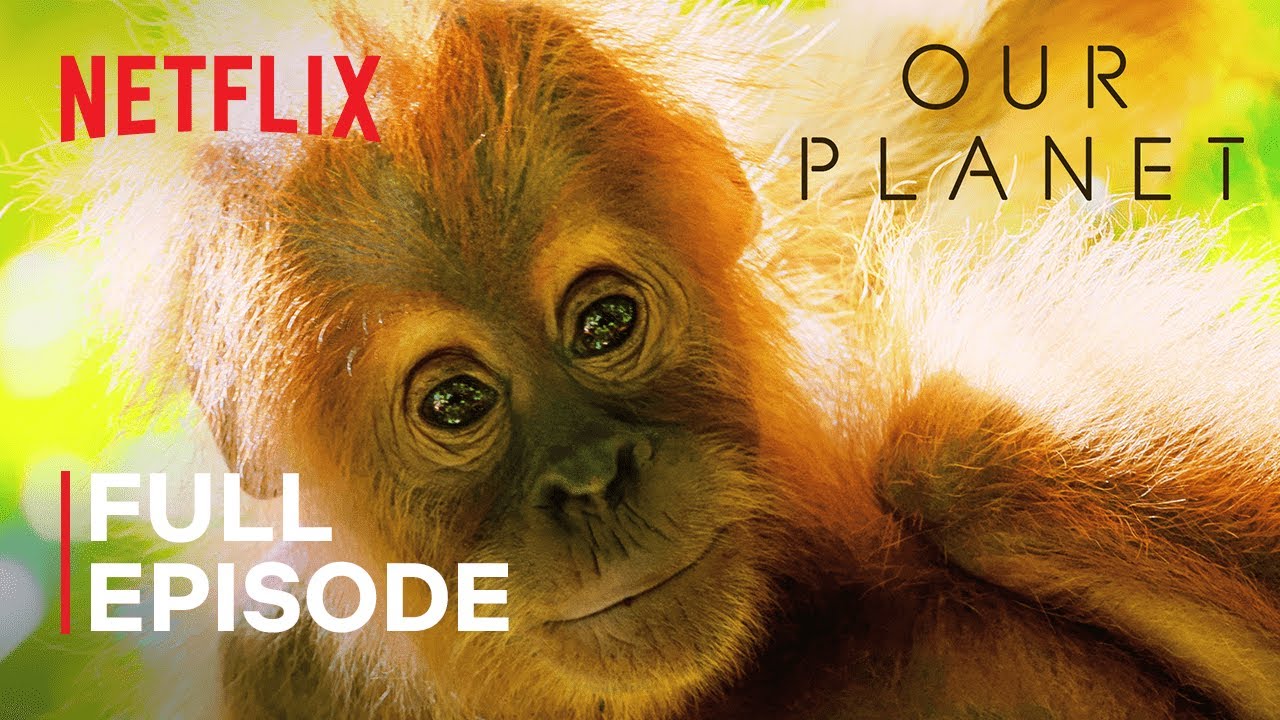
Flashback: when you were a kid, did you ever believe there might be a tiger lurking in the backyard or fantasize about discovering an unknown animal in the treehouse? Strange how that sense of awe lingers; I still get it watching nature documentaries, especially ‘Our Planet’ on Netflix. The first time I saw those shots of the Congo’s forests, it sort of hit me—how little we actually know about some of the world’s wildest places, and how quickly change can come. This blog peels back a few layers from those vast green jungles, unearthing the beauty, the mysteries, and yeah—the real-life cliffhangers happening right now.
1. The Congo’s Green Mystique: More Than Just a Backdrop
Step into the heart of Africa, and you find yourself surrounded by the Congo rainforest—a place where green is more than a color. It is a living, breathing world of its own. This is not just any forest. The Congo is a rainforest habitat, one of the richest and most mysterious on Earth. Here, the air is thick with life, and every step reveals new wonders. The Congo’s green mystique is not just a backdrop for stories of survival; it is the main character, shaping the lives of every creature within.
Rainforest Habitats: Small in Size, Huge in Diversity
Rainforests like the Congo’s cover only about 7% of the world’s land area. Yet, these habitats are home to an incredible amount of life. In fact, they are the most wildlife-diverse places on the planet. The Congo rainforest is a perfect example. Despite its relatively small footprint, it bursts with a richness that is hard to imagine. The trees tower overhead, creating a multi-layered home for millions of species, many of which are still unknown to science.
Jungle Biodiversity: A Living Laboratory
The Congo’s rainforest is unique not just for its size, but for its age. At only 18,000 years old, it is considered the youngest major rainforest in the world. This “youth” gives it a special energy. The forest is still changing, still growing, and still welcoming new life. It is a living laboratory, where evolution is happening before our eyes. Here, some of the world’s largest and most iconic animals roam, including forest elephants, gorillas, and okapis. But the true magic lies in the smaller, hidden creatures—those that slip through the leaves and branches, rarely seen by human eyes.
Wildlife Diversity: Millions of Mysteries
It is almost impossible to count the number of species living in the Congo. As the series Our Planet notes:
Exactly how many species rainforests contain is unknown, but it runs into millions, and new ones are discovered every week.
This ongoing discovery is part of what makes the Congo so special. Scientists regularly find new insects, plants, fungi, and even mammals. Some species are so elusive that they are known only from a single glimpse or a few tracks in the mud. The clouded leopard, for example, is a shadowy presence in the jungle—so rarely seen that much about its life remains a mystery. This sense of the unknown is everywhere in the Congo. Even today, there are animals and plants here that scientists have barely begun to study.
Natural Wonders: The Congo’s Living Tapestry
The Congo’s rainforest is not just about numbers. It is about the feeling you get when you realize how much is still hidden. Every tree, every vine, every call in the night could be something new. This is a place where natural wonders are not rare—they are the rule. The forest pulses with life, from the buzzing of insects to the distant calls of monkeys. It is a reminder that the world is still full of surprises, and that our understanding of jungle biodiversity is always growing.
- Rainforests cover just 7% of the world’s land, yet they hold most of its species.
- The Congo rainforest is only 18,000 years old, making it uniquely vibrant and dynamic.
- Millions of species live here, many still undiscovered or barely known to science.
- Creatures like the clouded leopard highlight the ongoing mystery and wonder of these forests.
In the Congo, the green is more than scenery—it is a force that shapes life itself. The rainforest’s wildlife diversity and sense of mystery are reminders of how much there is left to learn about Our Planet and its natural wonders. The Congo’s green mystique is a call to curiosity, awe, and respect for the world’s most extraordinary habitats.
2. Hidden Chores of the Megafauna: Life at Mbeli Bai
If you follow the winding trails through the dense Congo jungle, all paths eventually lead to a remarkable place: Mbeli Bai. This open clearing, or ‘bai’, is not just a rare patch of sunlight in the shadowy forest. It’s one of over a hundred such clearings—known locally as bis—that dot the landscape, each serving as a vital hub for the region’s most iconic jungle species. Here, the hidden chores of the megafauna unfold, quietly shaping the fate of the forest and its future.
Bis: The Jungle’s Natural Wonders and Social Hubs
Unlike the thick, tangled forest, bis are open, marshy clearings where the ground is soft and the air is alive with activity. These places are true wildlife spectacles. Gorillas and elephants trek for kilometers each day to reach these clearings—not for the view, but for something far more essential: salt and minerals.
Inside the forest, these minerals are in short supply. The soil and plants simply don’t offer enough of the nutrients that large animals need to survive. But at Mbeli Bai, the mud and water are rich in salts, making the clearing a kind of natural “salt bar” for the megafauna.
Salt Bars for Survival
You might see a family of gorillas wading into the shallow pools, carefully pulling up aquatic plants. These plants are loaded with salt—a mineral crucial for their health, but almost impossible to find elsewhere in the forest. Without regular visits to bis like Mbeli Bai, gorillas would struggle to get the nutrients they need.
Elephants, too, are drawn here by the promise of minerals. Using their trunks, they dig into the mud, mining for salt, or simply drink the mineral-rich water. This daily ritual is not just about feeding; it’s about survival in an environment where every nutrient counts.
Wild Social Scenes and Species Interdependence
Mbeli Bai is more than a feeding ground—it’s a meeting place. Most of the time, forest elephants roam alone, scattered across the vast, green interior. But here, at the bai, they gather. For elephants, these clearings are one of the few places to meet others, exchange information, and even form new bonds.
The same is true for gorillas. The silverback’s family is not alone; nearly 200 gorillas are known to frequent Mbeli Bai. Alongside them, as many as 530 elephants use the same clearing. These gatherings are some of the most impressive wildlife spectacles in the world, with groups of megafauna shaping both the jungle and each other’s destinies.
Megafauna: The Jungle’s Gardeners
The hidden chores of these animals go beyond their own survival. Gorillas and elephants are the Congo’s main seed dispersers. As they eat and move through the forest, they spread seeds far and wide, helping new plants to grow. This process is essential for the health and regeneration of the entire ecosystem.
If these megafauna were to disappear, the impact would be enormous. Without them, many tree species would struggle to reproduce, and the forest’s ability to recover from damage would be weakened. As one conservationist put it:
“As the Congo’s main seed dispersers, the loss of its megafauna could have a far-reaching impact on the future of our planet’s second largest rainforest.”
Ecosystem Threats and the Future of Mbeli Bai
The interconnectedness of jungle species is on full display at Mbeli Bai. The elephants and gorillas depend on the bai for minerals, but the entire forest depends on them for regeneration. This delicate balance is threatened by habitat loss, poaching, and climate change—ecosystem threats that could disrupt the web of life in the Congo.
Mbeli Bai stands as a reminder of the hidden chores that keep the jungle alive. Every visit by a gorilla or elephant is a small act of ecosystem maintenance, a quiet contribution to the ongoing wonder of the natural world.
3. Cliffhangers and Culprits: Human Threats, Real Risks
When you step into the heart of the jungle, it’s easy to feel as if you’ve entered a world ruled by nature alone. The calls of birds, the rustle of leaves, and the distant roar of a silverback gorilla all seem to tell a story of survival shaped by ancient instincts. But beneath this wild beauty, there is a threat that no animal can outwit—one that comes from outside the forest itself. This is the human impact, and it is rewriting the rules of survival for every creature in the jungle.
For the gorillas of the Congo, the last two decades have brought a crisis unlike any before.
In the last 20 years, poaching for bushmeat has halved the Congo’s gorilla population.This isn’t just a number—it’s a warning. Every gorilla lost is a thread pulled from the fabric of the forest, and as these threads unravel, the entire ecosystem begins to weaken. The gorillas, once rulers of their green kingdom, are now classified as critically endangered. Their fate is no longer in their own hands, but in ours.
The story is much the same for the forest elephants. These gentle giants, who once roamed the jungle with little to fear but the occasional predator, now face a far greater danger. Human poachers, driven by the high price of ivory, have turned the forest into a place of constant risk. Elephants must now dodge not only natural threats but also the silent, deadly pursuit of those who would take their tusks. The loss of elephants is not just a tragedy for the species—it threatens the entire jungle. Elephants are key to the health of the forest, spreading seeds and shaping the landscape. Without them, the ecosystem risks collapse.
You might wonder how these threats grew so large, so quickly. The answer lies in the growing demand for resources—bushmeat, ivory, and land. As human populations expand and technology makes even the deepest forests accessible, the balance tips further. Conservation efforts have tried to keep pace, but the scale of the problem is daunting. The decline of gorillas and elephants is not just about numbers; it’s about the loss of wonder, the unraveling of ancient connections, and the weakening of the jungle’s very foundation.
Climate change adds another layer of risk. As weather patterns shift and forests become more vulnerable to drought and fire, the animals that survive poaching face new challenges. The jungle’s vitality is on the line—a single thread like poaching can unravel entire ecosystems. Conservation missions now must address not only direct human threats but also the indirect pressures of a changing climate. Protecting one species means protecting the whole web of life that supports it.
What sets this story apart from classic nature documentaries is its focus on human impact. “Our Planet” and similar works do not shy away from showing the consequences of our actions. They remind you that the jungle’s fate is not sealed by nature alone, but by the choices we make every day. The decline of gorillas and elephants is a call to action—a reminder that conservation is not just about saving animals, but about preserving the wonder and balance of the natural world.
In the end, the jungle’s greatest cliffhanger is not whether a predator will catch its prey, but whether we will rise to the challenge of protecting these wild places. The culprits are clear, but so are the solutions. Conservation efforts, informed by science and driven by a sense of shared responsibility, offer hope. By understanding the real risks and acting with purpose, you can help ensure that the jungle’s story continues—not just as a tale of survival, but as a testament to what we can achieve when we work together with nature, not against it.
TL;DR: Jungles captivate with their beauty and hidden life, but they’re at a crossroads. From rare species to urgent threats, ‘Our Planet’ shows why protecting these ecosystems is essential for us all.
Post a Comment