

A confession: My journey toward financial freedom didn’t begin with spreadsheets or a sudden six-figure windfall. It started one monotonous weekday, gazing out of my office window, realizing I was trading my brightest hours for someone else’s goals. That twinge of restlessness (and more than one botched lunch break budget) sparked a relentless quest—not just for more money, but for control, meaning, and time. In this blog, you’ll unpack the often-overlooked qualities and unconventional routes real people use to transform their lives—no superyachts or Silicon Valley bro talk required. Just practical, sometimes messy, and genuinely achievable ideas to bring you closer to work-optional living.
You’re Not Chasing Just Money: Defining Real Financial Freedom
When you think about financial freedom, it’s easy to picture a huge bank balance or a luxury lifestyle. But real freedom isn’t just about how much you have—it’s about making work optional. As the saying goes, “Work becomes optional when your income covers your expenses.” That’s the true definition of financial freedom: when your investments, passive income, or side ventures generate enough to pay your bills, you get to choose how you spend your days.
Beyond the Numbers: The Power of Time Freedom
Many people start their financial freedom journey focused on saving and investing, but they often overlook the deeper goal: time freedom. Ask yourself, “How do I want to spend my days?” instead of just, “How much can I save?” Time freedom is about having control over your schedule and the ability to pursue what matters most to you. It’s a journey, not a one-time destination. While financial freedom is often measured in dollars, time freedom is measured in moments—like being able to take a Tuesday afternoon off or spend more time with family.
Comparing Paths: Passive Income, Investments, High-Earning Roles, and Entrepreneurship
There are several financial freedom strategies you can explore:
- Passive Income: Rental properties, royalties, or online businesses can provide income without daily effort.
- Investments: A stock portfolio, for example, can yield steady returns. $100 million in stocks at 4% returns brings $4 million a year—enough for most to consider work optional.
- High-Earning Roles: Some pursue high-paying careers (like corporate law at $10,000 USD/month) and use aggressive saving and investing to reach freedom faster.
- Entrepreneurship: Building your own business can offer both financial and time freedom, but comes with risk and uncertainty.
Each path has trade-offs. Passive income and investments can take years to build, while high-earning jobs often come with long hours. Entrepreneurship offers flexibility but demands resilience and creativity.
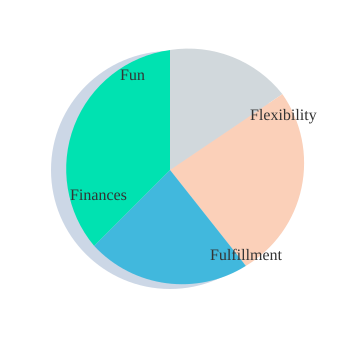
The Four Fs of Financial Freedom: Fun, Flexibility, Fulfillment, Finances
True time freedom lifestyle isn’t just about money. It’s about balancing the Four Fs Financial Freedom elements:
- Fun: Are you enjoying your life and work?
- Flexibility: Can you control your schedule and location?
- Fulfillment: Does your work or lifestyle give you purpose?
- Finances: Do you have enough to cover your needs and wants?
Everyone’s ideal mix is different. For some, financial freedom means superyacht dreams. For others, it’s simply having the freedom to take time off when needed.
Common Misconceptions: Saving Alone Isn’t Enough
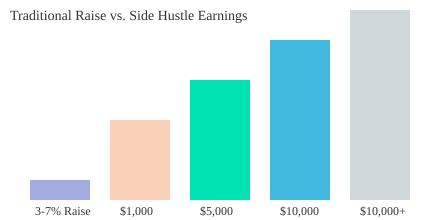
One of the biggest myths is that you can save your way to freedom. In reality, “You can’t really save your way to financial freedom.” Earning more—through investments, side hustles, or career growth—often gets you there faster. Most jobs offer only a 3-7% annual raise, which can make saving a slow path to freedom.
What Does Financial Freedom Look Like for You?
It’s important to define your own vision. Is it about luxury, or is it about having the time and flexibility to live on your terms? Remember, the journey is personal. Focus on building a life that balances the Four Fs, not just your bank account.
Earning Beyond the Desk: Side Hustles, Passive Income, and Earning Potential
When it comes to real financial freedom, earning beyond your main job is often the missing piece. While school teaches you to save, and society encourages you to invest, the truth is: “The most you can save is 100% of your paycheck.” Raises in traditional jobs are usually capped at 3-7% per year, and investing alone—while important—can be slow to build real wealth. That’s why exploring Passive Income Streams and Side Hustle Tips is so powerful for building lasting financial security.
Why Earning Outside the 9 to 5 Matters
Let’s face it: most corporate jobs have a ceiling. Even with steady promotions, your income growth is limited by company structure and market rates. Compare this to side hustles or online businesses, where your earning potential is scalable. You could make $1,000, $5,000, or even $10,000+ in a month—far beyond the typical annual raise.
“Stan is the most beginner-friendly platform we’ve tried.”
Ways to Earn Beyond Your Main Job
- Side Hustles: Freelancing, consulting, or remote gigs in your skill area.
- Digital Storefronts: Platforms like Stan Digital Storefront Platform let you sell courses, downloads, ebooks, and coaching calls with zero coding. Setup takes under 5 minutes, and there’s a free 14-day trial.
- Passive Income Ideas: Rental properties, dividend stocks, royalties from books or music, and digital products that sell while you sleep.
Personal Anecdote: When a Mini E-Course Paid for Groceries
One month, a simple e-course I created brought in enough to cover my grocery bill. It wasn’t a massive launch—just a few sales through a digital storefront. But that moment showed me the power of earning outside the 9-to-5: even small wins can make a real difference.
Passive Income Streams: The Key to Long-Term Wealth
Passive income is money earned with minimal ongoing effort after the initial setup. Multiple passive income streams—like online courses, digital downloads, or rental income—are a proven path to long-term wealth. The beauty is that once you build them, they continue to generate revenue, freeing you from trading time for money.
Investing vs. Earning: Why Just Saving Isn’t Enough
Saving and investing are important, but they’re slow paths to freedom unless you have a very high salary or save an enormous percentage of your income. Even with a 7% annual investment return, it can take decades to reach financial independence. Earning more through side hustles or digital products can leapfrog this timeline, making work truly optional much sooner.
Accessible Platforms and Community Support
User-friendly platforms like Stan make launching a side hustle accessible to everyone. In our recent 1K Challenge workshop, over 1,300 students learned how to earn their first $1,000 online—often in just weeks. The right tools and community support can make all the difference.
Pitfalls: Not Every Side Hustle Scales
It’s important to remember that not every side hustle is stress-free or scalable. Some gigs can add more work and pressure, so focus on passive income ideas and platforms that align with your lifestyle and goals.
The Real Role of Time: Energy Management Beats To-Do Lists
When you think about time management for entrepreneurs, it’s easy to picture endless to-do lists and color-coded calendars. But those who achieve real financial freedom know the secret: Managing your energy matters more than just managing time. If you want a true time freedom lifestyle, you need to stop obsessing over every minute and start paying attention to your energy—when you’re at your best, and how you can protect those moments for your most important work.
Why Energy Management Wins Over To-Do Lists
Financially free people don’t just fill their days with tasks. Instead, they focus on balancing work and personal fulfillment by identifying their energy peaks and troughs. Research shows that entrepreneurs typically have just 2-4 hours of peak productivity each day. The key is to guard these hours fiercely and use them for your most valuable, creative, or strategic work.
For example, I discovered my post-lunch “zombie hour” was a productivity dead zone. Instead of fighting it, I started batching routine tasks during this time and used the early morning—my energy peak—for deep work. This simple shift boosted my output and made my days feel less like a grind.
Systems and Routines: Your Secret Weapons
Willpower is unreliable. That’s why effective time management for entrepreneurs relies on systems and routines. These act as guardrails, keeping you consistent even when motivation dips. Think of habits, automations, and boundaries as the invisible framework that supports your long-term goals and prevents burnout.
- Habits: Start your day with a focused routine—like a set writing block or a daily review.
- Automations: Use tools to handle repetitive tasks (like scheduling social posts or sending invoices), freeing up your brain for creative work.
- Boundaries: Set clear “work” and “rest” zones in your schedule, especially if you’re juggling a side hustle or dual careers.
Rethinking Productivity: Less Is More
Most people equate productivity with doing more. But those who build a time freedom lifestyle know it’s about doing the essential things well. Ask yourself: What are the 1-2 tasks today that will move the needle most? Focus your energy there, and let the rest follow.
Here’s a practical tip: At the end of each day, write down your top three priorities for tomorrow. Tackle these during your energy peak. You’ll find you accomplish more in less time—and with less stress.
Balancing Hustle and Rest: Tips for Solo Entrepreneurs and Moonlighters
- Identify your energy peaks and schedule your hardest work then.
- Batch similar tasks during low-energy periods to reduce mental fatigue.
- Build in short breaks and “recharge” activities—like a walk or meditation—to maintain stamina.
- Use routines to transition between work and personal time, protecting both your output and your well-being.
Managing your energy matters more than just managing time.
Remember, balancing work and personal fulfillment isn’t about squeezing more into your day. It’s about designing your systems, routines, and boundaries so you can consistently show up at your best—without burning out. That’s the real foundation of both time and financial freedom.
How Method Matters: The Freedom Profile of Different Money Paths
When you think about financial freedom, it’s easy to focus only on the numbers. But the method you choose to earn money shapes your daily life just as much as your bank balance. As the saying goes,
“Every method of making money has a different freedom profile.”Let’s break down what that really means—and why it matters so much for your happiness.
The Four Fs: Your Decision Toolkit
Every income path has a unique mix of fun, flexibility, fulfillment, and finances—the “Four Fs.” These are your tools for evaluating work options. Some jobs offer great pay but little time for yourself. Others might be fun and flexible, but not as lucrative. The key is to find a balance that fits your personality, goals, and risk tolerance.
Challenges of Corporate Jobs: High Pay, Low Play
Traditional corporate roles, like law or finance, often promise solid finances. For example, a corporate lawyer in Hong Kong might earn $10,000 a month. But what about time freedom? Many lawyers admit that the prestige and pay never made up for weekend emails or late-night calls. The challenges of corporate jobs often include long hours, rigid schedules, and little flexibility. In the US, the CEO-to-entry-level pay ratio can be up to 3,000x, but the trade-off for most employees is clear: more money, less freedom.
Remote Work & Small Team Business Culture: Flexibility Wins
Contrast this with remote tech roles or developer gigs. Many remote developers earn similar salaries, but enjoy far more control over their time. If you can work from your laptop and set your own hours, you gain valuable time freedom and a better work-life balance. This is why the small team business culture and remote work are so appealing—they offer flexibility and fulfillment that many corporate jobs can’t match.
Lifestyle Business Model: Control Over Growth
Then there’s the lifestyle business model. Boutique agency owners or solo entrepreneurs might not make as much as a top lawyer, but they often have the best blend of the Four Fs. These businesses aren’t about becoming huge—they’re about designing a life you love. Growth is optional, not required. You control your schedule, your team, and your client list. For many, this path offers the most satisfaction and freedom.
Side Hustle Financial Independence: Your Custom Playlist
Think of picking your money path like building a playlist. Some tracks (jobs) are high-energy but exhausting. Others are mellow and give you space to breathe. The best playlists—and the best careers—blend tracks that harmonize with your life. Side hustle financial independence lets you experiment and find what works for you, without going all-in on a single path.
| Path | Finances | Fun | Flexibility | Fulfillment |
|---|---|---|---|---|
| Corporate Lawyer | High | Low | Low | Low |
| Remote Developer | Medium-High | High | High | High |
| Boutique Agency Owner | Balanced | High | High | High |
In the end, the route you choose—whether it’s a high-powered corporate job, a remote tech gig, or a lifestyle business—shapes your freedom profile. The best path is the one that lets you balance the Four Fs in a way that feels right for you.
Lifestyle Business Model Explained: Not Your Silicon Valley Unicorn
When most people hear the word “business,” they picture high-growth startups, venture capital pitches, and founders chasing unicorn status. But the reality is far more diverse—and for many, much more appealing. Let’s break down the Lifestyle Business Model Explained, and why it’s a smart choice for those who value autonomy, flexibility, and a balanced life over endless hustle.
What Is a Lifestyle Business?
A lifestyle business is designed to serve you, not the other way around. Instead of maximizing growth at all costs, these businesses focus on helping you create the life you want. Think boutique agencies, solo consultancies, or small teams working together on projects they love. The goal? Enough income to thrive, maximum autonomy, and the freedom to choose your clients and projects.
“There are loads of businesses out there where the goal is giving the founder… the freedom profile they want.”
Small Team Business Culture Benefits
Unlike the Silicon Valley model, where the aim is to scale fast and hire hundreds, most real businesses are small, owner-operated, and built for quality of life. In fact, the majority of businesses worldwide have fewer than 10 employees. This small team business culture brings several advantages:
- Flexibility: Set your own hours, work remotely, and take breaks when you need them.
- Selective Work: Choose clients and projects that align with your values and interests.
- Tax Benefits: Operating as a business can be more tax-efficient than traditional employment.
- Direct Impact: See the results of your work and decisions immediately.
Building a Problem Solving Business
Many lifestyle businesses start with a simple idea: solve a problem for a handful of clients, and do it well. You might begin as a freelancer, then gradually build a small team as your reputation grows. This freelancer-to-owner pipeline is common—and it’s all about leveraging your skills flexibly, not chasing outside investment.
Time Freedom Lifestyle Business: The Real Perk
Perhaps the biggest draw is the time freedom lifestyle business offers. Imagine being able to travel, take sabbaticals, or work in bursts around your life’s priorities. Many founders design their businesses so they can take summers off, work from anywhere, or only accept projects that excite them. If you could only work with people you like and projects you love, what would you build?
Real-World Example: Boutique Agency Success
Consider my favorite example: a friend’s three-person web design agency. Each partner earns between $10K and $30K per month, and they regularly take summers off to travel or recharge. They aren’t aiming for IPOs or massive exits—they’re simply enjoying their craft, working with clients they respect, and living life on their own terms.
How Common Are Lifestyle Businesses?
Despite the media focus on unicorn startups, most businesses look more like the examples above. Here’s a quick comparison:
| Business Type | Team Size | Monthly Earnings (Per Person) | Prevalence |
|---|---|---|---|
| Boutique Web Agency | 3 people | $10K–$30K | Common |
| Traditional Venture-Backed Startup | 10+ employees | Varies (often reinvested) | Rare |
| Most Businesses | <10 employees | Varies | Very Common |
The “business” label can be misleading—many lifestyle businesses are simply people leveraging their skills in a flexible, rewarding way. For freedom-minded entrepreneurs, this model offers a path to real financial freedom and a life designed on your own terms.
Strategic Goal Setting: Market Validation and Planning for Success
Before You Leap: Validate Your Idea
It’s easy to get excited about a new business idea, but before you invest your time and money, ask yourself: Do people actually want what you’re offering? Market validation is critical for business ideas to ensure product-market fit. Studies show that validating market demand before scaling can reduce your risk of failure by up to 50%. Instead of guessing, get real-world feedback early. This step is often skipped, but it’s the difference between a costly flop and a sustainable business.
GPS Framework: Goal, Purpose, Strategy
Think of the GPS Framework—Goal, Purpose, Strategy—as your business roadmap. Before building anything, map out:
- Goal: What do you want to achieve? (e.g., financial freedom, flexible work, creative fulfillment)
- Purpose: Why does this business matter to you and your customers?
- Strategy: How will you reach your goal? What steps and resources do you need?
Without clear GPS business goals, you risk wandering in the forest without direction. This framework keeps you focused and intentional, especially if you’re aiming for a lifestyle business rather than chasing unicorn status.
Lessons from Tim Ferriss and Nick Huber: Contrasting Paths
When thinking about market validation for business ideas, it helps to learn from those who’ve walked different paths. Tim Ferriss, author of The 4-Hour Work Week, champions highly-optimized solo businesses that maximize freedom and minimize hours. On the other hand, Nick Huber’s Sweaty Startup lessons focus on scrappy, hands-on businesses that grow through hustle and operational grit. Both approaches agree on one thing: Validate your market before you build. Whether you want a lean solo venture or a small, efficient team, the principle is the same—make sure there’s real demand.
Tactics: Launch, Collect Feedback, Iterate
Don’t wait for perfection. Launch a minimum viable product (MVP)—the simplest version of your idea that people can actually buy or use. Your goal is to get your first 10-50 paying users. Here’s how:
- Build a basic version of your product or service.
- Offer it to a small group of real customers.
- Collect honest feedback and track what works (and what doesn’t).
- Iterate quickly—improve based on what you learn.
Remember, failure is feedback, not proof you shouldn’t try. Use every misstep as a chance to course correct.
Real Talk: My Own Market Flop
Let me share a quick story. I once launched a line of productivity planners, convinced everyone would love them. I skipped proper market validation—no MVP, no feedback loop. The result? A stack of unsold planners and a bruised ego. But the lesson was priceless: “Market validation is critical for business ideas to ensure product-market fit.” Now, I always test with a small audience before going all in.
Key Takeaways
- Validate your idea with real customers before investing heavily.
- Use the GPS Framework to set clear business goals and strategies.
- Learn from both the 4-Hour Work Week and Sweaty Startup approaches—freedom and hustle both require validation.
- Launch an MVP, gather feedback, and iterate fast.
- Let failure guide you, not stop you.
Measuring Success: Diminishing Returns, Personal Fulfillment, and Redefining Enough
When you think about financial freedom, it’s easy to picture a big number in your bank account. But real freedom is about much more than just money. As you move through the Financial Freedom Steps, you’ll notice something surprising: after a certain point, more money brings diminishing returns—especially in entrepreneurship. Research and real-world stories both show that once your basic needs and a few wants are met, extra income doesn’t make you much happier. In fact, global studies suggest happiness plateaus at around $75,000 a year (though this varies by location and lifestyle).
Diminishing Returns: Find Your ‘Enough’ Threshold
It’s easy to get caught up in the chase for more—more clients, more sales, more zeros on your balance sheet. But ask yourself: Does another $10,000 really move your ‘Freedom Meter’ as much as a free Tuesday afternoon? The truth is, after a certain point, every extra dollar delivers less joy, less security, and less freedom than you might expect. This is the heart of Diminishing Returns Entrepreneurship: knowing when to stop chasing and start enjoying.
- Check your ‘enough’ threshold: What income level covers your needs, gives you some comfort, and lets you sleep well at night?
- Track non-monetary wins: How often do you get to say ‘yes’ to things you love—or ‘no’ to things you don’t?
Balancing Work and Personal Fulfillment
Many people dream of quitting work once they reach financial freedom. But as countless entrepreneurs discover, work is often a source of meaning and connection. As one wise voice put it:
“You want to do the kind of work that feels energizing, that feels like it’s making a difference.”
So, instead of aiming to stop working, focus on Balancing Work and Personal Fulfillment. Use your Time Freedom Lifestyle Business to design a life where you choose how to spend your days. Take a Tuesday off if you want. Dive into projects that excite you. The real win is doing work on your own terms—work that energizes you and lets you contribute in ways that matter to you.
Redefining Success: Your Metrics, Not Theirs
Success isn’t just about external markers like income or status. It’s about what feels right for you. Regularly ask yourself:
- Is my work delivering fun, flexibility, and fulfillment—not just finances?
- Am I energized by what I do, or just chasing numbers?
- What would my life look like if I measured success by my own values, not someone else’s?
Try this exercise: Imagine your own ‘Freedom Meter.’ Does it spike when you land a big client, or when you have the freedom to say ‘no’ to a meeting and take a walk instead?
Embrace the Power of ‘No’
One of the most valuable assets financial and time freedom gives you is the ability to say ‘no.’ Setting boundaries is essential for healthy entrepreneurship. When you know your ‘enough,’ you can avoid burnout and focus on what matters most. Remember, every ‘no’ to something that drains you is a ‘yes’ to something that fulfills you.
As you move forward, keep checking in: Are you building a life that’s rich in meaning, not just money? That’s the real measure of success.
Conclusion: A Personal Blueprint to Your Unique Freedom
Financial freedom is often painted as a single destination—a number in the bank, a magic moment when work becomes optional. But as you’ve seen, real financial freedom is far more personal and nuanced. It’s not just about the money. It’s about how you earn, how you live, and what truly fulfills you. The journey to independence is as unique as your fingerprint, and the path you choose should reflect your own blend of ambition, values, and lifestyle dreams.
Many people in the corporate world, for example, don’t feel like they’re making a real difference. The drive to reach financial independence is often rooted in a desire for time freedom—the ability to choose how you spend your days. But here’s the surprising lesson: you don’t have to wait until you’re completely financially free to enjoy time freedom. Sometimes, simply changing how you make your money can unlock most of the autonomy you crave. Remote software developers, for instance, often experience 90% of the time flexibility of someone who never has to work again, simply because they control their schedules and environment.
There are countless ways to reach financial independence. You might stay in your job, negotiate raises, or switch roles for better pay and flexibility. Or you might start a side hustle, invest your savings, or build a small business. Each method has its own “freedom profile”—a mix of what I call the Four Fs: Fun, Flexibility, Fulfillment, and Finances. These Four Fs can help you evaluate your options and design your own time freedom lifestyle business or career path. For example, a corporate lawyer may have strong finances but little flexibility or fulfillment, while a remote freelancer or small business owner might enjoy more fun and autonomy, even if their income is more modest.
The key is to balance your earning ambition with your lifestyle aspirations. Don’t fall into the trap of chasing money at the expense of everything else. Instead, focus on building systems, validating your choices, and developing habits that support your goals. Shortcuts rarely lead to lasting freedom, but small, consistent actions do.
If you crave more autonomy, embrace experiments. Try a side hustle, launch a small business, or tweak your daily routine. Not every experiment will succeed, but each one will teach you more about what truly feeds your freedom meter. Reflect regularly and be honest with yourself: What do you actually want from your work and your life? What makes you feel alive, purposeful, and free?
Remember, there is no single road to financial or time freedom. Multiple methods can work, and the best path is the one that fits your unique needs and desires. If you’re ever in doubt, take a break from money-chasing and spend an afternoon doing what you love. The results—and the clarity you gain—may surprise you.
“At the end of the day, you want time freedom.”
Ultimately, real freedom is about more than just money. It’s about personal fulfillment, purposeful work, and the flexibility to live life on your own terms. Use the Four Fs as your compass, experiment boldly, and remember: your blueprint to freedom is yours to design.
TL;DR: Financial freedom isn’t about hitting a magic number—it’s about leveraging creative earnings, time flexibility, and fulfilling work to shape a life you don’t need a vacation from. Think systems, side hustles, and smart choices over shortcuts.
Post a Comment