

Confession time: The other day I nearly bought a dog sweater with a dinosaur in sunglasses — designed, of course, by AI. That’s when it hit me. What if you cut through all the ‘AI business’ fluff on YouTube and tell the non-glamorous, occasionally awkward truth of what it takes to build a one-person AI-powered business from scratch? No smoke, no mirrors: here’s what I actually did, what threw me for a loop, and where you can learn from my not-always-smooth path to passive income. Grab a coffee — let’s get real about AI, opportunity gaps, and the kinds of workflow tweaks (including one involving New Zealand’s most divisive breakfast cereal) that actually move money into your account.
Why Most ‘AI Business’ Advice Is Useless (Unless You Love Carbon Copies)
Let’s be honest—if you’ve searched for AI in business 2025 or watched any “how to start an AI business” video lately, you’ve probably noticed the same thing I did: there’s a tidal wave of hype, but very little reality. Countless YouTube creators promise easy riches with AI tools for online business, but almost none actually show you how they’re making money themselves. Most just recycle the same tired examples, hoping you’ll copy them. Here’s why that approach is a dead end.
The Hype vs. Reality of AI Business Use Cases
Most so-called “AI business case study 2025” content is just that—case studies of someone else’s success, not yours. The advice usually boils down to: “Find a trending product, use AI to automate something, and watch the money roll in.” But what they don’t tell you is that copying other people’s business ideas is a trap. When you follow the crowd, you’re not solving a real problem—you’re just adding another carbon copy to an already crowded market.
My Story: Starting With Zero Trust and a Weird Idea
When I launched my own one-person AI-powered store, I had no reviews, zero reputation, and a single quirky idea: breed-specific dog t-shirts. No one was searching for my store. I wasn’t a known brand. And in a marketplace like Etsy, with hundreds of millions of monthly visitors and fierce competition, trust is everything. Customers will always pick the established store with dozens of reviews over a brand-new copycat.
"Copying other people's business ideas is a trap."
The Trust Trap: Why Social Proof Matters
Here’s the hard truth: Trust and social proof are crucial for new e-commerce ventures. Reviews drive conversions. If you’re just another store selling the same AI-generated designs as everyone else, why should anyone buy from you? My first two sales took nearly two weeks, and that only happened because I was the first to offer unique, AI-powered designs for overlooked dog breeds—like Huskys. I found a gap in the market, and that made all the difference.
Why Most AI Business Advice Fails: The Problem-First Principle
Most wannabe AI entrepreneurs miss the mark because they start with the solution (the AI tool) instead of the problem. They try to copy what’s already working for someone else, but they forget that AI is best leveraged for unique, unsolved problems, not just reruns of existing stuff. The most successful AI business use cases in 2025 will be the ones that address unmet needs, not just replicate commoditized offerings.
- Identify gaps in the market—don’t just copy what’s already out there.
- Use AI tools for online business to solve problems no one else is tackling.
- Build trust by being first and different, not just another face in the crowd.
Data Speaks: Originality vs. Copycats in Print-on-Demand AI Stores
Let’s visualize the difference. The chart below compares the number of new AI-powered store launches with the number of profitable, original idea stores in the print-on-demand sector over one year. The gap is clear—originality wins.
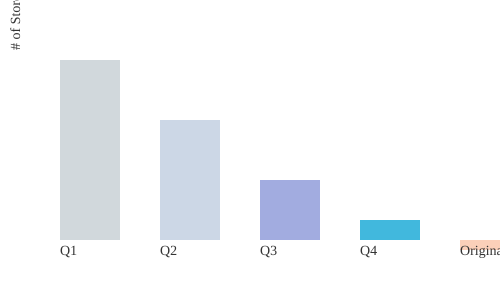
In summary, the real advantage with AI in business 2025 is not in copying, but in identifying and solving problems that others overlook. If you want to succeed, don’t just follow the herd—find your own gap, and use AI to fill it.
Finding Your Weird (and Profitable) Niche: The Only Step That Actually Matters
If you take away one lesson from any AI business case study, it’s this: being the first to solve an unsolved problem is the ultimate shortcut to customer trust. The most profitable AI ventures rarely start with a generic idea—they start with a founder noticing a weird, overlooked micro-niche or a customer frustration that nobody else bothered to fix. That’s exactly what happened with my own AI-powered print-on-demand clothing store on Etsy.
How I Uncovered My Niche (and Why It Worked)
Let’s lift the curtain. One day, while scrolling through Etsy, I realized there were tons of generic dog and cat t-shirts, but almost no clever, breed-specific designs. For example, funny Husky shirts were practically nonexistent compared to the flood of generic “funny dog” tees. That gap was my opportunity. Using AI content creation tools like Midjourney, ChatGPT, and Canva, I created unique Husky (and other breed) designs, then uploaded them to Etsy using print-on-demand apps. The result? Immediate traction—because I was the first to solve a real, specific problem for a passionate group of buyers.
| Case Study | Gap Identified | Result |
|---|---|---|
| AI Print-on-Demand Store | Few funny Husky shirts vs. many generic dog shirts | Fast sales and loyal customers |
| Children’s Book on Amazon KDP | Lack of books introducing kids to money | Passive daily revenue |
| Shopify YouTube Tutorials | Boring/confusing guides; real pain points ignored | Engagement spikes when pain points are solved |
AI for Retail: A Brainstorming Partner, Not an Oracle
It’s tempting to ask ChatGPT or any AI-powered recommendation system for “the best business ideas.” But here’s the thing: AI is far better as a creativity helper than as an idea-generating machine. The best way to use AI content creation tools is to prompt your own ideas, not just regurgitate what’s already out there.
"Ask ChatGPT to ask you questions that pull ideas from your own head."
Instead of asking for generic suggestions, turn ChatGPT into a question-asking machine. Let it interview you about your hobbies, frustrations, and the products or content you wish existed. This process uncovers gaps you (or your friends and family) genuinely care about—often the exact places where real business opportunities hide.
Practical Workflow: Unlocking Your Niche with AI
- Start with your own experiences: What do you wish existed? What annoys you? What do your friends ask for?
- Use ChatGPT to ask targeted questions—about your interests, daily routines, and the content you consume.
- Look for hyper-specific gaps. The less generic, the better. Micro-niches (like funny Husky shirts) can outperform broad markets.
- Remember: Not all gaps are products. Sometimes, the opportunity is in creating better tutorials or more engaging content (think: fixing boring Shopify YouTube guides).
Most AI business insights come from this blend of personal curiosity and smart AI prompting. The secret isn’t in the tool—it’s in the questions you ask and the problems you notice. Use AI to unlock your own creativity, and you’ll find your weird (and profitable) niche faster than you think.
From Blank Page to Money-Making Machine: The Real AI Workflow That Worked (and One That Didn’t)
When you’re building a one-person AI business, the right AI workflow automation can turn a blank page into a steady stream of income. But here’s the truth: there’s no single “magic” stack. The best AI tools for online business are the ones that solve your bottleneck, fit your niche, and keep up with the latest trends. Let’s lift the curtain on the exact workflow that worked for my print-on-demand shop—and where I stumbled when I tried to automate too much.
What Worked: The Three-Tool Combo for Print-on-Demand
My first real success came from a simple, repeatable workflow:
- ChatGPT for catchy slogans and product copy
- Midjourney for original art and illustrations
- Canva for layout, mockups, and final design tweaks
I’d upload these designs to Printify, set my markup, and let their automation handle printing and shipping. Each sale meant passive income, and AI content creation tools made it easy to scale up new listings fast. The key? Originality—using AI as a creative partner, not just a copy machine.
Workflow Isn’t One-Size-Fits-All: Tailor Your Stack
Don’t just copy someone else’s workflow. For example, when I decided to create a children’s book about AI, I needed a different approach:
- ChatGPT to draft the story
- Midjourney for illustrations
- Canva for page layout
- Amazon KDP for publishing and sales
This time, I used Perplexity—an AI-powered recommendation system—to find the latest, most affordable tools. As I like to say:
"I like to use Perplexity for picking AI tools because things change so quickly."
Perplexity crawls Reddit, YouTube, and forums, so you’re not stuck with outdated lists or expensive subscriptions. It helped me discover free trials and up-to-date alternatives, keeping my costs low and my workflow current.
Beware of Over-Automation: My “Oops” Moment
Here’s where things went sideways: I tried to automate everything. I let AI write, design, and even schedule listings without double-checking. The result? Hours lost fixing weird errors—like product descriptions that made no sense or art that didn’t match the product. The lesson: AI is a co-pilot, not an autopilot. Most solopreneurs underestimate the human input needed to smooth over AI mistakes.
Compare: Real-World AI Workflow Stacks
| Workflow | Tools Used | Time (per product) | Cost (per month) |
|---|---|---|---|
| Print-on-Demand Shop | ChatGPT, Midjourney, Canva, Printify | 45 min | $30-$60 |
| Children’s Book | ChatGPT, Midjourney, Canva, Amazon KDP | 8 hrs (full book) | $0-$40 |
| Tool Discovery | Perplexity vs. ChatGPT | 10 min | Free–$20 |
Find Your Best Workflow—And Keep Evolving
AI tool stacks are fluid. New options pop up every month. Use AI-powered search like Perplexity to stay current and filter for price. Many paid AI apps offer free trials, so experiment and see what fits your budget and needs. Remember: the best workflow is the one that solves your actual problem, not just the one everyone else is using.
Traffic Without Tears: Using Other People’s Megaphones and Algorithm Tricks
When you’re building a one-person AI business, the biggest myth is that you need to spend big on ads to get noticed. In reality, the smartest solopreneurs use what I call the “piggyback” theory: put your product or content where the traffic already flows. In 2025, every major platform—Etsy, Amazon, TikTok, Pinterest, YouTube, Instagram—uses AI-powered recommendation engines to surface the best content and products. If you learn how these algorithms work, you can ride their waves for free, sustainable traffic.
Free Beats Paid: Let AI Do the Heavy Lifting
Why pay for ads when you can get discovered organically? AI in online business is now so advanced that almost all discovery is algorithm-driven. For example, on Etsy, my first two sales came within two weeks—no ads, just smart keyword optimization. On TikTok, I saw my New Zealand-specific videos reach the right audience thanks to the platform’s regional AI targeting. Amazon KDP’s genre-based recommendations helped my books find readers without a marketing budget. These platforms want to show users what they’ll love, and their AI-powered recommendation systems are your best friend if you know how to optimize for them.
Optimization Isn’t Magic—It’s a Workflow
Getting your product or content in front of the right eyes isn’t about luck. It’s about following a repeatable workflow:
- Research keywords with Perplexity: Find out what people are searching for in your niche.
- Draft listings or scripts with ChatGPT: Use AI to generate compelling, keyword-rich content.
- Polish with Claude: Make your copy sound natural and engaging for real humans.
"You can create a custom optimization workflow for any popular website to help your product or content win over its algorithm."
Personalization: The New Normal
AI for retail and content discovery is now hyper-personalized. TikTok’s algorithm knows your region and interests—my New Zealand dog breed videos consistently reached local dog lovers. Etsy’s AI-driven sales and marketing tools recommend breed-specific products to shoppers who’ve shown interest. Amazon KDP targets readers by genre and even sub-genre, making it easier for niche authors to find their audience. The key is to create content or products that fill a gap you’ve noticed, then let the algorithms do the rest.
Platform Comparison: Where Should You Piggyback?
| Platform | Monthly Active Users | AI Algorithm Features | Ease of Use for Solopreneurs | Organic Reach Potential |
|---|---|---|---|---|
| Etsy | ~500M | Personalized search, breed-based recommendations | High | Very High |
| Amazon (KDP) | 2B+ | Genre targeting, purchase history | Medium | High |
| TikTok | 1.5B+ | Regional, interest-based video surfacing | High | Very High |
| 450M | Visual search, trend prediction | High | High |
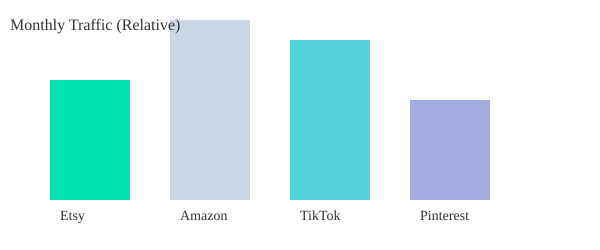
With AI-driven sales and marketing, you don’t need to reinvent the wheel. Place your offer where the traffic is, optimize for the platform’s algorithm, and let the megaphones do the shouting for you. That’s the real power of AI in online business for solopreneurs.
The Optimization Dance: Beating the Algorithm at Its Own Game
If you’ve ever tried to launch a product or piece of content online, you know the harsh truth: being invisible is easy, being found isn’t. Popular platforms like Etsy, YouTube, and Amazon run on complex algorithms that decide what gets seen and what gets buried. For solo founders, this can feel like a rigged game. But with the right AI workflow automation, you can dance circles around the algorithm—and actually get noticed.
Why Optimization Isn’t Just a Buzzword
Optimization isn’t about stuffing keywords or blindly following trends. It’s about building a repeatable process that combines AI-driven sales and marketing tools to create listings that both algorithms and real people love. In my own one-person AI business, I discovered that the secret sauce is layering multiple AI tools, each with a specific job, to get both algorithmic reach and authentic, trust-building language.
My AI Workflow: From Invisible to Irresistible
- Start with Perplexity for Keyword Research: Every listing begins with deep keyword research. Perplexity helps me pull out the real search terms people use—not just what I think they use. This is the foundation for AI-driven brand optimization.
- Draft Optimized Listings with ChatGPT: Next, I feed those keywords into ChatGPT to generate product descriptions, tags, and titles. ChatGPT is fast and thorough, but the copy can sound a bit robotic or generic.
-
Humanize with Claude: Here’s my not-so-secret weapon. I run every draft through Claude, which rewrites the copy to sound natural and engaging. As I often say,
"Claude is great at turning AI-optimized copy into natural-sounding product descriptions."
This step is where AI-driven customer segmentation meets real-world persuasion.
Test, Tweak, and Iterate
Don’t settle for the first version. I always test multiple AI-generated description, tag, and title options. Sometimes, a tiny tweak—like changing a headline or reordering bullet points—can boost organic impressions and sales. In my experience, each optimization iteration increases discoverability, and my first Etsy sales came within two weeks of using this workflow.
What the Algorithms Really Want
- Relevance: AI-driven sales and marketing algorithms reward listings that match what users are searching for. That’s why keyword research is step one.
- Authenticity: Platforms are getting smarter. They can detect robotic, keyword-stuffed content and often demote it. Humanized, conversational copy—especially when polished by Claude—outperforms in sales and conversions.
Pro-Tip: Claude for the Win
Most solopreneurs struggle to make AI-generated content sound real. My informal pro-tip: Claude cleans up cringey AI copy better than anything else I’ve tried. It’s the difference between sounding like a robot and sounding like a trusted friend.
More Human Than Robot: Why It Matters
People can sniff out robotic copy from a mile away. Real sales follow when your listings sound right—warm, clear, and genuinely helpful. That’s the heart of AI workflow automation: using the best of AI-driven optimization, then adding the human touch that builds trust and drives conversions.
| Step | Tool | Purpose |
|---|---|---|
| 1 | Perplexity | Keyword Research |
| 2 | ChatGPT | Draft Optimized Listing |
| 3 | Claude | Humanize & Polish Copy |
Optimization is a dance—one where you lead, and the algorithm follows.
Wild Cards & Tangents: Odd Things I’ve Learned (and How You Can Use Them)
Building a one-person AI business isn’t just about following the rules or copying what’s already out there. Sometimes, the biggest breakthroughs come from the quirkiest places. Here are some unexpected lessons and wild cards from my own journey—plus how you can use them to supercharge your own AI business case study, AI-powered marketing strategies, and AI content creation tools.
Slogan Inspiration Can Strike Anywhere (Even the Breakfast Aisle)
Don’t underestimate the power of random inspiration. I once got a winning slogan idea while staring at a box of Weet-Bix in the supermarket. That offbeat spark led to a product that outperformed my carefully optimized campaigns. The lesson? Stay open to ideas from everyday life. Sometimes, the weirdest idea is the one customers can’t resist.
Not Every Automation Is Progress—AI Makes Mistakes Only You Can Fix
AI tools are amazing for automating repetitive tasks, but don’t trust them blindly. I learned this the hard way when my automated print-on-demand workflow produced a batch of t-shirts with the design printed upside-down. The AI didn’t catch it—only a manual double-check saved me from a customer service disaster. Always keep a human eye on your AI-powered marketing strategies, especially when it comes to quality control.
Region-Specific Content Gets You Unfair Wins
Here’s a secret: ultra-local and hyper-specific content can outperform generic, “global” attempts by a mile. If you’re from New Zealand, lean into your Kiwi-ness. For example, I once created a meme-inspired dog sweater featuring a Kiwi-themed dinosaur. It caught local attention and went viral, outselling my “optimized” products by 10x for a short window. AI content creation tools won’t prompt these ideas unless you feed them your unique regional flavor.
Embrace the Quirky, Odd, and Ultra-Local—AI Needs Your Human Touch
AI for personalized marketing is powerful, but it can’t read your mind or know your community’s inside jokes. Customers often want something quirky, odd, or ultra-local—details only you can provide. If you want your AI business case study to stand out, don’t be afraid to get weird and personal. Feed your AI those hyper-specific hints, and watch your engagement soar.
Tiny Workflow Tweaks Can Move the Needle
Sometimes, a single tweak—like adding a local keyword or testing a new UX element—can make a huge difference. For example, swapping out a generic call-to-action for one with a local slang term increased my click-through rate overnight. Don’t be afraid to experiment with small changes; serendipity and imperfection can spark viral results in AI-based businesses.
Wild Card: The “Dog Sweater Meme Generator”
Here’s a free idea: imagine a tool that lets people generate custom memes for their dogs’ sweaters. It’s weird, it’s fun, and it’s exactly the sort of thing that can go viral—especially if you tap into local humor or trends. Feel free to steal this idea, or better yet, use it as inspiration to brainstorm your own offbeat AI-powered marketing strategies.
Sometimes, the weirdest idea is the one customers can’t resist.
In short, the most successful AI businesses aren’t always the most polished or data-driven. They’re the ones that embrace the wild cards, the tangents, and the personal quirks. Find your edge, get creative, and let your odd ideas lead the way.
FAQ: The Unfiltered AI Solopreneur’s Cheat Sheet
Do I need coding skills to start an AI-powered online business?
Absolutely not. One of the biggest shifts in the AI business case study landscape is the rise of codeless, user-friendly tools. Platforms like ChatGPT, Perplexity, and Canva are designed for non-coders. You can build, launch, and automate your workflows without writing a single line of code. The real skill is knowing how to experiment, adapt, and connect these tools to solve problems creatively.
How much does it cost to start?
The honest answer: you can get started with almost nothing. Many AI tools for online business—including ChatGPT, Perplexity (an AI-powered search engine that pulls in fresh insights from Reddit, YouTube, and more), and Canva—offer free versions or generous trials. Your main costs will be marketplace fees (think Etsy, Amazon KDP, or Printify), which usually take a small cut per sale. If you want to scale or unlock premium features, budget $20–$50/month, but you can absolutely validate your idea for free or nearly free.
What if someone copies my idea?
It happens. The barriers-to-entry for AI-powered solopreneurship are dropping fast, and copycats are everywhere. But here’s the truth: you still have the edge if you solve a different (or weirder) problem, or if you bring a unique voice. Micro-niches and authenticity matter more than ever. If someone copies you, it’s a sign you’re onto something. Keep experimenting and stay a step ahead.
How quickly can I make sales?
If you’re in the right niche and move fast, you could see your first sale within 1–2 weeks. That’s not hype—it’s what I experienced, and what many others report in AI business case studies. Sometimes it’s even faster (one day, if you’re lucky and hit a hot trend). The key is using up-to-date tools like Perplexity to spot what’s trending and needed right now.
Which mistakes should I expect?
- Automation gone weird (AI does the wrong thing, or nothing at all)
- Wrong AI recommendations (sometimes the “best” tool isn’t the best for you)
- Manual fixes (you’ll need to jump in and patch things up—embrace it!)
- Regional quirks (marketplaces and tools may behave differently depending on your country)
"If you’re not making any mistakes, you’re probably not really experimenting."Mistakes are part of the process. The ability to adapt and learn from them is what sets successful solopreneurs apart.
What’s the future for AI one-person businesses in 2025?
Expect even more AI tools for online business, more micro-niches, and a bigger need for authenticity. The market will get noisier, but the solopreneurs who win will be those who confidently carve out their own space and keep experimenting. Passive income is possible, but automation mistakes and manual tweaks will always be part of the journey. In short: more tools, more opportunity, and more room for your unique approach.
What does a typical AI solopreneur tool stack look like?
| Tool | Purpose | Cost |
|---|---|---|
| ChatGPT | Content, ideation, automation | Free / Paid |
| Perplexity | Up-to-date research, trend spotting | Free |
| Canva | Design, branding | Free / Paid |
| Printify, Amazon KDP | Product fulfillment, publishing | Free to start |
| Claude | AI-powered writing, analysis | Free / Paid |
With these tools, you’re ready to build, launch, and grow—no code required.
Conclusion: Build Your Own Unorthodox AI Business — and Don’t Wait for Permission
If you’ve made it this far, you already know: the path to solo AI-powered success in 2025 isn’t straight, smooth, or even logical. But here’s the secret — it’s wide open for anyone willing to experiment, get a little messy, and let their originality shine. The future of AI in business 2025 belongs to those who don’t wait for permission, but instead carve out their own space, quirks and all.
Throughout this journey, you’ve seen how building a one-person AI business is less about being a robot and more about using AI as a tool, not a crutch. The most successful solo founders aren’t the ones who chase every shiny tool or obsess over perfect automation. They’re the ones who blend human personality with data-driven agility, creating something that can’t be easily copied or replaced. In a world where AI-driven analytics and automation are available to everyone, originality is your moat.
Here’s what the research and real-world stories show: solo AI entrepreneurs report higher satisfaction and revenue when they focus on originality and the human touch, rather than just efficiency. The trend for AI adoption in 2025 is clear — fragmentation, micro-niches, and authentic personal brands matter more than ever. The businesses that stand out are the ones that solve a gap only they see, embrace messy workflows, fix what the bots mess up, and use their quirks like a secret weapon.
So, what does this mean for you? Don’t just copy what’s already out there. Instead, ask weird questions, launch before you feel ready, and treat imperfection as an asset, not a flaw. AI is a superpower, but it’s not magic. The real magic happens when you marry machine strengths with human messiness — your personality, your regional flavor, your unique way of seeing the world. As you explore the growing universe of AI tools (and yes, there are more than just ChatGPT), remember that the best tool is the one that fits your workflow and amplifies your quirks.
Here’s a quick tip you should definitely know: let your inner oddball lead. That’s what gets customers’ attention — and sometimes, their dollars. In a crowded market, “un-generic” is your best strategy. As one founder put it,
"Let your quirks be your calling card."Don’t be afraid to launch with imperfection, to show your process, to let your personality bleed through every touchpoint. The world doesn’t need another bland, AI-generated business. It needs your voice, your perspective, your willingness to fix what the bots get wrong.
The curtain is lifted: building a solo AI business in 2025 is about risk, imperfection, and relentless experimentation. It’s about using AI as leverage — not as an excuse for blandness. If you’re waiting for permission, you’ll be waiting forever. The future belongs to those who go for it, who build something distinctly their own, and who aren’t afraid to be a little unorthodox.
So, take the leap. Experiment. Let your quirks lead. Your own AI-powered success story is waiting — and you don’t need anyone’s permission to begin.
TL;DR: You don’t need a team (or a crystal ball) to launch a unique AI-powered business by 2025 — just real-world problem-spotting, creative workflows, and a contrarian spirit. Start small, use your own quirks, and let the robots do your bidding — just don’t forget your human edge.
Post a Comment