

I once spent three New Year's Eves in a row drafting the same old list—lose weight, start meditating, learn to say no—and each year, I’d stare at that crumpled list come December, seeing more of the same but feeling less of myself. It hit me that maybe real change doesn’t come from waiting or from world-class planners. Maybe it’s messier, more visceral, demanding of actual decisions and the guts to torch your excuses. That moment—the one where you finally declare ‘enough’—is the spark that rewrites your story. If you’ve been living a faded replica of last year, this post is a dare to step through your own door to transformation.
1. The Illusion of Time: Why Waiting Doesn’t Change You
It’s easy to believe that time alone will change you. We tell ourselves, “Next year, I’ll be different.” We wait for a new job, a new relationship, a new season—hoping that the simple passing of days will magically deliver a new life. But here’s the truth: time does not resurrect you. It doesn’t hand you a new mindset, a new identity, or a new sense of purpose. If you keep walking with the same old legs and the same old mindset, you’ll keep ending up in the same old place.
Most people replay the same habits, year after year, expecting something magical to shift on its own. This is the comfort zone of procrastination, reinforced by cultural myths that tell us “good things come to those who wait.” But the reality is, waiting doesn’t change you—decisive action for change does.
Why Decisive Action for Change Matters
Personal transformation strategies don’t start with the calendar. They start with a radical decision: I will not live one more day the same way. You don’t need another year of learning, another month of thinking, or another week of preparation. What you need is a decisive choice to step forward, even if it’s uncomfortable.
'Opportunity is not for those who wait. It’s for those who create it.'
Let’s be honest—how many times have you bought a new self-help book, thinking it would be the one to finally change your life? (I’ve been there. My bookshelf is a shrine to “someday.”) But reading about change isn’t the same as choosing change. If you’re not careful, you can spend years preparing, planning, and waiting for the “right moment”—which never arrives.
A Personal Anecdote: The Cost of Waiting
For nearly a decade, I told myself I was “waiting for the right moment” to leave an unfulfilling job. I convinced myself that with enough time, things would improve, or I would somehow become braver. But nothing changed—because I didn’t change. The day I finally decided, “No more,” and handed in my resignation, everything shifted. That single, uncomfortable act did more for my personal growth than all those years of waiting combined. This is the power of a self improvement mindset: letting go of the old script and daring to write a new one.
Waiting vs. Acting Now: The Real Outcomes
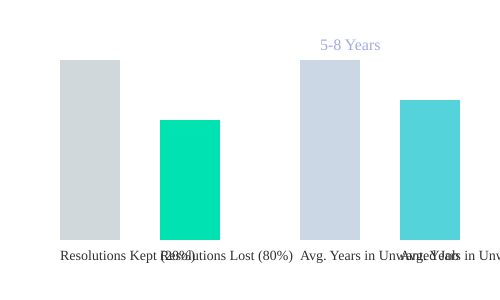
- Waiting: Leads to years in unsatisfying situations—on average, people stay 5-8 years in unwanted jobs or relationships.
- Acting Now: Creates momentum, opens doors, and builds confidence through action.
The Numbers Don’t Lie
Only about 20% of people maintain their New Year’s resolutions after six months. The rest? They fall back into old patterns, proving that time and intention alone are not enough. It’s the action that counts.
Don’t let the illusion of time hold you back. Real personal transformation strategies begin with a mindset shift and a single, radical act. The only thing standing between you and extraordinary growth is the decision to start—right now.
2. Burn the Old Script: Letting Go of Your Faded Identity
No one evolves by clinging to their past. Your identity is not a birthmark—it's a script you wrote, line by line, through repeated choices, beliefs, and habits. The good news? Anything constructed can be deconstructed. This is the heart of letting go of old identity—the first and most vital step in any real personal transformation strategy.
Change Begins by Removing, Not Adding
We often believe that growth means adding more: more skills, more knowledge, more hustle. But true self development skills start with subtraction. You cannot become a new version of yourself if you’re still wearing your old identity like a faded coat. As the saying goes,
“You can’t fly if you’re still shackled.”
Surviving vs. Growing: Why Your Old Identity Holds You Back
Your old identity helped you survive. It got you through tough times, protected you from pain, and gave you a sense of belonging. But survival is not the same as growth. The very habits and mindsets that once kept you safe can now sabotage your progress. Most people don’t stay stuck because they lack dreams—they stay stuck because they lack the courage to let go of what no longer fits.
Identity Is a Choice—And So Is Letting Go
You weren’t born with a fixed identity. You built it through 200+ repeated choices, beliefs you accepted, and the stories you told yourself. Because you created it, you have every right to change it. The difference between those who transform and those who remain stuck isn’t the number of failures—it’s the willingness to cut ties with a version of themselves that no longer fits.
Symbolic Ritual: Burn the Old Script
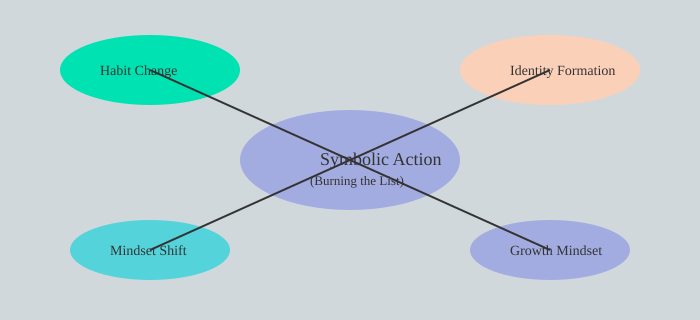
Transformation isn’t just a mental exercise. Symbolic actions can make change real. Research shows that 57% of people who perform a symbolic ritual—like burning a list of limiting beliefs—successfully change a significant habit. Here’s a simple, powerful ritual:
- Take a blank sheet of paper.
- Write down every habit, mindset, and belief that’s been holding you back. No excuses. No sugarcoating.
- Read the list out loud. Feel the weight of each word.
- Destroy the list—burn it, tear it up, or bury it. Do it with intention.
I once wrote my own list and burned it over the kitchen sink. Nearly set off the smoke alarm—messy, but unforgettable. That act marked a turning point. It wasn’t just about the fire; it was about telling my subconscious, “I am done.”
The Power of Symbolic Gestures in Personal Transformation
Symbolic actions work because they create a milestone in your mind. They signal to your brain that the old story is over. The next time your old identity whispers, “This is just how you’ve always been,” you can remember the moment you burned that list and say, “No, I don’t live there anymore.”
What If Your Old Story No Longer Mattered?
Imagine waking up tomorrow with no attachment to your old story. What would you do if you weren’t held back by fear, procrastination, or the need for approval? This is the freedom that comes from letting go of old identity and embracing new self development skills.
3. When Comfort Becomes a Cage: Embracing Discomfort for Growth
Comfort feels safe, but it can quietly trap your potential. The truth is, the life you dream about isn’t born from ease—it’s forged in the moments you reject unnecessary comfort. Every time you reach for your phone to scroll mindlessly, or sip another coffee to delay your work, you’re trading away the strength you need for the life you truly deserve. Embracing discomfort for growth is not just a catchy phrase; it’s the foundation of self-mastery techniques and the key to building resilience through discomfort.
Comfort Isn’t Always Your Friend
It’s easy to believe that comfort is your ally. But comfort, when unchecked, becomes a cage. It keeps you stuck in old patterns, numbing you to the possibilities that lie just beyond your current habits. The small, easy choices—sleeping in, eating for comfort, waiting for motivation—are seductive. But every time you choose what’s easy and unaligned with your bigger goals, you reinforce patterns of weakness and delay.
Story: Cold Showers and Breaking the Comfort Habit
Let me share a personal story. There was a time when I realized I was chasing comfort at every turn. To break this cycle, I started taking cold showers every morning. The first week was awful—my mind screamed for warmth, for the old routine. But something happened. Each day I stepped into that discomfort, I felt my resilience grow. I learned firsthand that building resilience through discomfort is like training a muscle. The more you do it, the stronger you become. Soon, other hard things in life felt more manageable. That’s the power of embracing discomfort for growth.
Discipline: The Muscle No One Can Give You
Discipline isn’t built through slogans or waiting for motivation. It’s forged in boring repetition, in the small choices no one sees. The undisciplined believe they need motivation to act. The disciplined understand that action creates motivation. When you wake up and feel like doing nothing, that’s not a reason to delay—it’s your opportunity to train your discipline muscle. You are not a victim of your emotions. You decide what gets to influence you.
"Discipline is not blind harshness. Discipline is deep love for a future that’s worth it."
Data: The Power of Deliberate Discomfort
| Behavior | Percentage |
|---|---|
| People who quit new routines within 2 weeks | 80% |
| People who maintain habits after deliberately introducing discomfort | 32% |
Surprisingly, most high-achievers credit their formative growth to periods of intense discomfort. The data is clear: when you deliberately introduce discomfort, your chances of lasting change dramatically increase.
Building Resilience and Self-Mastery Techniques
- Say no to what’s easy but unaligned with your goals.
- Train your discipline muscle with small, daily acts of discomfort.
- Set unbreakable rules—always choose the harder thing when faced with two options.
- Remember: every time you say no to an old habit, you’re saying yes to a higher version of yourself.
The difference between those who change their lives and those who only talk about change lies in the ability to say no to ease and yes to necessity—even when no one sees it, even when you don’t feel like it. Self-mastery techniques start with this simple truth: comfort is the sweetest trap, and most never escape. But you are different. You can choose discomfort and build the resilience that leads to lasting personal growth.
4. Decision Over Intention: The Bridge Between Wanting and Changing
Intention is easy. Commitment is terrifying—and life-altering. Most people live in the world of intention, telling themselves, “I want to eat healthier,” or “I’ll start working out soon.” But when you decide for real, everything inside you shifts. You stop asking, “Can I do this?” and start asking, “How do I make sure I never go back?” That is the difference between someone who lives with intention and someone who lives with commitment. As a personal growth coach will tell you, intentions can shift with emotions, but commitment stays unchanged even when your emotions crash.
Intentions can shift with emotions, but commitment stays unchanged even when your emotions crash.
If you truly want to change, abandon vague intentions. Make a vow. Write it down. Declare it aloud and turn yourself into someone with no path of retreat. You cannot step into a new chapter of life if you keep your hand stuck on the old page. The only miracle you can truly believe in is when you completely transform the way you think, the way you choose, and the way you act—starting from this very moment.
From Intention to Commitment: The Power of a Single Decision
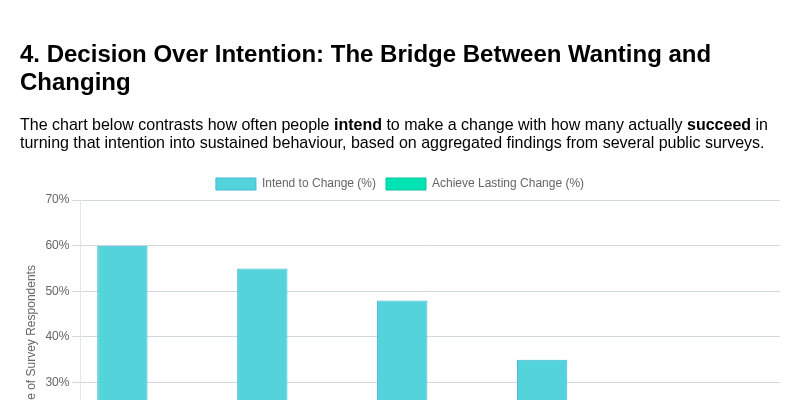
Research shows that while 60% of people intend to eat healthier, only 14% succeed. The same pattern repeats across goals: 55% intend to exercise regularly (13% succeed), 48% want to save more money (11% succeed), 42% aim to read more books (9% succeed), and 38% plan to learn a new skill (7% succeed). The gap? Most stop at intention. Effective goal setting techniques used by successful individuals focus on turning intentions into unbreakable commitments—daily, visible, and non-negotiable.
| Personal Declaration | Real-World Impact |
|---|---|
| “I will not eat sugar for 30 days.” | Lost 10 pounds, improved energy, built self-trust. |
| “I will write 200 words every morning.” | Finished a book draft in 6 months. |
| “No phone after 9pm.” | Better sleep, more focus, less anxiety. |
| “I will speak up in every meeting.” | Promotion at work, increased confidence. |
Mini-Challenge: Your One-Sentence Declaration
Today, don’t make another to-do list. Don’t draft another 10-page plan. Instead, write a single sentence that captures your commitment. Say it aloud every morning. This is how you start creating a disciplined lifestyle—not by wishing, but by deciding.
Story: The Wallet Declaration
A friend of mine once wrote, “No more living small,” on a scrap of paper and carried it in their wallet. Every time they felt doubt, they touched that paper. It became a silent promise, a daily ritual. Over time, they stopped needing validation from others. They became quieter, but more resolute. The world noticed—not because they announced their change, but because they lived it.
When you stay loyal to your decision to rebirth yourself, you won’t need anyone to understand. You’ll only need yourself to believe. That is the bridge between wanting and changing. Make your decision. Burn the old script. Let your ordinary decision ignite extraordinary personal growth.
5. Unseen Muscle: The Power of Daily Habits and Self-Talk
When you think about transformation, it’s easy to imagine big, dramatic moments. But the truth is, real change is built on the small, unseen decisions you make every single day. These are your daily habits for self mastery—the invisible muscle you train when no one is watching. Waking up on time, finishing your tasks without applause, pushing through a workout, or learning a new skill in silence—these actions are the backbone of dramatic change.
Small Actions, Massive Impact
Most of your life is shaped by the choices you make on autopilot. Research shows you make about 35,000 decisions each day, and nearly 45% of them are automatic or habitual. These micro-decisions either build you up or quietly drain your strength. Every time you choose to scroll through social media instead of working, or read meaningless news instead of learning, you’re making a decision that shapes your future.
| Type of Daily Choice | Builds Discipline | Undermines Discipline |
|---|---|---|
| Morning Routine | Wake up on time, make your bed | Hit snooze, stay in bed |
| Work Habits | Start tasks promptly | Procrastinate, delay work |
| Leisure Time | Read, learn, exercise | Mindless scrolling, passive TV |
| Self-Talk | Encourage, challenge yourself | Criticize, doubt your abilities |
Systems for Maintaining Discipline
Discipline isn’t something you’re born with. It’s not a gift, and it can’t be handed to you. It’s forged in the quiet repetition of small choices—especially when no one is watching. The disciplined understand a simple truth: “Action creates motivation.” You don’t wait to feel inspired; you act first, and the motivation follows. This is the logic of those who go far. When you wake up and feel like doing nothing, that’s not a reason to delay—it’s your chance to train your discipline muscle.
The Importance of Self Talk in Transformation
How you speak to yourself matters more than you think. Your self-talk in front of the mirror becomes your reality. If you constantly tell yourself you’re not good enough, you reinforce those limits. But if you practice direct, honest conversation with yourself—acknowledging your struggles and encouraging your growth—you start to break those patterns.
I remember the first time I actually talked to my reflection. It felt awkward, almost silly. But I looked myself in the eye and said, “You can change. You’re not stuck.” Over time, that honest self-talk became a powerful tool. It helped me reject unnecessary ease and push through the moments when comfort tried to hold me back.
Resilience Through Routine
Routines and daily systems are your foundation. They help you reject the instinct for ease and build the strength you need for the life you deserve. Every cup of coffee you sip to delay your work, every second spent in mindless habits, silently drains your potential. But every small act of discipline—every time you choose growth over comfort—adds up.
The disciplined understand that action creates motivation.
6. The Hidden Architect: Structuring a Life That Outlasts Motivation
You can’t build a castle on a rotten foundation. Before you add anything new—knowledge, skills, or beliefs—you must clear the old ground. This is the first principle of successful individuals: discard before adding. Imagine yourself as an architect, unafraid to demolish, unbothered by outdated designs, because you know what you are about to build is worthy of your boldness. This is where all true personal development begins.
You are fully capable of rebirth. But only if you dare to destroy what no longer serves the bigger journey you’ve chosen.
Old Operating Systems vs. Growth-Oriented Systems
| Old Habits & Identities | Growth-Oriented Systems |
|---|---|
| Reacting to moods and motivation | Relying on structured routines |
| Comfort-driven choices | Deliberate, value-based actions |
| “I’ll do it tomorrow” mindset | Immediate, consistent follow-through |
| Random, unfocused effort | Systems for maintaining discipline |
Step One: Clear Space for New Growth
Every new chapter in your life starts with a bold, definitive sentence: I am no longer who I was yesterday. But it’s not enough to say it—you must act as if it’s already true. This means letting go of the right things. Stop repainting an outdated version of yourself. Step out of it completely. Burn the mask you’ve worn for far too long and stand there, honest and unguarded, with the truth.
Practical Steps for Your Identity Reboot
- Identify the habits, beliefs, and routines that no longer serve your personal development goals.
- Disassemble them—remove triggers, change your environment, and disrupt old patterns.
- Replace with new, growth-oriented systems: set up routines, plan your nutrition, and design daily rituals that support your goals.
- Reinforce these systems through repetition and accountability. Remember, the success rate for lasting habit change jumps to 68% when you clear out old patterns first.
Body Language: Your Mindset in Motion
Your posture and daily movement are silent reflections of your inner mindset. Stand tall, move with intention, and treat your body with respect. These physical cues reinforce your new identity and signal to your brain that you are serious about self-mastery. Every step, every gesture, is a vote for the person you are becoming.
Design Systems, Don’t Chase Inspiration
Principles of successful individuals are rooted in systems for maintaining discipline—not in waiting for motivation to strike. Nutrition, sleep, and structured routines are the scaffolding that supports your personal development goals. Every time you choose comfort or say, “I’ll do it tomorrow,” you’re teaching your mind to delay responsibility. Instead, build systems that make discipline automatic and growth inevitable.
Wild Card: Architect Your Reboot
Imagine your personal reboot like an architect razing an old building to make way for a skyscraper. This isn’t about doing more—it’s about letting go of what’s outdated, so you can construct something extraordinary. No one else can do this for you. The ceremony of transformation is yours alone—performed with seriousness, like a warrior cutting off the dead to save what’s still alive.
7. Imperfect Forward: Progress Over Perfection
Why You Don’t Have to Like the Process—Just Repeat It
You don’t have to love every step of your self improvement mindset journey. In fact, most people who achieve extraordinary growth don’t always feel inspired or motivated. The secret? They show up anyway. They repeat the process—especially on the days it feels pointless or hard. That’s how change takes root. Discipline is built in the moments you want to quit, not when you’re riding a wave of motivation. Every time you choose to get out of bed instead of hitting snooze, or finish a task you’d rather avoid, you’re laying another brick in the foundation of your future self.
The Motivation Myth: Why Waiting to Feel Ready Holds You Back
There’s a common myth that you need motivation before you can start. But the truth is, action creates motivation—not the other way around. The disciplined understand this: “Act first, feel later.” When you wake up and feel like doing nothing, that’s not a sign to delay. It’s your opportunity to train your discipline muscle. The world’s most effective productivity hacks and daily rituals for success are built on this principle. You don’t wait for inspiration; you build it through consistent, imperfect action.
Celebrate Small, Uninspiring Wins—They’re the Real Game Changers
Transformation isn’t about grand gestures. It’s about the small, often uninspiring wins that stack up over time. Did you resist the urge to procrastinate today? Did you make your bed, write a single paragraph, or choose a healthy snack? These tiny victories are the backbone of a self improvement mindset. Research shows that 77% of major life goals are achieved through daily repetition, not sporadic effort. Every time you say no to an old habit, you’re saying yes to a higher version of yourself. There’s no such thing as a neutral choice—you’re always training either resilience or delay.
Imagine: What Will Your Future Self Thank You For?
Pause for a moment. Imagine the future you—five years from now. Will they thank you for another excuse, or for taking that messy first step today? The path to lasting change is unpredictable and messy. You’ll slip, you’ll stumble, but relentless, imperfect action is what rewrites your story. Forgive your slips. Focus on showing up, not on being flawless.
“Act first, feel later.”
Wild Card: A Letter from Your Future Self
Dear Present Me,
Thank you for every time you chose the harder thing, even when no one noticed. Thank you for getting up early, for saying no to what was easy but unaligned. I know it wasn’t glamorous. I know you didn’t always feel like it. But every small, disciplined action built the life I now enjoy. Keep showing up. Keep choosing progress over perfection. You’re not just changing your habits—you’re changing your destiny.
With gratitude, Future You
Key Takeaways for Your Self Improvement Mindset
- You don’t have to like the process—just repeat it until change takes root.
- Motivation follows action, not the other way around.
- Celebrate small, daily wins—they’re the real productivity hacks.
- Forgive your slips, but never stop moving forward.
- Your future self is counting on you to choose progress, not perfection.
Let your daily rituals for success be your anchor. When faced with two options, always choose the one that aligns with your bigger goals—even if it’s the harder path. That’s how you overcome anxiety and stress, and build a life you’ll be proud of.
8. FAQ: Your Burning Questions on Becoming Unrecognizable (in the Best Way)
When you commit to personal development and self improvement, it’s natural to have questions—especially when you’re letting go of your old identity. Here, we address the most common concerns, blending honest advice with the inspiration you need to keep moving forward.
What’s the first step in breaking old patterns?
The first step is awareness. You can’t change what you don’t notice. Start by observing your habits, thoughts, and reactions without judgment. Research in behavioral psychology shows that self-awareness is the foundation of all change. Once you recognize the “old script” you’ve been following, you can begin to write a new one—one small, conscious choice at a time. Remember, you don’t have to overhaul your life overnight. Even the smallest shift in your daily routine can spark extraordinary personal growth.
How can I stay motivated after the first wave of inspiration?
It’s easy to feel fired up at the beginning, but motivation can fade. The secret is to focus on your “why.” Remind yourself daily why you want to become unrecognizable—in the best way. Set clear, meaningful goals and celebrate small wins. Studies show that tracking your progress and reflecting on your growth can reignite your drive. When motivation dips, lean on discipline and routines to carry you through.
Is it really necessary to make such a dramatic break with the past?
Not always. Some people need a bold, symbolic gesture—like burning the old script—to signal a new chapter. For others, gradual change feels safer and more sustainable. The key is intention. Whether you take a leap or inch forward, what matters is that you’re choosing growth over comfort. As the saying goes, “You are no longer who you were yesterday.” Act as if your transformation is already underway, and soon, it will be.
What if my environment or relationships pull me back?
Change can be challenging when those around you expect you to stay the same. It’s important to communicate your intentions and set boundaries. Surround yourself with people who support your journey, even if that means seeking new communities. Remember, your environment shapes your habits. If you can’t change your surroundings, change how you respond to them. Over time, your consistency will speak louder than words.
How can I reset after a setback?
Setbacks are not failures—they’re feedback. Every stumble is a chance to learn and adjust. Research on resilience shows that those who bounce back fastest are the ones who practice self-compassion. Forgive yourself, reflect on what happened, and recommit to your path. The journey of self improvement is not linear; it’s a series of resets and renewals.
Are daily rituals more important than big changes?
Absolutely. While dramatic shifts can be powerful, it’s your daily rituals that shape your identity over time. Consistent, small actions compound into lasting transformation. Think of your rituals as the new script you’re writing—one that aligns with your vision of who you want to become.
Is burning the ‘old script’ really necessary?
The act of “burning the old script” is symbolic. It’s about letting go of limiting beliefs and outdated stories. You don’t have to literally destroy anything, but you do need to release what no longer serves you. This act—whether physical or mental—marks your commitment to personal development and signals to yourself that you’re ready for the next chapter.
In the end, becoming unrecognizable isn’t about erasing your past—it’s about honoring your growth. Every decision to let go, to reset, and to act as if you’re already changed is a step toward your extraordinary future. You are no longer who you were yesterday, and that’s the beauty of personal growth.
TL;DR: You don’t evolve by waiting for the right time. Radical personal growth requires a bold, immediate decision, the willingness to shed outdated habits, and the discipline to act even when no one’s watching. Burn the old scripts holding you back and build new ones, one intentional (and sometimes uncomfortable) decision at a time.
Post a Comment