

Imagine blitzing your YouTube channel with 32.7 million views in a single month—not by chasing fleeting viral hits but by mastering a deeper, strategic approach to influence. I stumbled on this secret after years of fumbling with content that just didn’t stick. Today, I want to share with you my cutting-edge framework called SPCL, which transforms content from mere noise to magnetic connection. Let’s unpack how to build influence that not only attracts eyes but compels action.
The SPCL Framework: A Fresh Lens on Influence
When it comes to building influence online, most creators focus on chasing views and viral moments. But true influence isn’t just about how many people see your content—it’s about how many people actually take action because of it. That’s where the SPCL framework comes in: a four-part approach that redefines how you think about content creation strategies for real, measurable impact.
What Is the SPCL Framework?
SPCL stands for Status, Power, Credibility, and Likeness. These are the four core pillars that drive meaningful influence, going far beyond surface-level metrics like views or likes. Each element works independently, but when you stack them together, your ability to shape behavior and drive results multiplies dramatically.
- Status: Control over scarce resources or reinforcers.
- Power: The ability to affect outcomes or decisions.
- Credibility: Trustworthiness and proof of expertise.
- Likeness: Relatability and personal connection.
Operationalizing Influence: Proof Over Promises
One of the biggest mistakes in content creation strategies is relying on vague promises or emotional language. The SPCL framework takes an operational approach—meaning, you focus on what you can actually see and measure. As the framework’s creator explains, “I like to look at objective reality and describe how you would see it with your eyes rather than try and put a whole bunch of emotional words around stuff.” This shift makes influence tangible and predictable, not just a feel-good concept.
Status: Control Over Scarce Resources
Let’s break down the first pillar: Status. In the words of the framework’s creator:
Status is someone who controls reinforcers in a given environment.
Think of the bartender at a packed bar. The bartender controls access to drinks—a scarce resource everyone wants. In that setting, the bartender has status. But step outside the bar, and that status disappears. The influence is situational and directly tied to the resource controlled. This is a powerful reminder that influence is not universal—it’s contextual.
Stacking SPCL: Multiplying Your Influence
While each element of SPCL can create influence on its own, the real magic happens when you combine them. For example, someone who only has status (like a kid who inherits money) will have some influence. But if that same person also demonstrates credibility—say, by consistently giving winning investment tips—their influence skyrockets. The more SPCL elements you stack, the greater your power to drive compliance, not just attention.
Real-Life Success: The $100 Million Book Launch
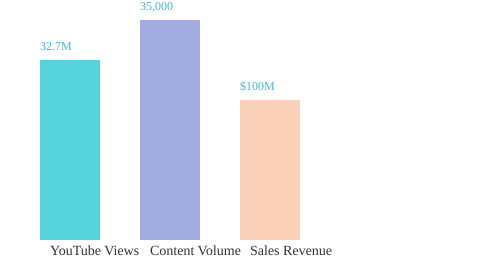
The SPCL framework isn’t just theory—it’s proven in practice. Consider these recent results:
- 32.7 million YouTube views in a single month
- 35,000 pieces of content posted in a year
- $100 million in book launch revenue in just 72 hours
This explosive growth wasn’t achieved by chasing views alone. Instead, it was the result of stacking all four SPCL elements: demonstrating status through control of valuable knowledge, wielding power to shape industry conversations, building credibility with real results, and fostering likeness through relatable storytelling. This approach turned eyeballs into action—proving that influence equals compliance, not just views.
Influence Is Compliance, Not Just Eyeballs
It’s easy to get caught up in vanity metrics. But the SPCL framework challenges you to measure influence by the likelihood of behavioral compliance—how many people actually do what you recommend. This fresh lens transforms your approach to building influence online and ensures your content creation strategies are designed for real-world impact, not just digital applause.
Decoding Status and Power: Foundations of Persuasive Content
To unlock true influence in content creation, you need to understand the difference between status and power—and how they work together to build credibility and trust online. These two elements are the backbone of effective content creation strategies for 2026 and beyond. Let’s break down what each means, how they interact, and why combining them is essential for building influence online.
Status: Control Over Scarce and Desired Resources
Status is about controlling something that others want but can’t easily get. In the context of social media and digital influence, this could be access to information, exclusive experiences, or even a unique skill set. When you have status, you’re seen as someone who holds the keys to something valuable.
- Bartender at a Busy Bar: Imagine a bartender during peak hours. They control access to drinks—a scarce resource in that moment. Their status is high because everyone wants what they have, but this influence is situational and temporary.
- Trust-Fund Kid Scenario: Consider someone who inherits wealth. They have status due to their resources, but if they haven’t demonstrated any ability to create or grow that wealth, their influence is limited. People may respect their position, but not necessarily follow their advice or emulate their actions.
Status alone can open doors, but it doesn’t guarantee lasting influence. It’s often dependent on context and can be fleeting if not backed by something more substantial.
Power: The Say-Do Correspondence
Power, on the other hand, is about your ability to influence others’ actions and reinforce trust through consistent, positive outcomes. As highlighted in behavioral dynamics,
Power comes from something in the behavioral dynamics world called say-do correspondence.
This means that when you say something and your audience acts on it—and then experiences a positive result—they are more likely to trust you and comply with your future recommendations. This cycle of promise, action, and reward is what truly builds power.
- 10 Crypto Coin Picks Example: If you recommend ten coins, your followers invest, and those coins rise in value, you’ve demonstrated power. Your audience now sees you as someone whose advice leads to real, positive outcomes.
Unlike status, power is earned through repeated, reliable delivery. It’s not about what you have, but what you can help others achieve.
Inherited Status vs. Earned Power
There’s a crucial difference between inherited status and earned power. Money or position can give you status, but only consistent, proven results grant you power. For example, a trust-fund kid may have status, but a successful entrepreneur who repeatedly launches winning projects has both status and power—making them far more influential.
Credibility Through Demonstrable Success
When you achieve something significant and can show tangible results, you gain credibility. For instance, launching a book and generating over $100 million in sales is a clear, observable achievement. This not only boosts your status (because you now control a resource—knowledge or a method—that others want) but also your power, since you’ve proven your ability to deliver results.
- Sales Achievements: “When we launched the book, we did $100 million plus in sales.” This kind of success is hard to fake and instantly elevates your credibility and influence.
- Visual Proof: Ads featuring a $10 million building in the background serve as undeniable evidence of achievement, making your claims more believable and your influence stronger.
Content Creation Strategies: Showing Tangible Proof
To maximize your status power credibility likeness online, always anchor your content in real, demonstrable results. Audiences are drawn to creators who can show—not just tell—how they control valuable resources and deliver on their promises. This approach fosters deeper trust and engagement, setting you apart in a crowded digital landscape.
Credibility and Likeness: The Heartbeat of Authentic Connection
Credibility: The Power of Third-Party Validation
When it comes to building influence online, credibility is your foundation. In the world of social media and content creation, credibility isn’t just about what you say—it’s about who or what backs you up. Think of credibility as third-party validation and verifiable proof. When a respected authority or organization recognizes your achievements, your audience’s trust in you skyrockets.
For example, imagine launching a book and having Guinness World Records judges on-site to verify your $100 million book launch. That external validation isn’t just a badge of honor—it’s a trust signal that tells your audience, “This is real, and it’s recognized.” This kind of proof is more powerful than any self-proclaimed success. Research shows that external validation enhances credibility and trust, making your audience more likely to engage with your content, attend your webinars, or buy your products.
| Validation Type | Impact Example |
|---|---|
| Guinness World Records | Book launch verified at $100 million |
| Audience Demographics | 89% male audience in specific content niche |
Likeness: Relatability Through Shared Traits
While credibility builds trust, likeness creates the emotional bond that drives audience engagement and loyalty. Likeness, sometimes called relatability, is about shared values, appearance, or behavior. It’s the feeling your audience gets when they see themselves in you—whether it’s your background, your vibe, or your worldview.
As you create content, remember:
Likeness piece is just you being you.This means embracing your quirks, your story, and your authentic self. For instance, if you’re a woman in a male-dominated niche, you’ll naturally attract more female followers who see themselves in your journey. In my own experience, I’ve noticed that my audience is 89% male, which reflects the topics I cover and the way I present myself. That’s not a limitation—it’s a sign that my content resonates deeply with a specific group.
How Relatability Boosts Audience Trust and Engagement
- Shared Demographics: People are drawn to creators who look like them or share similar backgrounds.
- Shared Values: Audiences connect with those who express beliefs and attitudes that mirror their own.
- Behavioral Resonance: When your mannerisms or humor remind someone of a positive influence in their life, trust and engagement increase.
Research confirms that relatability across shared traits boosts engagement. When your audience feels seen and understood, they’re more likely to comment, share, and become part of your community. This is the essence of effective community management—fostering a space where people feel they belong.
Authenticity vs. Manufactured Personas
In today’s content landscape, audiences are quick to spot scripted, “NPC” (non-player character) content. These are creators who stick to pre-recorded scripts or try to fit into popular archetypes—like the barbecue-and-craft-beer guy or the hipster bro. While these personas might attract some attention, they rarely inspire lasting loyalty.
The truth is, authenticity wins. There’s zero ROI in pretending to be someone you’re not. Audiences crave realness. Live, interactive content is trending because it’s harder to fake—your quirks, your mistakes, and your personality shine through. The more you embrace your uniqueness, the more you stand out in a sea of sameness.
So, if you want to build influence online and create genuine audience engagement, focus on stacking both credibility and likeness. Let your external validations speak for themselves, and never shy away from being unapologetically you. That’s how you form the authentic connections that turn casual viewers into loyal community members.
Parenting Influence: A Real-World Case Study of SPCL Dynamics
When you think about the most influential people in your life, your parents almost always come to mind first. This is no coincidence—parents are the earliest and most powerful example of the SPCL (Status, Power, Credibility, Likeness) framework in action. Understanding how parents naturally embody these four elements can help you unlock new strategies for building influence online and driving audience engagement, especially as social media trends evolve for 2026.
Think about all four of these elements, status, power, credibility, likeness — your parents maxed them out earlier in your life.
Status: Control Over Scarce Resources
Status is not a simple yes-or-no quality. Instead, it exists on a continuum. In childhood, your parents control almost everything you value—shelter, food, money, toys, and even your access to experiences. This control over scarce resources gives them immense status in your eyes. If you compare it to the online world, think about how influencers gain status by controlling access to exclusive content or opportunities. Your parents were your first gatekeepers, shaping your desires and needs through their ability to provide or withhold what you wanted most.
| SPCL Element | Parental Example |
|---|---|
| Status | Control over shelter, food, money, and resources |
| Power | Thousands of reinforcement cycles since birth |
| Credibility | Varies by expertise (e.g., health, education, life skills) |
| Likeness | Genetics, shared upbringing, and emotional bonds |
Power: Reinforcement Cycles Shape Behavior
Power in the SPCL framework is about the ability to shape behavior through repeated reinforcement. From the moment you were born, your parents set rules and boundaries—“Don’t touch that,” “Eat your vegetables,” “Look both ways before crossing the street.” Every time you followed their directions and experienced a positive outcome (or avoided a negative one), a reinforcement cycle was completed. Over years, these cycles add up, programming your responses and habits. In the context of social media trends, this is similar to how consistent messaging and feedback loops build audience engagement and loyalty over time.
Credibility: Expertise and Trustworthiness
Credibility is the degree to which someone is trusted as a source of knowledge or guidance. For most of your early life, your parents are your primary source of information. However, their credibility can vary depending on the topic. A parent who is a doctor may have high credibility when advising on health, while another may be less credible in areas outside their expertise. This mirrors how online creators build influence—credibility in a niche leads to higher engagement, while lack of expertise can weaken trust.
Likeness: Genetics and Shared Values
Likeness is the sense of similarity or connection you feel with someone. With parents, this is often at its maximum—shared genetics, physical resemblance, and a common upbringing create a strong bond. Even if you eventually develop different values or interests, the early years are shaped by this deep likeness. In digital spaces, creators who share relatable stories or backgrounds with their audience often see higher engagement, because likeness intensifies influence through emotional connection.
Emotional and Behavioral Programming Through Parental Influence
Parents don’t just provide for your physical needs—they also shape your emotional world. The combination of status, power, credibility, and likeness means that parental influence is layered and deeply embedded. The behaviors you learn, the values you adopt, and even the way you see yourself are all influenced by these early dynamics. This real-world case study of SPCL dynamics explains why parental influence is so powerful and lasting, and it offers a blueprint for building influence online by leveraging similar principles.
- Parents control key resources, establishing status.
- Repeated behavioral reinforcement creates power.
- Credibility varies with expertise, affecting trust.
- Likeness is strongest due to genetics and shared upbringing.
By understanding how these elements work together in parenting, you gain insight into the mechanics of influence—insight you can apply to your own content creation, audience engagement, and adaptation to emerging social media trends.
Applying SPCL to Content Strategy: Crafting Influence That Converts
To thrive in the fast-evolving world of content creation strategies and social media trends for 2026, creators must go beyond surface-level engagement. The SPCL framework—Status, Power, Credibility, Likeness—offers a practical blueprint for building influence that not only attracts attention but also drives real action. Let’s break down how to apply each SPCL element to your content strategy for maximum audience engagement and conversion.
Showcase Scarce Resources Upfront: Demonstrate Status
First impressions matter. To capture your audience’s attention, lead with proof that you control something valuable or rare—your status. This could be your results, unique access, or expertise. For example, opening a video with, “We achieved 32.7 million views and $100 million in sales during our book launch,” instantly signals authority and draws viewers in. Demonstrating tangible benefits up front not only garners attention but also sets the stage for deeper influence.
Use Storytelling and Results as Social Proof: Build Power
Power in content creation comes from showing that your advice leads to repeatable, positive outcomes. Share stories, case studies, or step-by-step breakdowns of your process. When you outline how following your methods led to measurable success, you empower your audience to believe they can achieve similar results. As one expert puts it:
One event, like selling a company, can give you money, it can give you credibility, and then if I give people directions on how they can do things that are similar and then good things happen, then all of a sudden you get power.
Stacking SPCL elements—especially status and power—significantly increases compliance with calls to action, whether it’s subscribing, sharing, or making a purchase.
Integrate Third-Party Validation: Cement Credibility
Trust is the currency of influence. To strengthen your credibility, weave in third-party validation such as certifications, testimonials, or media coverage. For instance, having a respected organization like Guinness World Records verify your achievements instantly boosts trust. As seen in recent trends, creators who showcase external endorsements or customer testimonials see higher conversion rates. Remember, credibility is not just about what you say, but who else supports your claims.
Encourage Authentic Voice and Personality: Foster Likeness
In a landscape crowded with formulaic content, authenticity is your superpower. The likeness element is about being relatable and genuine—letting your personality shine through. Whether you’re sharing behind-the-scenes moments, going live, or interacting directly with your audience, authenticity helps you avoid the “NPC” (non-playable character) trap and builds real connection. As live and interactive formats become the leading social media trend for 2026, showing your true self on camera will be more important than ever.
Tailor Content to Your Domain: Domain-Specific Influence
SPCL elements are most effective when aligned with your area of expertise. For example, if you’re in finance, your audience will look for proof of financial results and credible endorsements from industry authorities. In fashion, style credentials and visual appeal matter more. Recognize where your influence is strongest and double down on those elements. Domain specificity ensures your SPCL strategy resonates and drives compliance with your requests.
Leverage Live and Interactive Formats: Align with 2026 Social Media Trends
Live, interactive content is rapidly becoming the gold standard for audience engagement. Platforms are prioritizing real-time interaction, and audiences crave authentic, unscripted moments. By hosting live streams, Q&As, or interactive workshops, you can stack all four SPCL elements in real time—demonstrating status, sharing actionable advice, fielding testimonials, and letting your personality shine. Data shows live engagement stats are trending upward across all major platforms, making this a must-have in your content creation strategies toolkit.
- Strategize content to showcase control over scarce resources upfront.
- Use storytelling and results as social proof to fuel Power.
- Integrate third-party validation for Credibility.
- Encourage authentic voice and personality for Likeness.
- Tailor content to your domain-specific influence.
- Leverage live and interactive formats to align with upcoming media trends.
By thoughtfully applying the SPCL framework, you can craft influence that not only attracts but also converts—turning passive viewers into active, loyal participants in your brand journey.
The Future of Content: Embracing Live and Interactive Media
As you look ahead to 2026, one thing is clear: the future of content is live, interactive, and deeply community-driven. Social media trends are shifting away from perfectly polished, pre-recorded videos toward real-time engagement and authentic connection. This evolution is not just a passing phase—it’s the foundation of what many are calling Media 3.0. As one top influencer put it,
Live, interactive — that’s the media 3.0 vision for going forward.
From Polished to Real-Time: The Power of Live Interaction
You may have noticed that audiences, especially Millennials and Gen Z, are spending more time with live content. In fact, data shows that live content consumption among these groups is projected to increase by 35% in 2026. The reason is simple: live streaming drives engagement and trust. When you go live, your audience sees the real you—mistakes, surprises, and all. This authenticity is what today’s viewers crave.
Recently, I had a conversation with a major influencer—none other than Mr. Beast—about the future of media and content. He shared insights from a recent UK vs. US soccer event, where influencers from different platforms came together in a live, unscripted setting. The impact was immediate: fans from across the globe tuned in, interacted in real time, and felt like part of something bigger. This kind of live event creates a shared experience that polished, edited content simply can’t match.
Serialization and Micro-Communities: Sustaining Audience Interest
One of the most effective ways to keep your audience coming back is through serialized, interactive content. When you break your story or event into episodes or chapters, you give your community something to anticipate. Gen Z, in particular, loves the sense of anticipation and surprise that comes with not knowing exactly what will happen next. This approach also fosters the growth of micro-communities—tight-knit groups that form around shared interests, inside jokes, or recurring themes in your content.
- Serialization keeps your audience invested over time.
- Interactive elements—like live polls, Q&A, or real-time challenges—deepen participation.
- Micro-communities emerge as superfans rally around ongoing content arcs.
Gen Z’s Desire for Authentic Engagement
Gen Z is leading the charge toward live and interactive media. They want content that feels spontaneous and genuine, not overly produced. They thrive on anticipation, surprise, and the thrill of being part of a live moment. For creators, this means shifting your focus from perfection to presence—showing up, responding in real time, and letting your audience help shape the experience.
AI-Generated Content Meets Live Formats
As AI-generated content becomes more sophisticated, it’s playing a bigger role in content ideation and production. In fact, 97% of marketers now prioritize AI skills for content creation. But here’s the key: while AI can help you brainstorm ideas, automate editing, or generate scripts, it’s the live, human element that builds a genuine bond with your audience. The future lies in blending AI’s scalability with the authenticity of live formats. Imagine using AI to generate real-time prompts, moderate chat, or personalize experiences during your live streams—scaling your reach without sacrificing connection.
Community Management: The Heart of Future Social Media Trends
With the rise of live and interactive media, community management is becoming a core strategy for creators and brands. No longer just about moderating comments, community managers are now responsible for nurturing superfans, organizing live events, and fostering ongoing engagement. Their role is to create a sense of belonging—turning casual viewers into loyal advocates who drive your content forward.
- Host regular live events to keep your community engaged.
- Use AI tools to identify and reward your most active superfans.
- Encourage user-generated content and real-time feedback.
As you navigate the evolving landscape of social media trends, remember: the future belongs to those who embrace live, interactive, and community-focused content.
Wild Cards: How NPC Mentality Holds Back Authentic Influence
In the world of content creation, the pressure to fit in can be overwhelming. As you scroll through your feeds, you’ll notice a familiar pattern: creators slotting themselves into predictable roles, repeating the same catchphrases, and mimicking popular trends. This is what’s known as the “NPC mentality”—a reference to non-playable characters in video games who simply repeat pre-recorded scripts and never break from their programmed routines. In content creation, this mentality manifests as creators who trade authenticity for a safe, formulaic approach, hoping to maximize audience engagement and organic reach by blending in. But does this really work?
The truth is, most people are NPCs; they say pre-recorded scripts looking to fit archetypes. Maybe you’ve seen it: the “craft beer and barbecue guy,” the “hipster bro,” or the “fitness enthusiast.” These archetypes are everywhere, and it’s tempting to slip into one because it feels like a shortcut to relevance. But the reality is, there’s zero ROI in trying to be or act in a way that is different than who you are. Audiences are savvy—they can spot inauthenticity from a mile away, and nothing kills audience engagement faster than content that feels generic or forced.
What sets truly influential creators apart is their willingness to lean into their unique quirks and personal nuances. Consider the example of someone who, for years, wore unconventional sandals—not because it fit a trendy archetype, but simply because they were comfortable and practical. This small, seemingly odd choice became a subtle signature, a conversation starter, and a point of genuine connection with followers. It’s a reminder that you don’t have to be loud or outrageous to stand out; sometimes, it’s the understated details that make you memorable and relatable.
This is the essence of Likeness—the “L” in the SPCL Framework. Likeness is about embracing the traits that make you, you. It’s about having a clear, personal reason for your choices, whether it’s your fashion, your content style, or your opinions. Most creators never stop to ask themselves why they do what they do. If you’re simply following someone else’s script, you’re not just missing out on authentic influence—you’re forfeiting the chance to build a loyal, engaged audience that connects with you on a deeper level.
In a saturated landscape where formulaic content is the norm, your individuality is your greatest asset. Think of it this way: being authentic is like being a steady flame in a sea of flickering bulbs. While others dim and blend into the background, your light stands out—warm, consistent, and unmistakably yours. This kind of organic reach can’t be manufactured; it’s earned by showing up as your real self, imperfections and all. In fact, research shows that flawed, human content often feels more relatable and trustworthy, drawing in niche followers who appreciate your honesty.
So, how do you break free from the NPC mentality? Start by auditing your own content. Ask yourself: Am I creating from a place of genuine interest and personal conviction, or am I just following a script? Do my choices reflect my true self, or am I trying to fit into a pre-existing mold? Remember, authenticity isn’t about being perfect—it’s about being real. Strategic imperfection can actually be a powerful marketing asset, signaling to your audience that you’re human, approachable, and worth following.
As you look ahead to 2026 and beyond, the most effective content creation strategies will be those rooted in authenticity and individuality. Don’t settle for being an NPC in your own story. Embrace your wild cards, defend your quirks, and let your true self shine. In doing so, you’ll unlock a level of influence that scripted personas can never achieve—and your audience engagement and organic reach will grow as a result.
TL;DR: To succeed in 2026’s dynamic social media world, focus on stacking four key elements of influence: Status, Power, Credibility, and Likeness (SPCL). Each factor independently strengthens your influence; combined, they create unstoppable engagement and compliance. Embrace authenticity, prove your value, empower your audience, and connect on a personal level to become truly influential.
Post a Comment