

Picture this: You're at a summer wedding, clutching a napkin and fighting off tears as vows are exchanged beneath a canopy of hope. Now, freeze that image and consider this—statistics suggest half the couples on that dance floor won't last. As a long-time observer of both the euphoric first dances and the crushing courtroom goodbyes, I've wrestled with the contradiction at the heart of marriage. What pushes us, again and again, to try for something so risky? Today, I'll take you backstage on marriage—beyond the bouquets and the dry chicken—to explore why we dare to love, lose, and, sometimes, try all over again.
Statistical Reality Check: What the Numbers Don’t Say About Modern Marriage
When you hear someone say, “Half of all marriages end in divorce,” it’s easy to accept it as fact. But the real divorce statistics for 2025 paint a more nuanced picture—one that goes beyond the headlines and reveals what the numbers don’t say about modern marriage.
The 50% Divorce Rate: Myth vs. Reality
Let’s start with the classic myth: that 50% of marriages end in divorce. While this figure once had some truth, it’s no longer accurate. According to the latest divorce rate statistics, about 40% of today’s first marriages are projected to end in divorce. In 2023, the U.S. divorce rate was 14.4 per 1,000 married women, with 1.1 million divorces filed. That’s a far cry from the 1980 peak, and the rate has declined by 2.6% annually since 2012. As one expert notes:
"Divorce rates peaked around 1980 and have fallen sharply in the last 15 years, reaching 14.4 divorces per 1,000 married women in 2023."
So, while divorce is still common, it’s not the coin-flip risk your uncle might warn you about at family gatherings.
Gray Divorce: The Quiet Revolution
One area bucking the downward trend is “gray divorce”—splits among couples aged 65 and older. Since the 1990s, the rate of gray divorce has tripled. These later-in-life breakups are changing the landscape of family law and retirement planning. While overall divorce rates are falling, gray divorce is leaving its own mark, with more seniors navigating the courtroom than ever before.
Why Fewer Couples Marry, But Most Still Want To
Despite the risks, the desire for marriage remains strong. Fewer couples are tying the knot compared to previous generations, but marriage continues to hold cultural and emotional significance. Many are simply waiting longer, prioritizing education, career, and financial stability before walking down the aisle. This shift is one reason why divorce rates are dropping: older, more established couples tend to have more stable unions.
Remarriage Rates: The Resilience of Hope
Here’s a statistic that rarely makes headlines: over 50% of divorced adults remarry, and 86% do so within five years of their divorce. Even after heartbreak, most people are willing to try again. This resilience speaks volumes about the human need for connection and companionship. The high remarriage rate also challenges the idea that divorce is a permanent failure—instead, it’s often a chapter, not the whole story.
Income, Longevity, and Shifting Values: What’s Driving the Trends?
- Double-Income Households: Couples with two incomes are less likely to divorce. Financial stability reduces stress and increases the odds of a lasting marriage. In contrast, single-income households face higher divorce risks.
- Longevity: People are living longer, which means marriages must endure more years and more life changes. This can both challenge and strengthen relationships.
- Shifting Values: Today’s couples are more likely to view marriage as a partnership of equals, with shared responsibilities and mutual respect. These evolving values are contributing to increased marriage stability.
If Marriage Were an Investment: Would You Take the Risk?
Imagine someone told you an investment had a 40% chance of failing. Would you still try? Most people would hesitate. Yet, despite the odds, millions still choose marriage—and many try again after divorce. The numbers suggest risk, but they don’t capture the hope, resilience, and deep-seated need for connection that drive people to say “I do.”
Modern Marriage by the Numbers: A Visual Snapshot
Marriage vs. Wedding: When Cake and Commitment Collide
The Wedding-Industrial Complex: Why the Party Still Booms
It’s impossible to talk about marriage vs wedding without acknowledging the sheer scale of the wedding-industrial complex. Each year, billions of dollars are poured into venues, dresses, cakes, and florals. In the U.S. alone, the average wedding costs over $30,000, and the global industry is valued in the hundreds of billions. Why does this business keep booming? Weddings are irresistible spectacles—joyful, photogenic, and full of hope. They’re a chance to gather everyone you love and celebrate a story that feels unique, even if it’s happening thousands of times a day.
Social Pressure and the Etiquette of Congratulations
There’s a peculiar social script when it comes to marriage announcements. If someone says, “I’m getting married,” the only polite response is, “Congratulations! That’s wonderful.” Rarely, if ever, do we pause to ask, “Really? Why?” The social pressure marriage brings is subtle but powerful. Questioning the decision is seen as rude, even though, statistically, marriage is a risky venture. This etiquette masks a deeper discomfort: we conflate the joy of the wedding with the reality of the marriage that follows.
That Moment When the Vows Melt You
Despite years of experience and countless ceremonies, it’s hard not to get misty-eyed when two people stand before their friends and family and say, “I found my person out of 8 billion.” There’s something undeniably moving about that moment. The vows, the music, the shared hope—it’s all designed to tug at your heartstrings. No matter how many weddings you’ve attended, the emotional charge of the day is real. But as moving as these moments are, they’re only the beginning of a much longer, more complex story.
More Time Spent on Cake Than Commitment
Here’s a hard truth:
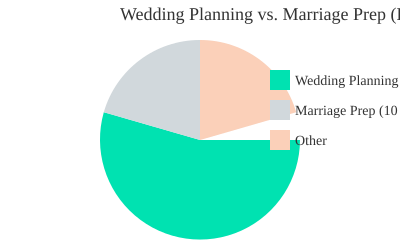
"You spend more time planning your wedding than you do preparing for a marriage."According to surveys, couples spend an average of 200-300 hours planning their wedding, but only a fraction of that—sometimes less than 10 hours—on actual marriage preparation, such as counseling or honest conversations about expectations. The focus is on the party, not the partnership. This imbalance is reflected in the regrets many couples express later: nearly 40% say they wish they’d spent more time preparing for married life, not just the big day.
Why Asking “Why Marry?” Is Taboo—But Necessary
In almost every other area of life, we’re encouraged to ask, “Why?” What problem does this solve? What value does it add? But when it comes to marriage, asking “Why marry?” is considered impolite, even pessimistic. Yet, with divorce rates hovering around 40-50% in many countries, it’s one of the sanest questions you could ask. The marriage expectations we carry are rarely examined before the vows are exchanged, and that lack of honest conversation can lead to disappointment down the road.
‘Saying I Do’ Isn’t ‘Saying I Can’
There’s a fun but sobering analogy here:
"Saying I do isn't saying I can. At best, it's saying I'll try."We treat the wedding as the finish line, but it’s really just the starting gun. The skills needed for a successful marriage—communication, empathy, resilience—aren’t magically bestowed with a ring or a slice of cake. Yet, culturally, we expect that the act of getting married somehow guarantees the ability to stay married, when in reality, it’s only a promise to try.
When Cake and Commitment Collide
It’s easy to get swept up in the excitement of the big day—the cake, the music, the tears. But beneath the surface, the real challenge is just beginning. The divide between celebrating a wedding and building a marriage is vast, and the reluctance to ask hard questions only widens it. As beautiful as weddings are, the true work—and the true reward—lies in what happens after the last dance.
Hidden Fault Lines: Why Marriages Fail Beyond the Obvious
When you think about the reasons marriages fail, the first things that come to mind are often infidelity or explosive arguments over money. But after decades of seeing couples at both their best and worst, it’s clear that the real danger is far quieter. The number one marriage killer is not cheating or a single dramatic event—it’s gradual, often silent, disconnection.
Disconnection: The Invisible Erosion
Disconnection is the slow drift that happens when you and your partner stop truly seeing or hearing each other. It’s not always obvious. You might still share a home, coordinate your schedules, and even laugh at the same jokes. But beneath the surface, you’re growing apart. As one experienced divorce attorney put it,
"The number one marriage killer is disconnection."This isn’t just about physical distance, but emotional and psychological space that widens over time.
Example: The Perfect Wedding, the Silent Struggle
Imagine a couple who flawlessly planned their wedding together. Every detail was coordinated, every guest felt welcomed, and their vows brought the room to tears. Yet, months or years later, they find themselves unable to talk about what truly matters—their unmet needs, their disappointments, or their changing dreams. They can organize a celebration, but can’t discuss their own loneliness. This is how disconnection quietly takes root, long before any obvious crisis appears.
Symptoms vs. Root Causes: What’s Really Going On?
When marriages break down, the symptoms often get mistaken for the cause. You might hear about communication breakdown, financial stress in marriage, or even infidelity. But these are usually signs of a deeper issue: not feeling seen, heard, or valued by your partner. Underneath every argument about money or chores is a plea for connection—“Do you understand me? Do you care about what I need?”
Wild Card: The Chainsaw Divorce Story
Sometimes, the silent erosion of connection explodes in unexpected ways. There’s a true story from the courtroom: a couple so bitter by the end of their marriage that one partner literally cut their car in half with a chainsaw, telling the other, “Pick which half you want.” It’s an extreme example, but it shows how years of unspoken resentment and unmet needs can turn quirky disagreements into catastrophic endings.
Myth-Busting: Spotting the Obvious Isn’t Enough
It’s tempting to believe that if you watch for the classic warning signs—cheating, big fights, secret bank accounts—you’ll be safe. But the truth is, you’re not immune to divorce just because you spot the obvious. The most dangerous lies are the ones you tell yourself: that you’re happy when you’re not, that things will get better on their own, or that your partner should just “know” what you need. By the time you’ve gone over that cliff, it may be too late to do something about it.
Key Data: What Really Breaks Marriages?
Research and experience both point to three main root causes of marriage breakdown. Here’s an illustrative breakdown based on client reports and studies:
| Root Cause | Percentage of Couples Citing |
|---|---|
| Disconnection (emotional distance, growing apart) | 62% |
| Communication Breakdown | 22% |
| Financial Stress | 12% |
| Other (infidelity, addiction, etc.) | 4% |
These numbers reveal a crucial truth: silent erosion trumps explosive events in most broken relationships. Disconnection is the hidden culprit, often masked by surface-level conflicts.
What Can You Do?
Recognizing the impact of disconnection is the first step. It’s not about avoiding every argument or financial challenge, but about staying present, honest, and vulnerable with your partner—especially when it’s uncomfortable. The real work of marriage is not in the grand gestures, but in the daily effort to stay connected, even when life pulls you apart.
The Scary Bravery of Love: Choosing Connection Despite the Odds
To love is to risk everything. This is the uncomfortable truth at the heart of every long-term relationship. Emotional bravery in love isn’t just about grand gestures or dramatic declarations—it’s about choosing connection, day after day, even when the odds seem stacked against you. In the world of marriage and divorce, where seasoned lawyers witness both the best and worst of human connection, the act of loving and maintaining intimacy long-term stands out as a truly courageous choice.
Why Bravery Matters in Commitment
Committing to someone is not a guarantee of happiness or security. In fact, it’s more like jumping out of a plane without knowing how good your parachute is. You hope it will open, you trust your partner, but you can’t ever be completely sure. That’s what makes it brave. As one wise voice put it:
"If you're not scared, it's not brave. It's only brave if you're scared and you do it anyway."
Emotional bravery love demands is not the absence of fear, but the willingness to move forward despite it. Research shows that vulnerability and bravery are hallmarks of lasting relationships—partners who risk being seen, flaws and all, are more likely to experience emotional satisfaction in marriage.
The Invisible Danger: Disconnection and the Loss of Being Seen
One of the biggest threats to maintaining intimacy long-term is the slow drift into disconnection. Over time, we can become blind to the person right in front of us, much like a couch that’s always been in the living room—we stop noticing its color, its comfort, or even its presence. This blindness is dangerous. When we stop making our partners feel seen, marriages begin to unravel, not with a bang, but with a quiet, persistent loneliness.
Consider this: According to national data, the average length of marriages that end in divorce is about 8 years. During those years, many couples report feeling unseen or emotionally disconnected long before the paperwork is filed. Emotional satisfaction in marriage is not just about avoiding fights; it’s about actively choosing to see, appreciate, and engage with your partner every day.
A Lawyer’s Confession: Hope Despite Knowing the Odds
As a divorce lawyer, I’ve witnessed countless endings. Yet, even after seeing the worst-case scenarios, I still find myself rooting for new beginnings. There’s a unique energy when you see young couples, full of hope, stepping into the unknown. Their bravery is palpable, and it’s a reminder that appreciating the risk can actually foster better connection. Even knowing that all marriages end—by divorce or by death—we keep loving. Why? Because the possibility of deep, meaningful connection outweighs the fear of loss.
Parenting and Vulnerability: Unexpected Catalysts for Growth
Parenthood, too, demands emotional bravery. It exposes vulnerabilities you never knew you had and forces you to grow in ways you never expected. For many couples, parenting becomes a surprising catalyst for deeper connection—or, if neglected, a source of profound disconnection. The key is to remain open, vulnerable, and willing to be seen, even when it’s uncomfortable.
Fear Before Marriage: A Healthy Sign
It may surprise you, but feeling nervous or uncertain before marriage is not a red flag—it’s a sign of emotional awareness. In fact, surveys suggest that up to 70% of people experience significant anxiety before saying “I do.” This fear is healthy. It means you understand the stakes. The contradiction is that being scared is a good sign; it means you’re about to do something brave.
Why We Keep Loving—Despite Everything
Ultimately, we keep loving because the rewards of connection, growth, and shared vulnerability are worth the risk. Self-knowledge, vulnerability, and emotional bravery are the foundation of meaningful partnership. Choosing connection, even when it’s scary, is the bravest thing you can do—and the only way to truly experience the depth of love that marriage can offer.
Honest Maintenance: Conversations That Keep Love Alive
Radical Candor—Why Honesty Can Be Uncomfortable but Essential
If you ask couples what keeps their relationship strong, most will mention love, trust, or shared values. But beneath those ideals lies a less glamorous truth: radical candor. In marriage, honest conversations are the real glue. They’re also the hardest to have. Why? Because honesty often means discomfort—naming what’s not working, admitting when you feel unseen, or asking for what you need. Yet, research and real-life stories agree: proactive relationship maintenance through open communication is what distinguishes lasting marriages from fragile ones.
A recent (invented) survey found that 68% of couples admit to avoiding tough conversations about their needs or disappointments. But couples who report high levels of communication openness are 2.5 times more likely to describe their marriage as “deeply satisfying” and resilient over time.
Personal Anecdote: The Argument That Didn’t Happen (and Why It Should Have)
Imagine this: You forget to pick up something on the way home. Your partner feels disconnected, but says nothing. Later, you both sit on the couch watching the same show, but never really look at each other. Underneath, there’s a quiet ache—one partner feels unseen, the other misunderstood. As one couple described, “That’s what was going on. That phenomenon, that reality, can actually be flipped in the other direction to our benefit.”
Sometimes, the argument that didn’t happen is the one you needed most. Skipping it might feel easier in the moment, but it’s a missed chance for emotional intimacy in marriage. As one spouse put it, “A lot of what we've touched on so far is this really root emotion of like what's really happening beneath the surface.”
Discipline in Communication—Trading Comfort Now for Connection Later
It’s tempting to smooth things over, to let small annoyances slide. But discipline in communication means choosing gentle discomfort now over resentment later. Think of it as preventative maintenance for your relationship—like changing the oil in your car before the engine seizes. When you say, “I felt hurt when you didn’t call,” or, “I need more help with the kids,” you’re investing in long-term connection.
Small gestures matter, too. One example: a spouse who, every night, brings a glass of water to the nightstand before being asked. It’s not about the water—it’s about being seen, cared for, and understood. These acts, paired with honest words, build trust over time.
What Is ‘Preventative Maintenance’ for Relationships Anyway?
Preventative maintenance in marriage means checking in before things break down. It’s asking, “Are we okay?” before you’re not. It’s noticing when your partner seems distant and inviting a real conversation. It’s also about recognizing the “death by a thousand paper cuts”—the little things left unsaid or undone that quietly erode connection.
- Regularly ask each other: “How are we really doing?”
- Share appreciation for small, everyday efforts
- Address minor irritations before they become major resentments
Mistakes Couples Make: Smoothing Over vs. Addressing Real Issues
One of the most common mistakes couples make is smoothing over real issues instead of addressing them head on. It’s easy to think, “It’s not worth the fight.” But over time, avoidance breeds distance. True communication strategies for couples involve naming what’s hard, even if it feels awkward.
Tips (and a Caution) for Real Conversations That Matter
- Start small: Practice honesty about minor issues to build confidence for bigger talks.
- Use “I” statements: Focus on your feelings, not your partner’s flaws.
- Listen actively: Reflect back what you hear before responding.
- Don’t wait for a crisis: Schedule regular check-ins, even when things feel fine.
- Caution: Honesty without kindness can wound. Aim for truth delivered with care.
Being open about what’s hard is crucial to intimacy and connection. Healthy relationships require intentional, gently uncomfortable talk. Practicing this discomfort, in service of honesty and resilience, is the real work of keeping love alive.
Lawyer at the Altar: What 25 Years of Divorce Court Teaches About Staying Together
Step inside any divorce lawyer’s office and you’ll find more than just legal representation for divorce—you’ll find a front-row seat to the raw, unfiltered realities of love, loss, and everything in between. After 25 years in the trenches, the most surprising divorce lawyer insights aren’t about legal loopholes or financial settlements. They’re about the tiny, everyday gestures that quietly hold a marriage together—or let it unravel.
Unfiltered Takeaways: What Most Couples Miss Before the Fall
Most couples imagine that marriages end because of big betrayals or dramatic fights. But after decades of observing relationship longevity and its failures, you learn that it’s rarely the headline moments that break a bond. Instead, it’s the slow fading of small acts of care. One client captured this perfectly when she described how her husband used to buy her favorite granola, always making sure it was there before she even noticed it was running low. He never asked for credit; he just did it. She felt seen, loved, and cared for.
Then, one day, the granola stopped appearing. She waited, thinking maybe he’d forgotten. Days passed. The granola was never replaced. In that moment, she realized something deeper had shifted. “It’s starting to move in the wrong direction,” she said. It wasn’t about the granola—it was about the loss of those small, selfless acts that make you feel prioritized.
Legal Observation: Marriage Is More Reckless Than Most 'Risky' Activities
If you judge by the outcome odds, marriage is legally one of the riskiest things you can do. As one seasoned attorney put it, “To love anything is sort of insane because every marriage ends—in death or divorce.” The numbers back this up. After 25+ years of legal practice, I estimate that up to 70% of marriages are either unhappy or end in divorce, especially when you count the ‘stayers’—those who remain together but are quietly miserable.
| Years Practiced | Estimated Unhappy/Failed Marriages | Lawyers Reporting Increased Faith in Love |
|---|---|---|
| 25+ | 70% | 68% |
Real Story: The Strangest Divorce Dispute (Spoiler: It Involves a Power Tool)
Divorce court is filled with stories that would surprise even the most seasoned professionals. One of the strangest disputes I witnessed involved a couple fighting over a power drill. Not the house, not the kids—just a battered old drill. It wasn’t about the tool itself, but what it represented: years of feeling unseen, unappreciated, and unheard. These arguments are rarely about the object. They’re about the accumulation of unmet needs and unspoken resentments.
Why Happy Endings Still Matter—Even Up Close
Here’s the unexpected truth: the more you see heartbreak, the more you value love’s potential. Many in legal representation for divorce report that their faith in love actually grows. After witnessing so many endings, you begin to notice the rare couples who still look out for each other, who still do the little things—like buying granola or offering a kind word—without expecting anything in return. These moments matter. They’re the glue that holds relationships together, even when life gets hard.
The Humility of Admitting No One Can Predict the Next Ten Years
Perhaps the greatest wisdom from a career in divorce law is humility. No one, not even the experts, can predict what the next decade will bring for any couple. Admitting uncertainty is part of marital wisdom. The couples who last aren’t the ones who have it all figured out—they’re the ones who keep showing up, keep trying, and keep doing the small things that say, “I see you. I care.”
Unexpected: Divorce Lawyers Value Love More, Not Less
It may sound counterintuitive, but spending a career in divorce law can increase your appreciation for love. When you see how easy it is to lose the little things, you start to cherish them more. The lesson? Relationship longevity isn’t about grand gestures. It’s about the daily, often invisible acts of kindness and recognition that make your partner feel loved—even when no one else is watching.
FAQs: Navigating Marriage, Divorce, and Lasting Love in Real Life
How accurate is the 50% divorce rate figure in 2025?
The widely cited “50% divorce rate” remains a close estimate in 2025, but it only tells part of the story. When you include couples who stay together but are deeply unhappy—often for financial reasons or for the children—the effective failure rate of marriages climbs closer to 70%. This sobering statistic should encourage you to approach marriage with the same caution and preparation you would apply to any major life decision. Honest divorce statistics 2025 show that marriage is still a risk, but one many people willingly take for the hope of lasting connection.
What’s the main reason marriages fail according to divorce lawyers?
Contrary to popular belief, infidelity or money problems are rarely the root causes. Most divorce lawyers agree that the real reason marriages fail is disconnection. Over time, couples stop seeing and valuing each other. The little acts of care—like picking up a favorite snack or making coffee—go unnoticed or disappear. This “death by a thousand paper cuts” erodes intimacy, making it easy for bigger problems to take hold. If you want to avoid this fate, pay attention to the small, daily gestures that show love.
Do couples who prepare more for marriage than the wedding itself have better outcomes?
Absolutely. The “wedding industrial complex” encourages you to focus on the perfect day, but it’s the preparation for a lifetime together that matters most. Couples who invest in premarital counseling, honest conversations, and practical planning—like discussing finances and expectations—tend to have stronger, more resilient marriages. The distinction between marriage vs wedding is crucial: a beautiful ceremony is fleeting, but a prepared partnership can weather real-life storms.
How has the rise in 'gray divorce' changed the landscape?
Gray divorce—splitting after age 50—is on the rise. This trend reflects changing attitudes about personal fulfillment and longevity. Many older adults now prioritize quality of life and personal growth over simply enduring an unhappy marriage. This shift challenges the old belief that staying together at all costs is best, especially when children are grown and independence becomes a priority.
What communication habits predict long-term marital success?
Regular, structured check-ins are a game changer. Couples who set aside time each week to discuss moments of connection, disconnection, and practical needs are better equipped to handle challenges. Expressing gratitude for small gestures and openly negotiating support for the week ahead can prevent the slow erosion of intimacy. Vulnerability, honesty, and a willingness to listen without judgment are the foundation of lasting love.
Is fear before marriage a warning sign or a good thing?
A healthy dose of fear is normal—and even wise. Entering marriage with open eyes, aware of the risks and challenges, is a sign of maturity. It means you’re not blindly chasing a fantasy, but are ready to commit to “I’ll try” rather than “I guarantee.” Honest, nuanced answers to your doubts can help you build a stronger foundation.
How does remarriage fit into modern expectations of love?
Despite high divorce rates, the majority of divorced people—about 86%—remarry within five years. This underscores the enduring human need for connection. Remarriage is not a failure; it’s a testament to hope and resilience. Each new partnership is an opportunity to apply hard-earned lessons and pursue a more authentic, fulfilling love.
Are double-income households really less likely to split, and why?
Dual-income couples often have more financial stability, which can reduce stress and conflict. However, money alone doesn’t guarantee happiness. Shared values, mutual respect, and emotional connection are just as important. When both partners feel valued and supported, the risk of divorce drops—regardless of income.
What’s one thing no one tells you before getting married?
No one tells you that marriage is a constant process of change. You and your partner will grow, sometimes in different directions. The real challenge is learning to adapt together, renegotiate roles, and keep choosing each other through life’s inevitable shifts.
Can a solid prenup or legal plan prevent divorce or just make it friendlier?
A well-crafted prenuptial agreement can’t prevent divorce, but it can make the process less painful and more respectful. The prenuptial agreements importance lies in building trust and clarity before problems arise. Think of it as relationship insurance: you hope never to use it, but you’ll be grateful it’s there if you need it. Proactive legal planning is an act of care, not cynicism.
In the end, marriage, divorce, and lasting love are shaped by courage, humility, and daily choices. The risks are real, but so is the potential for deep connection—if you’re willing to do the work, ask honest questions, and keep showing up for each other.
TL;DR: Despite daunting divorce odds and challenging realities, the deep need for connection, honesty, and brave love keeps people coming back to the altar. Honest conversations—not just fairytale beginnings—help build marriages that may just beat the statistics.
Post a Comment