
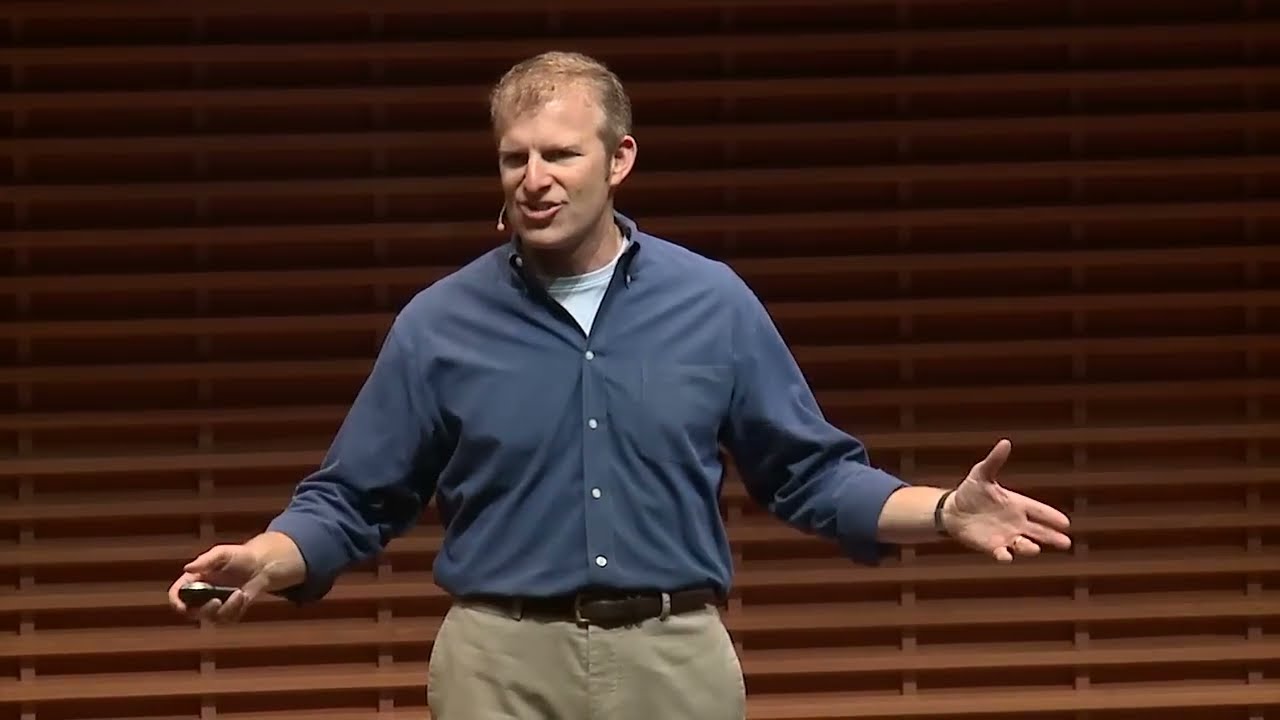
Several years ago, I was asked to introduce a keynote speaker at a fancy dinner without any preparation—and promptly forgot their name mid-sentence. The tables went silent. I wanted the floor to swallow me, but instead I laughed, apologized, and moved on. Strangely, people remembered my stumble as ‘relatable’. Turns out, most of us are terrified of speaking off the cuff, but those human moments are often what draw people in. In this post, we’ll unpack why anxiety is the norm (not the outlier), and how some surprisingly odd exercises might be your secret weapon for managing the fear—and even making things fun.
When Counting ‘F’s Goes Wrong: Surprising Lessons in Attention and Perfectionism
Imagine being asked to count the number of ‘F’s in a simple sentence. Most people, even in a room full of smart, attentive individuals, miss several. This classic F-counting exercise is more than a fun icebreaker—it’s a powerful metaphor for what happens during public speaking, especially when we’re anxious or under pressure.
Public speaking anxiety is incredibly common, affecting about 85% of people. Much of this anxiety comes from the fear of missing details or making mistakes in front of others. The F-counting activity shows how easily our brains can overlook the obvious, especially when we’re focused on doing things perfectly. In the exercise, most participants miss the ‘F’s in the word “of”—a tiny, common word that slips by unnoticed. This isn’t a sign of carelessness or lack of intelligence; it’s simply how our minds work when we’re under pressure.
“The vast majority of us in this room, very smart people in this room, were not as effective as we could have been in this activity.”
When you speak in public, especially in spontaneous situations, it’s normal to trip over words, forget a point, or miss a detail. Even the most experienced speakers do it. The truth is, everyone makes mistakes—even the smartest people in the room. And that’s okay. In fact, these small blunders can actually help you connect with your audience. When you show that you’re human, listeners are more likely to relate to you and feel at ease.
Perfectionism is a major driver of public speaking anxiety. We worry that every word must be flawless and every point must be made. But as the F-counting exercise proves, perfection isn’t attainable. Instead, effective communication techniques focus on being present, responding authentically, and moving forward even when things don’t go as planned. Overcoming anxiety isn’t about never making mistakes—it’s about realizing that mistakes are part of the process.
- Key insight: Missing details is normal, even for experts.
- Lesson: Mistakes are opportunities for learning and connection.
- Tip: Use unexpected blunders to build rapport with your audience.
Improving impromptu speaking skills means accepting that you won’t catch every ‘F’—and that’s perfectly fine. The little things you miss don’t define your effectiveness as a communicator; your willingness to keep going does.
The Curiously Helpful Power of Greeting Your Anxiety
Public speaking anxiety is one of the most common fears—so much so that a recent Chapman University survey found it ranks among the top five fears in the United States. In fact, 85% of people report being nervous when speaking in public. As one expert jokes, “I think the other 15% are lying.” If you feel your heart race or your hands shake before you speak, you’re in good company.
But here’s a surprising truth: Those nerves are not a sign that you’re doomed to fail. Instead, they’re proof that you care about your message and your audience. Managing public speaking anxiety isn’t about eliminating nerves—it’s about learning to work with them. Academic research shows that mindful acceptance of anxiety can stop it from spiraling out of control, even if it doesn’t make the feeling disappear.
So research on mindful attention tells us that if when we begin to feel those anxiety symptoms, we simply greet our anxiety…
When you notice the first signs of anxiety—maybe a fluttering stomach, sweaty palms, or shaky legs—try this simple technique: greet your anxiety. Silently acknowledge, “This is me feeling nervous. I’m about to do something important.” This small act of recognition can reset your mental spiral and keep your anxiety from escalating. You’re not telling yourself to stop being anxious; you’re accepting that anxiety is a normal, even helpful, part of the process.
- Acknowledge nerves as proof you care—not as a signal to panic.
- Greeting anxiety: “This is me feeling nervous” helps you regain control.
- Reframe anxiety as energy: Channel those jitters into focus and presence.
- Physical symptoms (like shaky hands or a racing heart) are normal and do not predict failure.
Why is managing public speaking anxiety so important? Because your audience feels what you feel. If you’re visibly nervous, your listeners may feel uncomfortable or disengaged. Your job as a speaker is to help your audience feel at ease so they can receive your message—no matter how tough or direct it might be. Relaxation techniques and mindful acceptance are key steps in overcoming anxiety and building true public speaking confidence.
From Performance to Conversation: Shifting Your Approach to Spontaneous Speaking
Many people approach public speaking as a performance, believing there is a “right” and “wrong” way to deliver their message. This mindset can increase anxiety and make you feel like every word must be perfect. But research shows that reframing public speaking as a conversation—not a performance—can transform your confidence and effectiveness. As one expert puts it,
“So we need to look at presenting something other than performance… what we need to see this as is a conversation.”
Let Go of ‘Performance Mode’
When you see speaking as a performance, mistakes feel disastrous. In acting or singing, missing a line or note is a clear error. But in spontaneous speaking, there is no single “right way.” There are better and worse approaches, but the goal is engaging your audience—not delivering a flawless show. Shifting your mindset to conversation relieves pressure and opens the door to genuine connection.
Start with Questions to Engage and Settle Nerves
One of the most effective communication techniques is to begin with questions. Questions are naturally dialogic—they invite your audience in and signal that their participation matters. This not only enhances audience engagement but also helps settle your nerves by making the interaction feel more like a two-way exchange. Try rhetorical questions, quick polls, or direct prompts. Even outlining your talk as a series of questions can keep your delivery conversational and focused on your listeners.
Use Conversational Language to Foster Connection
Nervous speakers often use formal or distancing language, such as “one must consider” or “step one, step two.” This creates a barrier between you and your audience. Instead, use inclusive pronouns like “you” and “we.” For example, say, “What we need to do first is…” or “This is important for you.” This simple shift in language lowers barriers, builds rapport, and makes your message more relatable—key public speaking strategies for enhancing audience engagement.
Physical Presence: Don’t Retreat
Physical distancing—stepping back or hiding behind a podium—can increase anxiety for both you and your audience. Instead, use your presence to invite listeners closer. Stand confidently, make eye contact, and use open gestures. This signals that you are approachable and interested in a real conversation, not just delivering a speech.
Oddball Tricks: Push-ups, Tongue Twisters, and Why Embarrassment Works
If you think public speaking exercises have to be serious, think again. Some of the best relaxation techniques for improving public speaking are a little odd, a little physical, and sometimes a little embarrassing. These “oddball” tricks work because they force you into the present moment—right where you need to be to shake off nerves.
Physical ‘Present-Moment’ Tricks
Stanford research shows that being present-focused, rather than worrying about what might go wrong, is a powerful way to manage anxiety. One professional speaker, who earns $10,000 an hour, still gets nervous before facing a crowd. His solution? He does 100 push-ups backstage. This intense burst of activity pulls him out of his head and into his body—he’s too busy catching his breath to worry about the audience. While you don’t need to go that far, even a brisk walk around the building before you speak can help you get grounded and present.
Tongue Twisters for Public Speaking
Another fun way to get present is with tongue twisters. Saying a tricky phrase like “I slit a sheet, a sheet I slit, and on that slitted sheet I sit” demands your full attention. If you slip up, you might accidentally say a “naughty word”—and that’s exactly the point. You’re so focused on getting it right that you forget about your nerves. Plus, tongue twisters double as a warm-up for your voice, which is something most nervous speakers skip.
Why Embarrassment Works
Embarrassing activities, like silly word games or group tongue twisters, shift your focus into the ‘now.’ When you’re laughing at yourself or with others, you’re not worrying about future mistakes or judgment. In fact, a little shared embarrassment can break the tension and bond a group together. As one expert put it:
‘In that moment, you weren’t worried about… all these people, this is weird, this guy’s having me do that. You were so focused on saying it right… that you were in the present moment. That’s how easy it is.’
- Try a physical activity (push-ups, a walk, or even dancing) before speaking.
- Practice tongue twisters for public speaking to warm up and focus.
- Embrace playful or embarrassing moments—they’re practice for real-life nerves.
These wild-card public speaking exercises may feel silly, but they’re proven relaxation techniques for shaking off nerves and improving public speaking confidence.
A Smorgasbord of Small Habits for Reducing the Terror (Minus the Magic Bullet)
When it comes to managing public speaking anxiety, there’s no single magic bullet. Instead, building confidence is about combining several small, practical habits—each one a tool you can use when you need it most. As you develop your own toolkit of effective communication techniques, remember that experimentation is key. What works for one person might not work for another, so don’t be afraid to mix and match strategies until you find your best fit.
One of the most effective public speaking tips is to greet your anxiety as soon as you notice it. Rather than pushing those feelings away, acknowledge them. This simple act can help you regain control and reduce the power anxiety holds over you. As the workshop leader says,
‘Those are three of many tools that exist to help you manage your anxiety.’Reframing the situation as a conversation—rather than a performance—can also make a huge difference. When you focus on connecting with your audience, your attention shifts away from your own nerves and toward genuine communication.
Another powerful spontaneous speaking strategy is to become present-oriented. Instead of worrying about what might go wrong in the future, anchor yourself in the current moment. This can be as simple as noticing your breath, feeling your feet on the ground, or making eye contact with a friendly face in the room. Physical movement, breathing exercises, and outlining your thoughts with simple questions are all small habits that can help you stay grounded and focused.
Participating in workshop activities—even the awkward ones—can accelerate your improvement. Safe practice environments give you the freedom to try new techniques, trip over your words, and learn from each experience without fear of judgment. Over time, these small steps add up, fostering long-term confidence and making spontaneous speaking situations feel less intimidating.
Ultimately, managing public speaking anxiety is about flexibility and persistence. There’s no quick fix, but by embracing a variety of small habits, you’ll find yourself growing more comfortable and effective as a communicator. If you’re eager for more resources or want to explore additional strategies, don’t hesitate to reach out or take advantage of the materials provided in workshops. The journey to confident public speaking is ongoing—and every small step counts.
TL;DR: If you’ve ever fumbled, blanked, or blurted during public speaking, congratulations—you’re normal, and actually on track to becoming a more confident communicator. Getting comfortable with discomfort (and trying a tongue twister or two) can turn spontaneous speaking from panic to performance.
Post a Comment