
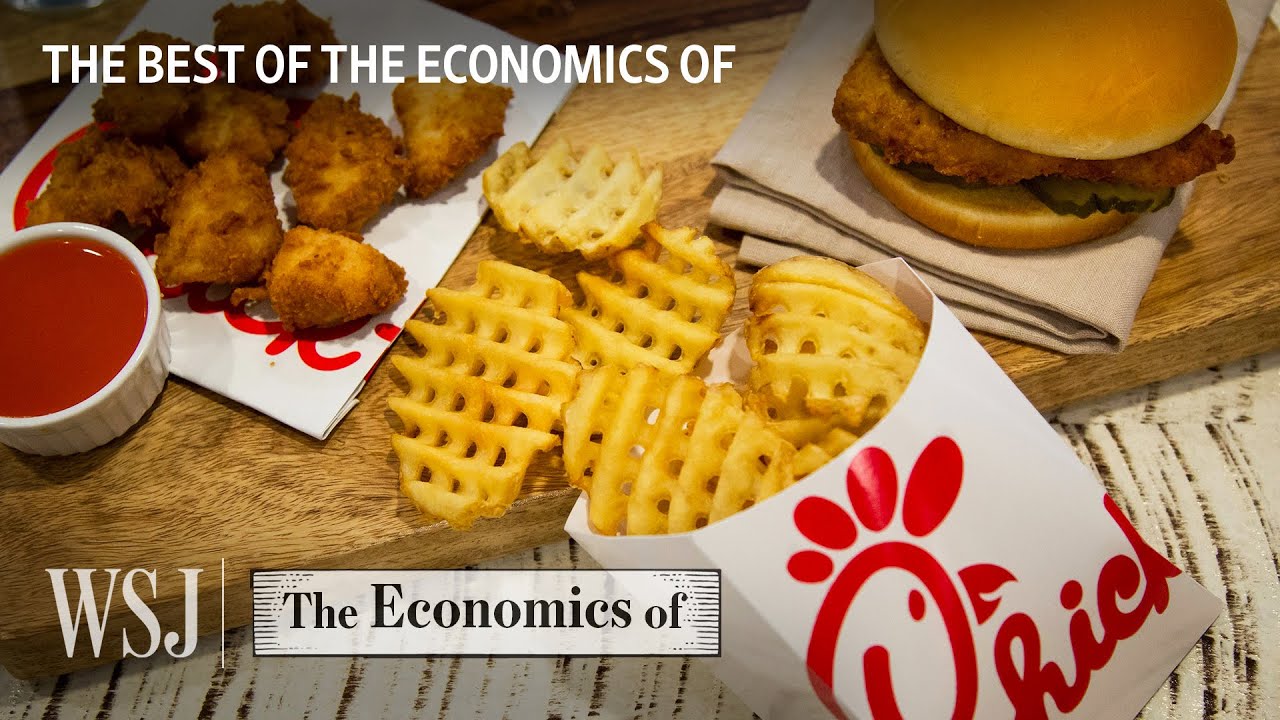
Ever found yourself in a Chick-fil-A drive-thru that snakes around the building, or buying bulk diapers at Costco when you only meant to pick up eggs? I once ran into an old neighbor at Starbucks—he was waiting on a triple-shot, oat milk, caramel-whatever—while I loaded yet another gift card onto the app. These little moments got me wondering: why do these companies have us wrapped around their finger, and what’s hiding behind their seemingly simple business models? In this post, I’m digging into the oddball strategies and surprising facts that make Chick-fil-A, Costco, and Starbucks three of the most unstoppable—and addictive—brands alive today.
The Gospel of Chicken Sandwiches: Why Chick-fil-A’s Recipe for Success Isn’t Just About Chicken
The Chick-fil-A story starts with a secret: a chicken sandwich recipe, perfected in 1967 by founder Truett Cathy, that’s never been officially shared. The original formula—pressure-cooked boneless chicken breast in peanut oil, topped with two pickles on a buttered, toasted bun—remains unchanged and locked away. While many have tried to copy it, the real magic is in what surrounds the sandwich: a unique restaurant franchise model, a values-driven business approach, and a relentless focus on customer satisfaction.
More Than Just Fast Food: The Chick-fil-A Experience
Walk into any Chick-fil-A and you’ll likely see long lines, but also something rare in fast food: patience and politeness. Employees greet you with a smile and a “my pleasure,” and the service is personal—even in the drive-thru, where staff take orders face-to-face with tablets. This hands-on interaction is a core part of the brand, setting Chick-fil-A apart from speedier but less friendly rivals. Despite sometimes slower drive-thru times, customers consistently rank Chick-fil-A at the top of the American Customer Satisfaction Index.
A Franchise Model Unlike Any Other
Chick-fil-A’s restaurant franchise model is almost as secretive as its chicken recipe. Unlike most fast food chains, Chick-fil-A owns every location. Operators—never called franchisees—are handpicked through a process with an acceptance rate of about 1.6%, lower than Stanford’s. Out of more than 8,000 applicants each year, only about 130 become operators. The initial investment is just $10,000, compared to McDonald’s $45,000 franchise fee and $1.3–$2.3 million in startup costs. Chick-fil-A’s approach keeps its operators closely connected to their teams and communities, creating a tight-knit, high-performance culture.
Values-Driven Business: Faith, Service, and Controversy
Chick-fil-A’s values are rooted in the founder’s Christian faith. The company is famously closed on Sundays, not just for worship, but to give employees a guaranteed day of rest. The corporate purpose, displayed at headquarters, is “to glorify God by being a faithful steward of all that is entrusted to us, to have a positive influence on all who come in contact with Chick-fil-A.” This values-driven business model shapes everything from employee training to community giving. As founder Truett Cathy’s grandson put it:
"My grandfather...would say I'm not rightwing or leftwing, I'm the whole chicken."
While these values have sometimes sparked controversy—especially around charitable giving—Chick-fil-A has shifted its focus to causes like homelessness, hunger, and education, aiming to serve everyone who walks through the door.
Big Sales, Small Menu, and Steady Growth
Chick-fil-A’s menu is famously simple, focused on chicken sandwiches and a handful of sides. This clarity, combined with high-touch service, drives impressive results. Despite being closed one day a week and having fewer locations (about 2,600 as of the latest count), Chick-fil-A is now the third-largest US restaurant chain by domestic sales and averages higher sales per store than any competitor. The company is expanding at a steady pace—about 100 new stores per year—while staying private and true to its founding principles.
The Costco Treasure Hunt: A Retail Wonderland Where Less Is More
If you’ve ever walked into a Costco warehouse, you know it’s not your typical shopping trip. There are no aisle maps, no detailed signage, and no guarantee that your favorite product will be in the same spot—or even in stock—next time. Instead, you’re greeted by towering pallets of bulk goods, a layout that feels more like a scavenger hunt than a grocery run. This is all by design, and it’s a big part of what makes Costco’s business model so effective.
Membership Model: The Power Behind Low Prices
Unlike traditional retailers, Costco’s profit engine isn’t built on high markups. Instead, the company relies on annual membership fees to drive its bottom line. As of 2025, a Gold Star Membership costs $65 per year, while the Executive Membership is $130 per year (or a $65 upgrade for existing members). Executive Members enjoy perks like a 2% annual reward (up to $1,250), early shopping hours, and extra savings on select services. There are no free memberships, but Costco occasionally offers digital gift card promotions for new members and eligible groups.
This membership model allows Costco to keep product markups at an average of just 11%—far lower than the 25-50% you’ll find at most supermarkets. In fact, membership fees cover most of Costco’s profit margin, freeing the company to focus on delivering value to its members through low prices and high-quality products.
Less Is More: Fierce Product Curation
Step into a typical supermarket and you’ll find 40,000 to 50,000 different products. At Costco, that number drops to about 3,700. Every item must earn its place on the floor, and if it doesn’t sell, it’s quickly replaced. This limited selection means Costco can negotiate better deals with suppliers and pass those savings on to you. It also means you’re less likely to be overwhelmed by choice, making shopping simpler and faster.
The Treasure Hunt Experience
Costco’s “treasure hunt” retail psychology is legendary. As one observer put it:
"The big idea behind Costco's treasure hunt strategy is that by encouraging customers to explore...customers end up shopping longer and buying more products."
With no fixed product lineup and frequent rotation of limited-time offers, every visit feels like a new adventure. The absence of aisle maps and the constant shuffling of products create a sense of urgency—if you see a great deal, you know it might not be there next time. This triggers impulse buys and keeps you coming back, hoping to discover the next hidden gem.
Kirkland Signature: Loyalty in a Private Label
Costco’s private label, Kirkland Signature, is a powerhouse in its own right. Launched in 1995, Kirkland now accounts for about 25% of Costco’s $166 billion in annual sales. The brand is known for high quality at low prices, and it covers everything from groceries to apparel. If a supplier can’t meet Costco’s standards for price or quality, Kirkland steps in to fill the gap—further reinforcing customer trust and loyalty.
- No aisle maps or eternal product lineup—just bulk items stacked high and the thrill of discovery.
- Annual membership fees ($65 Gold Star, $130 Executive) keep prices low and drive loyalty.
- Fewer products, but each one is carefully chosen and must perform.
- Kirkland Signature dominates sales, building trust in Costco’s value promise.
- Limited time offers and product rotation create urgency and repeat visits.
When Coffee Is Currency: Starbucks, Apps, and the Ritual of Loyalty
Walk into any Starbucks, and you’ll see more than just a line for coffee—you’ll see a modern ritual powered by technology and loyalty. For millions, the Starbucks mobile app and gift cards are as essential as the morning caffeine hit. But these aren’t just conveniences for customers. They’re financial engines for the company, turning everyday coffee habits into a powerful stream of recurring revenue.
Starbucks Gift Cards: The Company’s Hidden Bank
Every time you load money onto a Starbucks gift card or app, you’re not just prepping for your next latte—you’re giving Starbucks an interest-free loan. In a single quarter, customers loaded over $3 billion onto Starbucks cards and app balances. To put that in perspective,
"If Starbucks was a bank it would rank as the 385th biggest in the country."That’s money Starbucks gets to use upfront, long before anyone orders a drink. Some of these balances are never spent, creating a financial buffer that acts like a savings account for the company.
- Recurring Revenue: Starbucks receives cash in advance, boosting its cash flow and financial stability.
- Unspent Balances: Not all gift card balances are redeemed, which means some revenue is never exchanged for coffee or food.
- Customer Lock-In: With money already loaded, customers are more likely to return, reinforcing loyalty.
Mobile App Loyalty: The Digital Coffee Rewards Ecosystem
Starbucks’ investment in its mobile app has transformed the way people buy coffee. The app isn’t just for payments—it’s a full digital loyalty ecosystem. Customers earn stars, unlock free drinks, and get personalized offers, all while skipping the line with mobile ordering. This seamless experience keeps people coming back, making the Starbucks app one of the most popular restaurant apps in the world.
- Personalized Rewards: The app tracks your preferences and offers rewards tailored to your habits.
- Convenience: Order ahead, pay with your phone, and pick up without waiting.
- Data-Driven Customization: Starbucks uses app data to refine its menu and marketing, creating a feedback loop that drives sales.
170,000+ Starbucks Drinks: Customization and the Ritual
Starbucks’ rise from a single Seattle café to a global caffeine empire is built on more than just coffee—it’s about choice and ritual. Today, there are over 170,000 possible beverage combinations, from classic espressos to seasonal favorites like the Pumpkin Spice Latte. This level of customization is a key part of the Starbucks experience, making each visit feel personal and unique.
For customers, the ritual of ordering a complex, made-to-order drink is part of the appeal. For Starbucks, it’s a recipe for higher prices and deeper loyalty. The mobile app and gift card system make these rituals even smoother, turning a daily habit into a digital relationship that benefits both sides.
In the world of Starbucks, coffee isn’t just a beverage—it’s currency, community, and a carefully crafted ritual powered by technology and loyalty.
FAQ: Debunking Myths and Answering Questions About Membership, Loyalty, and Value
When it comes to brands like Costco, Chick-fil-A, and Starbucks, there’s more to their success than just what’s on the menu or the shelves. Their business models—built on membership, loyalty, and value—raise plenty of questions. Here, we break down some of the most common myths and answer the questions you might have about Costco membership value, the Chick-fil-A franchise approach, and Starbucks gift card policy.
Is a Costco membership really worth it if you’re single or living small?
Many people think you have to buy in bulk for a big family to make a Costco membership pay off. The truth is, even singles or small households can find real value—if you use the services and shop strategically. Costco’s low markups (averaging just 11%) mean you save on essentials, and the store’s limited, high-quality selection helps you avoid impulse buys. Plus, perks like discounted gas, pharmacy services, and travel deals can easily offset the annual fee. As the company says,
"Membership cards must be scanned at the front door upon entry and presented at checkout for all purchases."There are no free memberships, but there are occasional promotions for students, military, or teachers. And if you’re not satisfied, Costco’s refund policy lets you cancel for a full refund—making it a low-risk investment in value.
How does Chick-fil-A’s franchise model impact the local feel of each store?
Unlike many fast-food chains, Chick-fil-A doesn’t just sell franchises to anyone with enough money. Their operator selection is personal and rigorous—out of over 8,000 applicants, only about 130 are chosen each year. This acceptance rate is lower than Stanford’s, and the process can take up to two years. Operators are expected to be hands-on leaders who invest in their teams and communities, not just passive investors. This approach ensures that each Chick-fil-A reflects the company’s core values—humility, generosity, and service—while maintaining a local, personal touch. The result? Stores where employees are trained to greet customers warmly, and where the culture feels consistent, no matter the location. This is a big part of why Chick-fil-A’s average store outperforms competitors in sales and customer loyalty.
Can Starbucks gift card balances ever expire?
Starbucks’ gift card program is a key part of its loyalty strategy. In most regions, Starbucks gift card balances do not expire, but it’s always wise to check the terms for your country or state. For Starbucks, the money loaded onto gift cards is a financial asset until it’s spent—sometimes, customers forget about small balances, which becomes a bonus for the company. This prepayment model gives Starbucks a steady cash flow and helps encourage repeat visits, keeping customers engaged with the brand.
Memberships and loyalty programs at these companies offer more value than meets the eye—if you know how to use them. Whether it’s the strategic shopping at Costco, the personal leadership at Chick-fil-A, or the convenience of Starbucks gift cards, these models are designed to benefit both the business and the consumer. Understanding the real value behind these programs can help you make smarter choices—and see how business strategy shapes your everyday experiences.
TL;DR: From secret chicken recipes to the Costco treasure hunt and digital coffee cash, top companies win by mixing tradition with daring moves and sincere (sometimes quirky) customer focus.
Post a Comment