
A few years ago, I found myself endlessly postponing happiness—telling myself I'd chase my dreams when the 'time was right.' Sound familiar? It wasn't until life threw unexpected challenges at me that I realized how fragile and fleeting 'someday' can be. This blog is a candid exploration of how embracing the power of one more—one more day, one more try, one more act of love—can rewire your mindset and alter your path. Let's get honest about the small but mighty moments that shape us.
Seeing the Gap: Why Big Dreams Feel Out of Reach (and Why They're Not)
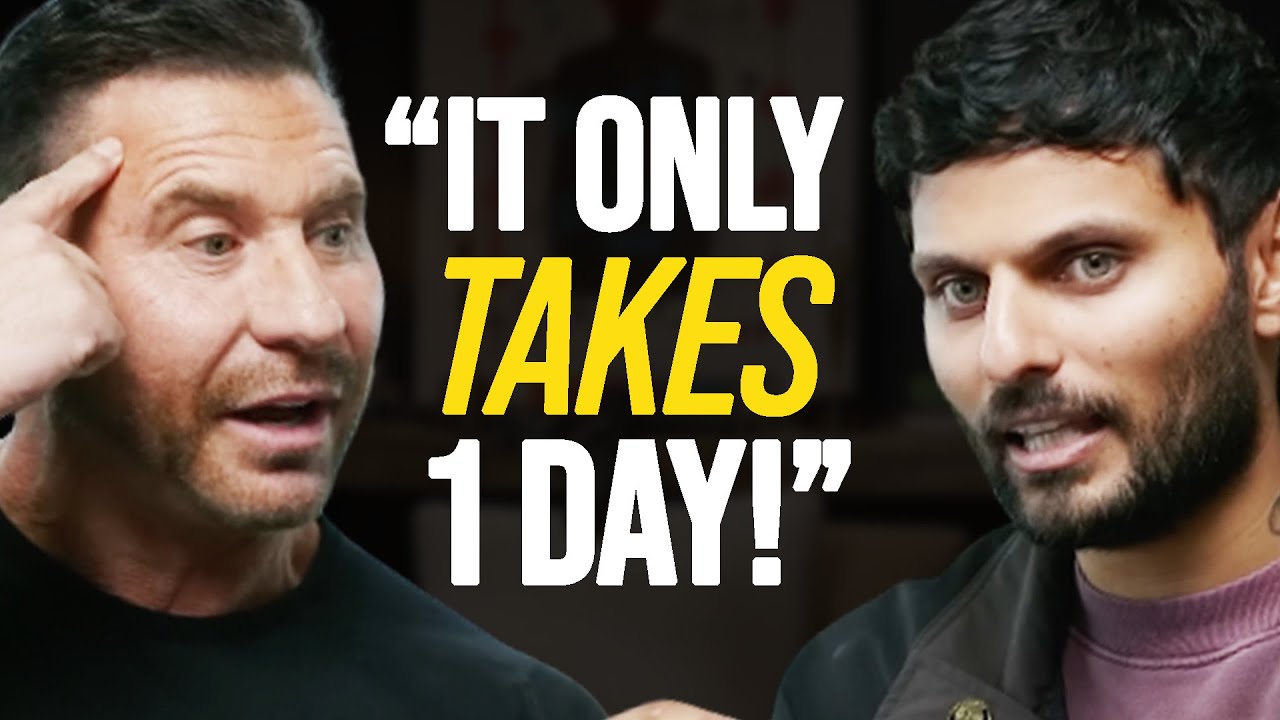
It’s easy to believe that happiness, success, and fulfillment are always just out of reach. Many people keep their dreams at arm’s length, telling themselves, “I’ll get around to it tomorrow.” But as Ed Mylett and Jay Shetty discuss, this thinking is a trick of the mind. We often wait for the “right time” to pursue our goals, but that time never seems to arrive. Instead, another day passes, and our dreams stay distant.
One powerful reminder from their conversation is:
“You only understand the power of one day when you’re threatened with never having another one.”This quote highlights how we take time for granted, assuming we’ll always have another chance to make life-changing decisions. But what if the gap between where you are and where you want to be isn’t as wide as you think?
Vision is often misunderstood. Many people see it as a far-off destination, but real vision is about recognizing how close meaningful change might already be. A personal growth mindset means breaking the patterns that keep your goals distant. It’s about seeing that you’re just one step, one habit, or one conversation away from a breakthrough. As Ed Mylett puts it:
“What if the truth is that you’re one relationship, one conversation, one tactic away from completely changing your life?”
- Growth mindset is about believing that small, consistent actions can lead to big results.
- Incremental improvements—like adopting a new habit or reaching out to someone new—can create lasting positive change.
- Motivation for change often comes from realizing that transformation doesn’t require a giant leap, but a single, intentional step.
Scriptural wisdom says, “Where there’s no vision, the people perish.” This isn’t just about having a distant goal, but about seeing the possibilities right in front of you. A growth mindset intervention can be as simple as making one new decision today. Real-life stories show that one meeting, one idea, or one moment of courage can redirect your entire path.
The gap you see is often just a matter of perspective. Change is closer than you think—and it starts with the power of one more step.
Incremental Improvements: The Hidden Engine of Personal Growth
Personal growth rarely happens in dramatic leaps. Instead, it is often the result of incremental improvements—tiny, almost invisible gains that add up over time. Jay Shetty’s experience recovering from double hernia surgery highlights this truth. He describes waking up each day hoping for a full recovery, only to find himself still struggling. The real progress, he realized, was not in sudden breakthroughs, but in the subtle, daily changes: “I was missing out on the 1% change since yesterday.”
These small habits—like noticing a little less pain or a bit more flexibility—are powerful. When you focus on the 1% improvement from the day before, you build motivation and create a sustainable path forward. Research supports this approach: incremental improvements and small habits are practical interventions that foster lasting growth and boost psychological well-being. In fact, growth mindset interventions have been shown to improve academic self-efficacy and long-term resilience, underscoring the value of focusing on progress rather than perfection.
It’s easy to overlook these small wins, especially when setbacks make the end goal seem far away. Shetty admits to missing the forest for the trees, becoming obsessed with how much further he had to go rather than celebrating the small steps he was taking. Yet, it’s these daily changes that truly matter. Over time, they stack up—just like bricks in a wall—until real transformation takes place.
Ed Mylett’s story about his father’s recovery from alcoholism brings this idea to life. His father didn’t promise to stay sober forever; he focused on “one more day.” As Ed shares, “He lasted the rest of his life, stacking those one more days up.” This mindset—of adding one more positive action, one more healthy choice, one more day—creates a foundation for lasting change.
- Recovery and growth happen through tiny, almost invisible gains—a 1% improvement is still progress.
- Small habits are powerful: noticing and celebrating daily growth leads to motivation and sustainability.
- Setbacks are part of the journey, but daily changes add up and create real transformation.
“I was missing out on the 1% change since yesterday.”
“He lasted the rest of his life, stacking those one more days up.”
Filtering Your Reality: How Mindset and Motivation Shape What You Notice
Your brain is constantly filtering the world, deciding what’s important and what can be ignored. This process is powered by the reticular activating system (RAS)—a network in your brainstem that acts like a sci-fi filter, letting in information that matches your beliefs, goals, and emotional motivators. When you expect that “one more” opportunity exists, your RAS tunes your awareness to notice it.
“When you wake up believing, hey, I’m one decision away… your mind begins to filter.”
Mindset and motivation are key drivers of this filtering process. If you believe change is possible, your RAS will highlight people, ideas, and resources that align with your goals. This is why being present and intentional matters. You develop sensory acuity—the ability to pick up on conversations, opportunities, and details you might otherwise miss. For example, you might overhear a conversation on an airplane that sparks a new idea, or notice your name in a crowded room because it matters to you. Your brain is always scanning for what’s important to you.
- The RAS helps you notice opportunities when you believe change is possible.
- Being present primes your brain to observe conversations, ideas, and resources that would otherwise go unnoticed.
But what truly powers this filter is the emotional charge behind your goals. Emotional motivators—such as love, purpose, or the desire to support others—fuel resilience and recovery. They make your goals feel urgent and real, which activates your RAS even more powerfully. This is seen in the story of Ed’s father, who struggled with alcoholism for years. The turning point came not from logic, but from love:
“Every great thing we do in life is one away, but it’s also born from love.”
When Ed’s father decided to try getting sober “one more time,” it was because he wanted to be a father his son could be proud of. That emotional motivator—love—shifted his mindset and filtered his reality toward recovery. Research shows that strong emotional motivators are crucial for psychological well-being and personal growth. When you expect opportunities, your mind finds them. When you’re driven by love or purpose, you become more resilient and open to transformation.
Imagination vs. Memory: Crafting Your Future Instead of Reliving Your Past
As children, you naturally operate from a place of imagination and vision. Without a long history or set memories, your mind is open to possibilities, dreams, and creative solutions. This is why childhood often feels so full of happiness and growth—the world is a canvas, not a script. But as you grow older, your experiences and memories start to shape how you see yourself and what you believe is possible. Instead of building your life from imagination, you begin to rely on memory, often repeating old patterns and limiting your potential for change.
This difference—imagination vs memory—is at the heart of the one-more mindset. Most adults create their lives from memory, but true change comes when you build from imagination and vision. As one expert puts it:
"Begin to operate out of your imagination again, out of your vision again."
When you live from memory, your actions are filtered through your past. Even when you try something new, your beliefs and expectations are shaped by what has already happened. This can lead to stagnation and make it difficult to embrace growth mindset effects or intentional living. Nostalgia, in particular, can warp your memory, making the past seem better or worse than it actually was. While nostalgia can offer comfort, it can also keep you stuck, preventing you from moving forward.
Evaluate Your Circle: Friends and the Impact of Nostalgia
The people you spend time with play a big role in whether you live from memory or imagination. Ask yourself:
- Do your friends constantly bring up the past—“Remember when…”—or do they ask about your goals and vision for the future?
- Are your conversations rooted in nostalgia, or do they focus on what you are building now?
Even well-meaning friends can keep you tied to your history, making it harder to shift toward a vision-driven life. Surrounding yourself with people who encourage you to imagine and create is essential for intentional living and personal growth.
The Power of Being Present and Vision-Driven
Shifting from memory-based living to a vision-driven life is a powerful antidote to stagnation. When you are present and focused on crafting your future, you unlock creativity and productivity. Imagination-oriented living helps you break free from old cycles and opens the door to new possibilities. Remember, nostalgia impacts motivation, but building from hope and vision is what truly propels you forward.
Conclusion: The Real Power of 'One More'—And What Happens If You Try
When you look back on your life, you may realize that the most meaningful progress rarely comes from huge leaps. Instead, it’s the small, consistent choices—rooted in love, presence, and intention—that truly shape your journey. The “one more” mindset is about embracing the idea that every extra effort, no matter how small, can be the spark for lasting personal growth and transformation.
Consider Ed Mylett’s story of his father’s sobriety. His dad didn’t promise a lifetime of change; he simply committed to not drinking for one more day. Over time, those days stacked up, and the result was a life transformed—not just for him, but for everyone around him. This is a powerful life lesson: overcoming adversity is possible when you let love and commitment fuel your willingness to try again, even when it feels hard.
What’s more, your toughest setbacks—those moments you might feel ashamed of or wish you could erase—can actually become your greatest assets. As Jay Shetty points out, you are most qualified to help the person you used to be. The scars you carry from overcoming adversity are not signs of weakness, but badges of wisdom. They allow you to connect authentically with others who are facing similar struggles, turning your pain into purpose.
Research shows that incremental improvements and authenticity are the foundation for sustainable growth. Every “one more” attempt—a call, a conversation, a step forward—can be the turning point that changes everything. You don’t have to wait for the perfect moment or a grand gesture. Progress is made by stacking small wins, one after another, until they become a legacy.
If you can survive the temporary, on the other side you meet another version of yourself.
So, what happens if you try? You discover that your life’s legacy is built through these “one more” acts. You realize that helping others often springs from the adversity and life lessons you’ve lived through firsthand. And as you grow, you become more capable of guiding others along the same path. The real power of “one more” is that it’s always within your reach—no matter where you start, or what you’ve been through. All it takes is the courage to try, just one more time.
TL;DR: Your most powerful breakthroughs rarely come from dramatic overhauls, but from consistent, incremental steps and the willingness to give life 'one more' shot. Embracing this mindset can radically enhance your well-being, productivity, and sense of purpose—one day at a time.
Post a Comment