
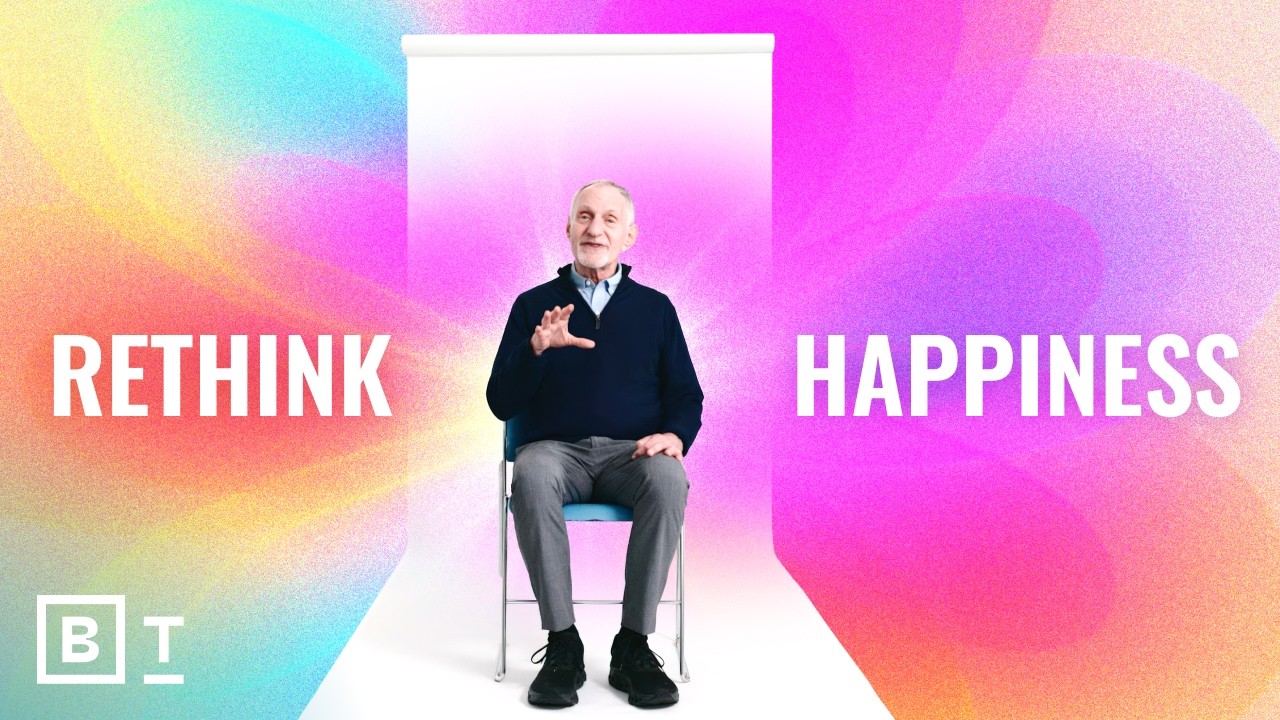
Let me tell you about the time my dentist tried to sell me a self-help bestseller just as the cleaning started. "Want the secret to a happy life?" she asked. Mouth full of dental tools, I could only shrug. Turns out, she’d skimmed the Harvard Study of Adult Development—a project that’s spanned more birthdays than most families remember. I went home that day with achy teeth and a burning curiosity: could eight decades of research have cracked the code on happiness? Turns out, the answer is at once obvious and profound—and not at all what my dentist recommended. Let’s pull back the curtain on what REALLY matters for joy, health, and the complicated art of being human.
The Harvard Study’s Wild Origins: Ivy League Hopefuls, City Kids, and 724 Surprising Stories
If you want to understand what truly shapes happiness and health, the Harvard study of adult development offers a front-row seat to 85 years of surprising discoveries. Long before anyone had heard of DNA, yoga pants, or even the word “selfie,” this landmark project began in 1938 as two completely separate studies. The first followed Harvard sophomores—young men handpicked by their deans as “fine, upstanding” Ivy League hopefuls. The second tracked boys from Boston’s most disadvantaged families, many facing serious challenges like domestic violence and parental illness.
Two Worlds, One Question: What Makes People Thrive?
At first, these groups had nothing in common. One study was based at the Harvard Student Health Service, focused on privilege and the “normal” path to adulthood. The other, rooted in the city’s toughest neighborhoods, aimed to understand how some kids managed to stay on track despite difficult beginnings. What united them was a bold new question: Instead of only asking what goes wrong in life, why not study what goes right? What helps people not just survive, but truly thrive?
From 724 Young Men to a Multigenerational Odyssey
The Harvard study of adult development began with 724 young men. Over the decades, researchers didn’t just stop with the original participants. They brought in wives, then children, and now follow over 2,000 people across multiple generations. This makes it the world’s longest-running happiness research project, offering a rare look at lifelong well-being.
- Start year: 1938
- Initial participants: 724
- Current participants and families: 2,000+
- Duration: 85+ years
Every Detail Counts: From Ear Infections to Curtain Patterns
What sets this study apart is its attention to detail. Researchers didn’t just collect medical records or psychological tests. They visited homes, spoke with parents and even grandparents, and took notes on everything—right down to what was served for dinner and the style of curtains in childhood bedrooms. As science advanced, so did the methods: audio recordings, videotapes, MRI scans, and even DNA analysis (which wasn’t even imagined in 1938).
- Psychological exams and medical checkups
- Home visits and family interviews
- Notes on daily life, discipline styles, and home décor
- Modern tools: MRI, DNA, and stress labs
What the Data Revealed: The Impact of Relationships on Health
Through all these years and all these stories, one finding stands out. According to Robert Waldinger’s happiness research, the biggest factor in lifelong health and happiness isn’t wealth, fame, or social status. It’s the quality of your relationships. As Waldinger puts it:
The people in our study who had the happiest, warmest relationships were the people who stayed healthy longest and who lived the longest.
By following people from such different backgrounds, the study revealed that strong, supportive connections—not privilege—are what truly shape a happy, healthy life.
Relationships vs. Everything Else: Debunking the Wealth & Fame Myth
When you think about what brings lasting happiness and health, it’s easy to assume that wealth, fame, or even a high IQ are the keys. But decades of research—including the famous Harvard Study of Adult Development—tell a different story. The importance of relationships for happiness stands out as the single biggest predictor of both emotional health and long-term physical well-being. In fact, warm, supportive social connections and social fitness matter more than status, money, or even good genes.
Surprise! Money and Fame Aren’t the Answer
Many people believe that getting rich or becoming famous will guarantee happiness and satisfaction. However, data from the longest-running studies on well-being show that these factors take a back seat to strong, reliable relationships. The people who reported the happiest, healthiest, and longest lives were those with close, quality connections—not those with the most money or recognition.
How Much of Happiness Is Under Your Control?
Psychological research breaks down happiness like this:
- 50% is your genetic set point—your natural temperament.
- 10% comes from your current life circumstances.
- 40% is shaped by your choices—especially how you build and maintain relationships.
This means that even if you weren’t born lucky, you have significant power to boost your happiness by focusing on emotional health and social connections.
Social Connections and Life Satisfaction
What really matters is the quality of your relationships. Ask yourself:
- Do you have enough connection in your life?
- Are your relationships warm and supportive?
- Do you have people you can rely on in tough times?
As the saying goes:
Never worry alone.
Sharing your worries with someone you trust can make a world of difference for your mental health and relationships.
Loneliness Epidemic 2025: The Hidden Health Crisis
Today, over one-third of Americans report serious loneliness. Loneliness isn’t just emotionally painful—it’s a major stressor that raises stress hormones and inflammation, harming both body and mind. Chronic loneliness and toxic relationships can lead to faster memory decline, higher risk of disease, and even shorter lifespans. Research shows that secure partnerships in late life slow brain decline, while loneliness speeds it up.
Conflict Isn’t Fatal—Avoiding It Is
All relationships have disagreements. The key is not to avoid conflict, but to work through it. Studies show that resolving conflict actually strengthens your social world and brings huge emotional and health benefits. On the other hand, staying in a toxic, unresolved relationship can be worse than being alone:
Staying in a really toxic intimate relationship may be worse than splitting up.
Adult Experiences Can Reverse Early Disadvantages
If you didn’t grow up with supportive relationships, there’s hope. Adult experiences—like finding a reliable partner or good friends—can help you rewrite old expectations and build a more positive, connected life. Social connections and life satisfaction aren’t set in stone; you can always work on your social fitness.
Social Fitness Is a Workout (Yes, With Occasional Sweat)
When it comes to social fitness and well-being, the happiest and healthiest people don’t leave their relationships to chance. They treat building meaningful relationships like a regular workout—consistent, intentional, and sometimes even a little sweaty. Just as you wouldn’t expect to stay physically fit after a single gym session, you can’t expect close relationships and happiness to thrive without ongoing effort.
You don't go to the gym today and then you come home and say, 'I'm done. I never have to work out again.'
Social Fitness: An Ongoing Practice
Think of social fitness as an active process. The research is clear: people who are happiest and healthiest pay constant attention to their connections. They invite friends over, join clubs, and keep up with family and community. These small, repeated actions—like sending a text, making a call, or planning a coffee date—are the social equivalent of daily exercise. Over time, these gestures create a buffer against loneliness and even chronic illness, building a safety net that supports both emotional and physical health.
Reaching out to friends, to family, through little texts or emails or phone calls day in day out, certainly weekly.
Building Meaningful Relationships: The Power of Small Gestures
Maintaining close relationships and happiness doesn’t require grand gestures. Instead, it’s about the small things you do regularly. A quick message, a shared meal, or a game night can strengthen bonds and help you feel connected. These actions, repeated over weeks and years, accumulate to form vibrant social networks that support your well-being and even increase longevity.
- Text or call a friend just to check in
- Schedule regular meetups, even if brief
- Send a funny meme or thoughtful article
- Join a club or community group
Map Your Social Universe: Assess and Adjust
Social fitness is personal—what feels right for you is what matters. To check your own social health, try mapping your relationships. Draw a set of concentric circles, placing your closest connections at the center and acquaintances farther out. Or, use a simple grid:
| Frequency | Energy Level |
|---|---|
| Frequent | Energizing / Depleting |
| Infrequent | Energizing / Depleting |
Notice who energizes you and who drains you. Are there people you see often who leave you feeling depleted? Or friends you rarely see but who lift your spirits? This self-audit helps you decide where to invest your time and energy, and where you might want to make changes—no shame in it.
Social Fitness Pays Off
Just as with physical health, the benefits of social fitness build over time. Healthy relationships and frequent connection are linked to increased longevity and greater happiness. By checking in regularly and nurturing your connections, you create a resilient, joyful life—one small action at a time.
FAQ: Real Life, Real Questions from the Study
If I grew up in a rough home, am I doomed to be unhappy?
Absolutely not. The Harvard study of adult development shows that your early experiences shape your expectations about relationships, but they do not seal your fate. Many participants who faced adversity in childhood went on to build happy, healthy lives as adults. New, positive relationships—whether with friends, partners, or mentors—can help rewrite old patterns and restore trust. As Dr. Waldinger notes, “Do I have people who have my back?” is a question that matters at any age. Even if you didn’t have support growing up, you can find it and offer it now. Your choices and willingness to connect can lead to real gains in happiness and emotional health.
Does quantity or quality of relationships matter more?
Quality matters far more than quantity. The Harvard study of adult development found that having a few warm, reliable connections is much more important than having many acquaintances. It’s not about how many people you know, but whether you feel truly supported and understood. People who report having at least one or two close, dependable relationships tend to be healthier and happier, regardless of how large their social circle is. The importance of relationships for happiness is rooted in the depth of connection, not the number of contacts.
How does stress actually get under the skin?
Both loneliness and toxic relationships can trigger chronic stress, which affects your body as much as your mind. When you feel isolated or unsupported, your body releases stress hormones like cortisol. Over time, this can lead to inflammation and increase the risk of diseases such as heart disease, diabetes, and arthritis. In contrast, positive social connections help your body recover from stress more quickly. MRI studies from the Harvard research show that people with strong social support experience less pain and anxiety during stressful events. Emotional health and social connections are deeply linked—your relationships truly shape your physical well-being.
Is it possible to be too socially connected?
Social fitness is a personal journey, not a numbers game. Some people thrive with many friends and frequent gatherings, while others feel happiest with just a few close connections. The key is to find a balance that feels right for you. Too many shallow interactions can leave you feeling drained or even lonely. What matters most is whether your relationships are energizing and supportive, not how many you have. Listen to your own needs and adjust your social world accordingly.
What’s a quick way to tell if I’m socially fit?
Ask yourself: “Do I have people who have my back?” Map out your relationships—who supports you, who drains you, and how often you see each person. Notice how you feel after spending time with others. If you leave interactions feeling open, positive, and hopeful, you’re likely on the right track. If you feel depleted or isolated, it may be time to reach out or make changes. Social fitness and well-being are about ongoing, intentional effort—just like physical fitness. Small, regular acts of connection can make a big difference.
In the end, the Harvard study of adult development makes it clear: investing in relationships is the most reliable path to happiness and health. No matter your background, you can shape your future by nurturing the connections that matter most. Social fitness is not about perfection, but about showing up, caring, and being open to growth—one relationship at a time.
TL;DR: Happiness isn’t about fame or fortune—it hinges on nurturing good relationships, coping with stress, and tending to your social fitness, a lesson eight decades of the Harvard study have made clear.
Post a Comment