
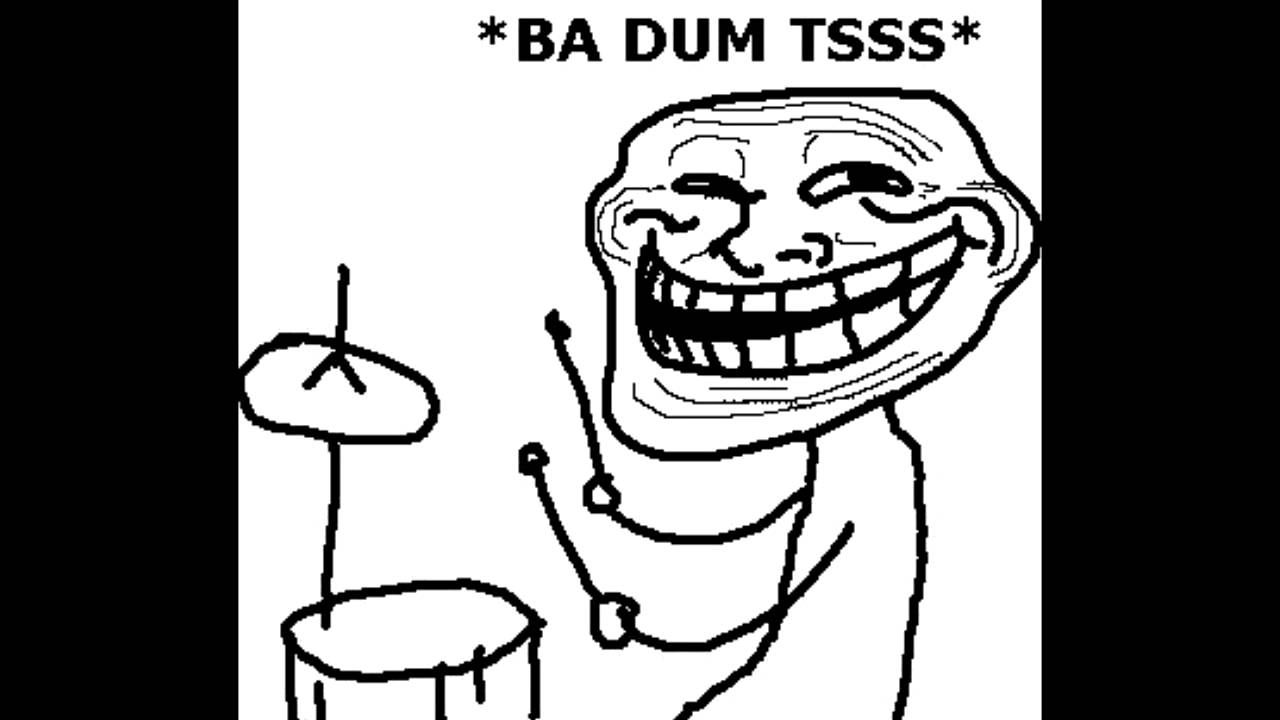
Once, in the middle of an awkward family dinner, you cracked a pun so bad even your dog gave you side-eye. But then—‘Ba Dum Tss’ rang out from your phone, and suddenly, everyone, including Aunt Marge, couldn’t help but laugh (or groan louder). The humble rimshot has done more for bad jokes than years of standup practice. Today, let’s find out why this simple sound effect continues to steal the show.
Section 1: The Unsung Hero—Why the ‘Ba Dum Tss’ Endures
When you hear the Ba Dum Tss Sound, you instantly know a joke has landed. This simple, rhythmic sound—a quick hit on the snare drum followed by a cymbal crash—has become one of the most recognizable humorous sound effects in comedy. But why does this rimshot sound effect still make us laugh, even after more than a century?
From Cabarets to Cartoons: The Birth of a Comedy Technique
The origins of the Ba Dum Tss Sound trace back to smoky cabarets and vaudeville stages in the early 1900s. Drummers would punctuate a comedian’s punchline with a rimshot, signaling to the audience that it was time to laugh. This auditory cue was especially important in live performances, where timing was everything and a well-placed sound could turn a mild joke into a memorable moment.
As entertainment evolved, so did the rimshot. Silent films and early radio shows borrowed the effect, using it to bridge the gap between visual gags and audience reaction. The rimshot sound effect became a universal language for humor—no words needed, just a quick “Ba Dum Tss” and a wave of laughter.
The Modern Comeback: TV, Cartoons, and Memes
Today, the Ba Dum Tss Sound is more popular than ever. Cartoons like SpongeBob SquarePants and sitcoms such as The Office have brought the rimshot to new generations. In these shows, the effect is often used to highlight both clever punchlines and intentionally bad jokes, making it a flexible tool for all types of comedy.
The digital age has given the rimshot a second life. You see it in memes, GIFs, and even as a button in video calls. Whether you’re in an awkward Zoom meeting or scrolling through social media, a well-timed Ba Dum Tss can instantly transform the mood, signaling to everyone that it’s time to laugh—or groan at a pun.
From Sincerity to Sarcasm: The Evolving Power of the Rimshot
Originally, the rimshot was used sincerely, helping comedians land their punchlines. But over time, its meaning has shifted. Now, the Ba Dum Tss Sound is often used with a wink, adding a layer of irony or sarcasm. It’s not just about marking a joke—it’s about commenting on the joke itself. This meta-ironic use is part of what keeps the sound effect fresh and funny, even after all these years.
Comedic sound effects like ‘Ba Dum Tss’ are the wink at the end of a joke.
In every form, the Ba Dum Tss Sound remains a quick, universal signal for comedic punchlines. It’s an auditory cue that tells you, as a listener or viewer, when to laugh—and sometimes, when to laugh at the joke’s own expense. Whether you hear it in a classic cabaret, a beloved cartoon, or during a virtual meeting, the rimshot endures as one of comedy’s most reliable techniques.
Section 2: Comedic Timing—It’s All in the Pause (and the Tss)
When it comes to comedy, timing is everything. You might have the funniest joke in the world, but if you miss the right moment to deliver the punchline, the laughter impact just isn’t the same. This is where the Ba Dum Tss Sound steps in, acting as a secret weapon for comedic timing and transforming even the weakest gags into memorable moments.
Personal Anecdote: The Joke That Fell Flat
Let me share a quick story. Once, I tried telling a classic joke to a group of friends. I set up the punchline, delivered it, and... silence. No one laughed. It wasn’t until someone jokingly added a “Ba dum tss” that the room finally erupted in giggles. That simple sound effect rescued my failed attempt and turned an awkward pause into a shared laugh. It was a clear lesson: sometimes, even a bad punchline just needs the right cue to land.
Why the ‘Ba Dum Tss’ Rescues Bad Punchlines
So, why does this sound effect work so well? The answer lies in how comedic timing shapes our reaction to jokes. The “Ba dum tss” acts as a signal, telling you exactly when to laugh. It’s like a friendly nudge, guiding your response. Comedy experts often say,
Comedic Timing is the invisible hand that nudges a joke from ‘meh’ to ‘memorable.’When you hear that familiar drum and cymbal, your brain instantly recognizes the rhythm of a joke, even if the punchline itself is weak.
The Psychology Behind Laughter: Spelling Out the Punchline
There’s an interesting psychology at play when a punchline is “spelled out” for you with a sound effect. The Ba Dum Tss Sound creates a clear pause, giving your mind a moment to process the joke. This pause is crucial—it’s the beat between the setup and the laughter, the space where anticipation builds. When the sound hits, it releases that tension, prompting an almost automatic laugh. This is why even corny jokes can seem funnier when paired with the right sound cue.
- Comedic Timing: The pause before the “Ba dum tss” lets the punchline sink in, making the joke feel sharper and more deliberate.
- Laughter Impact: The sound effect acts as a trigger, encouraging group laughter and making the moment more enjoyable for everyone.
- Comedy Punchlines: Even if the punchline is weak, the sound effect gives it a boost, turning a potential flop into a shared laugh.
In short, the Ba Dum Tss Sound isn’t just a funny noise—it’s a tool that enhances comedic timing, increases laughter impact, and helps even the simplest jokes land with style. The next time you hear that iconic “Ba dum tss” followed by laughter, you’ll know exactly why it works so well.
Section 3: Wild Card—Can Sound Effects Teach Us About Humor?
Imagine you’re listening to a joke. The setup is clever, the punchline lands, and then—Ba dum tss. Instantly, you recognize this auditory cue as the universal signal for a comedic moment. In the source content, this sound is followed by laughter, showing how a simple sound effect can set the stage for light-hearted comedy. But can sound effects like the Ba Dum Tss sound actually teach us something about humor?
A Quick Experiment: Timing the Ba Dum Tss Sound
Try this: play the Ba Dum Tss before, during, and after a punchline. Notice how your reaction changes. When played before, it feels out of place—almost like a spoiler. During the punchline, it can distract from the joke itself. But when timed just after the punchline, it acts as a comedic exclamation mark, inviting you to laugh. This experiment shows how auditory cues are not just background noise; they’re active participants in the rhythm of comedy punchlines.
The Standup and the Cowbell: When Sound Effects Go Wrong
Consider the invented tale of a legendary standup who decided to break his silence mid-joke—not with the classic rimshot, but with a cowbell. The audience, expecting the familiar Ba Dum Tss, was met with confusion instead of laughter. The punchline fell flat. This story highlights how certain auditory cues become so closely linked to light-hearted comedy that swapping them out can disrupt the entire comedic flow. As the saying goes:
Some jokes don’t need saving, but every punchline loves a little drama.
From Stage to Screen: The Meta-Irony of Ba Dum Tss in Internet Culture
Today, the Ba Dum Tss sound has found a new life online. Platforms like Vine, TikTok, and countless memes have embraced the rimshot, often using it in a meta-ironic way. Now, it’s not just a cue for laughter—it’s a wink to the audience, a self-aware nod that says, “Yes, we know this joke is cheesy.” This rise of the self-aware rimshot shows how auditory cues evolve. What started as a sincere signal for a punchline has become a tool for playful, even sarcastic, commentary in light-hearted comedy.
- Auditory cues like Ba Dum Tss help shape our comedic expectations.
- Timing and familiarity are key—swap the sound, and the joke may fall flat.
- Internet culture has transformed the rimshot into a symbol of meta-irony and playful self-awareness.
Whether you’re on stage or scrolling through memes, the Ba Dum Tss sound proves that sometimes, the right auditory cue is all you need to turn a moment into a laugh.
FAQ: ‘Ba Dum Tss,’ Rimshots, and the Anatomy of a Perfect Punchline
When you hear the Ba Dum Tss sound, you probably picture a comedian pausing for effect, the snare and cymbal punctuating a punchline, and then—laughter. But why does this simple rimshot sound effect have such a powerful impact on our sense of humor? Let’s break down the origins, timing, and reactions to this classic comedy technique, and see how understanding humor is often about more than just words.
Where did ‘Ba Dum Tss’ actually come from?
The Ba Dum Tss sound is rooted in the world of vaudeville and early film. Back then, live drummers would sit just offstage, ready to accentuate a joke with a quick snare hit and cymbal crash. This rimshot sound effect became a universal signal: “That was the punchline—now it’s time to laugh.” Over time, the sound moved from live stages to TV, cartoons, and internet memes, becoming a kind of meta-ironic shorthand for “Yes, that was a joke.” Even today, you’ll find it used everywhere from late-night talk shows to viral social media clips.
Is there a wrong time to use it? (Yes, ask my dentist)
While the Ba Dum Tss sound is almost always associated with humor, timing is everything. Using it at the wrong moment—like during a serious conversation or, yes, at the dentist’s office—can fall flat or even feel awkward. Comedy techniques like the rimshot are best reserved for light-hearted settings where everyone is in on the joke. As the saying goes,
A perfectly timed rimshot is worth a thousand words—or groans.The key is reading the room. Not all settings appreciate impromptu rimshots, so use with caution.
Why do some people groan and others laugh?
Humor is subjective, and the rimshot sound effect is no exception. For some, the sound signals a clever or witty punchline, prompting genuine laughter. For others, especially when the joke is a little too obvious or corny, it can trigger a groan instead. This divide is part of what makes understanding humor so fascinating. Auditory cues like Ba Dum Tss shape our reactions, sometimes making a mediocre joke funnier—or highlighting just how cheesy it really is. The laughter that follows, as noted in the source transcript (“Ba dum tsss.” (Laughs)), shows how a simple sound can set the tone and invite everyone to share in the moment, even if the response is mixed.
The Secret Power of a Comedic Sound Effect
Ultimately, the Ba Dum Tss sound endures because it taps into the universal language of timing and expectation. It’s a reminder that comedy isn’t just about what you say, but how—and when—you say it. The rimshot sound effect has become a beloved tool in the arsenal of comedy techniques, instantly recognizable and endlessly adaptable. Whether it earns you a roomful of laughs or a chorus of groans, it proves that sometimes, the right sound at the right moment can be the anatomy of a perfect punchline.
TL;DR: ‘Ba Dum Tss’ is the ultimate comedic punctuation—timeless, simple, and irresistible, whether you groan or giggle.
Post a Comment