
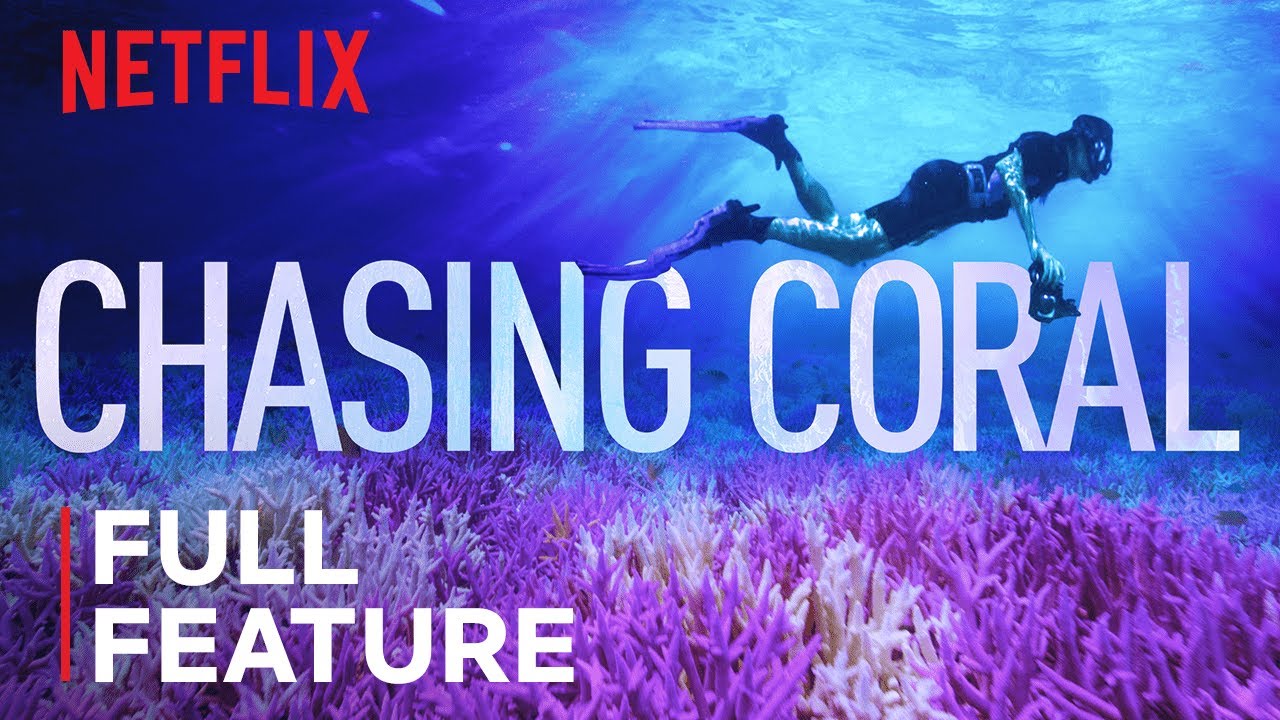
There’s a certain magic in standing ankle-deep in the surf at sunrise, the hush of the waves folding over secrets just beneath. I still remember the first time I saw a coral reef in vivid color—a memory as startling as a punchline. Back then, reefs held no hint of tragedy to me; they were alien gardens, impossibly alive. Fast forward a few years, and the magic is mixed with heartbreak as the world’s most vibrant ecosystems begin to dim.
How We Forget Our Alien Planet: Coral Reefs Hiding in Plain Sight
Most people look up at the stars and wonder about distant worlds. Yet, beneath the surface of our own planet lies an alien world that is just as mysterious and awe-inspiring: the coral reef ecosystem. Even though the ocean covers more than 70% of Earth, its most vibrant and vital habitats remain largely untouched and unnoticed by most of us. This is especially true for coral reefs, which are often hidden in plain sight—out of view, and out of mind.
This “out of sight, out of mind” effect is a major reason for the ongoing coral reef decline. Coral reefs make up only 0.2% of the seafloor, but they support a staggering 25% of all marine species. These underwater cities are home to thousands of fish, plants, and other creatures, making them one of the most important reef ecosystems on the planet. Despite their importance, coral reefs rarely make headlines or enter public conversations about environmental crises.
Part of the problem is perception. As Richard Bevers, a former advertising professional, points out, “It’s really about trying to communicate the science as much as doing the science itself.” The challenge is not just to study coral reefs, but to help people truly see them—not just as colorful backdrops for divers, but as living, breathing foundations of marine biodiversity and human well-being.
Many people, myself included, once struggled to understand what a coral actually is. Is it an animal, a plant, or a rock? This confusion is common and highlights a widespread information gap. Without clear knowledge, it’s easy to overlook the true value of reefs. Yet, these ecosystems are essential for more than just marine life. Coral reefs provide food and income for over 500 million people worldwide, supporting fisheries, tourism, and coastal protection.
Despite their economic and ecological value, coral reefs remain largely invisible in public awareness. This is not just a scientific issue—it’s an advertising issue. The ocean’s wonders are hidden from daily life, making it easy to ignore the silent crisis unfolding beneath the waves. When you think about our planet, it is unique in the known universe because of its oceans. The ocean controls the weather, the climate, and even the oxygen we breathe. Without a healthy ocean, we do not have a healthy planet.
- Coral reefs cover only 0.2% of the ocean floor but support 25% of marine life.
- Over 500 million people depend on reefs for food and income.
- Public awareness of reef ecosystem decline remains low, despite their economic and ecological importance.
“It’s really about trying to communicate the science as much as doing the science itself.”
To protect coral reefs, it is crucial to make their invisible crisis visible. Only then can we hope to reverse the decline and preserve the marine biodiversity that sustains life on Earth.
From Advertising Soap to Mapping Reefs: Personal Pivots and Tech Marvels
Imagine leaving a successful career in advertising to dive into the unknown world beneath the ocean’s surface. That’s exactly what Richard Bevers did. Swapping soap commercials for saltwater, Bevers turned his storytelling skills toward one of the planet’s most urgent environmental challenges: the invisible crisis facing coral reefs. His journey is a powerful example of how personal pivots can drive global change, especially when paired with technological innovation.
Reef Monitoring Goes 360°: Underwater Photography Meets Google Street View
Bevers joined the XL Catlin Seaview Survey, an ambitious coral reef project that set out to map the world’s reefs in a way never seen before. Using custom-built 360-degree cameras, the team documented coral reefs just like Google Maps charts city streets. Every three seconds, a camera snapped a panoramic image, creating a virtual path through underwater gardens teeming with life. This approach to reef monitoring has now covered 21 countries, building a global coral reef survey that anyone can explore online.
The technology behind this underwater photography is as fascinating as the reefs themselves. The survey’s camera systems use 3D-printed housings, wiper systems to clear the lens, and custom circuit boards to withstand the harsh ocean environment. These innovations allow for continuous, high-quality imaging, bringing the hidden beauty—and the growing threats—to the surface for all to see.
Virtual Dives: Bringing Coral Reefs to the World
For most people, visiting a coral reef is a distant dream. But thanks to projects like the XL Catlin Seaview Survey, you can now take a virtual dive from anywhere with an internet connection. These immersive experiences are more than just pretty pictures; they are a form of visual storytelling that makes the science of coral decline real and relatable. As Bevers explains, “If you can document that change, you can reveal this to the public in a powerful way.”
This approach is crucial because data alone rarely inspires action. In fact, I once tried to explain coral bleaching using only two colored candies—one bright, one faded. Nobody truly understood the loss until I showed them a before-and-after image of a reef. That’s the power of visual storytelling in reef monitoring and coral reef surveys: it connects the emotional dots and makes the invisible crisis visible.
Tech Marvels and Global Impact
- 360° underwater photography enables detailed coral reef monitoring across continents.
- Time-lapse projects capture dramatic bleaching and recovery events, offering hope and urgency.
- Innovative camera systems and virtual tours make coral reef projects accessible to millions worldwide.
By blending personal passion with cutting-edge technology, Bevers and his team have created a new way to see—and care for—the world’s coral reefs. Their work proves that when you combine storytelling, tech marvels, and a global coral reef survey, you can turn invisible underwater crises into stories that inspire action.
When Color Fades: The Heartbreak and Science of Coral Bleaching
Imagine swimming above a vibrant coral reef, only to find the colors have vanished, replaced by ghostly white skeletons. This is the reality of coral bleaching—a crisis that is both deeply emotional and scientifically alarming. For many, witnessing a reef lose its color and life in just weeks is a gut punch, leaving not only the ecosystem but also the people who care for it in shock and grief.
How Coral Bleaching Begins
Coral reefs depend on a close partnership with tiny plant cells called zooxanthellae. These cells live inside the coral’s tissues, giving reefs their brilliant colors and providing most of their energy. When water temperatures rise just 1–2°C above normal, corals experience heat stress. This stress forces the corals to expel their plant partners, leaving the coral tissues transparent and exposing their white skeletons underneath. Without these cells, corals lose both color and the ability to feed themselves, making them weak and vulnerable.
Rapid and Widespread Decline
Since the early 1980s, coral bleaching events have grown in frequency and severity. What began as a strange phenomenon—reefs turning white over just a few weeks—has become a global emergency. Scientists quickly realized that this was not due to disease or excess sunlight, but to rising ocean temperatures linked to climate change impacts. A 2°C rise in water temperature is enough to trigger mass bleaching across entire regions.
The scale of loss is staggering. In the words of one researcher,
“We’ve lost 80 to 90% of corals in Florida.”The Great Barrier Reef faced record coral cover decline in 2024–2025, with 48% of surveyed reefs suffering reductions. The ongoing fourth global coral bleaching event (2023–2025) is the most intense ever recorded, affecting 84% of the world’s reefs. These numbers are not just statistics—they represent the collapse of entire ecosystems.
The Science and the Sorrow
For scientists and conservationists, the emotional toll is real. Even seasoned experts describe feelings of denial and heartbreak when seeing dead reefs for the first time. The speed of these events is shocking: entire stretches of reef can go white in just a matter of weeks. The loss of coral cover is closely linked to climate-driven heat stress, making it clear that the crisis is not isolated, but global and ongoing.
- Coral bleaching begins with a small temperature rise—just 1–2°C can be fatal.
- Bleaching events now impact more reefs and are more severe than ever before.
- Loss of coral cover leads to coral mortality and the collapse of reef ecosystems.
When you consider that only 0.01% of the world’s ocean is covered by coral, the scale of this loss is even more devastating. The heartbreak of coral bleaching is not just about color fading—it is about the disappearance of life, hope, and the future of our oceans.
Wild Card: The Hidden Genius of Coral – Symbiosis and Quiet Complexity
When you look at a coral reef, it’s easy to believe these structures are made by simple creatures. But this is one of nature’s best illusions. As one expert put it,
“Simplicity on the outside doesn’t mean simplicity on the inside.”Corals may seem basic, but beneath their calm surface lies a world of quiet complexity that holds the key to marine biodiversity and the health of the entire reef ecosystem.
Corals are not solo artists. Each coral is actually a colony, made up of thousands of tiny animals called polyps. Every polyp is a small, tube-shaped creature with a circular mouth surrounded by tentacles. But what truly sets corals apart is their partnership with microscopic algae called zooxanthellae. These algae live inside the coral’s tissues, turning sunlight into energy through photosynthesis. In return, the coral provides the algae with shelter and the nutrients they need to survive. This mutualistic relationship is an evolutionary marvel—one that keeps both partners alive and thriving.
Think of each polyp as a tiny engineer, quietly working with its algae partner to build and maintain the reef. This hidden teamwork is what allows coral reefs to support so much marine life. The coral-algae symbiosis is far more complex than the classic example of the clownfish and sea anemone, where each species helps the other survive. In corals, the relationship goes even deeper: the algae provide up to 90% of the energy the coral needs, while the coral’s waste products feed the algae. This exchange is the engine that powers the entire reef ecosystem, making coral reefs hotspots of marine biodiversity.
But this partnership is fragile. When the water gets too warm or polluted, the relationship between coral and algae breaks down. The stressed coral expels its algae, losing its main source of energy and turning ghostly white—a process known as coral bleaching. Without their algae partners, corals can starve and die, leading to the collapse of the whole reef ecosystem. This is why coral restoration efforts focus so much on protecting and restoring these mutualistic relationships. If the partnership fails, the entire reef—and the countless species that depend on it—are at risk.
It’s easy to overlook the genius of corals because their sophistication is so quiet. They don’t move or make noise, but their internal complexity rivals that of any animal on land. Corals are like introverted engineers, holding the entire marine world together with invisible threads of cooperation. When you realize how much unseen complexity underpins the beauty of a coral reef, it’s impossible not to feel a sense of awe—and a sense of urgency to protect these hidden architects of the ocean.
In the end, the survival of coral reefs depends on the strength of their symbiotic partnerships. Protecting these quiet geniuses is not just about saving a pretty underwater landscape; it’s about preserving the foundation of marine biodiversity and the future of our planet’s reef ecosystems.
TL;DR: Coral reefs—guardians of marine life and linchpins for coastal communities—are facing a fast-moving crisis fueled by ocean warming and human neglect. Blending awe and urgency, it's clear: we need global action, innovative solutions, and a renewed connection to save these underwater wonders.
Post a Comment